Author name: Mike M.

eu-locks-horns-with-apple-and-ireland-in-e14.3b-tax-battle

EU locks horns with Apple and Ireland in €14.3B tax battle

EU locks horns with Apple and Ireland in €14.3B tax battle

Siôn Geschwindt

Story by

Siôn Geschwindt

The EU is going head to head with Apple and Ireland once again in a high-stakes courtroom battle which could have a lasting impact on how multinational firms are regulated in the bloc. 

EU competition regulators appealed to the European Court of Justice in Luxembourg today to override a lower tribunal decision and make Apple pay back Ireland €14.3bn in taxes plus interest. 

The case is the most high-profile of EU watchdog chief Margrethe Vestager’s campaign against so-called ‘sweetheart’ deals that offer multinationals favourable tax terms in EU states.

According to the Commission lawyer Paul-John Lowenthal, the outcome of the case “will determine whether member states may continue to grant multinationals substantial tax breaks in return for jobs and investments,” reports Reuters.

A seven year dispute  

The case dates back to a European Commission probe in 2016 which found that two tax rulings in 1991 and 2007 issued by the Irish revenue service to Apple had “substantially and artificially lowered the tax paid by Apple in Ireland since 1991”. Apple’s effective tax rate in Ireland was as low as 0.005% in 2014.

The Commission believed that such arrangements constituted illegal state aid, giving Apple an unfair advantage over its competitors. In 2016, the Commission found the tech giant guilty of underpaying taxes totalling €13.1bn between 2003 and 2014 and ordered it to pay the money to Ireland along with €1.2bn worth of interest. The money was subsequently recovered from Apple and placed in an escrow fund.   

Apple and Ireland appealed the decision and the case was heard in the EU’s General Court over two days in 2019.  

They won the case, and the court overturned the judgement. The EU’s second-highest court said the Commission had not succeeded in “showing to the requisite legal standard” that the tech giant had received an illegal economic advantage in Ireland over its taxes. However, the money remained in the escrow account in case the EU decided to appeal — which they did.      

The commission did not accept the decision and in September 2020 announced that it would lodge an appeal, which was heard today. 

Broader implications 

At the heart of the debate is exactly where value is created and where it should be taxed. Apple argues that key decisions on its products are made at its Silicon Valley headquarters and that profits should be taxed there. Daniel Beard, a lawyer for Apple, told the court today that “the commission just got the facts wrong about what activities went on in Ireland,” Bloomberg reports 

The Commission however believes that the activities of two of Apple’s units — Apple Sales International and Apple Operations Europe — should be taxable in Ireland due to the fact that the majority of the profits from these units is generated from outside the US.  

If the Commission wins, the money, which is roughly equal to Ireland’s entire annual healthcare budget, will be paid over to the Irish State. Although its track record is not looking too peachy so far.

The Commission has failed to persuade EU courts of the merits of its policy in a number of high profile cases before the courts over recent years, including a €30m claim against Starbucks, a €250m demand on Amazon and the €30bn pursuit of back taxes from Fiat Chrysler.   

The danger for Vestager and the wider Commission is that defeat before Europe’s highest court would embolden member states in the use of special tax arrangements to encourage foreign direct investment. 

CJEU Advocate General Giovanni Pitruzzella will give a non-binding opinion on 9 November, followed by the Court’s ruling.  

Get the TNW newsletter

Get the most important tech news in your inbox each week.

Also tagged with


EU locks horns with Apple and Ireland in €14.3B tax battle Read More »

dreamwave:-immersive-3d-worlds-for-virtual-events

Dreamwave: Immersive 3D Worlds for Virtual Events

Virtual events are getting more exciting with the latest technological developments in virtual reality. One such product is Dreamwave, a web-based metaverse platform that provides companies, brands, and creators with a unique way to host online events.

Dreamwave boasts ready-made and custom 3D environments called “microverses” to make brand experiences stand out. The platform enables participants to experience virtual and hybrid events in a unique and exciting way. Microverse events are accessible on all types of devices with just a click, ensuring that as many audiences as possible can attend.

Microverses: Dreamwave’s Secret to Enhanced Virtual Events

Dreamwave’s microverses contribute to the growing economy of virtual events. These microverses enhance the user experience of online eventgoers. Participants can immerse themselves in the 3D environments, chat and engage with other people, and check out different forms of content from the organizer. From live video streaming, on-demand videos, photo galleries, and sponsored content, brands can display the types of media that suits their event the best.

Created in 2020 by award-winning creative technology company Active Theory, Dreamwave sets the stage for enhanced custom 3D experiences with its microverses. Currently, Dreamwave offers eight ready-made microverse templates that customers can choose from:

  • Amphitheater – mimics a theater setup where guests gather around a virtual stage;
  • Blossom – a picturesque island ideal for chilling, relaxing, and meeting new people;
  • Cube – a more futuristic interior world that features a big screen reflected on cubes;
  • Cyber – suitable for presenting videos and images in a cyberpunk setting;
  • Fantasy – an out-of-this-world island with fantastical elements;
  • Fun – guests can participate in this obstacle race course for high engagement;
  • Garden – another island setting featuring classic garden ruins;
  • Showroom – for brands who want to exhibit their products.
Dreamwave Fantasy
Dreamwave template environment Fantasy

Custom Microverses for Custom Experiences

Aside from these template microverses, customers can also avail of a custom-built 3D environment that aligns more with their own branding. For instance, Dreamwave has developed custom microverses for brands such as Xbox (The 20 Years of Xbox Museum), ESPN (Fifty/50 World), the Wall Street Journal (Iconic Mints), and the Secret Sky music festival.

Dreamwave - Iconic Mints WSJ
Wall Street Journal’s Iconic Mints

These custom projects can be tailored specifically to the client’s requirements. With Active Theory’s expertise in building immersive 3D environments with virtual reality, brands can stage almost any type of event, from product launches to concerts and conferences. They can also organize entirely virtual events or incorporate their custom microverses to complement real-world functions.

The Future of Live Virtual Events

Since the pandemic, live events have evolved to include hybrid and fully virtual events. What’s great about Dreamwave is that they aim to enhance the online experience for companies and brands that choose to have an online component for their events.

Because of this, event organizers can stop worrying about geographical restrictions. Companies can reach more audiences with online events, building their identity and brand for a global market. In fact, virtual events have been on the rise since 2020, revealing marketers’ increasing acceptance of online events as a good alternative to in-person events.

Dreamwave: Immersive 3D Worlds for Virtual Events Read More »

3-ways-tourism-businesses-can-use-tech-to-reduce-their-carbon-emissions

3 ways tourism businesses can use tech to reduce their carbon emissions

3 ways tourism businesses can use tech to reduce their carbon emissions

Singapore Tourism Board

Story by

Singapore Tourism Board

Sustainability has become a major trend across different industries, and tourism isn’t an exception. In fact, 83% of leisure and business travellers worldwide believe that sustainable travel is vital.

Some, such as the Sands Expo, which is now carbon neutral, have used this status to differentiate themselves on the market and attract new eco-conscious customers.

Before we dive further, just what is sustainable tourism?

The UNWTO defines it as:

Tourism that takes full account of its current and future economic, social and environmental impacts, addressing the needs of visitors, the industry, the environment, and host communities.

In practice, this means more tourism businesses are looking internally to see how they can address issues like decarbonization, waste and pollution reduction, increasing future green investments, thereby providing more eco-friendly travel experiences.

Many are finding that going green isn’t only the right thing to do, it also makes business sense by helping reduce costs and make operations more efficient.

The emergence of new sustainability tech is helping usher in this new era of sustainable, eco-conscious tourism by offering innovative solutions that can be adopted by both large and small-scale businesses.

Here we will highlight best practice examples from various tourism companies and some practical things you can do to make your business more sustainable.

Eliminating food waste

Around a third of all food produced for human consumption is wasted. According to the UNEP Food Waste Index 2021, around 931 million tonnes of food waste was generated in 2019 – 39% from food service and retail including restaurants, hotels, and shops. Together, food loss and waste is responsible for 8% of global greenhouse gas emissions annually and results in $940 billion in economic losses.

Singapore is making good progress in reducing food waste overall, however, it still accounts for 10% of the total waste generated in the country and the recycling rate remains relatively low. For example, the only landfill in Singapore, Semakau, might run out of space by 2035. That’s why reducing food waste is one of the country’s three priority waste streams under the recently launched Zero Waste Masterplan.

In this regard, the Singapore National Environment Agency (NEA) has launched a $1.24 million Food Waste Fund that covers the capital cost of food loss treatment solutions for Singapore businesses. The Singapore Hotel Association was among the beneficiaries.

Interestingly, studies have shown that for every $1 hotels and restaurants invest in programs to reduce kitchen food waste, they save $7 on average in operating costs. Therefore, finding ways to reduce food waste is a win-win as it helps travel businesses cut both carbon emissions and costs. Funding opportunities, cost reductions, new tech are leading to some interesting new innovations.

The Grand Hyatt Singapore has its own waste management plant which is capable of converting 1,000kg of food waste into organic, pathogen free fertiliser which can be reused to keep the hotel’s greenery looking lush. On top of this, they’re now saving $100,000 per year by cutting out the need for waste haulage.

Sustainable initiatives have allowed venues to cut emissions, and also costs.

MICE venues are also getting into the recycling game. MAX Atria, the convention wing of Singapore EXPO, is composting food waste into fertiliser that can be used in their garden. They were the first MICE venue to receive Singapore’s Building and Construction Authority Green Mark Platinum Award for their efforts.

The Mandarin Oriental Singapore invested in an aerobic food digester that can convert up to 20 tonnes of food waste into (unharmful) greywater each month. This grey water can then be put back into the normal sewage system, without causing any harm. Alongside this, the hotel conducts an annual audit to see how they can improve their waste management operations.

So how can you get started and what can you do if you don’t have the funds to invest in your own food processing system?

To lower food waste, you will need to first have a clear picture of how much waste you are producing. Singapore Tourism Board’s accelerator alumni, Lumitics, created a plug and play food waste solution tailor-made to the food & beverage industry. Their product has become a seamless smart food waste tracker that gives real insights into how much food waste a kitchen generates. With this data, users can create a strategy to eliminate food waste and track their progress over time. And this is not just for restaurants, some of their clients include hotels, cruise lines, and airlines.

EATLAB is another accelerator alumni that provides restaurants with the data and insights they need to optimise their operations. With consumer modelling insights, kitchens can make smarter ordering choices, lowering costs and avoiding inefficiencies.

While some food waste is always inevitable, take a page from the Marina Bay Sands and the Grand Hyatt Singapore which have both introduced programs to donate non-perishable food items (such as bread and pastries) and frozen cooked foods to charities including the Singapore Food Bank, Food From The Heart, and Kerbside Gourmet.

Introducing green utilities

To reach emissions reduction targets, most companies are shifting their portfolios to add green renewables. A number of travel businesses including hotels, meeting and conference venues, restaurants, and retail businesses are adopting innovative new ways to make their water supplies, heating and cooling systems, and electricity green. This has not only allowed these venues to cut emissions but, again, also costs.

Singapore has introduced a Green Plan to encourage these innovations and aims to transform the city into a greener and more sustainable place to live by 2030 which could mean potential subsidies for green energy initiatives.

Grand Hyatt Singapore has been recognized as one of the first businesses to install a gas-powered trigeneration plant to cover 30% of its electricity needs. The system generates hot air for its laundry facilities and air-conditioning. This initiative has helped the hotel to reduce its carbon footprint by 1,200 tonnes per year.

A new wave of eco-conscious travellers want to lower their carbon footprint while travelling.

Parkroyal on Pickering uses cutting-edge environmentally-friendly utilities and technologies. In regards to controlling heating and cooling conditions in the hotel, cascading greenery keeps the west-facing wall cool and reduces the energy consumption needed. The hotel’s landscape areas are designed to be self-sustaining; water usage is minimised by harvesting rain and usage of NEWater. They have also introduced high performance glass that reduces solar heat and provides natural light inside the building.

The Pan Pacific Orchard hotel, which has a zero-impact and zero-waste agenda, is planning to use green spaces to regulate temperature. Among other features, a rainwater harvesting system, a recyclable water system, and a compactor which turns food waste into compost have been integrated into the building’s architectural plans. Meanwhile its public spaces, meeting spaces and guestrooms are designed to make use of natural daylight, reducing lighting costs.

Again, when looking to introduce cost-saving green utilities or infrastructure, the most important place to start is with data. Singapore Tourism Board’s Accelerator alumni Winsar provides a comprehensive software solution for hotel management that provides all-in-one insights into operations including everything from purchasing and receipt of materials and tracking of usage to accounting. Having such insights in place will allow you to monitor the success of your new initiatives.

While these upgrades may require an initial investment, they can help reduce costs in the long term. To learn more, check out our earlier article about how Marriott International saved on long term costs by going green.

Using AI to help travellers lower their carbon footprint

A new wave of eco-conscious travellers want to lower their carbon footprint while travelling. For businesses in many countries, cutting their carbon footprint – also on business trips – has become a necessity to reach national emissions targets. But many don’t have the means or the time to spend calculating emissions and finding the most eco-friendly options. Travel agents, MICE tourism, and transport businesses that can help their customers easily organise low carbon trips and conferences will have an edge.

For example, Dutch meeting management platform, Meetingselect, is now working on a new AI-based feature that will help companies calculate “The Best Place to Meet” in terms of Total Travel Time, Total Travel Cost, and CO2/carbon footprint reduction, and ease the process of flexible workspace and co-working space bookings.

A number of airlines have started promoting сarbon-neutral trips by compensating for carbon emissions. For instance, in 2021 Singapore Airlines (SIA) Group launched a voluntary carbon offset programme for customers. With the help of an AI-based digital solution, customers can calculate the contribution needed to offset the emissions of their journey. They can then contribute to a number of projects SIA has launched to help protect forests in Indonesia, support renewable solar energy projects in India, and provide efficient, clean burning cookstoves for rural families in Nepal.

Event organisers and MICE tour operators can also take advantage of new tools to plan low emission travel routes. On Google Flights you can see emissions estimates for each leg of a trip. You can also sort results by carbon emissions and filter options by low emissions.

For the hospitality industry, it is important to know that Google also allows users to search for eco-certified hotels and filter based on the sustainability practises the hotel follows. To ensure your hotel appears higher in the search, it helps to become eco-certified by an independent source. Google provides a list of its approved certification agencies.

While sustainable tourism is still a niche sector in which travel businesses can distinguish themselves, we believe that this trend will become mainstream in the not too distant future. Those that start now by, not only adopting sustainability tech, but also adopting an eco-conscious mentality across their operations will be ahead of the curve.

For MICE, event organisers, venues, and the hospitality industry, this means knowing your sustainability performance today and reviewing sustainability initiatives – from food waste to water management – on a regular basis to see where further eco-efficiencies can be introduced and rethinking how physical structures can be utilised to reach sustainability goals i.e. for green spaces and rainwater collection. Meanwhile, transportation, travel agents, and travel organisers will become more focused on providing low-carbon travel options that will allow travellers to minimise their carbon footprint, while still enjoying the experience.

New advances in sustainability tech will be key to helping travel businesses, big and small, make the transition.

To support our vision of becoming a sustainable urban destination, where large experiences come with small footprints, Singapore Tourism Board’s startup accelerator program has an open call for founders with bright ideas on how to innovate in this space.

Find out how to apply to be part of cohort 7 here

Get the TNW newsletter

Get the most important tech news in your inbox each week.

Also tagged with


3 ways tourism businesses can use tech to reduce their carbon emissions Read More »

vc-funding-gap-puts-europe’s-climate-targets-at-risk,-report-warns

VC funding gap puts Europe’s climate targets at risk, report warns

VC funding gap puts Europe’s climate targets at risk, report warns

Ioanna Lykiardopoulou

Story by

Ioanna Lykiardopoulou

Ioanna is a writer at TNW. She covers the full spectrum of the European tech ecosystem, with a particular interest in startups, sustainabili Ioanna is a writer at TNW. She covers the full spectrum of the European tech ecosystem, with a particular interest in startups, sustainability, green tech, AI, and EU policy. With a background in the humanities, she has a soft spot for social impact-enabling technologies.

While Europe’s climate tech companies raised a record $13.2bn in 2022, investment is nowhere near the levels required to combat climate change, according to a new report by World Fund.

Specifically, analysts from the European climate tech VC, in collaboration with Cleantech Group and PwC, have found that investment needs are outpacing investment volumes at an exponentially increasing rate.

The numbers are telling. For the EU to reach its goal of reducing emissions by 55% by 2030, an annual investment of €1 trillion would be needed. By the same year, 29% of emission reductions would need to come from new technologies, such as batteries and renewable energy. And by 2050, 50% of emission reductions would need to come from technologies that are yet to be developed, as in the case of quantum computing.

World Fund highlights that in this environment, climate tech startups emerge as crucial drivers of transformation, but they require sufficient funding to do so.

“Climate tech startups are more than twice as likely to have a significant hardware component than a typical startup,” Daniel Valenzuela, the author of the report and World Fund’s Head of Impact and IR, told TNW. “This requires significant capital expenditure on R&D and tech infrastructure, as they seek to scale to the point where they’re actively removing carbon from our industries and economies.”

Since 2014, the EU has spent over €58bn in climate tech R&D from the Horizon Europe programme, with an additional €34bn in funding expected until 2027. This is accompanied by an annual €100bn investment from national R&D budgets.

Globally, this places the EU at the forefront of R&D capital allocation, ensuring the technological foundations on which to build businesses. But to retain this leading position, the report claims it’s critical to secure follow-up funding to scale these technologies.

This is where VCs can have a catalytic impact, according to World Fund. That’s because they’re able to support the fast technological and commercial de-risking of innovative climate tech solutions.

Yet, climate tech only represented 13% of the total VC funding in 2022. Specifically, the report identified that the largest funding gap is seen in later-stage VC, which targets the commercialisation of ready-for-market technologies. Namely, Series B funding accounts for a $13bn gap per year.

Valenzuela attributes this to two main factors. “On the one hand, we have seen new funds and first time managers come in, which are naturally smaller,” he explained. “On the other hand, there was a historic gap in Europe, and the players that do invest at that stage, are more generalists and only have limited capacities to understand the unique challenges and scientific lenses needed for scaling climate tech.”

But with climate action expected to create a multi-trillion dollar investment opportunity within the decade, it’s high time for both public and private actors to move faster. Especially for VCs, the report points to the growing role of science-led investment decision-making to gain a thorough understanding of the underlying climate science of a suggested target. This can range from the decarbonisation impact, to the technological barriers to be overcome.

“A well-directed scientific-led approach could overall unlock market dynamics towards climate effective solutions, overall accelerating the climate transition,” Valenzuela noted.

“Europe has the potential to lead the global climate tech revolution, and whilst we have lost a lot of time, it’s not too late to prevent the worst consequences of the climate crisis. We must grasp the full economic and environmental potential of the technological revolution unfolding before us,” said Danijel Visevic, Founding Partner at World Fund.

For the VC community, this means “doubling down” on areas such as climate deep tech and solutions to replace carbon-intensive industries, Visevic added.

Get the TNW newsletter

Get the most important tech news in your inbox each week.

Also tagged with


VC funding gap puts Europe’s climate targets at risk, report warns Read More »

apple-analyst-ming-chi-kuo-confident-in-wwdc-headset-unveiling,-2nd-gen-expected-in-2025

Apple Analyst Ming-Chi Kuo Confident in WWDC Headset Unveiling, 2nd Gen Expected in 2025

Independent tech analyst Ming-Chi Kuo says Apple’s highly anticipated mixed reality headset is very likely set for its reported Worldwide Developers Conference (WWDC) unveiling in June. Another generation is also in the pipeline, Kuo maintains, which he suggests may come at some point in 2025.

Kuo, a long-time Apple analyst and respected figure in supply chain leaks, says in a Medium post it’s “highly likely” we’ll see an unveiling at WWDC. This comes despite earlier reports of supply chain delays that would ultimately see the headset launch later this year. He says Apple is “well prepared” for the announcement of the headset, which is rumored to cost $3,000.

Should Apple’s MR headset announcement surpass expectations, Kuo suggests the device will pave the way for a transformative investment trend in the industry, as other makers follow suit to jump on the trend.

A positive announcement at WWDC could be a promising development for the share prices of companies involved in the headset’s production, Kuo maintains. Apart from Luxshare-ICT, which the analyst says has an exclusive assembly agreement for the headset, companies such as Sony (micro-OLED display), TSMC (dual processors), Everwin Precision (primary casing supplier), Cowell (12 camera modules), and Goertek (external power supply) may greatly benefit from their involvements as exclusive component suppliers.

Furthermore, Kuo claims a second-generation Apple headset is expected to go into mass production in 2025, which will be offered in both a high and low-end version.

“Shipments of the 2nd generation in 2025 are expected to be around ten times those of the 1st generation in 2023,” Kuo says in a separate Medium post.

Outside of the avalanche of leaks, and even a brief tweet by Oculus founder Palmer Luckey stating Apple’s headset was “so good”, the whole industry is waiting for the June 5th keynote at the company’s annual developer conference. One thing is for sure: whether a hit or miss, however you slice it Apple’s headset will be pivotal for the XR industry as a whole.

Apple Analyst Ming-Chi Kuo Confident in WWDC Headset Unveiling, 2nd Gen Expected in 2025 Read More »

run-&-gun-roguelike-‘dead-hook’-gets-new-gameplay-trailer-alongside-delayed-quest-release-date

Run & Gun Roguelike ‘Dead Hook’ Gets New Gameplay Trailer Alongside Delayed Quest Release Date

Ever-agile VR developer Joy Way announced this week that its upcoming roguelike Dead Hook will be delayed into June, a little more than a month after the previously announced released date. To satiate your appetite in the meantime, a new gameplay trailer shows more about how the game will play.

Joy Way, the studio behind Stride and a slew of other interesting VR games, has released a new gameplay trailer for its latest title, Dead Hook:

The trailer outlines some of the game’s fundamental mechanics, including the ability to quickly navigate the environment by swinging around on chains like a steam-punk Spider-Man. The trailer also shows how weapon upgrades will work, and teases an interesting dual-wielding reloading mechanic that we’re curious to learn more about.

Alongside the release of the gameplay overview, Joy Way announced Dead Hook will now release on June 29th, a little more than a month after it’s previously announced May 18th release date.

The studio actually claims it’s still on track for the original release date, but delayed the game due to “important business reasons, including unforeseen changes in the Meta release calendar.”

While there’s not much of an explanation beyond that, most likely it’s related to the recently announced Meta Quest Gaming Showcase that’s happening on June 1st.

In any case, Joy Way says it will use the additional time for “extra polish and finishing touches, as well as incorporating content that was planned for after the release.”

Run & Gun Roguelike ‘Dead Hook’ Gets New Gameplay Trailer Alongside Delayed Quest Release Date Read More »

biohack-me,-baby:-why-i-can’t-wait-for-teemu-arina’s-talk-at-tnw-conference

Biohack me, baby: Why I can’t wait for Teemu Arina’s talk at TNW Conference

Biohack me, baby: Why I can’t wait for Teemu Arina’s talk at TNW Conference

Thomas Macaulay

Story by

Thomas Macaulay

Senior reporter

Thomas is a senior reporter at TNW. He covers European tech, with a focus on deeptech, startups, and government policy. Thomas is a senior reporter at TNW. He covers European tech, with a focus on deeptech, startups, and government policy.

Teemu Arina will be speaking at TNW Conference, which takes place on June 15 & 16 in Amsterdam. If you want to experience the event (and say hi to our editorial team!), we’ve got something special for our loyal readers. Use the promo code READ-TNW-25 and get a 25% discount on your business pass for TNW Conference. See you in Amsterdam!

I often fantasise about biohacking my useless brain. At TNW Conference, my dreams could finally be fulfilled.

On day two of the event, biohacker Teemu Arina will immerse attendees in the fascinating realm of human enhancement.

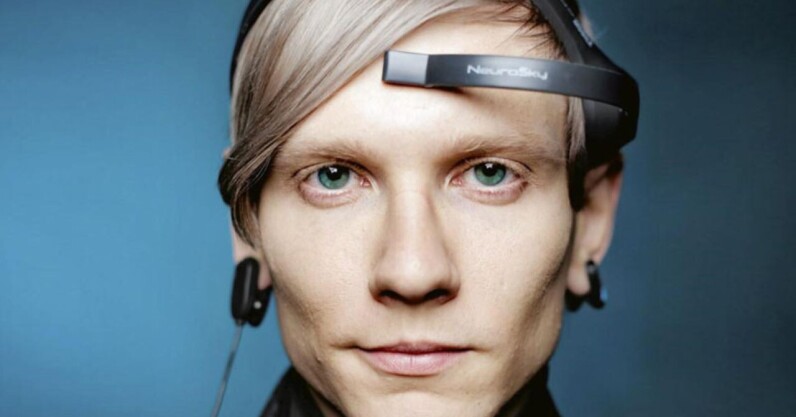
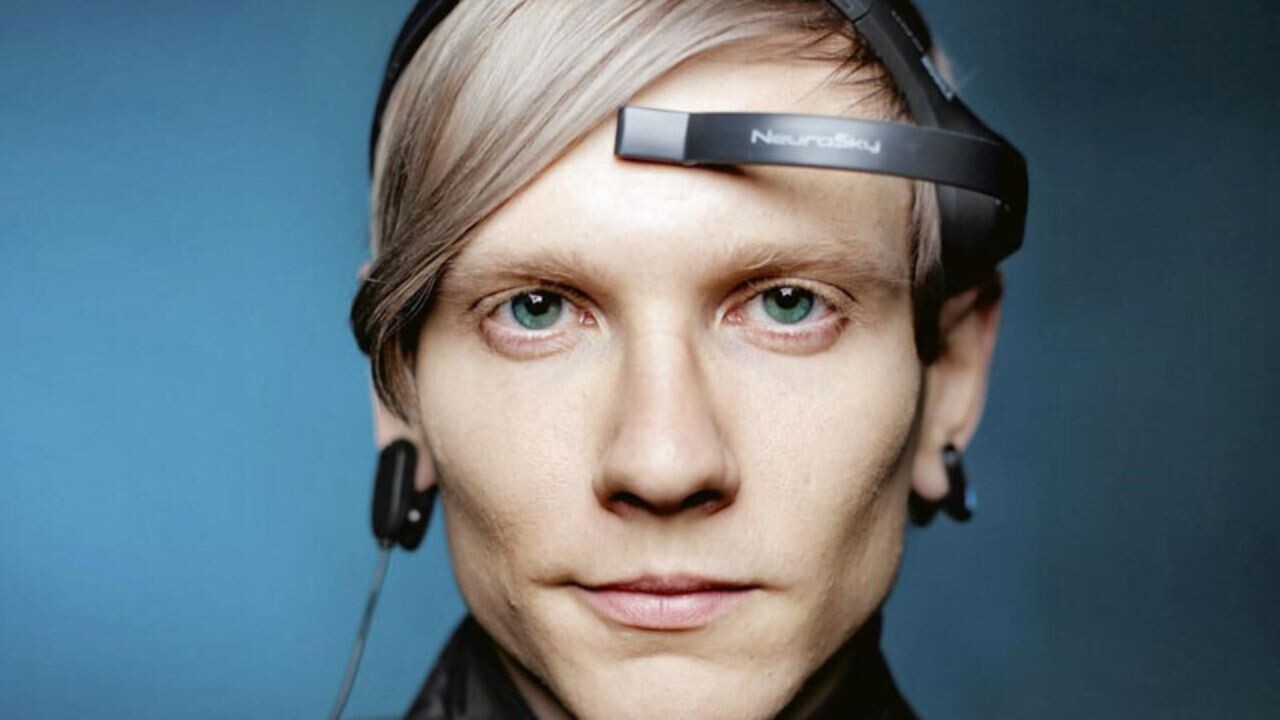
Arina is one of the world’s leading authorities on the movement. He co-authored the bestselling Biohacker’s Handbook and founded the Biohacker Summit — Europe’s leading conference for optimising human performance. He’s also the co-founder of Biohacker Center, an independent think tank that researches peak performance, health, and well-being.

Naturally, Arina meticulously biohacks himself. Initially, I imagined this would involve drilling brain chips into his skull. But biohacking is closer to DIY biology.

Arina’s website provides a more detailed description:

“Biohacking is the art and science of optimizing your body, mind, and performance with systems thinking, technology, and biology — in other words, better living through science.”

Arina entered the field after he was afflicted by a chronic illness. Biohacking provided a route to recovery. That led him to further optimise his health and performance with biological and technological tools.

Some of these tools are surprisingly accessible. Arina uses activity trackers to manage stress, a headset to measure brainwaves, a muscle scanner to guide fitness training, and a blue light device to synchronise his circadian rhythm.

At TNW Conference on June 16, Arina will unravel the next phase of biohacking — and how it can unlock human potential. He promises to share his pioneering techniques for enhancing physical and mental performance.

To my decrepit mind and body, that sounds like an unmissable offer. And just in case Arina wants to ramp it up, I’m bringing my brain and scalpel.

Teemu Arina’s biohacking tips are merely one attraction of TNW Conference. You can find more on the event agenda — and remember: for a 25% discount on business passes, use the promo code READ-TNW-25.

Get the TNW newsletter

Get the most important tech news in your inbox each week.

Also tagged with


Biohack me, baby: Why I can’t wait for Teemu Arina’s talk at TNW Conference Read More »

browning-bananas-under-threat-as-philippines-approves-gene-edited-version

Browning bananas under threat as Philippines approves gene-edited version

Browning bananas under threat as Philippines approves gene-edited version

Thomas Macaulay

Story by

Thomas Macaulay

Senior reporter

Thomas is a senior reporter at TNW. He covers European tech, with a focus on deeptech, startups, and government policy. Thomas is a senior reporter at TNW. He covers European tech, with a focus on deeptech, startups, and government policy.

Overripe bananas could soon become a mere memory — in the Philippines, at least.

Tropic Biosciences, a startup in the UK, has tapped gene editing to banish the browning fruit — and mitigate the havoc that it’s wreaking.

Currently, over 60% of exported bananas go to waste before reaching consumers. According to Tropic, the non-browning version could cut food waste and CO2 emissions in supply chains by over 25%.  In terms of CO2 reduction, the impact is comparable to taking 2m passenger vehicles off the road every year.

For the Philippines, there’s a more urgent appeal. The country is the top producer and exporter of bananas in Southeast Asia, but it’s being ravaged by a devastating plant disease. Known as Panama TR4, the disease threatens 80% of global banana production — and there’s no cure.

Tropic may have a solution: gene-editing bananas to make them disease-resistant. Unsurprisingly, the Philippine government has welcomed the prospect.

In a press release issued last month, Tropic announced that Filipino officials have given the green light to the non-browning bananas. Under the country’s newly-defined gene-editing rules, the product can now be freely imported and propagated.

“The Philippines government has implemented a science-based, transparent, and efficient process for assessing the safety of gene-edited plants,” said Dr Ofir Meir, Tropic’s Chief Technology Officer.

“This is exactly the type of system that encourages companies like Tropic to invest in innovative technologies to develop sustainable solutions for Filipino farmers.”

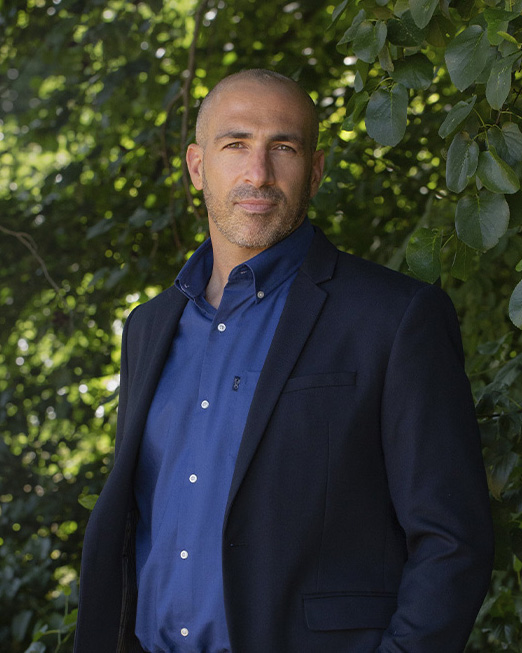
Ofir Meir
Meir previously served as R&D director of the crop protection division of Evogene, a computational biology company based in Israel.

For Tropic, bananas are just the start. Using gene-editing tools including CRISPR and the proprietary GEiGS system, the company can change the DNA of multiple organisms. As well as delaying ripening in bananas, the startup has already reduced caffeine in coffee and increased the yield in rice.

The benefits could be vast. Tropic promises higher output, expanded shelf-life, improved disease resistance, reduced waste, and lowered CO2 emissions. The company says it can also cut costs for growers.

Investors have clearly recognised the potential. Last year, Tropic raised $35 million in a fresh funding round. The cash injection followed a $28.5 million Series B raise in June 2020.

Naturally, that splurge isn’t solely motivated by altruism. Blue Horizon, which led last year’s round, estimates that the total market for Tropic’s produce is worth over $400 billion.

Get the TNW newsletter

Get the most important tech news in your inbox each week.

Also tagged with


Browning bananas under threat as Philippines approves gene-edited version Read More »

when-will-agi-arrive?-here’s-what-our-tech-lords-predict

When will AGI arrive? Here’s what our tech lords predict

When will AGI arrive? Here’s what our tech lords predict

Thomas Macaulay

Story by

Thomas Macaulay

Senior reporter

Thomas is a senior reporter at TNW. He covers European tech, with a focus on deeptech, startups, and government policy. Thomas is a senior reporter at TNW. He covers European tech, with a focus on deeptech, startups, and government policy.

Every tech baron worth their Patagonia vest is talking about AGI these days — albeit with mixed feelings. Some await our robot overlords with rapturous excitement; others anticipate a digital apocalypse.

The divergence stems from varied motivations: personal perspectives, vested interests, and the ambiguity of what exactly constitutes artificial general intelligence.

DeepMind CEO Demis Hassabis defines it as “human-level cognition” — and his opinion carries weight. Hassabis has made the London-based DeepMind one of the world’s leading AI labs, with building AGI as its core mission.

“The progress has been pretty incredible.

This week, the former chess prodigy and video game pioneer revealed his own expectations on AGI’s arrival.

“The progress in the last few years has been pretty incredible,” Hassabis said on Tuesday at the Wall Street Journal’s Future of Everything Festival. “I don’t see any reason why that progress is going to slow down. I think it may even accelerate. So I think we could be just a few years, maybe within a decade away.”

He’s left some wiggle room, yet clearly doesn’t consider AGI a distant prospect. But what about his fellow tech luminaries? Here’s what they predict.

Geoffrey Hinton — Turing Award-winner and ex-Googler

Geoffrey Hinton is so concerned about AI that he quit Google to warn about the field’s risks. In the wake of his departure, Hinton made a fresh prediction on when AI will surpass human intelligence. Ominously, the deep learning legend dramatically accelerated his original forecast of 30-50 years.

“I now predict five to 20 years but without much confidence,” he said on Twitter. “We live in very uncertain times. It’s possible that I am totally wrong about digital intelligence overtaking us. Nobody really knows which is why we should worry now.”

I now predict 5 to 20 years but without much confidence. We live in very uncertain times. It’s possible that I am totally wrong about digital intelligence overtaking us. Nobody really knows which is why we should worry now.

— Geoffrey Hinton (@geoffreyhinton) May 3, 2023

Ray Kurzweil — author, inventor, executive, and futurist

Ray Kurzweil, a fabled futurist, loves making predictions — and they’re admirably precise. At the 2017 SXSW Conference in Austin, Texas, Kurzweil gave a typically pinpoint prediction.

“By 2029, computers will have human-level intelligence,” he said. “That leads to computers having human intelligence, our putting them inside our brains, connecting them to the cloud, expanding who we are. Today, that’s not just a future scenario. It’s here, in part, and it’s going to accelerate.”

Ben Goertzel — CEO at SingularityNET and chief scientist at Hanson Robotics

A divisive figure in tech circles, Ben Goertzel helped popularise the term AGI. He’s also prone to bold pronouncements about technology’s future. At a conference in 2018, he added a couple more.

“I don’t think we need fundamentally new algorithms,” he said. “I think we do need to connect our algorithms in different ways than we do now. If I’m right, then we already have the core algorithms that we need… I believe we are less than ten years from creating human-level AI.

Before you flee to the bomb shelter, it’s worth noting that Goertzel isn’t the most sincere forecaster. “It will occur on December 8, 2026, which will be my 60th birthday,” he added. “I will delay it until then just to have a great birthday party.”

Goertzel (right) is best-known for co-creating Sophia the robot
Goertzel (right) is best-known for co-creating Sophia the robot. Credit: Web Summit

Jürgen Schmidhuber — co-founder of NNAISENSE and Director of IDSIA

Often described as the “father of AI,” Jürgen Schmidhuber is notorious for making outlandish claims.

When it comes to tech predictions, Schmidhuber is looking beyond AGI and towards “the singularity.” Broadly, this refers to a time when AI becomes so uncontrollably advanced that it irreversibly changes humanity. What could possibly go wrong?

“[The Singularity] is just 30 years away, if the trend doesn’t break, and there will be rather cheap computational devices that have as many connections as your brain but are much faster,” he told Futurism in 2018.

Yoshua Bengio — professor of computer science at the University of Montreal

Like his friend and fellow Turing Award-winner Yann LeCunn, Bengio prefers the term “human-level intelligence” to “AGI.” Regardless, he’s sceptical about predictions for its advent.

“I don’t think it’s plausible that we could really know when, how many years, how many decades, it will take to reach human-level AI,” Bengio told Professor Toshie Takahashi.

Herbert A. Simon — AI pioneer

A founding father of AI, Herbert A. Simon has the earliest forecast on our list. The Nobel Prize-winner once went so far as to estimate that AGI would arrive by 1985. In fairness, he did make that guess back in 1965. “Machines will be capable, within twenty years, of doing any work a man can do,” Simon said. 

Simon’s guess shows what a fickle game tech predictions can be. If you think you could do better, let us know via the usual channels — but do it soon, because the clock is ticking down quickly. Possibly.

Get the TNW newsletter

Get the most important tech news in your inbox each week.

Also tagged with


When will AGI arrive? Here’s what our tech lords predict Read More »

this-ai-powered-exoskeleton-does-the-heavy-lifting-so-you-don’t-have-to

This AI-powered exoskeleton does the heavy lifting so you don’t have to

This AI-powered exoskeleton does the heavy lifting so you don’t have to

Siôn Geschwindt

Story by

Siôn Geschwindt

Move over Tony Stark, there’s a new player in town. Augsburg-based startup German Bionic has developed wearable exoskeletons that endow superhuman strength — although they are a little more modest than Iron Man’s.

Founded in 2017, the startup is one of several companies around the world developing exoskeletons to make physically demanding jobs easier. Whether for warehouse staff, elderly care professionals, or construction workers, “everyone can benefit from a little added support,” Norma Steller, CPO at German Bionic, tells TNW. 

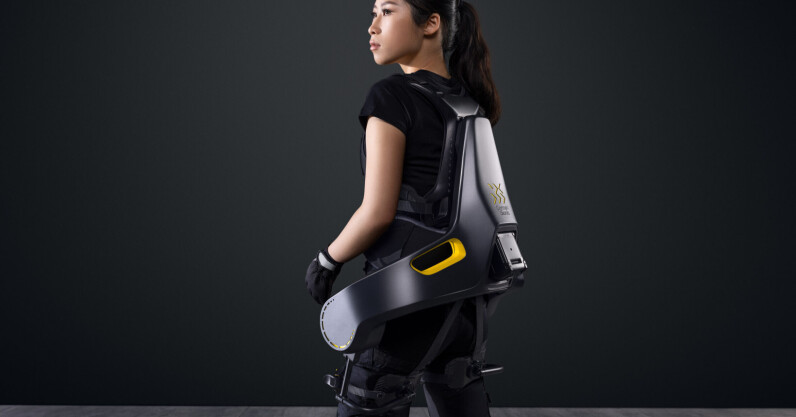
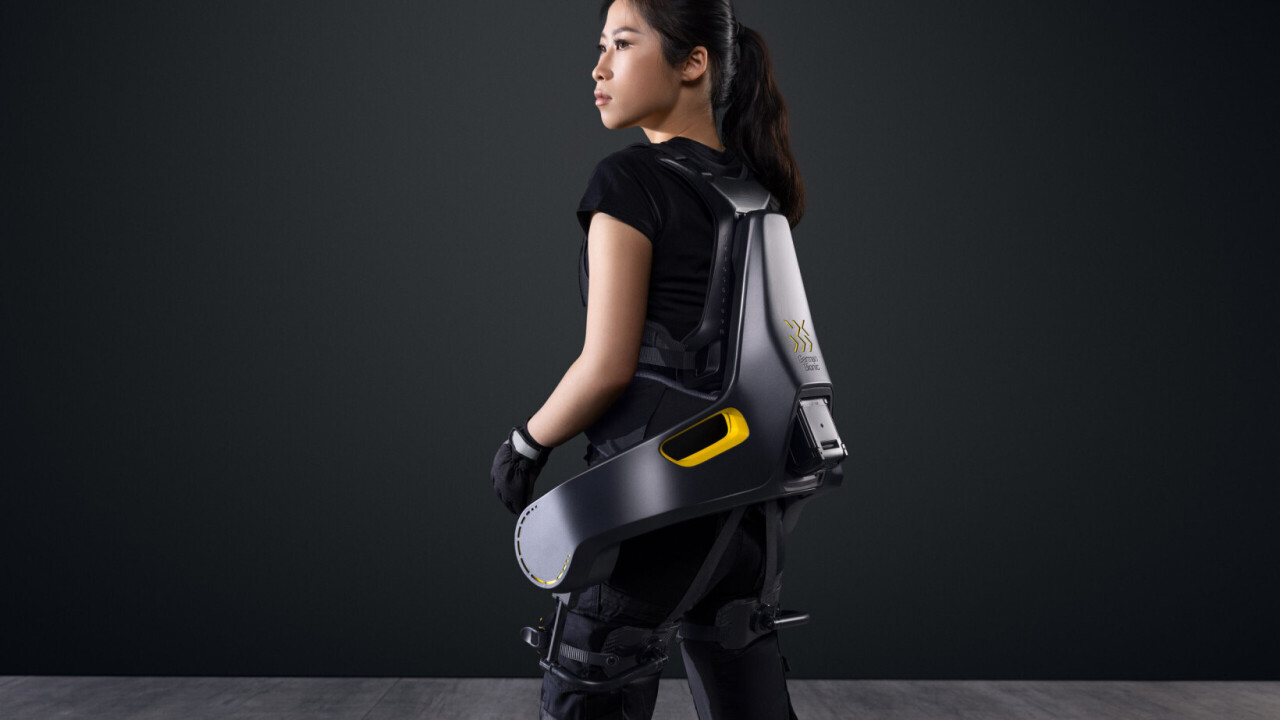
Germanic Bionic’s two commercially available exoskeletons — the Cray X and the recently launched Apogee (pictured) — are worn like a backpack. They are powered by electric motors, and sense when a user is moving, providing up to 30 kg of extra force to your back, core, and legs, when and where you need it.  

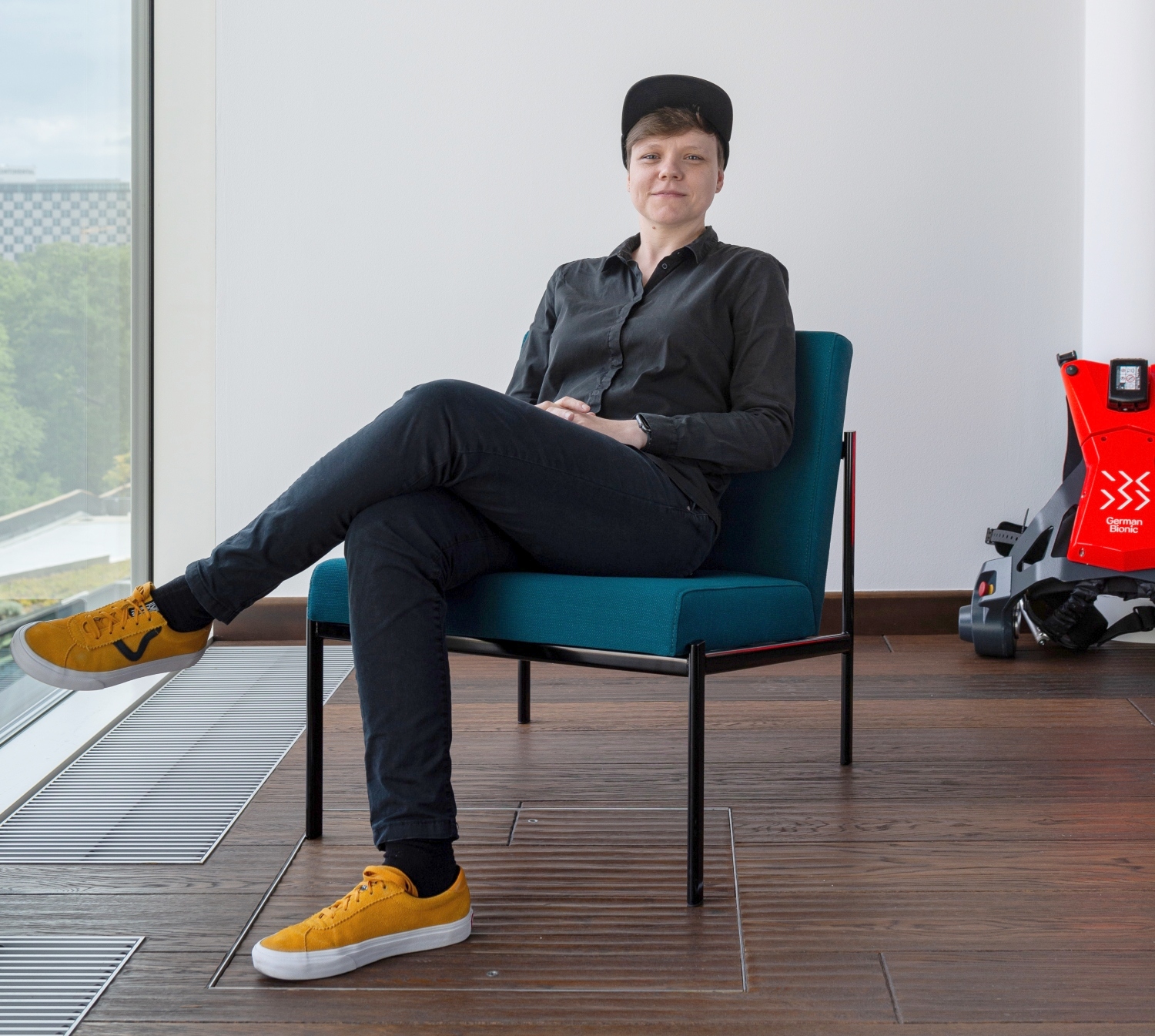
“When you put on the device it can feel strange and heavy at first,” says Steller — the exoskeletons themselves weigh around 7kg. “But once the motors kick in it feels amazing. You feel strong, tall, and capable — it gives you this kind of feeling,” she said.

norma-steller-german-bionic-CPO-exoskeleton
Norma Steller, CPO at German Bionic (supplied)

These are active exoskeletons: they use battery-powered motors and advanced control systems to enhance human strength, which differs from passive versions that provide purely mechanical support. While active systems are more complicated and expensive — $9,995 a pop for the latest Apogee model they provide additional support to the lower back, the part of the body that generally takes the most strain from heavy lifting, says Steller.

The units also collect data and alert users to behaviours that increase the risk of injury, such as excessive repetition and improper lifting or twisting movements. Powered by AI, the suits learn your unique individual movement patterns, “supporting you how you need to be supported,” says Steller.  

German Bionic has raised almost €45m in funding to date, more than any other European exoskeleton company. The startup predicts that the tech will be used for all manner of applications in just a few years’ time, and could even help the aged or disabled to regain mobility. The Cray X has already been trialled at a hospital in Berlin to help Sara Vaz Contreiraz, a nursing ward supervisor, in her physically intense work in the geriatric ward. “I’ve tried it and I must say I am extremely impressed,” she said.   

Sara Vaz Contreiraz, a nursing ward supervisor at the Charité Hospital in Berlin, helps an elderly woman stand using the Cray X exoskeleton. Credit: German Bionic.

There are an estimated 2.7 billion ‘deskless’ workers globally, with many working physically demanding jobs that put the body under serious strain and increase the risk of injury. A comprehensive EU-wide study found that three in five workers experience musculoskeletal disorders, the most common of which is back pain. 

The EU workforce is also ageing and grappling with labour shortages, meaning there are more older people in physically demanding jobs and fewer people overall to spread the load — literally. In response, companies are looking for new ways to do more with less and increase the well-being of their workers, with some turning to exoskeletons as a potential solution. But why don’t they just invest in robots instead?  

“10 years ago people believed that automation and robotics were a panacea for the labour crisis, but it hasn’t turned out that way,” Steller told TNW. “The reality is that automated solutions are still far more expensive than human labour, and are often inappropriate: most people would not want their elderly parent to be cared for by a robot or for a robot to replace a surgeon, for instance. These physically demanding jobs could, however, be assisted by robotic exoskeletons.”  

german-bionics-logistics-exoskeleton
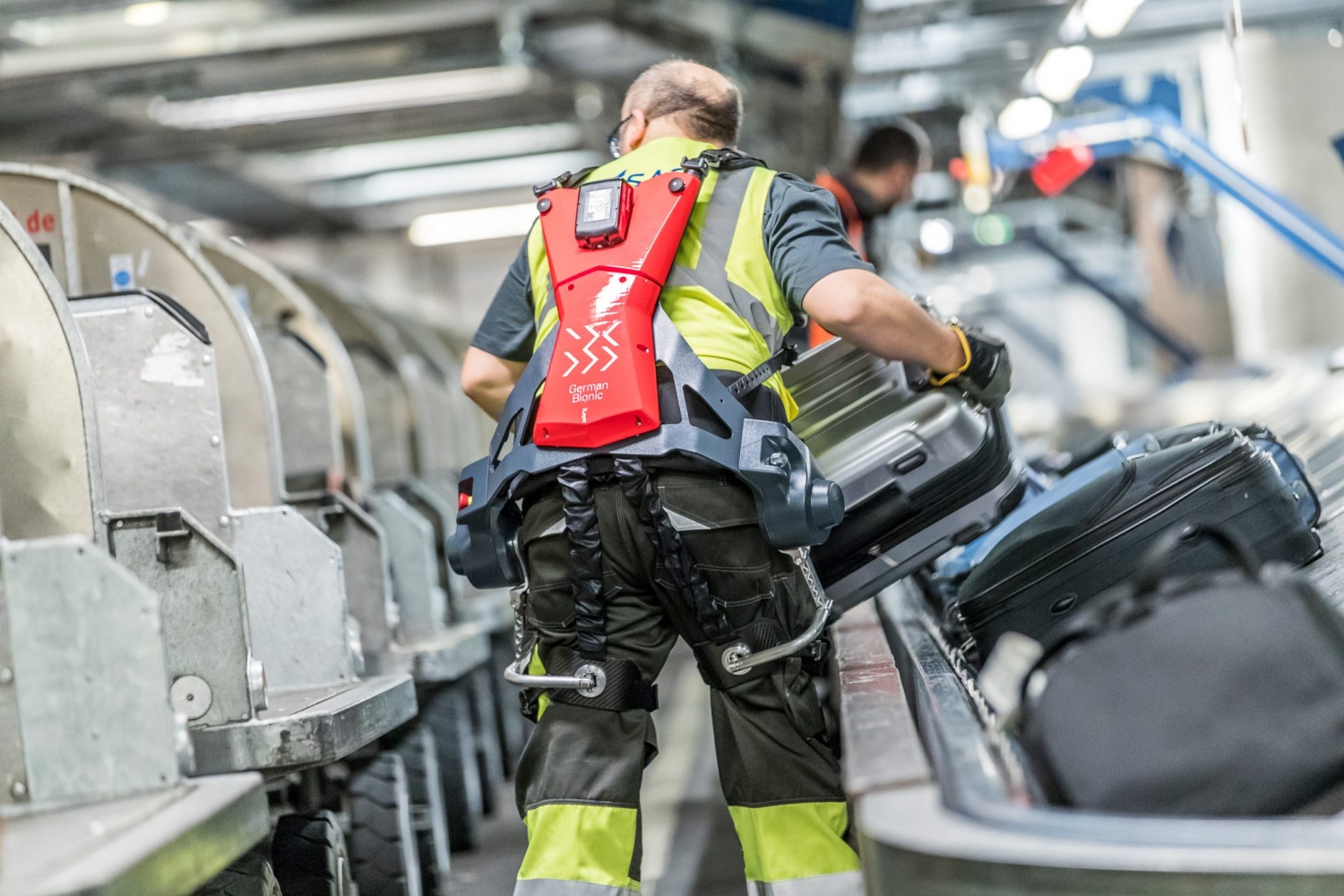
German Bionic’s Cray X in use at Stuttgart Airport, Germany (supplied).

Last year, UK tech retailer Currys invested over £250,000 in a fleet of German Bionic’s Cray X exoskeletons to assist warehouse workers, while in 2021, the UK’s National Health Service purchased 127 units of lower back exoskeletons to help nurses with patient care. German parcel delivery service DPD also uses the Cray X at some of its sites. 

“First and foremost, the exoskeletons serve to protect the health of our employees,” says Ville Heimgartner, senior innovation project and sustainability manager at DPD. By protecting their workforce and preventing injury, logistics companies are also expected to see long-term cost savings from reduced claims.  

In 2022, there were around 93,000 exoskeletons in use at workplaces across the world, and this number is expected to increase sevenfold by 2030. Despite currently high entry costs, the market is estimated to be growing at 41.3% a year, which will make it a nearly $2bn industry by 2025. By 2030, the revenue from sales of active exoskeletons is predicted to surpass $5bn, nearly twice as much as passive versions.

And there are an increasing number of companies cashing in on this emerging industry. US-based Ekso Bionics has developed an exoskeleton for construction workers focused on supporting the shoulders. French startup Wundercraft has developed a lower body exoskeleton to help patients recover from spinal cord injuries, and Spain’s Marsi Bionics has launched a gait exoskeleton for children with neuromuscular diseases.  

Get the TNW newsletter

Get the most important tech news in your inbox each week.

Also tagged with


This AI-powered exoskeleton does the heavy lifting so you don’t have to Read More »

europe’s-first-solar-panel-roof-covered-bike-lane-unveiled-in-germany

Europe’s first solar panel roof-covered bike lane unveiled in Germany

Europe’s first solar panel roof-covered bike lane unveiled in Germany

Linnea Ahlgren

Story by

Linnea Ahlgren

At the beginning of the year, news readers were treated to images of German police forcefully removing climate activists from the village of Lützerath to make way for an open-air coal mine. Indeed, Germany may have averted a looming energy crisis this past winter by upping its coal consumption.

While prioritising energy independence may have caused a detour from the transition to renewables, the country’s goal is to reach climate neutrality by 2045: five years ahead of the EU target. A small step on the way but a step nonetheless is Europe’s first solar panel roof-covered cycling path which opened this week in the city of Freiburg, about a two-hour drive south of Stuttgart.  

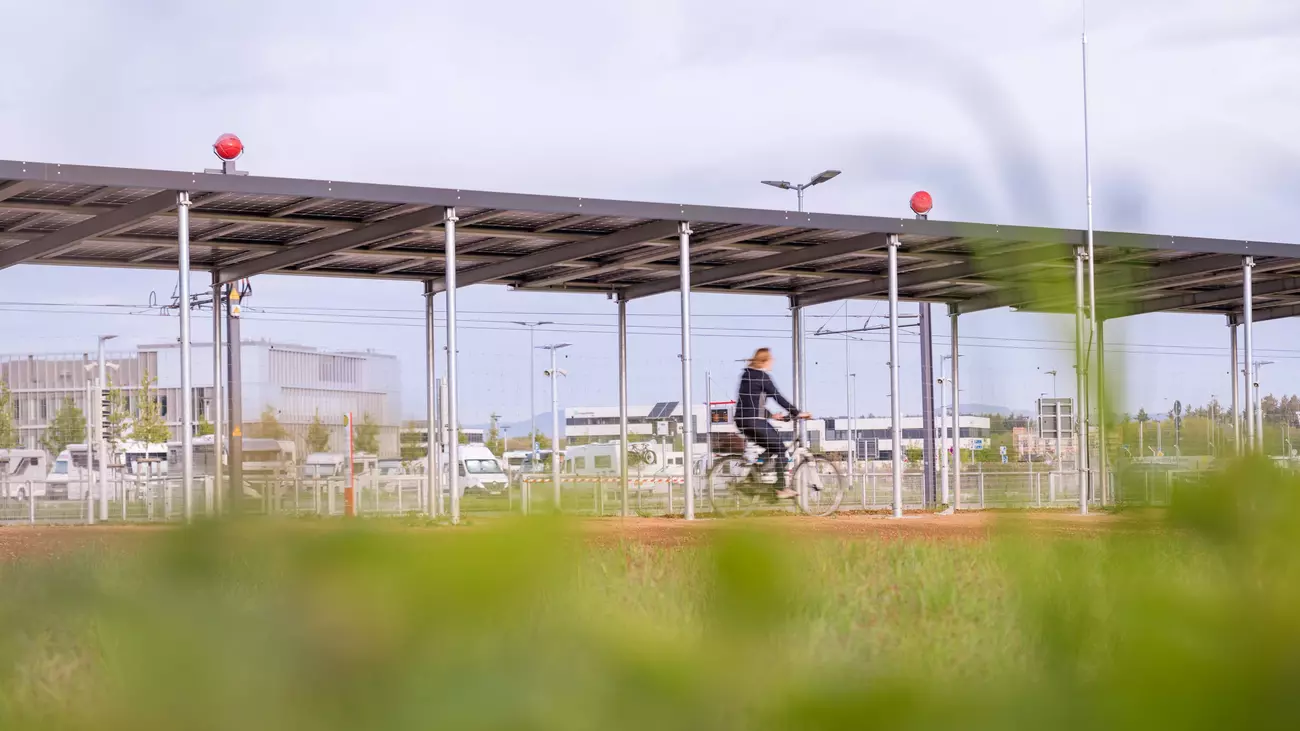
The photovoltaic (PV) pilot project consists of a 300-metre-long installation featuring over 900 translucent glass solar panels, and will generate around 280 MWh of solar power per year. Solarwatt, the producer of the panels covering the path, says they are particularly durable as the solar cells are enclosed on the front and back by robust glass panes. 

Existing infrastructure has increasing role to play

The cleantech company now has three decades of experience creating solar panels and currently employs over 800 people across Europe. In 2022, it acquired Utrecht-based battery-storage specialist REConvert for an undisclosed amount, establishing a Dutch subsidiary. 

Solarwatt’s CEO Detlef Neuhaus believes rethinking photovoltaics will be essential for Germany’s transition to clean energy, and sees an untapped potential in already existing infrastructure. 

“Already sealed areas such as parking lots, paths and roads are playing an increasingly important role,” Neuhaus said. “We are proud that we could contribute our part to the success of this innovative pilot project.”

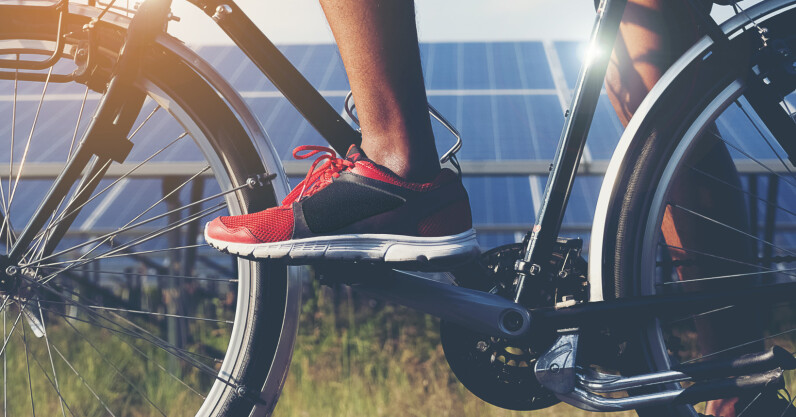
Woman riding bicycle under solar powered roof
Credit: Badenova AG & CO

The modules used in the bike lane project have general technical approval from the German Institute for Building Technology (DIBt). This means that they can be used without any restriction for both private and public projects, without the need for case-by-case testing. 

Solar-powered neighbour stadium

Meanwhile, the pilot bicycle lane is situated close to the SC Freiburg football stadium. The arena is already equipped with a 2.4MW solar panel roof, courtesy of around 6,000 heterojunction solar modules from Swiss manufacturer Meyer Burger.

This makes it the third-largest solar panel installation on any stadium in the world. (The largest belongs to Turkish Süper Lig football club Galatasaray’s home arena Nef Stadium, which comprises more than 10,000 panels.) 

The potential for much longer PV-roofed paths

This may be Europe’s first solar panel roof-covered bicycle path (excluding several projects where the path itself has been covered with PV panels). However, since 2014, South Korea boasts a 9 kmbicycle lane covered by a roof made of solar panels. 

This 4-metre wide lane runs in the middle of an eight-lane highway, and connects the cities of Daejeon and Sejong. Its 7,502 solar panels are capable of producing 2,200MWh per year – the equivalent of powering around 600 households, according to the country’s Ministry of Land, Infrastructure and Transport. Several other Korean cities have implemented the technology, but this remains the longest and most power-generating project to date.

Get the TNW newsletter

Get the most important tech news in your inbox each week.

Also tagged with


Europe’s first solar panel roof-covered bike lane unveiled in Germany Read More »

visually-stunning-adventure-‘hubris’-is-coming-to-psvr-2-soon,-promising-much-needed-improvements

Visually Stunning Adventure ‘Hubris’ is Coming to PSVR 2 Soon, Promising Much Needed Improvements

Cyborn is bringing Hubris (2022), the sci-fi adventure for PC VR headsets, to PSVR 2 this month, promising a host of improvements we hope will buff out more than a few dull spots in the otherwise visually impressive game.

There’s no precise release date yet; Cyborn says in a PS blog post that Hubris will land on PSVR 2 at some point in May, notably bringing along with it “enhanced graphics and gameplay.”

This includes foveated rendering for sharper resolution, haptics & adaptive triggers for swimming and shooting, revamped reloading and aiming, new enemy variations, refined difficulty levels, and 3D audio.

Many of the things above were sorely lacking from the game when we reviewed the game at launch in late 2022, cementing it as a visually stunning, but ultimately pretty flawed shooter from the get-go.

Some of those improvements will eventually be added to the PC VR version, but “probably not on the same day as the PS VR 2 release as it requires a lot more testing on different headsets when it is stable enough,” the studio says in the game’s official Discord. Cyborn has also confirmed Hubris will also launch on Quest 2 at some point, although the studio hasn’t mentioned specifics.

Visually Stunning Adventure ‘Hubris’ is Coming to PSVR 2 Soon, Promising Much Needed Improvements Read More »