Author name: Mike M.

europe’s-ports-are-using-tech-to-navigate-‘the-perfect-storm’

Europe’s ports are using tech to navigate ‘the perfect storm’

Cargo ports are vital transport hubs in the world economy. Around 90% of all globally traded goods by tonnage is transported by sea and in 2021, a whopping 3.5 billion tonnes of freight passed through EU ports alone.

Antwerp was the second-largest port in Europe — spreading across 120km² — before a merger with Bruges in 2022 created a combined port area of 160km² and the biggest chemical cluster on the continent. 

València’s expanding port is the largest on the European Mediterranean in terms of container traffic — and dates back to 1491. Its port authority, Valènciaport, is responsible for València, plus Gandía and Sagunto ports along the coast.  

Ahead of their talks at TNW València in March, we spoke to Erwin Verstraelen, Chief Digital and Innovation Officer at the Port of Antwerp-Bruges, and Juan Manuel Díez, Strategy and Innovation Director at the Port Authority of València, about how they are pursuing the newest advances in tech to transform their ports.

“Ports are not just logistics hubs, they’re also becoming the industrial and energy hubs for Europe as part of the European Green Deal, so we are in a complete transformation of our core activity and digital innovation plays a significant role in that,” Verstraelen told TNW. 

Díez has spent over 12 years working for the Port Authority of Valencia.
Verstraelen was appointed CDIO at Port of Antwerp-Bruges in 2017.

Ports ecosystems are facing what Verstaelen calls the “perfect storm” at the convergence of geopolitics, digitisation, mobility, sustainable growth, and the energy transition.

Zero-emissions

“We have a very ambitious goal: we want to be carbon neutral in 2030,” València’s Díez told TNW in his office overlooking the cargo terminals. “Already all the electricity that is consumed in the port comes from renewable sources — we buy it with this condition – but we have our own plans to produce electricity here in the port.”

València’s 300-plus annual days of sun will be put to good use, with the first of three solar plants in the port already launched. Gandía is on track to become the first energy self-sufficient European port, according to Díez.

“We have been thinking for many years now about installing windmills in our breakwaters but the technology wasn’t there,” said Díez. “Now it is advancing and we have plans for our own wind farm in the coming years.” 

JM Diez
Díez has spent over 12 years working for the Port Authority of Valencia.

The new cargo terminal in the port of València will be 98% electrified and the remaining 2% will use hydrogen, he added, making it “the most sustainable terminal in Southern Europe for sure.”

Getting to zero emissions means mobilising the whole port community. Valènciaport recently launched a pioneering project to test the use of green hydrogen for moving machinery inside the port, with an H2 storage tank and mobile hydrogen generator. The next stage will be to test hydrogen-powered prototypes of a container stacker and tractor.

Digital twins

Access to instant information is essential for ports. Both Antwerp-Bruges and València are investing in sophisticated “digital twins” of their port areas.

In València, the digital twin includes a Port Collaborative Decision Making (Port CdM) System, which could reduce a ship’s average call time by 10%. 

Part of digital twin Port of Antwerp-Bruges
The digital twin of the Port of Antwerp-Bruges is a virtual copy of the port area with real-time information.

“Arrivals in a port are not on a precise clock, but by having and using timely information, the port can prepare in advance, e.g. by letting a ship know there is no mooring available at that moment so it can slow its speed, use less fuel, and reduce emissions,” said Díez.

The Port of Antwerp-Bruges is one of the first in the world to have a digital twin of its territory, according to Verstraelen. 

“By equipping the entire port area with sensors, cameras, drones, we create a digital nervous system on top of the physical port,” he said. “And if you bring all these data feeds together in what we call a digital twin, the people responsible for safety and security will be positioned or alerted if something is taking place in the port the moment it happens and can act immediately upon it.” 

Sensors monitor the port’s air quality to detect not just CO2 and other gas emissions but also volatile organic compounds like benzene and toluene — vital intelligence considering the size of the Antwerp-Bruges chemical cluster.

LNG terminal from Fluxys in Zeebrugge Credit Port of Antwerp-Bruges
The Port of Antwerp-Bruges is home to Belgium’s sole terminal for liquefied natural gas (LNG). Credit: Port of Antwerp-Bruges

Once an air quality monitor triggers an alarm, different data sources offer information on wind speed and direction to indicate where an emission is coming from, and the location of ships in the port based on their automatic identification system (AIS) tracker. The data is then filtered to show tankers and turn cameras in the direction of the emission. 

“In real-time, you see that there is for example an illegal or an accidental degasification of a tanker ship taking place,” Verstraelen said.

By applying algorithms to AIS data, they not only create situational awareness but also prescriptive awareness about something that will need looking at from a safety, security, or operational perspective. 

The last step will be predicting what will happen a few hours ahead and acting on it in terms of allocating tugboats and pilots, knowing how the wind is going to change or if a storm is coming.

‘Outside-in’ innovation

All this innovation is a springboard for fresh ideas. As well as being an active member of Spain’s Ports 4.0 initiative with its €20 million equity fund, València has its own acceleration/incubation program, Opentop. The program, which works with startups focused on many aspects of port operations, will also be exhibiting in the València Ecosystem Pavilion at TNW València.

One of the young startups the port collaborates with is We Are Lab. The company has been developing ways to plant Posidonia, a Mediterranean seagrass that is tricky to grow but awesome for capturing CO2 from the ocean. Posidonia in the port breakwaters can be used to clean the surrounding sea.

Zeleros, the València-based Hyperloop scaleup, is also a partner, and currently trialling a test track in Sagunto to move cargo around the port in an emission-free way. 

Container terminal Valencia credit Valenciaport
A fourth container terminal is currently under construction in València. Credit: Valènciaport

Up north in Antwerp-Bruges, Verstraelen explains that when it comes to fostering innovation, he cultivates a “what if” mentality, opening up the port as an ecosystem for “outside-in” innovation.

“We decided to open up the port as an innovation platform, inviting promising technologies to come and demonstrate their added value, and allowing them to make themselves market-mature faster,” Verstraelen said. 

One of the noteworthy startups backed by Antwerp-Bruges in 2018 to work on barges is remote-piloting technology startup SEAFAR. The largest concentration of barges in Europe is in the Netherlands, Belgium, and Germany and they account for around 40% of all cargo passing through Antwerp-Bruges.

However, with older barge captains retiring and fewer new ones replacing them, the time was ripe for a big change. In light of these trends, the port went “all in” to enable the four-person startup to demonstrate that its tech could remote-pilot one of the port’s ships.

“As a consequence of that they got permission from the regional government to operate ships in a commercial way the year after,” said Verstraelen. “Today, SEAFAR is 30 people, there are barge owners building new ships to be remotely piloted, and they are sailing around commercial cargo with ships that are operated from more than 100 kilometres away.”

A remote pilot, who can handle three or four crafts at the same time, means a reduction in labour costs and more on-board cargo space as there’s no need for living quarters. 

Drones and spills

In terms of new tech, Antwerp-Bruges puts the emphasis on proof of value rather than proof of concept. Service drones are a good case in point as the size and complexity of the port makes it the perfect test ground. 

The idea to have multiple automated drones simultaneously airborne over the port, performing oil spill and litter detection, asset management inspection, and supporting police and fire brigades had been germinating since 2018. However, there was no existing legal framework and it was forbidden to operate automated drones beyond visual line of sight in a no-fly zone like a port.

By demonstrating proof of value and relevant use cases, the government agencies were finally able to okay them and develop legislation for their use in the port.

“We are the fifth largest bunkering [supplying fuel for ships] port on the planet and you can imagine that accidents do happen,” Verstraelen said. “It’s important once we spot an oil spill to see where it is floating and how big it is if we call in the specialised services to clean it up.” Thanks to drones, these teams know what they need to do and what kind of equipment they need before they leave.

The drones have cameras that supply live feeds to central control, and the port is also developing algorithms that can detect spills in the camera feed. “You don’t want a ship going through an oil spill, because then it becomes polluted and it takes the entire thing with it,” Verstraelen said. 
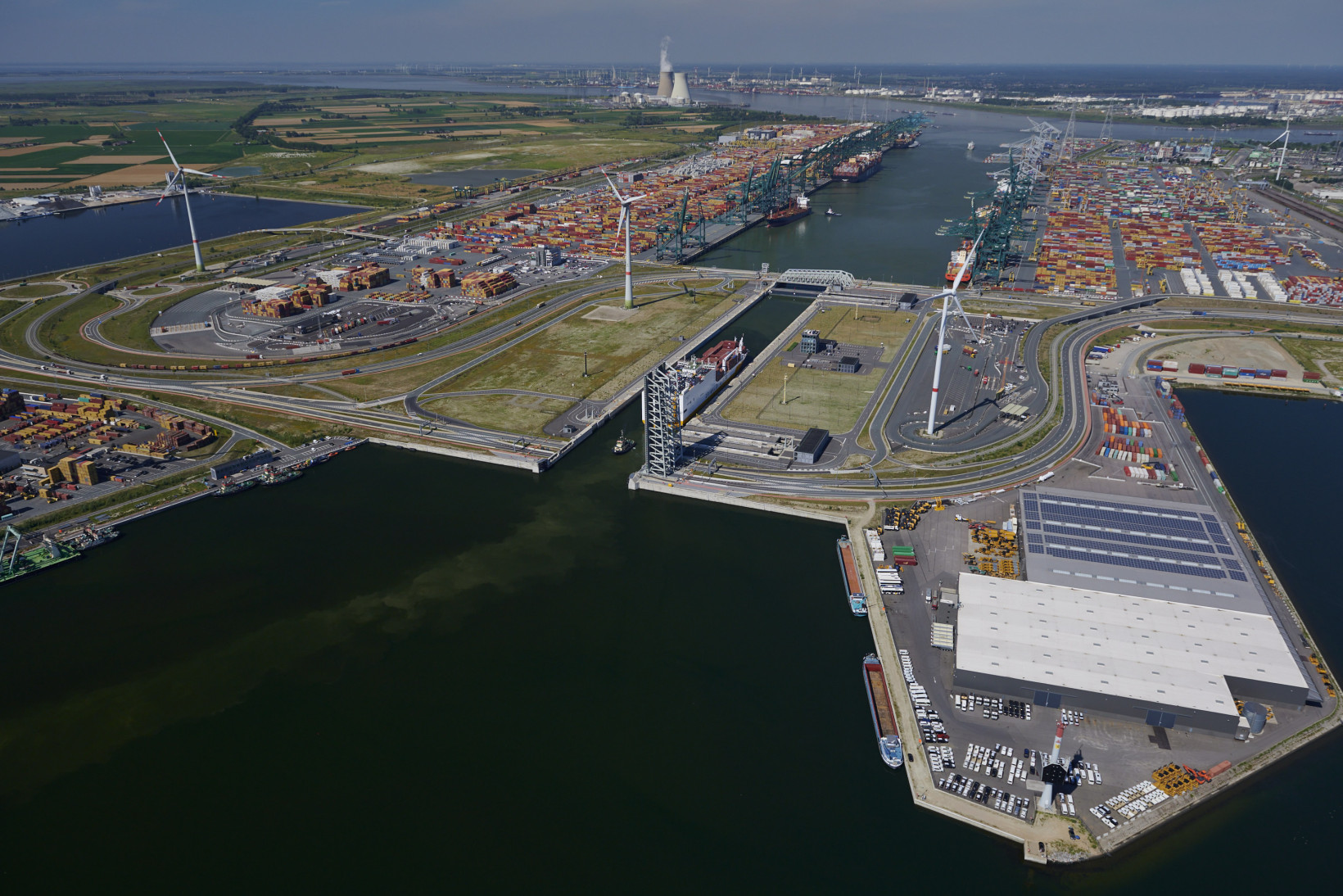
Aerial view of Kieldrecht lock & Deurganckdok (biggest container terminals) Antwerp Credit Port of Antwerp-Bruges
The Kieldrecht lock in the Port of Antwerp-Bruges is the largest lock in the world. Credit: Port of Antwerp-Bruges

Tech is evolving so fast that “the biggest mistake you can make is to say we tried it in the past and it didn’t work,” according to Verstraelen. “If something doesn’t work now, try it again in six months, 12, 18, and 24 months from now.”

He points to speech-to-text AI, which the port tried to use a few years ago to translate very high-frequency (VHF) radio communication between ships. The team hoped to mine the data for sentiment analysis indicating a potential conflict between captains, but the tech wasn’t ready for the task.

“We tried it a month ago, again, with the same sound file… and it was 95% spot on. So in less than two years, it went from completely useless to completely and utterly usable on a daily basis.”

Both ports reflect the leaps that authorities are making to modernise, tackle climate goals, and prepare their ports for the future.

Their efforts are already reaping impressive results. Verstraelen describes his port’s ecosystem as “the most impressive innovation breeding ground I’ve ever seen in my entire life.”

If you want to experience València and its ecosystem for yourself, we’ve got something special for our loyal readers. Use the promo code TNWVAL30 and get a 30% discount on your conference business pass for TNW València.

Europe’s ports are using tech to navigate ‘the perfect storm’ Read More »

vr-adventure-‘firmament’-releasing-march-18th,-from-studio-behind-‘myst’-&-‘riven’

VR Adventure ‘Firmament’ Releasing March 18th, From Studio Behind ‘Myst’ & ‘Riven’

Cyan, the studio behind iconic puzzle adventure games Myst (1993) and Riven (1997), garnered their fair share of success with their April 2019 Kickstarter campaign, which sought to bring to life their next VR-compatible title, Firmament. Now Cyan says the long-delayed game finally has a release date: March 18th.

According to a Kickstarter backer update, Firmament is now set to launch on March 18th, coming to PC VR headsets including Meta Rift and Rift S, HTC Vive, Valve Index, and Meta Quest headsets through Quest Link. A flatscreen mode is also available for play on MacOS and Windows.

The studio says it’s also set to target PSVR 2, PS4 and PS5 at some point “down the line.”

Two months ago the studio released an extended look at some of the game’s preproduction footage, which we’ve included below:

Once targeting a July 2020 launch, Firmament has slipped again and is now targeting a Q1 2023 launch date. Here’s that statement is full; we’ve also included a 9-minute look at the work-in-progress game, embedded below this update:

“As a result of discussions with key team member and staff, Cyan is making the important decision to move the launch of Firmament to Q1 2023. The game is very closed to complete, and the development is rapidly approaching its final phase.

To our Backers, Fans, and Friends, thank you for your continuing patience and support. Your enthusiasm and excitement lifts our spirits daily. We cannot wait to share launch day news with you in (early!) 2023.”

Original Article (July 13th, 2020): Firmament’s launch window seemed a bit tight from the onset, however from an experienced studio that had previously created its latest VR-compatible puzzle adventure game Obduction to both PC VR and PSVR, it seemed not all together impossible.

The reality of creating a game however is admittedly “often quite a bit messier,” the studio says in a recent Kickstarter update.

Here’s a bit of Cyan’s reasoning behind the delay, which is said to push the game’s release date possibly to 2022.

With that in mind, Firmament’s Estimated Delivery date of July 2020 was- as it turns out- a wildly optimistic one. We know some of you had your heart’s set on playing Firmament this summer, and we’re genuinely sorry that you’re not going to be able to play it yet! We’re really bummed about that too!

Although there is no Release Date to announce today, we can tell you a couple things with some level of certainty: Firmament is not coming in 2020. And unless the stars align (which we all know happens rarely in game development), it is unlikely that Firmament will be coming in 2021.

In the studio’s own defense, Cyan says it has “always been about shipping things when they’re ready to be shipped, not picking a date and then trying to shoehorn the game into the box in an artificially limited amount of time.”

Firmament is said to be “something bigger than a studio [of Cyan’s] size would ordinarily be able to produce,” and that it will include a “richer and more substantial story” than was previously planned.

Whatever you thought of Obduction (and its initially uneasy technical performance on both PC VR headsets and PSVR) Cyan has a good track record of delivering, leaving the only real concern to when Firmament will arrive, and not if.

Food for thought: a prospective 2022 release of Firmament is slated to happen well within the lifecycle of next-gen consoles and PC hardware—and possibly VR hardware as well—so there’s no telling what technical advances the studio will need to adopt along the way if it’s looking to significantly lengthen the development roadmap. I guess we’ll see in a few years. As it is, Firmament is targeting PC, SteamVR headsets, macOS, and PS4 & PSVR.

VR Adventure ‘Firmament’ Releasing March 18th, From Studio Behind ‘Myst’ & ‘Riven’ Read More »

‘war-thunder’-studio-announces-psvr-2-combat-flight-sim-‘aces-of-thunder’,-trailer-here

‘War Thunder’ Studio Announces PSVR 2 Combat Flight Sim ‘Aces of Thunder’, Trailer Here

Gaijin Entertainment, the studio behind combat simulator War Thunder, announced a new flight sim coming to PSVR 2 called Aces of Thunder.

The online game is said to focus on World War II planes, such as the American fighter P-51 Mustang and British Spitfire, however future add-ons are planned to bring combat aircraft from other eras, Gaijin says.

It’s said to feature competitive online battles including modes like team versus team, single duels, and modes with custom settings.

The game is also set to include “[p]hysically accurate flight and damage models, derived from the leading War Thunder military action simulation game, [to] further enhance the believability of Aces of Thunder,” the studio says in a press statement.

Quite unlike the free-to-play War Thunder, the studio’s upcoming VR aerial dogfighter is set be distributed on a paid model.

“All aircraft that would be a part of this game or its future add-ons will be available immediately upon purchase, and the players will be able to apply cosmetic items to customize their planes,” the studio says in a press statement.

The VR game is said to be made “specifically with capabilities of PlayStation VR2 in mind.” While Gaijin hasn’t mentioned other platforms, it’s only advertising PSVR 2 support on the game’s website.

Gaijin is developing Aces of Thunder with a new in-house team whose members have experience working on War Thunder, the studio says.

There’s no release date yet, so we’ll be keeping our eyes peeled on the game’s website and social in the meantime.

‘War Thunder’ Studio Announces PSVR 2 Combat Flight Sim ‘Aces of Thunder’, Trailer Here Read More »

flipside-xr-launches-free-vr-app-flipside-studio-for-animated-content

Flipside XR Launches Free VR App Flipside Studio for Animated Content

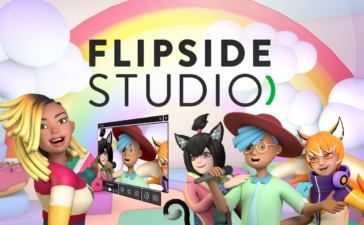
Virtual reality company Flipside XR has launched a new app designed for creators called Flipside Studio. Launched on March 2 with support from Meta, the VR app enables users to build animated content in real time, using advanced virtual production tools. Finished projects can be uploaded and shared on YouTube, TikTok, Twitch, and other social media platforms.

Flipside Studio virtual reality app

The VR app is part of Flipside XR’s goal to impact the entertainment industry using virtual and augmented reality.

A VR App to Empower Creators

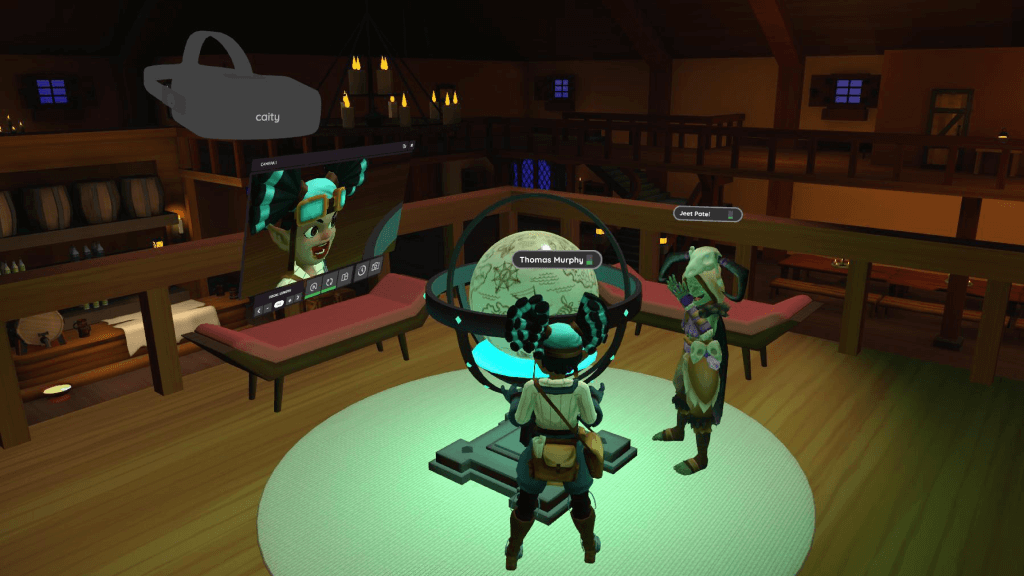
In creating Flipside Studio, Flipside XR aims to encourage video content creators to harness virtual reality for creative expression. The app contains a number of tools and features that allow users to produce engaging, high-quality videos powered by VR.

With almost 100 video tools available, content creators will find that making videos has become more fun and more imaginative. The app works with Meta Quest 2 and Rift/Rift S VR headsets for motion capture technology, so animation production is easier.

In the press release shared with ARPost, Flipside XR CEO and co-founder Lesley Klassen emphasized the potential for users. “Creators can easily produce innovative, professional animated content that can be monetized across their social media channels offering endless opportunities to share original, engaging content with their audiences,” Klassen said. In addition, he noted the wide variety of added features since the early access version of the app, allowing users to create animated content more efficiently with VR.

And perhaps the best part of Flipside Studio? The app is available on the Meta Quest Store for free, so anyone can try it out and discover or unleash their inner animator.

Features That Bring Creative Ideas to Life

From amateurs to professionals, video creators will find Flipside Studio’s tools easy to use. It’s packed with features that will bring to life their most creative stories. Flipside XR aims to drive VR technology to the mainstream of arts and creativity. Thus, this new VR app is a step closer to their vision of accessible VR technology to everyone.

Some of the notable features of the Flipside Studio app include:

  • Sets and props – The VR app has a wide selection of sets to choose from, plus hundreds of props.
  • Character customization – The virtual reality app is integrated with Ready Player Me, so users can customize their own characters. Meanwhile, those without Ready Player Me access can use available in-app characters.
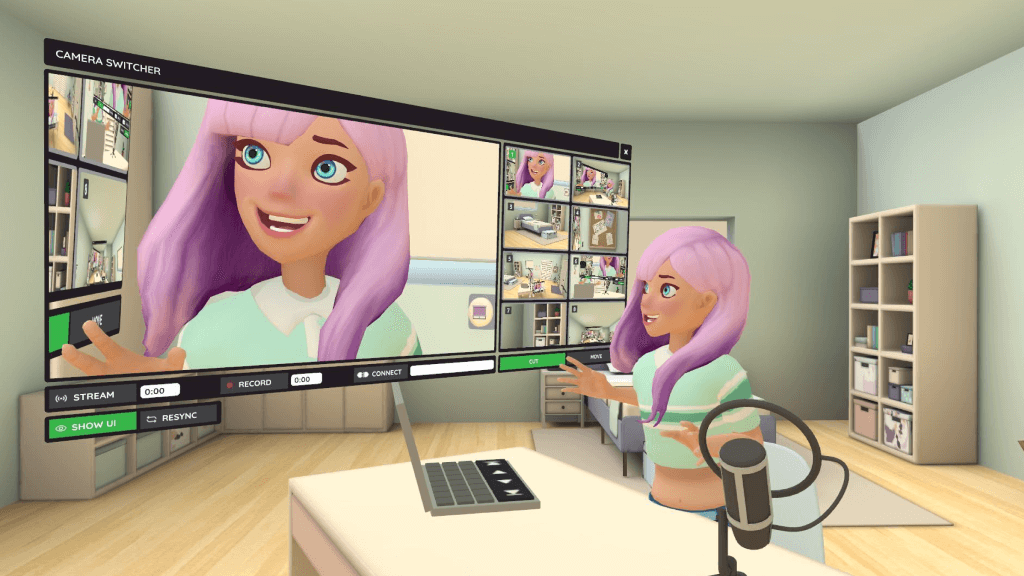
  • Production tools – Take advantage of multiple professional production tools like virtual cameras, lights, and teleprompters. Users can adjust and manipulate cameras as in real life, with a variety of camera angles and speeds.
  • Collaboration tools – Users can share the fun of video production with other creators using Flipside’s collaboration features. Creators can work on one virtual set, whether they’re doing a solo project or working with two or more people.
  • Live-streaming and recording capabilities – Share animated content via live-streaming on major social media platforms; users can also record and upload it on their channel at a more convenient time.
  • Advanced Flipside creator tools – Fully customized sets, props, and characters are possible with Flipside’s advanced creator tools through its Unity plug-in.

Virtual reality app Flipside Studio

After six years in development and thousands of beta testers, Flipside Studio is finally available for those looking for a way to upgrade their animated content production.

Leveling Up Entertainment With Flipside Studio’s VR Technology

In recent months, creators like comedians Jordan Cerminara and Rodney Ramsey have used Flipside to add value to their content. No longer confined to gaming, AR/VR in entertainment is unlocking creative ideas in the creator economy.

The release of the Flipside Studio app coincides with the growth of the creator economy, estimated by experts to reach more than $100 billion. With the tools provided by the app, creators can elevate their content using VR for more immersive and engaging experiences.

Flipside XR Launches Free VR App Flipside Studio for Animated Content Read More »

lark-optics-is-targeting-your-retinas-for-ar-without-nausea-and-other-sickness

Lark Optics is targeting your retinas for AR without nausea and other sickness

This story is syndicated from the premium edition of PreSeed Now, a newsletter that digs into the product, market, and founder story of UK-founded startups so you can understand how they fit into what’s happening in the wider world and startup ecosystem.

Whether you believe it’s the future of everything, or just a useful tool that will be part of the mix of tech we regularly use a few years from now, augmented reality is a rapidly developing field with one major drawback – like VR, it can leave you feeling sick.

For example, US soldiers who tried Microsoft’s HoloLens goggles last year suffered “‘mission-affecting physical impairments’ including headaches, eyestrain and nausea,” Bloomberg reported.

While the technology could “bring net economic benefits of $1.5 trillion by 2030” according to PwC, this sickness is a massive inhibitor to the growth of AR and VR.

One startup looking to tackle the problem is Cambridge-based Lark Optics, which has developed a way of bypassing the issues that cause these problems.

“In the real world, we perceive depth by our eyes rotating and focusing. Two different cues need to work in harmony. However, in all existing AR glasses, these cues fundamentally mismatch,” explains Lark Optics CEO Pawan Shrestha.

Having to focus on a ‘virtual screen’ on augmented reality glasses, means users have to switch focus between the real world and the augmented one. This depth mismatch causes physical discomfort and conditions like nausea, dizziness, eyestrain, and headaches.

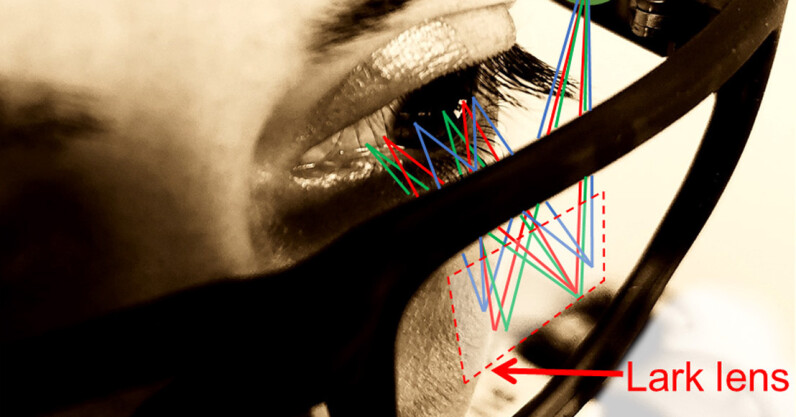
What Lark Optics does differently, Shrestha says, is it projects the augmented reality image onto the user’s retina. This means the AR is always in focus no matter what your eyes do to adjust to the real world around you.

So far the startup has developed a proof of concept and is now iterating to refine its demonstrator model. Shrestha says they conducted two successful user studies with their proof of concept; one in their own lab and another with an external partner he prefers not to name.

When the tech is ready, they want to use a fabless model for producing the components they design, which they will then sell to original equipment manufacturers who make AR headsets.

Given they’re addressing such a fundamental challenge to the mass adoption of AR, it’s unsurprising that other companies are tackling it in other ways (more on that below). But Shrestha says his startup’s approach is the most efficient in terms of processing power and battery power, and doesn’t affect the user’s field of vision.

Shrestha grew up in rural Nepal (“really rural… I was nearly nine years old before I saw electric lights”). He says his parents’ enthusiasm for his education eventually led him to New Zealand where he obtained a masters degree in Electronics Engineering from the University of Waikato.

Keen to develop technology he could commercialise, he says he developed an interferometer. While that venture didn’t work out, his work led him on to a PhD from the University of Cambridge, where he spotted the commercial potential of a new approach to AR displays.

“It was scientifically challenging, but  it was also something that could touch the lives of many, many people,” he says.

Shrestha co-founded Lark Optics (which was previously known as AR-X Photonics) with his friend Xin Chang, and Daping Chu who previously oversaw the PhD work of Shrestha and Chang. The trio have been working together for around a decade but only got started with Lark Optics in earnest last year,

Shrestha says this week they have been joined by a new recruit, Andreas Georgiou, who previously worked at Microsoft as a principal researcher in the field of optical engineering.

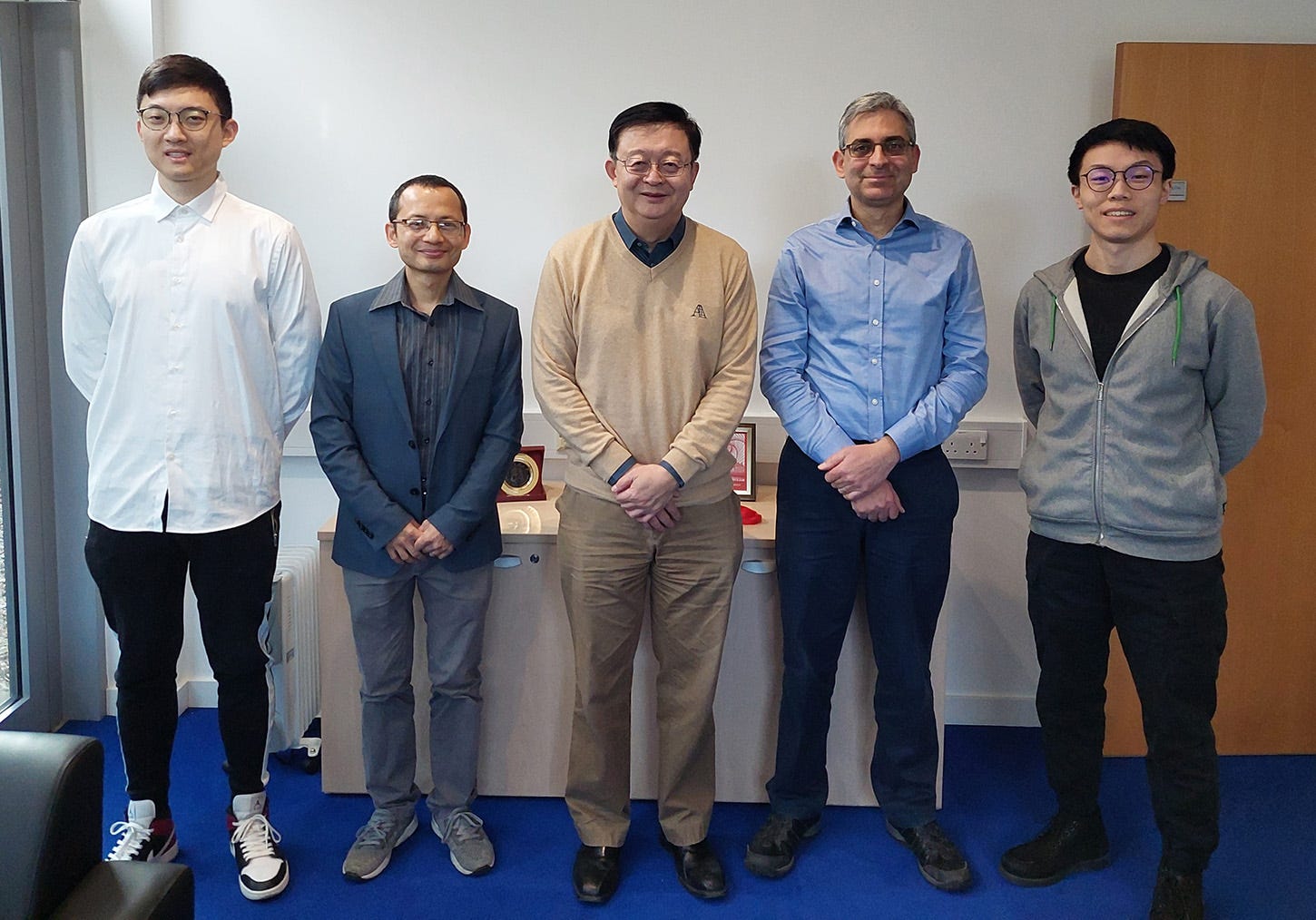
The Lark Optics team (L-R): Weijie Wu, Dr Pawan Kumar Shrestha, Professor Daping Chu, Dr Andreas Georgiou, Dr Xin Chang

Perhaps unsurprisingly, Shrestha says being based in Cambridge is a big benefit to them, with a community of experienced advisers around them, and access to relevant investors. He is particularly inspired by the progress made by Micro LED tech startup Porotech, which has raised a total of $26.1 million to date.

And Shrestha has warm words for the Royal Academy of Engineering’s Enterprise Fellowship, of which he is a part. This provides up to £75,000 in equity-free funding to cover salary and business costs, along with mentoring, training and coaching. This was what allowed him to get started on developing Lark Optics as a business.

Lark Optics itself raised a pre-seed round of £210,000 in October last year, Shrestha says, and will be raising a seed round in Q2 this year.

As mentioned above, others are tackling the problem of AR sickness in different ways. LetinAR uses a ‘pin mirror’ method, Kura Technologies has developed a ‘structured geometric waveguide eyepiece’, while VividQ “compute[s] holograms in real-time on low power devices and integrate[s] them with off-the-shelf display hardware.” 

Another company, SeeReal develops holography-based solutions to address depth issues in 3D displays.

But Shrestha says these rival technologies either require a very high level of data throughput, with a related computational and battery power overhead, or require very high resolution displays. And while some techniques decouple the AR display from the real world like Lark Optics does, Shrestha says they are “like looking through a chicken fence.

“We solved the problem without getting a significant penalty on processing power or battery power, or artefacts. So that’s why I think our approach is the best.”

Lark Optics’ ambition is to become established as the best optics for AR, VR, and mixed reality glasses.

“We want to realise the full potential of AR and VR. Now we have AR and VR you can wear for 20 minutes or 30 minutes. We want to make it feel as natural to look at real objects, VR ,or AR, and allow people to use it for all-day, everyday use.”

Shrestha sees the biggest challenge to achieving this is being able to recruit the right people in what is quite a specialised field. But he’s optimistic that attracting just one or two high-level people will end up attracting more, and the endorsement of a good seed round raise in the coming months won’t hurt either.

AR, VR, and MR has been massively hyped in recent years but there have been questions over how much of a future it has. Investor disquiet over Meta’s huge spending in the ‘metaverse’ space, and Microsoft’s job cuts in its HoloLens division as it struggles to turn it into a viable business, show that there’s no straight line from here to a future where this tech is widely used.

But that said, the current jitters of the public markets over stock prices and tech company spending isn’t an end for AR, VR, and MR at all. Apple’s first headset is on the horizon, which will no doubt spin up another wave of interest in the space (although the latest report says it’s been delayed two months, until June). 

If technology like Lark Optics’ can help prepare AR, VR, and MR for the mainstream, the startup could be well positioned to reap the rewards.

The article you just read is from the premium edition of PreSeed Now. This is a newsletter that digs into the product, market, and story of startups that were founded in the UK. The goal is to help you understand how these businesses fit into what’s happening in the wider world and startup ecosystem.

Lark Optics is targeting your retinas for AR without nausea and other sickness Read More »
5-things-founders-want-you-to-know-about-the-dutch-tech-scene-this-women’s-day

5 things founders want you to know about the Dutch tech scene this Women’s Day

Women’s Day is a day when we celebrate the achievements of the amazing women founders, developers, and VCs that are bringing innovation and disruption to the Dutch tech ecosystem.

But it should also be a day when we confront the barriers and challenges women continue to face. The fact that International Women’s Day still exists is both a sign of progress but also a sign that, in our society, inequality is endemic and not always clearly visible on the surface. The ultimate goal will be when everyday is ‘Women’s Day.’

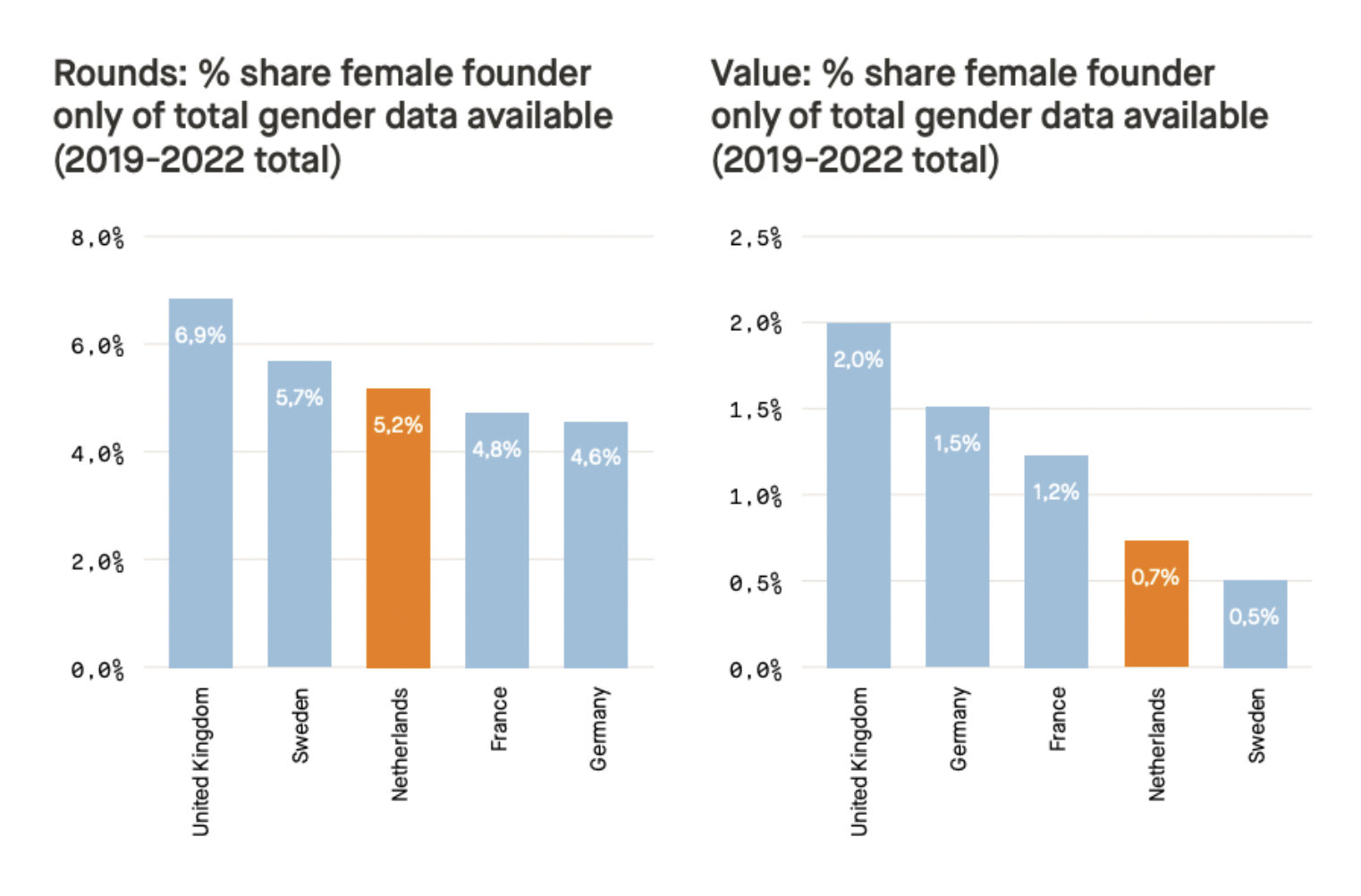
Although we’ve made progress and we should celebrate that, the truth is that we’re still far from reaching this point. According to Techleap.nl’s State of Dutch Tech Report 2023, women-led startups account for only 5.2% of all VC deals and just 0.7% of funding raised.

Stats on funding received by women-led startups in Europe
Image from Techleap.nl’s State of Dutch Tech Report 2023

An important point that we need to bring home is that ‘women’ is an extremely broad term that doesn’t take into account the intersectionality and thereby diverse experiences women in the tech industry face when launching and growing a business.

One example of this is the fact that the Netherlands has little to no data on women of colour founders, from how many are represented in the ecosystem to how much funding they receive.

As we’ve covered in the past, Europe and the Netherlands’ diversity gap is largely hidden due to a lack of data. And this problem is particularly acute in a country which is trying to attract a large amount of tech talent from abroad. As a Black Latinx female founder, Christina Caljé told TNW she sees Europe, and the Netherlands in particular, as being “five to 10 years behind” the USA in the ethnic diversity conversation, in part because of the lack of data.

There’s not really a conversation yet from a professional perspective [on ethnicity]. When you talk to the stakeholders who would be well-positioned to try to lead, launch, or fund programmes, you always get down to this issue: ‘Well, is it really a problem here in the Netherlands? We don’t really have the data around it, so we can’t really diagnose this as an actual problem to address.’

That’s why this Women’s Day we want to focus on women of colour who’ve built successful tech businesses in the Netherlands. We want to celebrate their achievements, share their words of wisdom, and, most of all, hear from them about what they think needs to change to clear the path for the next generation of founders.

1. “The ‘typical’ investor often can’t relate to us” — Micky Chen

Micky Chen, CEO of Minite

Many students struggle with the same issue: do I get a job as a barista and earn some extra cash or spend time on an unpaid internship and gain experience (while living off microwave pizzas)?

Micky Chen and her sister Linky realised there’s really no need to go for one or the other. There are plenty of early-stage startups out there that need the muscle, but don’t have the cash to hire full time employees. Meanwhile, there are plenty of students out there who want to try out different careers and meet potential employers, while still getting paid for their work. From this realisation, the sisters launched Minite in 2020. The platform connects companies to top students available to work on projects at hourly freelance rates.

Minite was bootstrapped for the first 1.5 years and managed to grow at an impressive 25-35% month over month. In January 2022, they launched their first funding round and have since secured 300k in investment.

Yet, while they had a number of enthusiastic investors approach them, they also experienced their share of bias with one VC telling Chen outright that having a man on their founding team would help them attract investment. For her, the biggest barrier facing women of colour founders is:

The lack of diversity among investors. The ‘typical’ investor often can’t relate to us, because we don’t look like them. Many people invest in those that they identify with. Investing in people of colour is in fact a great business opportunity. We often literally come from far, and have overcome a mountain of challenges before having embarked on our entrepreneurial journeys. We’re incredibly resilient and have unique perspectives and experiences, and that makes us strong, driven entrepreneurs.

My sister (also my co-founder) and I know how to execute and are proud of everything we have achieved with Minite — yet, we too have faced our fair share of investor biases. It’s important to work towards creating a more equitable and supportive ecosystem that provides all entrepreneurs with the resources and opportunities they need to succeed.

What’s one piece of advice Chen would like to share with would-be founders?

Find your why! That means understanding the core values and beliefs that drive you as a person and how you want to apply them to your business. Identify the problem you want to solve and the positive impact you want to have. How can you make a difference through your business?

If you find your why, everything else will fall into place. Whenever I’m having a bad day, I remind myself of my why. And that is to help the next generation prepare for their future, and provide them with the opportunities I lacked as a student myself.

2. “I’m always in a room with Dutch men in their late 30s that only invested in/worked with companies founded by other Dutch men in their 30s” — Layla Li

Layla Li, CEO of KOSA

As AI becomes a key technology underpinning everything from the way we’re hired to the way we’re screened for health issues, failing to identify and mitigate bias could have deep societal impacts. KOSA is helping arm companies with the tools they need to introduce responsible AI principles.

After having worked in a number of large corporates, including Philipps and Tesla, across a number of countries (Japan, the US, Kenya, and the Netherlands), tech inclusion and the challenge that the advent of new AI tools bring to this complicated issue became a passion for Layla Li.

She and co-founder Sonali Sanghrajka founded KOSA in 2020, in the midst of the pandemic, growing a remote team that spans across The Netherlands, Kenya, India, Ethiopia, North Macedonia, and South Korea. With diversity already deeply embedded in her company’s DNA, for Li, the lack of women of colour in the Dutch tech industry has been stark to say the least:

I have yet to meet a woman of colour in leadership positions across the Dutch tech ecosystems, maybe a couple of startup founders, but more often than not, I’m in a room of Dutch men in their late 30s that only invested in/worked with companies founded by other Dutch men in their 30s. We need more female decision-makers that will understand the issues other female entrepreneurs are facing and solving.

On top of often being the outsider in the room, Li and her team still face the challenge of convincing investors of the extreme importance of AI responsibility. In an interview with TechCrunch, Eghosa Omoigui, founder of EchoVC Partners shared that when leading an investment round for the company:

Quite a few investors that we spoke to about the opportunity felt very strongly that AI bias wasn’t a thing or that a ‘woke product’ wouldn’t have product-market fit, which is surprising, to say the least.

But these barriers won’t faze Li’s drive to bring ethical AI standards to the tech world.

“Very rarely will people tell you that you’re doing a good job once you become an entrepreneur, you’re just faced with new challenges day after day, you have to motivate yourself and everyone else around you, so work on something you’re truly passionate about, otherwise it’s hard to keep at it,” Li told TNW.

3. “Female entrepreneurs of colour are at a greater risk of having their ideas replicated without consent” — Iffat Rose Gill

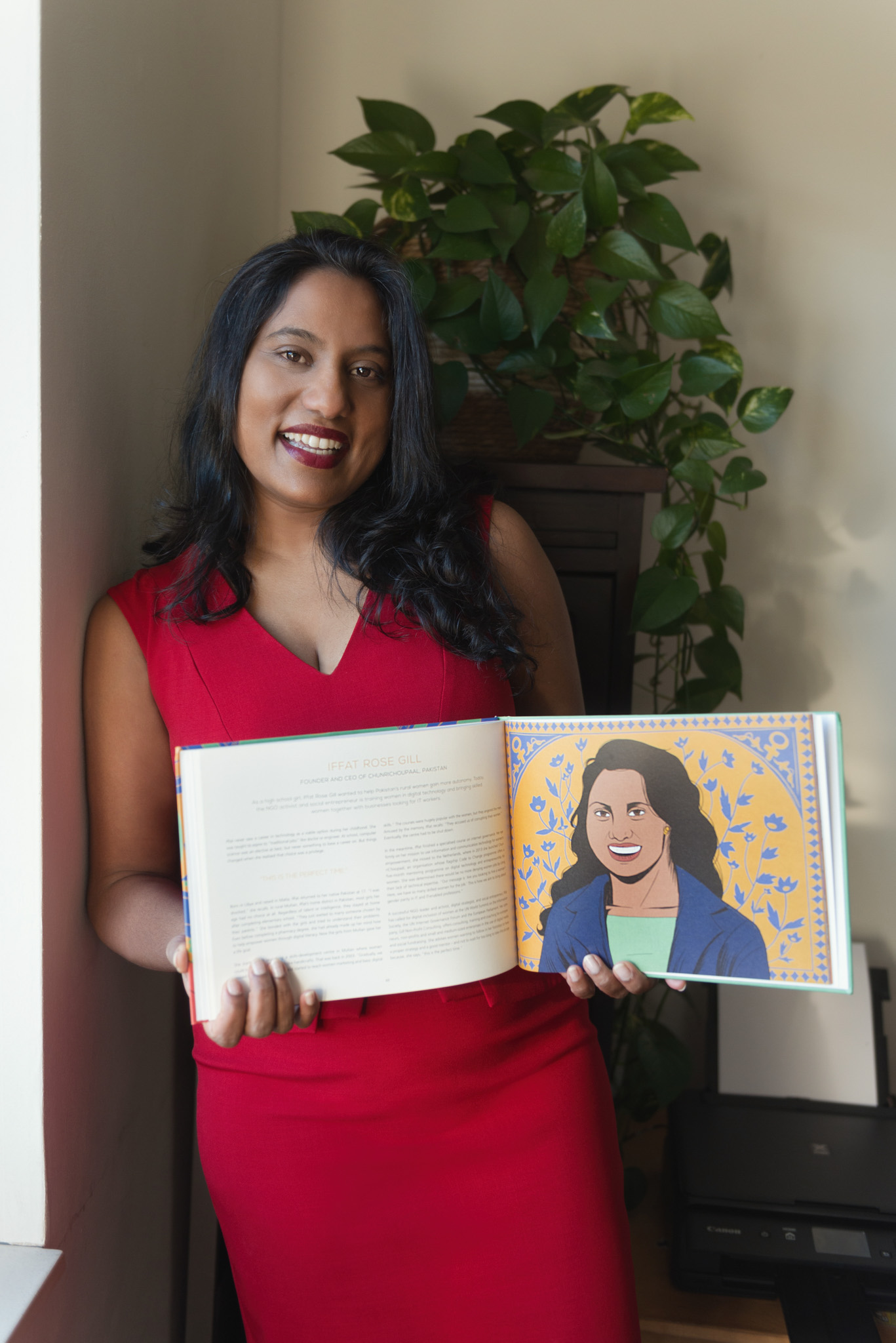
Iffat Rose Gill, CEO of The Code to Change

Iffat Rose Gill has long been a champion for the inclusion of women through a number of innovative digital initiatives she’s launched across Europe, Asia, and Africa. In 2010, she launched The Code to Change, which is aimed at tackling both the gender and skills gap within the tech industry by training women and underrepresented groups in digital skills.

The program has so far impacted 15,000 women across Europe and Asia with its digital-skills training programs. In addition to trainings, they also offer inspirational events and policy advice to governments on how they can work towards gender equality through the economic empowerment of women. Her newest initiative, Digital Starling, is aimed at connecting women tech talent in Asia and Africa with early-stage, women-led startups that need help scaling.

For the amazing work she’s done, Gill’s been recognized as one of the Wonder Women of Amsterdam by the city and as one of the “female solopreneurs to watch in 2022” by Silicon Canals. She was also nominated for the UNESCO Prize for Girls’ and Women’s Education.

With a lifetime of experience in the hurdles facing greater inclusion and equality in the tech industry, TNW asked Gill what she believes are the biggest challenges we need to tackle now.

First and foremost, (aside from equal access to funding) she pointed out that women of colour often also lack social capital and networks in heavily male-dominated industries such as the Netherlands. In Gill’s view, what’s needed are more support programs, such as accelerators and networking events, as well as partnerships between government, academia, and industry specifically aimed at supporting women of colour. Standalone mentoring programs that are geared towards ‘fixing women’ instead of the system are also ineffective. Instead we need access to mentoring which is geared towards capital.

The second biggest challenge she sees is business ethics, an issue which she’s faced herself and has been approached about by other women.

Female entrepreneurs of colour are at a greater risk of having their ideas replicated without consent in the entrepreneurship ecosystem, as they face both gender and race-based biases. This unethical practice not only undermines the hard work and creativity of these entrepreneurs, but also perpetuates systemic inequalities in the business world. Investors, incubators, and other stakeholders must work towards creating a level playing field where innovative ideas are valued, protected, and credited to their rightful owners.

Finally, while a lot of programs and initiatives aimed at women of colour are meant to be supportive, there is a very real possibility that they can actually be more damaging.

Often, we are invited to speak on panels or participate in projects solely for the purpose of filling a diversity quota or checking a box. While we appreciate the opportunity to showcase our expertise and perspectives, these opportunities often come with a catch: we are never compensated for our time, and our expertise and talent are exploited for free. This exploitative practice is disguised under the guise of ‘we are giving you exposure’ or ‘we are providing you with a stage to send your message out.’ Not only is tokenism wrong, but it also hurts us and our businesses.

4. “To grow a diverse team, we had to change the way we did our application process, how we appealed to candidates, etc.” — Lethabo Motsoaledi

Lethabo Motsoaledi, co-founder and CTO at Voyc

You may have a great product, a great marketing team, and sales going through the roof, but having just a few bad reviews from disgruntled customers can make or break your business. That’s why Lethabo Motsoaledi and Matthew Westaway created Voyc in 2018, an AI based platform that monitors and analyses conversations between customers and call centre reps.

Originally from South Africa, Motsoaledi shared that the pair decided to move their HQ to Amsterdam in 2020 because the Dutch government has put a lot of investment into the startup ecosystem, providing more opportunities. Motsoaledi told TNW:

It’s phenomenal. The luxury of being a startup in the Netherlands is that you can just focus on the problem your startup is trying to solve whereas, in other countries and regions, where there are social and political issues, political instability, and infrastructure issues, you not only have to solve x but also y and z and every other problem that the ecosystem is supposed to solve.

For founders coming from abroad, she said the YES!Delft community and the Hague Business Agency were extremely helpful in providing support and networking opportunities. After moving to Amsterdam, Motsoaledi and her team also joined the BOLD community by Techleap.nl and participated in a new program called Exceptional Leaders in Tech that hosts dinners where diverse founders can meet and share their insights on what the government can do to build a diverse and inclusive ecosystem.

At the same time, Motsoaledi was surprised to hear that the number of women founders in the Netherlands is alarmingly low in comparison to other countries. This is something she believes could be helped by improving the visibility of these founders.

The same goes for diversity within startups. A recent study by the University of Amsterdam found that in one in five startups women represent less than 15% of the workforce and, in those cases, women applicants are almost 30% less likely to apply. Motsoaledi shared her tips:

Our team at Voyc is now sitting at a 50/50 diversity ratio in terms of men and women, and I’ll tell you, it was incredibly difficult to get there. We had to change the way we did our application process, how we appealed to candidates, etc. to make sure women feel confident to apply for our roles. You have to start from the beginning, not forgetting that, if your leadership team or your board is just white men, women and people of colour are going to be hesitant to apply. It’s a perpetuating system.

Advice Motsoaledi wanted to share with newbie founders: “Stay as close to the problem as you can and be more passionate about the problem than the solution.”

5. “We are seeing a strong trend where angel investors are stepping in to plug the funding gap at the early stages” —Christina Caljé

Christina Caljé, former founder of Autheos. Current investor and advocate for underrepresented founder groups

A former Executive Director at Goldman Sachs, Christina Caljé, became a serial entrepreneur successfully launching and scaling several businesses including Autheos, a video-marketing platform, which was acquired in 2021.

With the vast knowledge she acquired in raising capital and breaking into different markets, Caljé has now taken on the VC world serving as an advisor, mentor, and angel investor for pre-seed startups, with a particular focus on investing in women founders and founders of colour. She shared some important insights into the current market that founders should take note of:

The ‘market correction’ in the VC fundraising market has impacted founders throughout the fundraising life cycle, resulting in slower fundraising cycles and normalising of valuations to historical levels. I see these both as healthy dynamics, though, because in actuality the extreme dynamics we saw during the prior 18 months were not setting up founders for success in future fundraising cycles, we are now seeing that play out now with down/flat rounds in the headlines.

Founders onboarded misaligned investors without proper vetting, at too high valuations that necessitated unrealistic milestones in short order to validate appreciated valuations at future fundraises. Moreover, the underperformance of public markets and inflationary dynamics empower investors to employ fear tactics around capital access. In reality, there is still a lot of ‘dry powder’ out there, meaning funds that raised capital in the past 12 months but have yet to deploy it. Founders just need to spend some extra time researching and developing relationships with the right investors for their proposition / vision.

Caljé explained that women founders of colour will have an advantage in this upcoming period because a number of VC funds, angel syndicates, and accelerator programs were launched in the past 18 months in the wake of BLM with a specific mandate to invest in black and brown founders.

I see the fastest and most impactful change coming from the angel investor community. Whether it be via direct investment or syndicated investment vehicles, we are seeing a strong trend where angel investors are stepping in to plug the funding gap at the earliest stages, particularly for gender and ethnically diverse communities. The much sought after ‘fly-wheel’ effect first seen in Silicon Valley is finally reaching this side of the Atlantic; a positive feedback loop in which success breeds a self-sustaining cycle of investment and success!

For all you future founders out there, Caljé shared her top tips on how to successfully fundraise (in any market):

1. Know what you’re looking for from an investor and do your diligence

This is particularly important for earlier stage companies that are still working towards product market fit and commercial traction. Identify those investors (angel or pre/seed venture funds) who understand your sector challenges and timelines, and be clear about what you want them to bring to the table. Is it a network in a target client base? Experience? Geographic access? Product or sector knowledge?

Discuss this upfront and ask for examples of how they’ve delivered such value to their portfolio companies. When considering a lead investor, reach out to their portfolio companies and speak to the founder(s); they’ll most likely give you a candid and honest picture of what it’s like to have that investor on the cap table.

2. It’s not about tailoring the story to the investor, it’s about finding the audience to match your story

As a founder, I understand the frustration when the fundraising process feels long and drawn out because it’s distracting us from what we really want to do — build and grow. But, investing the time in researching potential investors, building relationships and ensuring that you onboard the right investor to match your business needs will bring huge ROI and set you up for success in the longer term. Its importance should not be underestimated.

3. Fundraising is a relay

Once your first fundraise is behind you, you should expect that your investors, whether angel or VC, will provide you with intros to follow-on investors. Many times, we will have preferred funding partners that we ‘pass the baton’ to for the next stage of fundraising. An important thing to realise is that your first investors will set the tone for future fundraises; with each stage, keep in mind how this round will set you up for success in the next round. Remember, it’s a numbers game and you should aim for 50-100+ investor names on your target list.

Want to learn more about the amazing products and opportunities these founders have to offer? TNW is offering all five a free startup pass to the annual TNW Conference in June 2023 including an exhibition booth where you can meet them in person and learn more about their solution.

Whether you’re a future leader or a talented innovator, check out the Women-in-Tech Business Pass which provides discounted rates for all tech talent who identify as women.

5 things founders want you to know about the Dutch tech scene this Women’s Day Read More »

samsung-files-trademark-for-‘galaxy-glasses’-ar/vr-headset

Samsung Files Trademark for ‘Galaxy Glasses’ AR/VR Headset

Samsung announced last month it was partnering with Google and Qualcomm to develop an XR device, something the company said at the time was “not too far away.” While we’re still left guessing as to what sort of headset the Korean tech giant has in store, a new trademark filing has come to light which may suggest the headset’s naming scheme.

As reported by 9to5Google, Samsung filed a trademark request with the United States Patent and Trademark Office (USPTO) on February 27th for the name ‘Galaxy Glasses’.

In its description, the trademark registration is said to cover the categories of “virtual reality headsets; Augmented reality headsets; Headphones; Smartphones; Smart glasses.”

According to a recent Washington Post interview with TM Roh, the president and head of Samsung’s mobile experience business, an upcoming Samsung XR device is “getting there, but we’re not too far away.”

Roh told WaPo that the XR headset’s chipset is going to be “a strategic collaboration with Qualcomm.” Google is building the software, while Samsung builds the hardware.

Provided the trademark isn’t just a defensive measure, and will actually be applied to a real product, Samsung would be pitching the proposed device as a part of its Galaxy line, which includes its smartphones, tablets, notebooks, smartwatches, and earbuds.

Notably, the company has never positioned its VR devices directly under its Galaxy branding, with Samsung Gear VR and its PC VR headset HMD Odyssey marketed separately from the Samsung mothership of mobile devices.

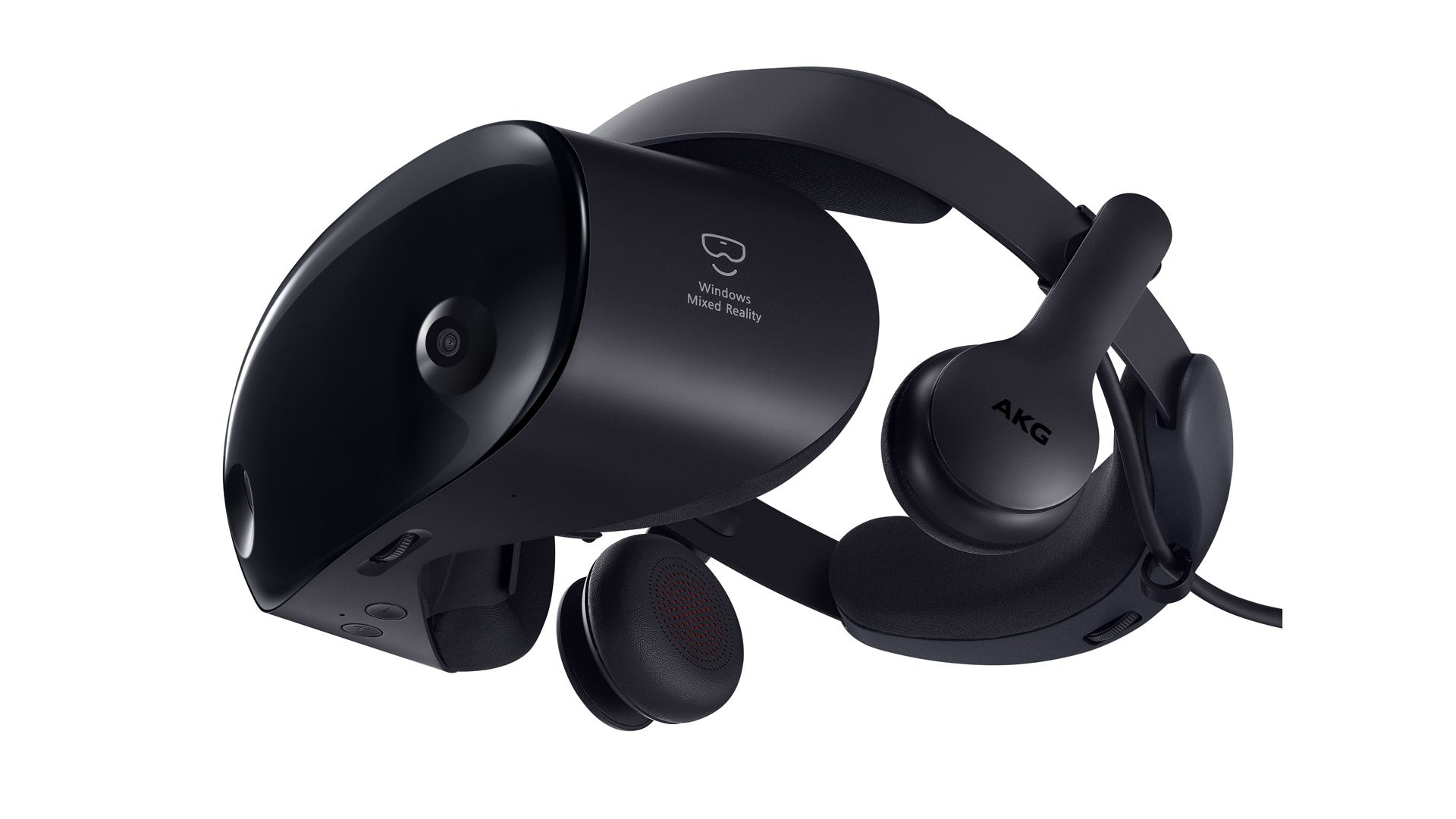
Smasung Odyssey+ | Image courtesy Samsung

It shouldn’t come as any real surprise the Korean tech giant is prepping XR hardware now. In 2021, two leaked videos surfaced featuring Samsung AR concept devices, although we haven’t heard anything since about the company’s XR ambitions until Samsung announced it was throwing its hat back in the game with Google and Qualcomm by its side.

Meanwhile, Apple’s rumored mixed reality headset is reportedly set to arrive sometime this year at around $3,000, with a lower-cost version of Apple’s mixed reality headset reportedly set to follow sometime in 2024 or early 2025.

And although Apple is largely seen as the most present threat, Meta recently released word it is not only prepping an enthusiast-targeted Quest 3 headset for release this year, and a “more accessible” consumer version in 2024, but possibly another ‘Pro’ branded Quest headset “way out in the future,” Mark Rabki, Meta’s VP of VR, allegedly told thousands of employees in a memo last week.

Samsung Files Trademark for ‘Galaxy Glasses’ AR/VR Headset Read More »

10-trailblazing-valencian-startups-to-watch-in-2023

10 trailblazing Valèncian startups to watch in 2023

València’s tech ecosystem is growing and maturing at a brisk pace. Founders, investors, and business leaders in the city are unanimous that this region in Spain will cement itself as a tech hub to be reckoned with in the coming years.

Names like Flywire, Fever, and Jeff are well-known, but there are tons more Valèncian startups and scaleups making waves at home and abroad. Ahead of The Next Web’s first conference in València on the 30th and 31st of March, we’re zooming in on 10 noteworthy local startups, selected by TNW and its key strategic conference partners: Lanzadera, Marina de Empresas, and Startup València.

Let’s dive in.

Zeleros Hyperloop

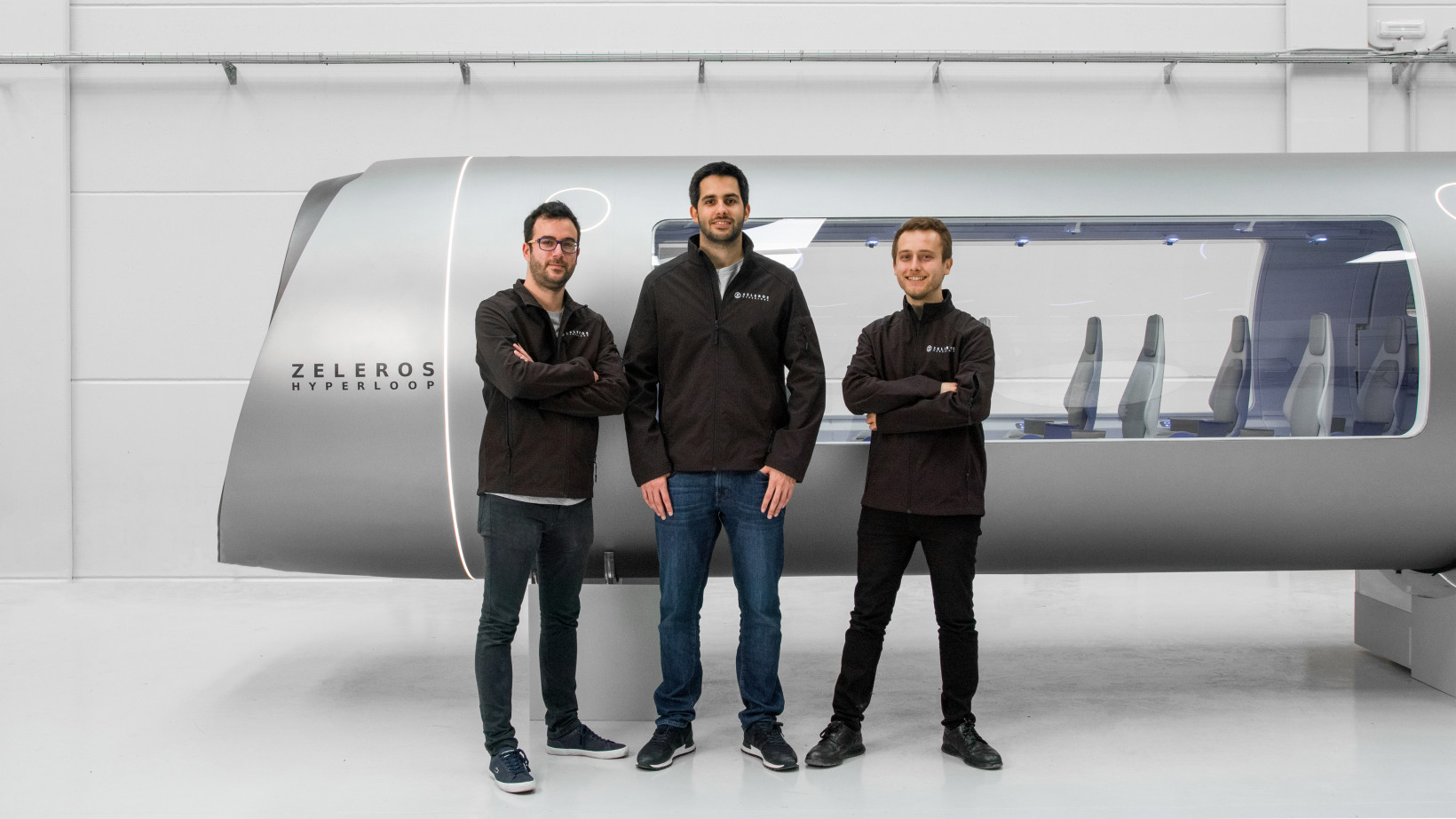
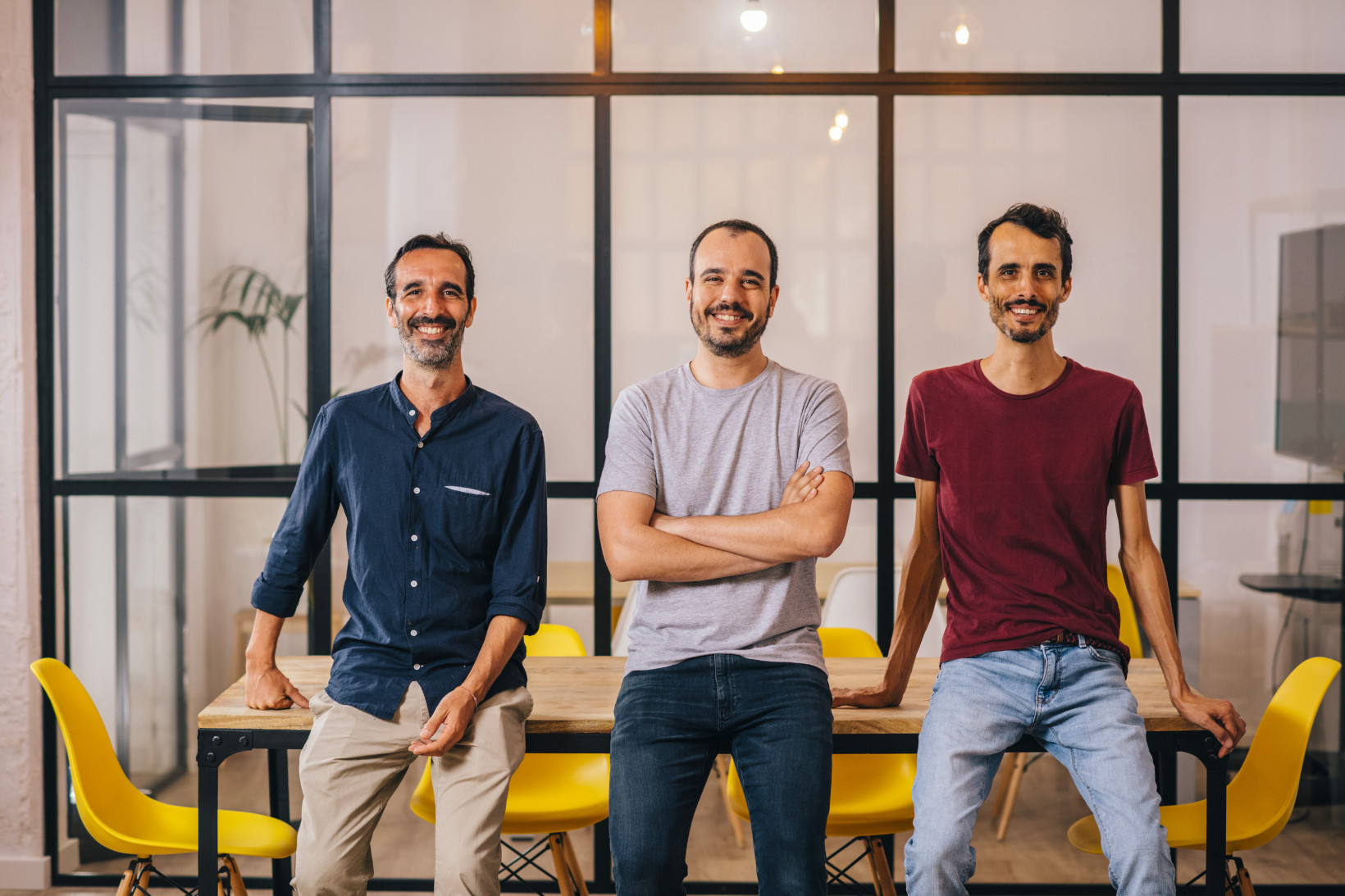
Zeleros Hyperloop is one of the world’s leading hyperloop developers. Since its founding in 2016 by Juan Vicen Balaguer (CMO), David Pistoni (CEO), and Daniel Orient (CTO), Zeleros has been working on the ultra-fast train that will transport people and cargo through vacuum tubes on maglev tracks at speeds of up to 1000kph.

Zeleros Hyperloop
The founders of Zeleros Hyperloop. From left to right: Daniel Orient (CTO), David Pistoni (CEO), and Juan Vicen Balaguer (CMO). Credit: Zeleros Hyperloop.

With €15 million raised so far, and over 50 core staff, they are also using the time until the trains can launch (not before 2030) to work on advanced battery tech and trial automated tracks in local ports.

Zeleros Hyperloop will be speaking at TNW València, while Juan Vicen Balaguer is one of the event’s advisors.

Quibim

Founded in 2015 by Dr. Ángel Alberich-Bayarri — another conference speaker — and Prof. Luis Marti-Bonmati, medtech company Quibim has grown to over 70 staff in Madrid, Barcelona, New York and Cambridge, UK.

Quibim startuo founder
Quibim’s founder Dr.Ángel Alberich-Bayarri. Credit: Quibim

The company’s AI-powered radiology diagnostics platform is used by hospitals and medical researchers to detect pathologies using imaging biomarkers, with algorithms developed for more than 20 diseases, including cancer and Alzheimer’s. Quibim raised a seed round of €8 million in 2020.

Sesame HR

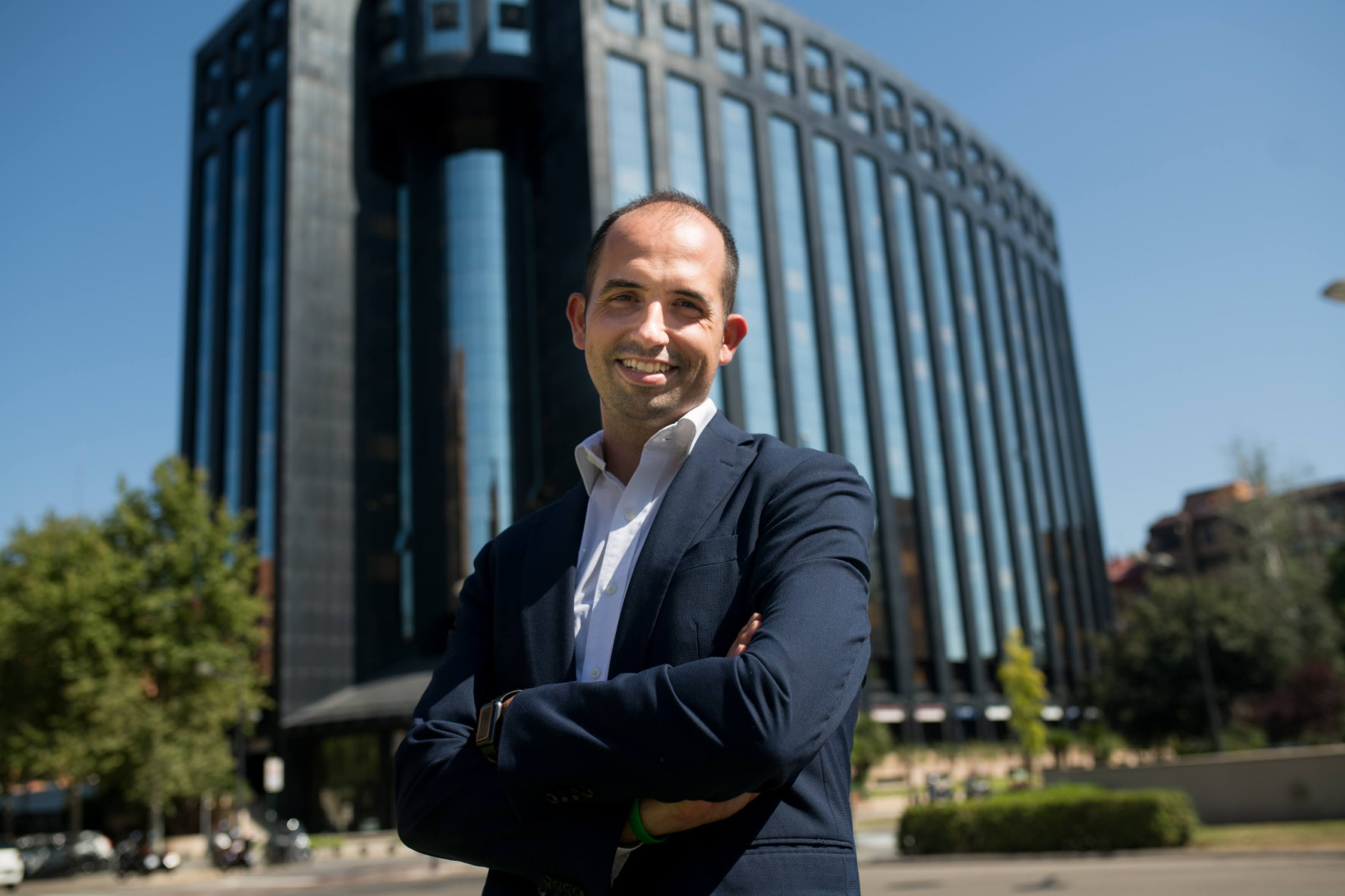
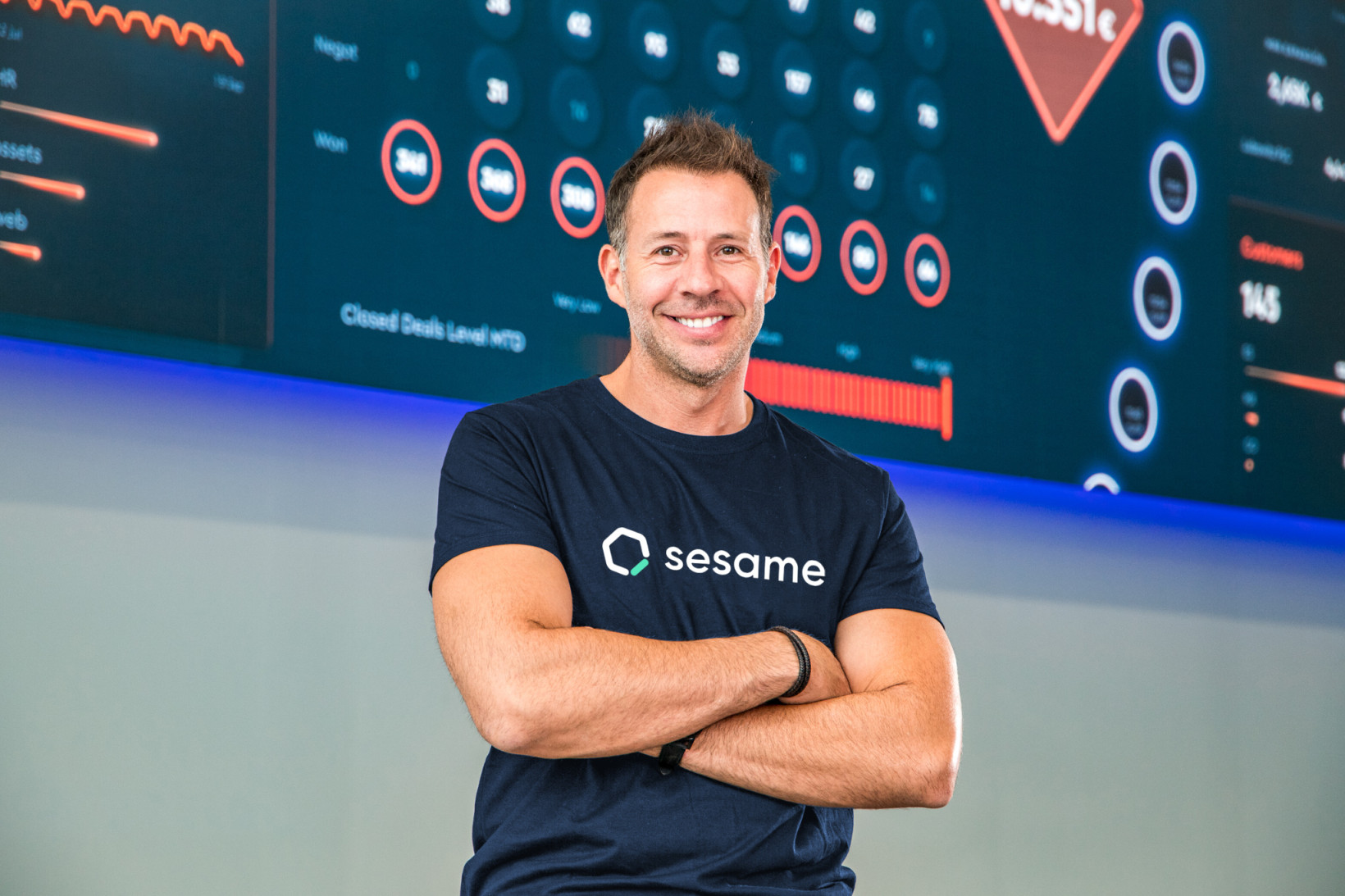
Founded by Albert Soriano in 2015, Sesame HR is on a huge roll with their human resource management platform that automates time-consuming processes like payroll and onboarding. The team numbers 200 employess now, as well as over 6,000 clients and 150,000 users in 30-plus countries across Europe and Latin America. Sesame raised a €10 million round and opened offices in Madrid and Barcelona in 2022; it recently set up shop in Mexico City too.

Sesame HR
Sesame HR’s founder Albert Soriano. Credit: Sesame HR

Internxt

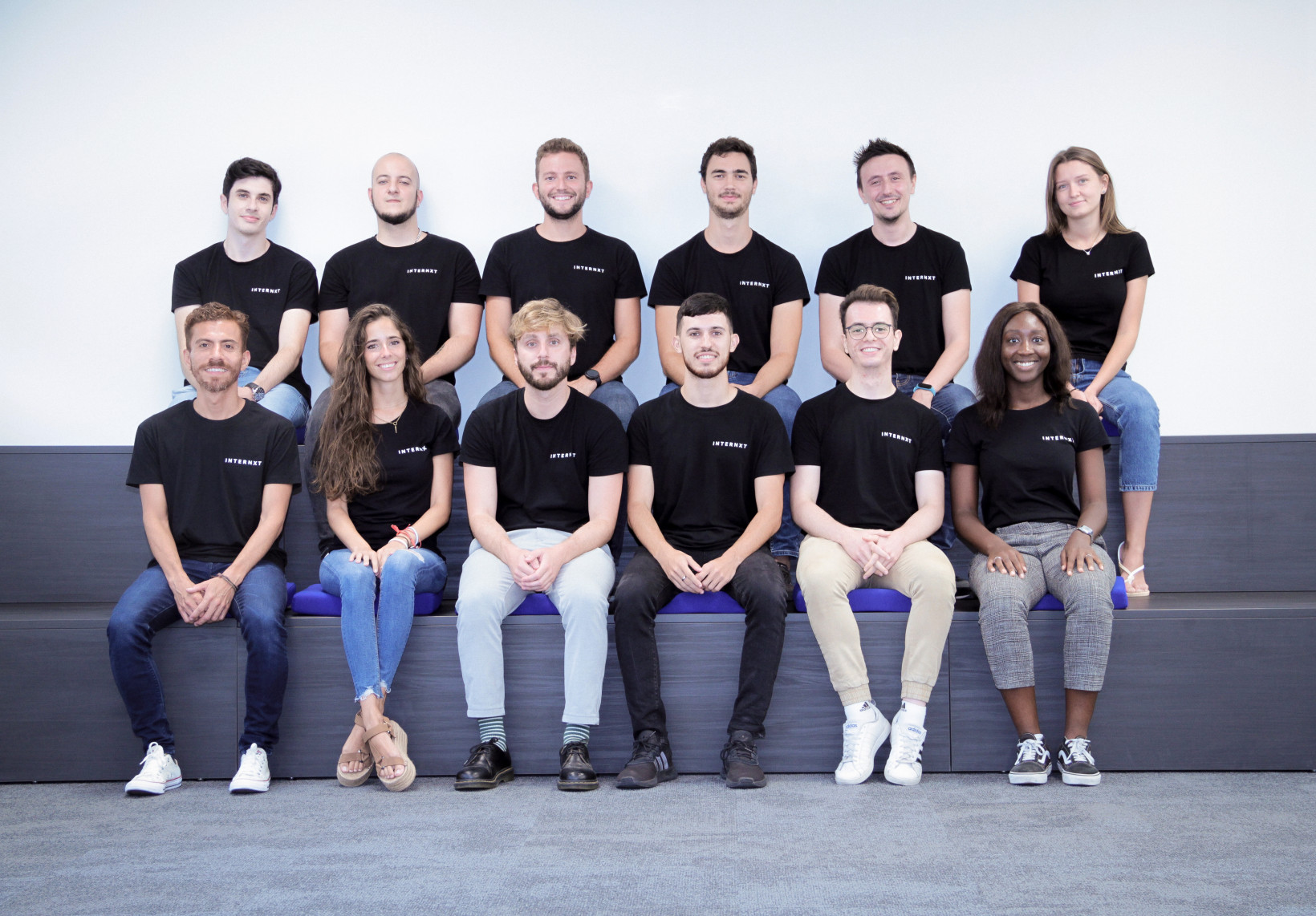
A player in the internet privacy sphere since 2020, Internxt — one of the 60+ exhibiting startups at TNW València — is going up against the international corporate giants with a suite of encrypted cloud services including Internxt Drive storage, Internxt Photos, and Internxt Send.

Internxt team
The Internxt team. Credit: Internxt

It’s not just about “military grade encryption” for individuals and businesses, but also about reducing energy consumption by storing data closer to the end users. Founder and CEO Fran Villalba Segarra’s startup employs 20 people and has raised €4 million at a €40 million valuation.

Voicemod

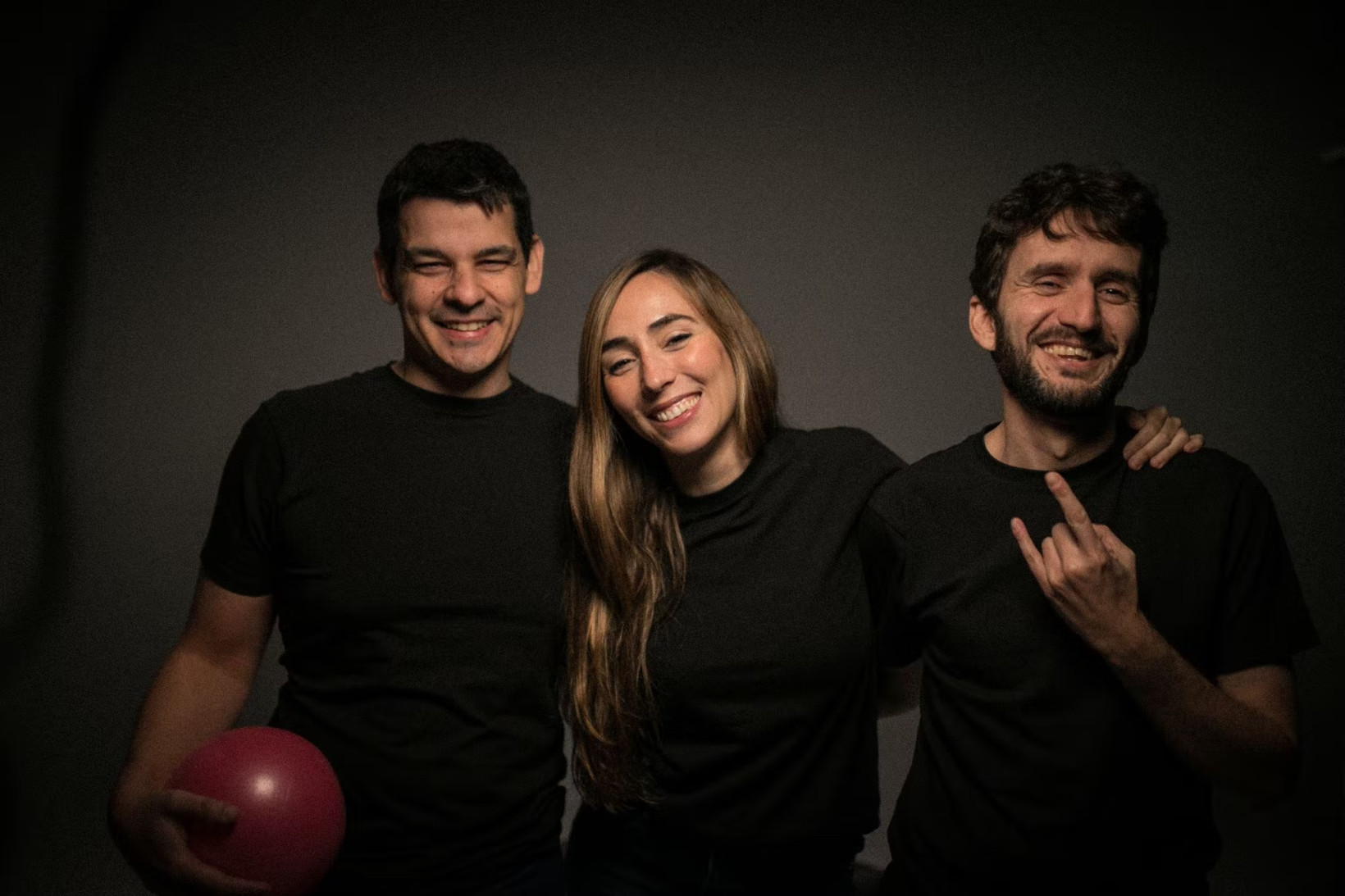
Voicemod’s AI-powered voice augmentation software generates “voice avatars” in real time for video gamers and virtual content creators. Founded by brothers Jaime, Fernando, and Juan Bosch in 2014, Voicemod has grown to over 150 staff, and said recently that they have 3.3 million monthly active users. It acquired Catalan AI music tech company Voctro Labs in December.

Voicemod startup founders
Voicemod’s founders. From left to right: Fernando, Jaime, and Juan Bosch. Credit: Voicemod

Funding-wise, Voicemod raised €7.1 million in Series A in 2020, and announced another $14.5 million raise this month.

ClimateTrade

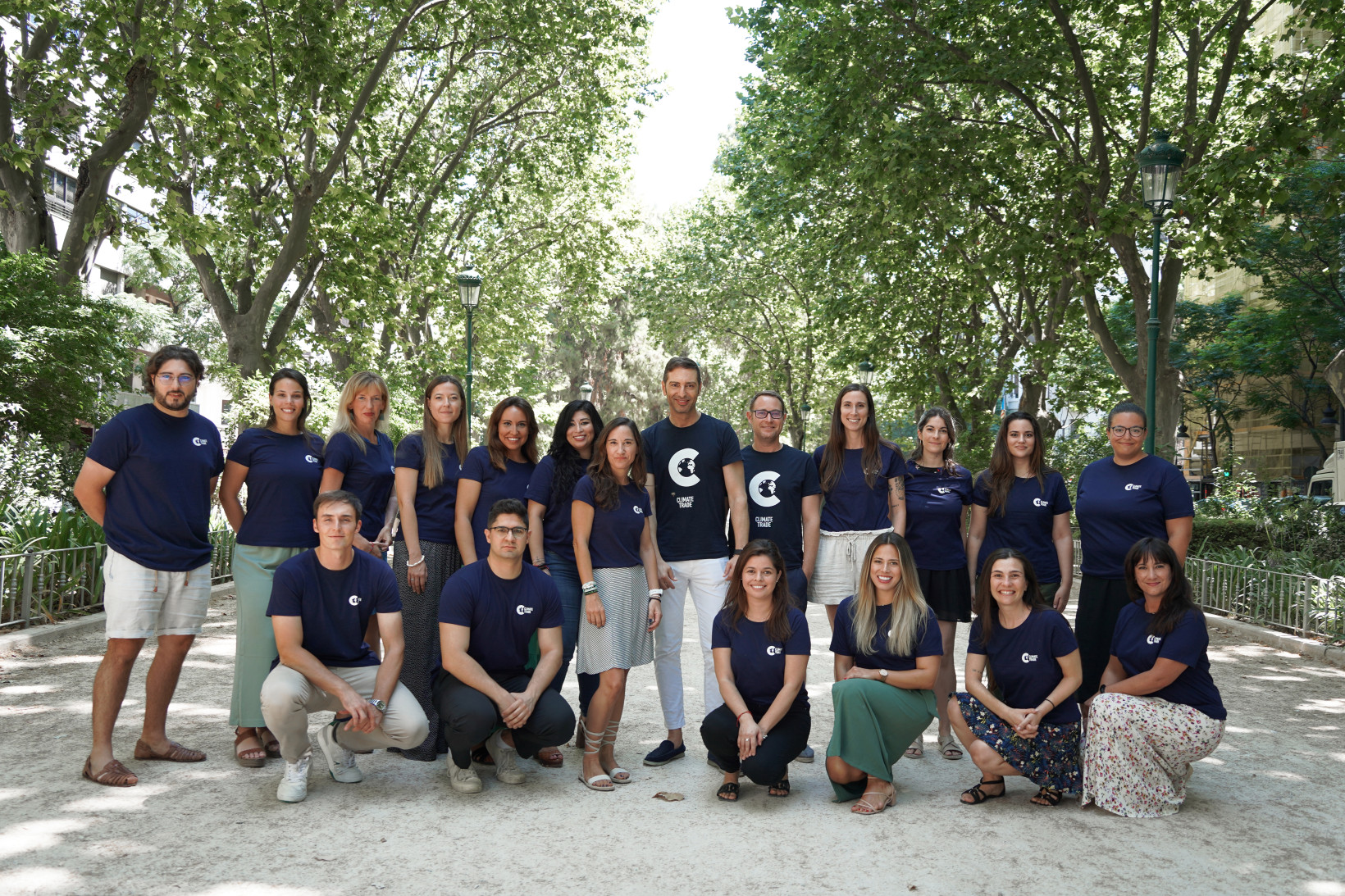
ClimateTrade’s B2B blockchain-based climate platform helps companies counterbalance their carbon footprint by buying carbon offsets from climate projects via a virtual marketplace. Founded in 2017, it also offers an API that lets companies offer carbon-neutral products and services to their customers. ClimateTrade opened a US HQ in Miami in mid-2022.

ClimateTrade
ClimateTrade’s team; at the centre, CEO and co-founder Fran Benedito. Credit: ClimateTrade

The startup closed a €7 million pre-Series A round in 2021, and has announced plans to raise another €13 million in a US-focused round for international expansion.

Sales Layer

SaaS scaleup Sales Layer closed a whopping Series B round of €24 million in June 2022 for further expansion in Europe and the US of its cloud-based product information management tool. Its software automates complex B2B processes and connects companies’ products to sales platforms across the supply chain.

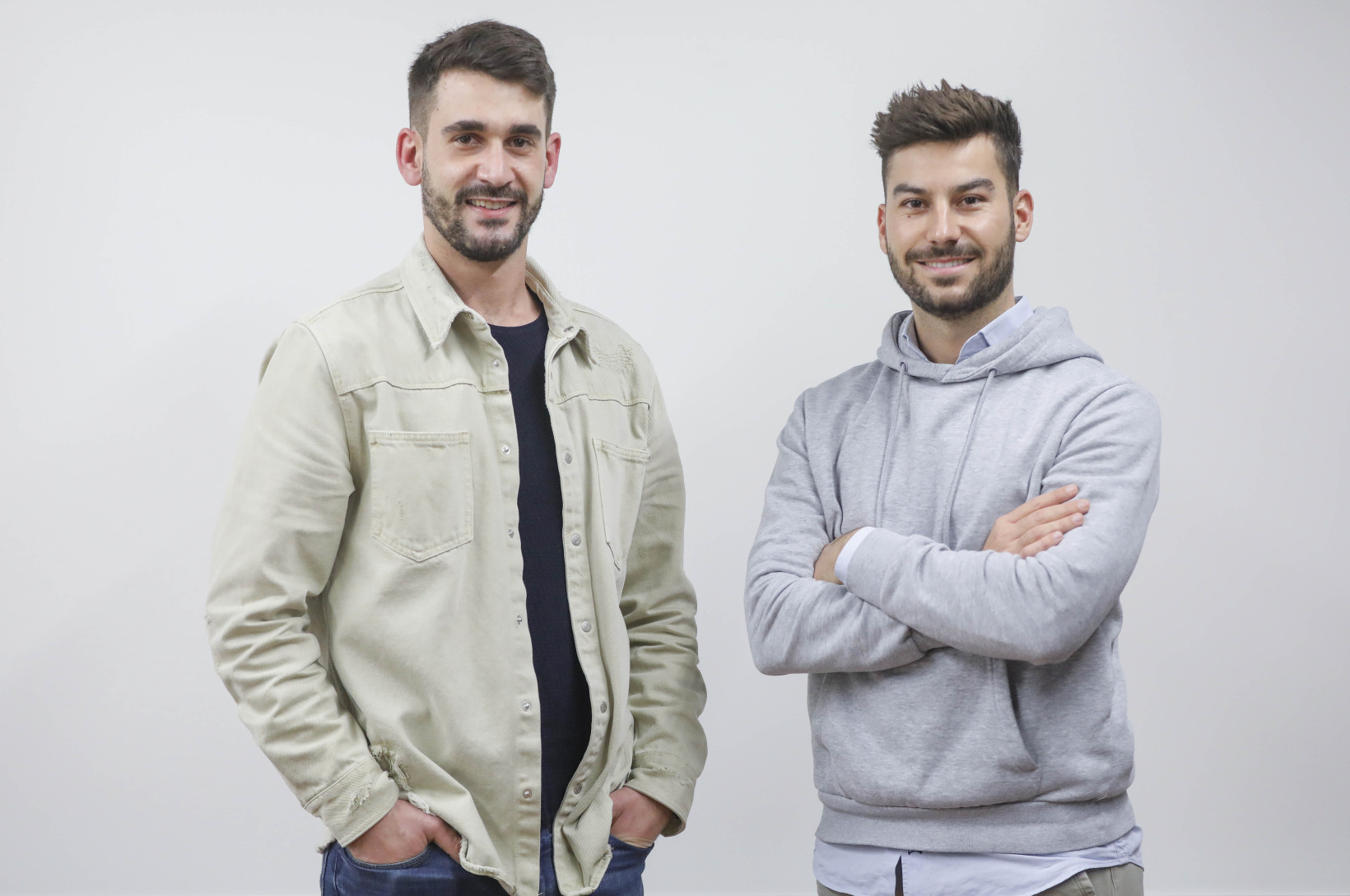
Founded by Álvaro Verdoy and Iban Borràs in 2013, the startup was named in G2’s 2023 Best Software awards for the second year in a row.

Sales Layer startup founders
Sale Layer’s founding duo. From left to right: Álvaro Verdoy and Iban Borràs. Credit: Sales Layer

Rosita Longevity

Rosita Longevity, the team behind the largest longevity school in Europe, is another one to watch. The startup uses biomarkers to track physical condition and create individualised activity plans for live classes with personal health trainers, via an app. Rosita’s users were shown to have reduced their risk of falling (a key metric to measure frailty) from 36% to 6% after three months.

Rosita Longevity
Rosita Longevity’s founders. From left to right: Juan Cartagena (CEO), Clara Fernandez (CCO), and David Gil (CTO). Credit: Rosita Lonegity

Co-founders Juan Cartagena, Clara Fernandez, and David Gil raised a €2.4 million seed round this year to launch in the lucrative US market.

NARIA

Headquartered in Castellón de la Plana, NARIA was created in 2019 by CEO Kilian Zaragozá and COO Josevi Villarroig. The blockchain platform connects food industry outlets such as hotels, restaurants, and supermarkets with places like food banks to ensure excess food goes to those in need. NARIA app users can also make food donations, which are sent to digital wallets of people who need help buying groceries in supermarkets.

Naria
NARIA’s founders, Josevi Villarroig (COO) and Kilian Zaragozá (CEO). Credit: NARIA

The startup has received €726,000 in investment so far and is currently raising a further €400,000 in private equity.

Passporter

A travel tech contender to keep an eye on. Valencia’s Passporter app lets you plan, book, and organise itineraries in over 75 global destinations, and record trips to share with others through a virtual passport.

Passporter
Credit: Passporter

The startup was founded in 2016 by Diego Rodríguez and Andrea Cayon, both co-CEOs, and so far has reportedly raised around €900,000.

If you want to experience València’s ecosystem for yourself and listen to some of these startup founders speak on stage, we’ve got something special for our loyal readers. Use the promo code TNWVAL30 and get a 30% discount on your conference business pass for TNW València.

10 trailblazing Valèncian startups to watch in 2023 Read More »

meta-is-planning-a-cheaper-vr-headset-for-release-in-2024,-pointing-to-possible-‘quest-3-lite’

Meta is Planning a Cheaper VR Headset for Release in 2024, Pointing to Possible ‘Quest 3 Lite’

Meta is planning to ship a VR headset in 2024 which the company wants to make as accessible as possible to consumers.

According to a report by The Verge, Meta’s VP of VR, Mark Rabki, told thousands of employees in a memo that it plans to release a consumer VR headset in 2024, codenamed Ventura.

“The goal for this headset is very simple: pack the biggest punch we can at the most attractive price point in the VR consumer market,” Rabki wrote in the memo.

Meta seems to be positioning Ventura as a ‘Quest 3 Lite’ of sorts. In the reported memo, the company announced its upcoming Quest 3 would be targeted at enthusiasts, which is said to be a “bit more money” than the current $400/$500 headset, while also including mixed reality capabilities similar to Quest Pro. The company has publicly confirmed Quest 3 will release at some point this year.

Additionally, the report maintains that any ‘Pro’ level headset will be “way out in the future” after Ventura is released in 2024.

This means Meta will be selling Quest 3 at the same time it releases Ventura in 2024, and likely within the life span of Quest Pro too, so the company will need to offer all of them at fitting price points as to not muddy the waters.

It’s uncertain where Meta hopes to cut corners with the ostensibly cheaper standalone. One thing the company can do is ship without motion controllers, which would cut down on overall price, although that would stymie consumer access to the back catalogue of VR games. Not all games make use of Quest hand-tracking.

With Ventura, the company could opt to essentially update Quest 2’s hardware with minor modifications, like replacing the Fresnel lenses with pancake optics to slim down the overall profile, and add a faster chipset.

Whatever the case, it seems the company is looking at capturing the low end of the VR market, which would better lock in a new generation of VR users into the Meta ecosystem—something the company needs if it hopes to increase user retention. Offering a cheaper headset could also potentially broaden Meta’s access to emerging markets, somewhere Chinese competitors like Pico Interactive may succeed given the chance.

Meta is Planning a Cheaper VR Headset for Release in 2024, Pointing to Possible ‘Quest 3 Lite’ Read More »

new-e15m-fund-for-early-stage-quantum-startups-launches-in-the-netherlands

New €15M fund for early-stage quantum startups launches in the Netherlands

A new €15 million fund has launched to help quantum technology research in the Netherlands transform into venture capital-investable startups.

Backed by Quantum Delta NL (QDNL), a foundation that seeks to boost and scale the Dutch quantum ecosystem, the so-called QDNL Participations fund has a twofold focus: early-stage startups in the sector and research teams working on promising quantum technologies before they incorporate as startups.

In the first case, the funding will reach up to €1.5 million — with the foundation typically leading the investment round. In the second case, the fund will offer €50,000 to researchers via a SAFE note agreement, meaning that the funding will be converted into an equity investment once the startup is ready to progress as a business.

“We get in early and provide objective and patient capital.

The fund expects to make around 10-15 SAFE note investments (of €50,000) and around 5-10 seed investments (of up to €1.5 million), Ton van ‘t Noordende, Managing Director of QDNL Participations, told TNW. “We get in early and we can provide objective and patient capital.”

The fund plans to invest in companies across the quantum sector, including hardware, sensors, entanglement, and superposition technologies, as well as communications and essential supply components.

According to QDNL’s proprietary data, 32.7% of sector funding has gone to software, while 64.4% has been invested in hardware, and almost 3% in hybrid hardware-software.“We expect to follow this trend,” said Van ’t Noordende.

As for the research teams that wish to enter the startup world, they’ll be primarily sourced from leading Dutch universities, including TU Delft, the Eindhoven University of Technology, the University of Tweente, Leiden University, and the University of Amsterdam.

“Spinning out of academia still a bottleneck for European researcher-driven entrepreneurship.

Alongside QDNL Participations, the foundation has also launched a support programme for emerging quantum tech founders, called Infinity. This is designed to help Dutch academic researchers navigate the university spin-out process and raise their first funding round, by providing them access to a network of more than 800 deeptech investors worldwide.

Infinity is offered as an “on-call” service for whenever it might be needed, and is free of charge.

“We believe there’s a massive untapped potential as billions of value in new innovations are left unshared and uncommercialised. Spinning out of academia remains a bottleneck for European researcher-driven entrepreneurship,” Van ‘t Noordende added. 

Addressing the funding gap in quantum technology

Fundraising is “the number one challenge” for Dutch deep tech startups, Van ‘t Noordende told TNW. “The [funding] gap does not only exist in the Netherlands, but Europe-wide. Investments raised by US-, UK-, and Canada-headquartered startups account for circa 80% of the value of all private investments in quantum technology and circa 62% of all private rounds.”

As he further explained, the majority of funding “is directed at and above Series A stages,” while multiple factors lead to a lack of an early-stage funding. There’s not only a lack of investors specialised in early-stage investment, but it’s also challenging for investors outside of scientific communities to know “where to invest or how to provide longer term support.”

QDNL Participations aims to address this problem by incorporating a global network of leading quantum tech researchers in the process, who are actively involved in a startup’s early stages, and could later become scientific advisors or board members.

“Our fund removes the risks of what’s seen as a ‘wild bet’ and, through direct intervention, increases the likelihood of long-term impact and financial success,” Van ‘t Noordende added.

According to QDNL’s co-founder and Director of Ecosystem Development Freeke Heijman, the goal of Infinity and the new fund is to enable the sustainable growth of quantum startups in the Netherlands, so they can compete in the global market.

And with the quantum tech market expected to reach above €3 billion in value by 2030, sufficient funding to build resilient ecosystems will play a pivotal role.

New €15M fund for early-stage quantum startups launches in the Netherlands Read More »
honor-this-black-history-month-in-xr

Honor This Black History Month in XR

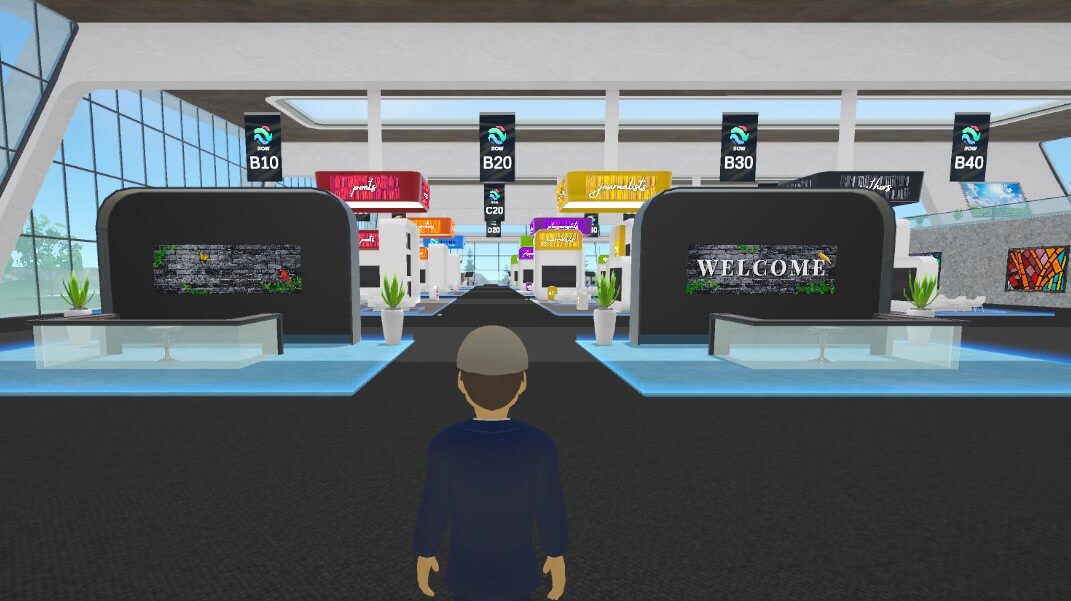
February is Black History Month and it’s not too late to honor through the magic of XR thanks to these activations from ROSE, TIME and Meta, and Virbela.

Walk Through Black History With ROSE

As a Black-owned company, ROSE makes an effort every year to create an immersive and educational experience for Black History Month, and this year the company delivered yet again. This year’s AR experience, with “resistance” as the highlight, is titled Marching Forward.

The experience, which you can visit here on your smartphone, takes the form of a double row of AR statues. You walk down the aisle and tap the statues to learn more about their inspiration.

Marching Forward Black History Month AR experience by ROSE

“We really wanted to create balance within the experience with the solid bronze look of the statues and in turn, draw the users to explore the changing Black Lives Matter text on the ground,” explained ROSE Art Director Jourdan Johnson. “The text updates to display colorized images related to the moment to get a better understanding of what they are learning about.”

This involves physically moving down the aisle, which is a powerful experience but can be complicated for example in smaller spaces. If you need more room or have mobility issues, you can reposition the experience to make it easier.

The stories start with the roots of the Civil Rights Movement in the 1960s, moving up through the Black Panther Party, art and literature movements through the 1980s, and moving up into the current-day BLM movement. The story behind each statue is read by professional voice actress Joy Ofodu. You also have the option to read the information yourself.

Black History Month AR experience by ROSE Marching Forward

“From a podium or a canvas, your voice can be heard and can make a difference. That is an important message for everyone going through this experience,” said Johnson. “We can use the knowledge of the past and get inspired, particularly for those who are not Black, to support and amplify Black voices in our communities in a multitude of ways.”

Experience the Struggle With TIME and Meta

Meta teamed up with TIME to create MLK: The Time is Now, a free experience exploring how ongoing issues like housing, voting rights, and law enforcement practices remain real issues facing the Black community 60 years after Dr. Martin Luther King Jr.’s “I Have a Dream” speech. The experience works comfortably while sitting and employs hand tracking.

Black History Month VR experience MLK - Now is the Time

Hand tracking is often an intimate part of the experience, bringing users into the different vignettes presented in the experiences. For example, the second experience, putting you in the seat of a Black man in a car that has just been pulled over, only progresses when you take your hands off of the steering wheel, escalating the situation with the four police officers.

Black History Month VR experience - MLK - Now is the Time - car, police

The experience, available on Meta Quest, uses a combination of artistic and engaging virtual reality, moving voiceovers, recorded interviews with modern subjects, and archival footage and audio. Overall, the experience is a brief but powerful exploration of the fact that the Voting Rights Act did not bring complete equality.

This experience was not created specifically for Black History Month – it actually came out last month. But, if you’re looking for educational XR experiences to celebrate BHM, put this on your list. And, if you don’t get around to it in February, it isn’t going anywhere.

Step Into Virbela’s New and Improved Black History Library

For our final stop this Black History Month, we’re visiting Virbela. If you’ve celebrated Black History Month with ARPost in the past, you already know about Virbela’s Black History Library. It’s true, this isn’t the first time that the platform has hosted this initiative, but it is the first time since the platform got a major graphics update last spring.

Virbela black history library

The library is bigger, brighter, and better than ever in its new home. Inside, the library is divided into sections on musicians, authors, playwrights, programmers, and more. So, browse around or go straight to what interests you. The actual items in the library are links that take you to reading suggestions, music playlists, and other resources.

Virbela black history library book club

To find the library, enter the Virbela open campus. Then, click on the map icon in the upper right corner. At the top of the page, change the view from “Campus Map” to “World Map” and select the Black History Library from the menu on the right.

How Do You Honor Black History Month

Whether you’re walking through Black history with ROSE, putting your hands on it with TIME and Meta, or reading up on it with Virbela, we hope that you make the best of this Black History Month by diving into XR.

Honor This Black History Month in XR Read More »

plan-to-build-uk’s-first-battery-gigafactory-falls-out-of-british-hands

Plan to build UK’s first battery gigafactory falls out of British hands

Plan to build UK’s first battery gigafactory falls out of British hands

Ioanna Lykiardopoulou

Story by

Ioanna Lykiardopoulou

Ioanna is a writer at SHIFT. She likes the transition from old to modern, and she’s all about shifting perspectives. Ioanna is a writer at SHIFT. She likes the transition from old to modern, and she’s all about shifting perspectives.

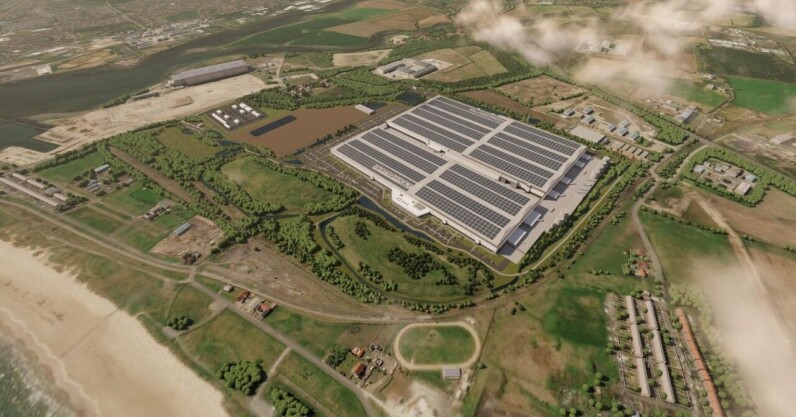
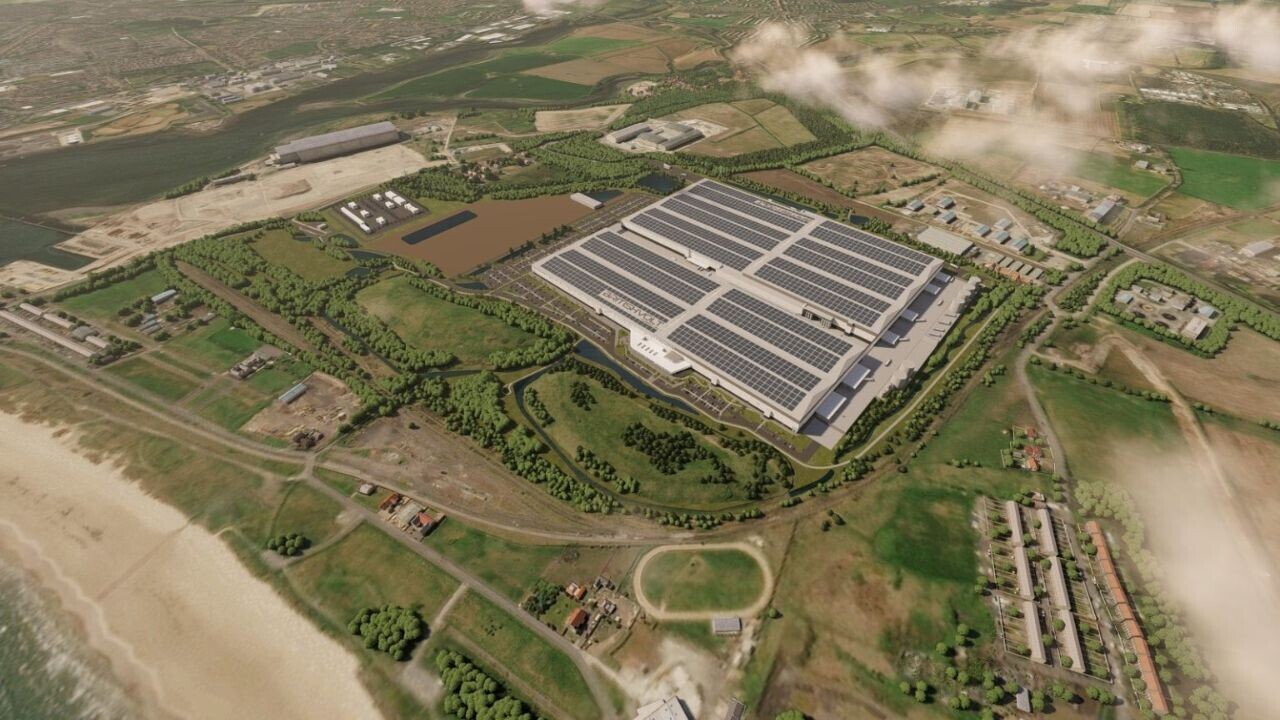
Britishvolt, a prominent UK battery startup, had generated enthusiasm over its plans to build the country’s first battery gigafactory. But after filing for administration in January, it has now been bought by Australian firm Recharge Industries.

Launched in 2019, Britishvolt had planned a £3.8 billion battery plant near the Port of Blyth in Northumberland, promising 300,000 batteries per year, the creation of 3,000 direct jobs, as well as a significant boost to the region’s economy and the UK’s production of EV batteries.

Despite gaining a funding pledge by the government and partnering with major companies like Aston Martin and Glencore, in January, the startup filed a court notice to appoint administrators, after failing to secure sufficient funding. Consequently, Britishvolt terminated its employees, the plant’s construction was halted, and no commercial battery was ever produced.

Now, battery maker Recharge Industries has won the bid to buy Britishvolt out of administration. The Australian startup is owned and run by a New York-based investment fund, Scale Facilitation.

“Our proposal combined our financial, commercial, technology, and manufacturing capabilities, with a highly credible plan to put boots and equipment on the ground quickly,” David Collard, founder and CEO of Scale Facilitation, said in a statement.

As he told the BBC, Britishvolt will maintain its name, but will follow a different direction. It will now focus on batteries for energy storage with the aim to commercialise them by the end of 2025.

This leaves the UK with only one existing battery plant, next to the Nissan factory in Sunderland. The plant is owned by Chinese company Envision AESC.

But it’s not just takeovers by overseas companies that threaten the UK’s plans to build a competitive battery production sector. According to 2022 EU data, some 20 battery gigafactories are being developed across the bloc alongside 111 industrial battery projects.

Get the TNW newsletter

Get the most important tech news in your inbox each week.

Also tagged with


Plan to build UK’s first battery gigafactory falls out of British hands Read More »