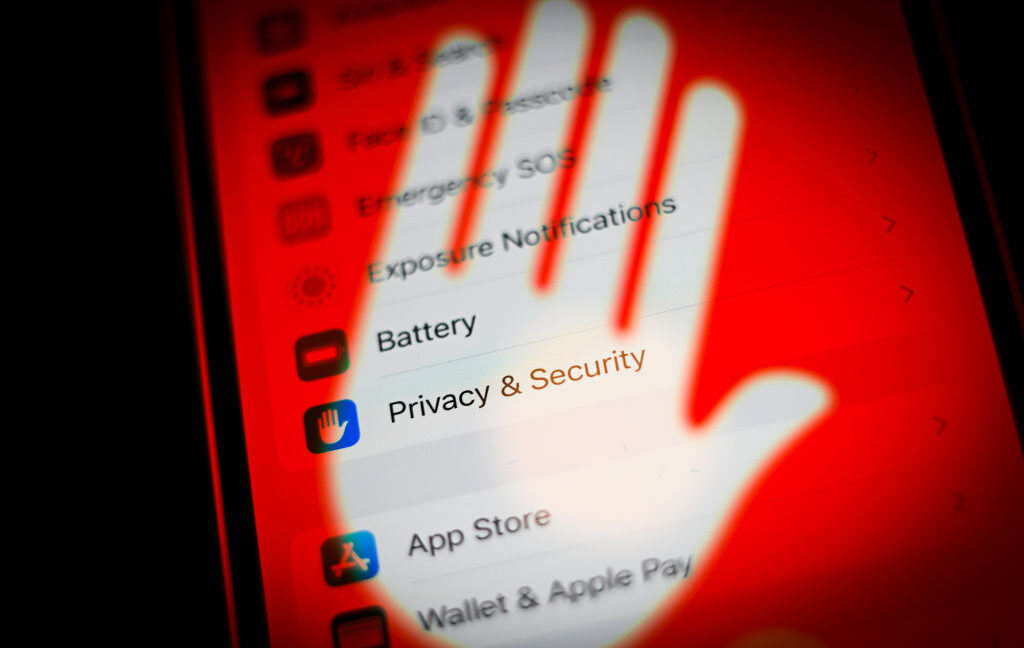
Apple hit with $115M fine for “extremely burdensome” App Store privacy policy
Apple was hit with a $115 million fine Monday after Italy’s competition authority alleged the tech giant was abusing its dominant position to harm third-party developers in its App Store.
In a press release, the Italian Competition Authority said that an “App Tracking Transparency” (ATT) privacy policy that Apple introduced in 2021 forced third-party developers to seek consent twice for the same data collection.
Requiring such “double consent” was “extremely burdensome” and “harmful” to some developers—especially the smallest developers, the regulator said. Many developers struggled to earn ad revenue after the policy was introduced, as users increasingly declined to opt into personalized ads.
Meanwhile, Apple may have benefited from the ATT restricting developers’ ad revenues, either “in the form of higher commissions collected from developers through the App Store and, indirectly, in terms of the growth of its own advertising service.” Since ATT was adopted, “revenues from App Store services increased,” the regulator said, as developers paid higher commissions and “likewise, Apple’s advertising division, which is not subject to the same stringent rules, ultimately benefited from increased revenues and higher volumes of intermediated ads.”
Without intervention, Apple would continue requiring third-party developers to provide an additional consent screen, which was “found to be disproportionate to the achievement of the company’s stated data protection objectives,” the press release said.
“Apple should have ensured the same level of privacy protection for users by allowing developers to obtain consent to profiling in a single step,” the regulator concluded.
Apple hit with $115M fine for “extremely burdensome” App Store privacy policy Read More »