battery factory

fewer-evs-need-fewer-batteries:-ford-and-sk-on-end-their-joint-venture

Fewer EVs need fewer batteries: Ford and SK On end their joint venture

Cast your mind back to 2021. Electric vehicles were hot stuff, buoyed by Tesla’s increasingly stratospheric valuation and a general optimism fueled by what would turn out to be the most significant climate-focused spending package in US history. For some time, automakers had been promising an all-electric future, and they started laying the groundwork to make that happen, partnering with battery suppliers and the like.

Take Ford—that year, it announced a joint venture with SK to build a pair of battery factories, one in Kentucky, the other in Tennessee. BlueOvalSK represented an $11.4 billion investment that would create 11,000 jobs, we were told, and an annual output of 60 GWh from both plants.

Four years later, things look very different. EV subsidies are dead, as is any inclination by the current government to hold automakers accountable for selling too many gas guzzlers. EV-heavy product plans have been thrown out, and designs for new combustion-powered cars are being dusted off and spiffed up. Fewer EVs means a lower need for batteries, and today we saw that in evidence when it emerged that Ford and SK On are ending their battery factory joint venture.

The news has not exactly shocked industry-watchers. Ford started to throttle back on the EV hype in 2024, throwing out not one but two EV strategies by that August. Disappointing F-150 Lightning sales saw Ford postpone a fully electric replacement (which is supposed to be built in Tennessee) in favor of a smaller midsize electric truck—supposedly much cheaper to build—due in 2027.

Divorce

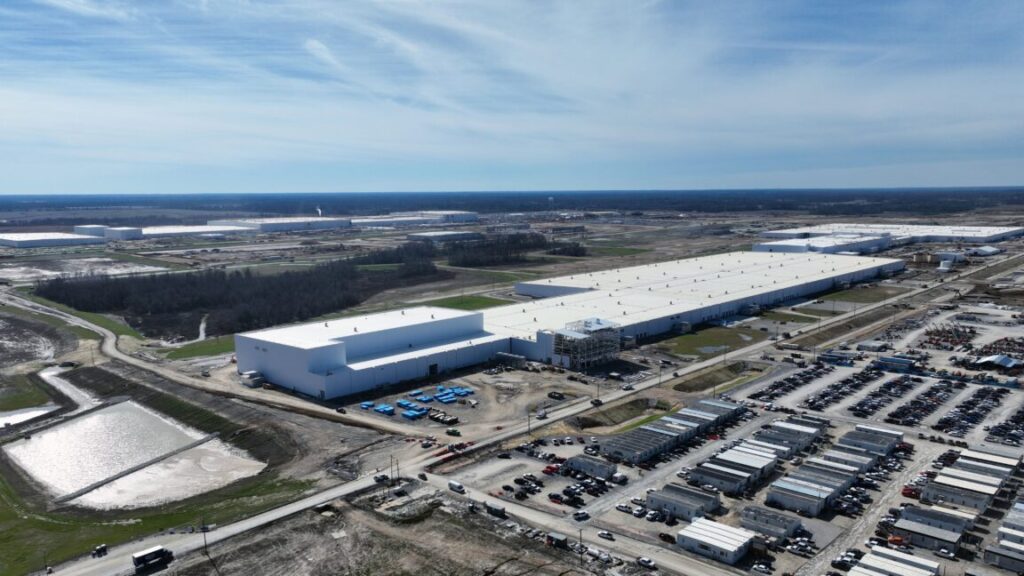
As for the two plants, a Ford subsidiary will assume full ownership of Blue Oval City in Kentucky, with SK On taking full ownership of the plant in Tennessee. According to Reuters, SK On decided to end the partnership due to the declining prospects of EV sales in the US. Instead, it intends to focus the Tennessee plant’s output on the energy storage market.

Fewer EVs need fewer batteries: Ford and SK On end their joint venture Read More »

toyota-will-spend-$1.4-billion-to-build-electric-3-row-suv-in-indiana

Toyota will spend $1.4 billion to build electric 3-row SUV in Indiana

more jobs —

This is a different new 3-row EV from the one Toyota will build in Kentucky.

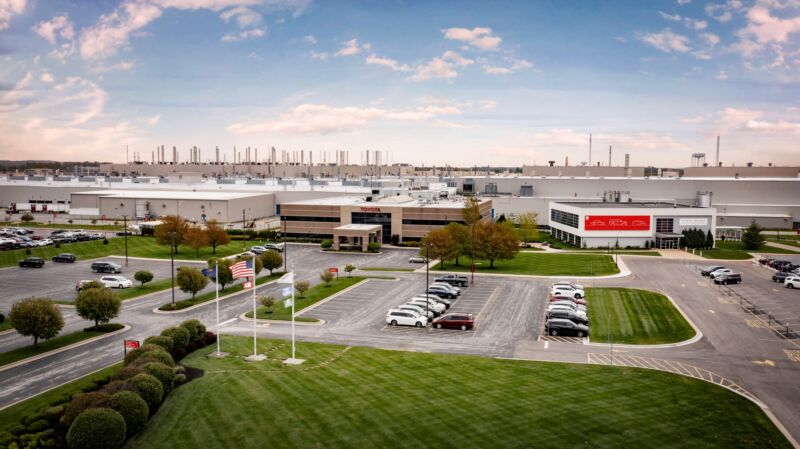
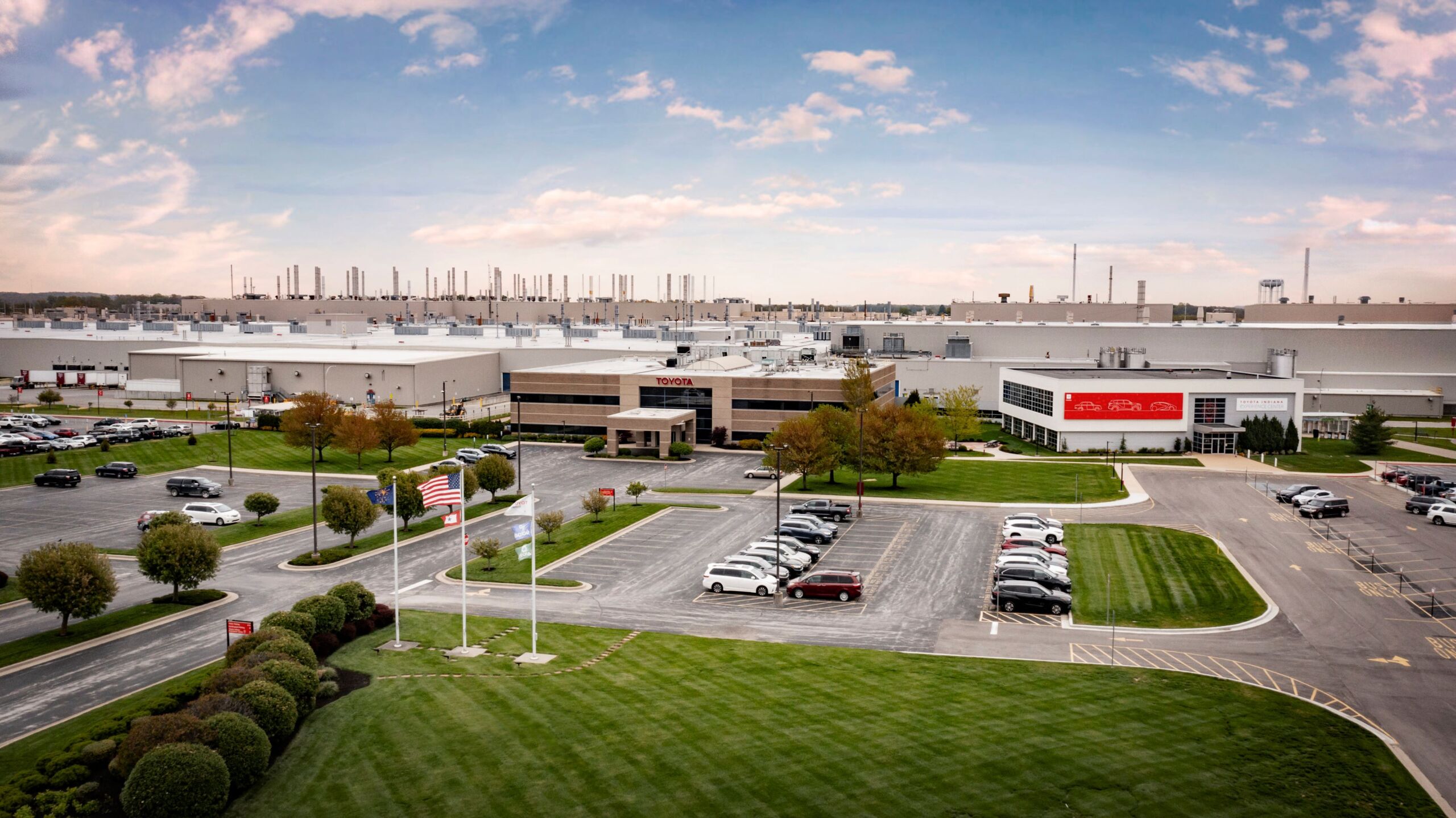
An aerial photo of the Toyota factory in Indiana

Enlarge / This Toyota factory in Indiana is getting a $1.4 billion investment so it can assemble a new three-row electric SUV for the automaker.

Toyota

US electric vehicle manufacturing got a bit of a boost today. Toyota has revealed that it is spending $1.4 billion to upgrade its factory in Princeton, Indiana, in order to assemble a new three-row electric SUV. That will add an extra 340 jobs to the factory, which currently employs more than 7,500 workers who assemble the Toyota Sienna minivan and the Toyota Highlander, Grand Highlander, and Lexus TX SUVs.

“Indiana and Toyota share a nearly 30-year partnership that has cultivated job stability and economic opportunity in Princeton and the surrounding southwest Indiana region for decades,” said Governor Eric Holcomb.

“Toyota’s investment in the state began with an $800 million commitment and has grown to over $8 billion. Today’s incredible announcement shows yet again just how important our state’s business-friendly environment, focus on long-term success, and access to a skilled workforce is to companies seeking to expand and be profitable far into the future. Indiana proudly looks forward to continuing to be at the center of the future of mobility,” Holcomb said.

Curiously, Toyota says this will be an entirely different new three-row electric SUV from the one that it will build at its factory in Georgetown, Kentucky. That plant upgrade, which was made public last summer, will cost Toyota $1.3 billion.

Part of the improvements to the Princeton plant include a battery pack assembly line, which will use cells produced at a $13.9 billion battery plant in North Carolina, which is due to open next year.

Toyota will spend $1.4 billion to build electric 3-row SUV in Indiana Read More »