In a major new report, scientists build rationale for sending astronauts to Mars
The committee also looked at different types of campaigns to determine which would be most effective for completing the science objectives noted above. The campaign most likely to be successful, they found, was an initial human landing that lasts 30 days, followed by an uncrewed cargo delivery to facilitate a longer 300-day crewed mission on the surface of Mars. All of these missions would take place in a single exploration zone, about 100 km in diameter, that featured ancient lava flows and dust storms.
Science-driven exploration
Notably, the report also addresses the issue of planetary protection, a principle that aims to protect both celestial bodies (i.e., the surface of Mars) and visitors (i.e., astronauts) from biological contamination. This has been a thorny issue for human missions to Mars, as some scientists and environmentalists say humans should be barred from visiting a world that could contain extant life.
In recent years, NASA has been working with the International Committee on Space Research to design a plan in which human landings might occur in some areas of the planet, while other parts of Mars are left in “pristine” condition. The committee said this work should be prioritized to reach a resolution that will further the design of human missions to Mars.
“NASA should continue to collaborate on the evolution of planetary protection guidelines, with the goal of enabling human explorers to perform research in regions that could possibly support, or even harbor, life,” the report states.
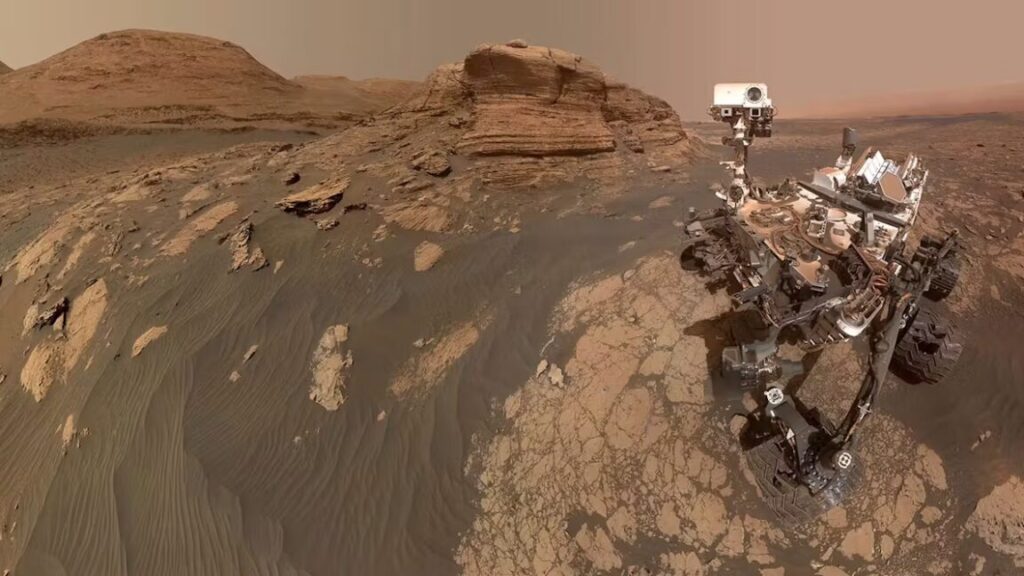
If NASA is going to get serious about pressing policymakers and saying it is time to fund a human mission to Mars, the new report is important because it provides the justification for sending people—and not just robots—to the surface of Mars. It methodically goes through all the things that humans can and should do on Mars and lays out how NASA’s human spaceflight and science exploration programs can work together.
“The report says here are the top science priorities that can be accomplished by humans on the surface of Mars,” Elkins-Tanton said. “There are thousands of scientific measurements that could be taken, but we believe these are the highest priorities. We’ve been on Mars for 50 years. With humans there, we have a huge opportunity.”
In a major new report, scientists build rationale for sending astronauts to Mars Read More »