memory shortage

kioxia’s-memory-is-“sold-out”-for-2026,-prolonging-a-“high-end-and-expensive-phase”

Kioxia’s memory is “sold out” for 2026, prolonging a “high-end and expensive phase”

The companies that make RAM and flash memory chips are enjoying record profits because of the AI-induced memory crunch—and they’re also indicating that they don’t expect conditions to improve much if at all in 2026. And while RAM kits have been hit the fastest and hardest by shortages and price increases, we shouldn’t expect SSD pricing to improve any time soon, either.

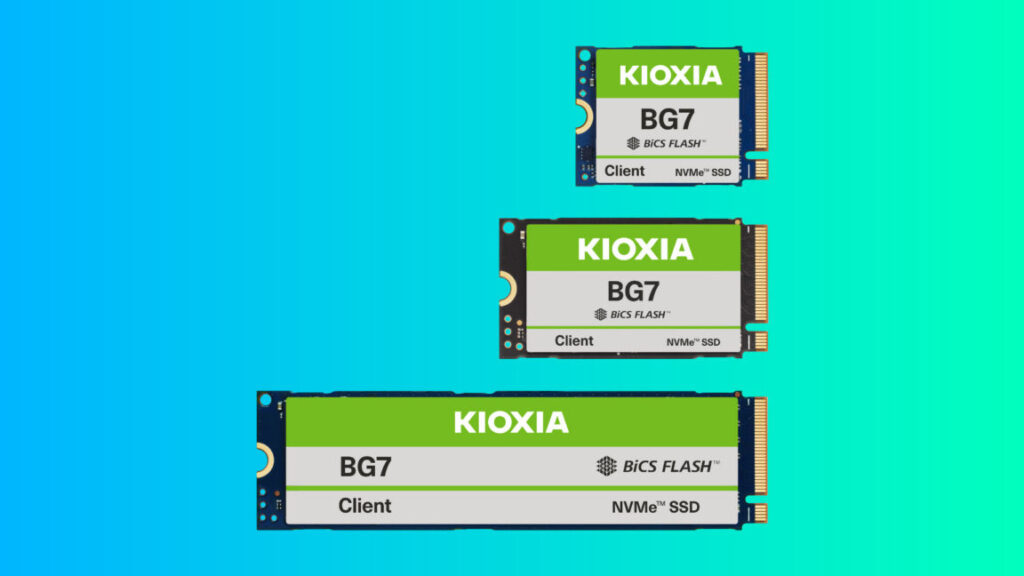
That’s the message from Shunsuke Nakato (via PC Gamer), managing director of the memory division of Kioxia, the Japanese memory company that was spun off from Toshiba at the end of the 2010s. Nakato says that Kioxia’s manufacturing capacity is sold out through the rest of 2026, driving the market for both enterprise and consumer SSDs to a “high-end and expensive phase.”

“There is a sense of crisis that companies will be eliminated the moment they stop investing in AI, so they have no choice but to continue investing,” said Nakato, as reported by the Korean-language publication Digital Daily. Absent a big change in the demand for generative AI data centers, that cycle of investments will keep prices high for the foreseeable future.

Nakato notes that Kioxia was attempting to increase its manufacturing capacity to meet the elevated demand, saying that it was taking steps to improve yields at its factory in Yokkaichi and that Kioxia expected another factory in Kitakami to begin “full-scale mass production” this year.

As we’ve seen during several chip shortages this decade, it takes time for chip shortages to abate because it takes years to build new factories and get them producing useful numbers of usable chips. Companies are also sometimes cautious about adding new capacity too quickly, lest market conditions change in the interim and leave them with piles of expensive memory that they have to discount heavily to sell.

Kioxia’s memory is “sold out” for 2026, prolonging a “high-end and expensive phase” Read More »
after-nearly-30-years,-crucial-will-stop-selling-ram-to-consumers

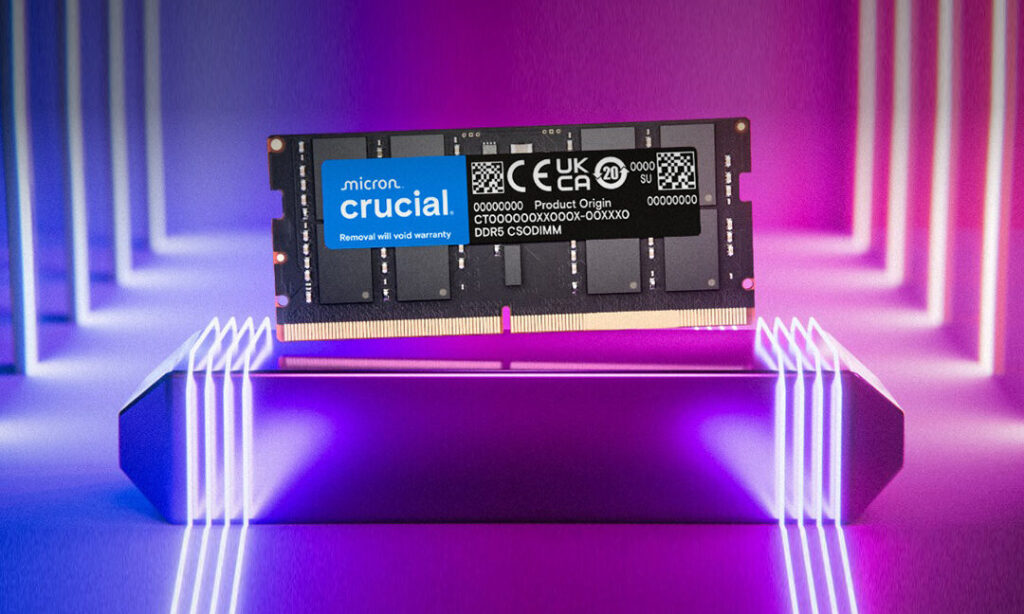
After nearly 30 years, Crucial will stop selling RAM to consumers

DRAM contract prices have increased 171 percent year over year, according to industry data. Gerry Chen, general manager of memory manufacturer TeamGroup, warned that the situation will worsen in the first half of 2026 once distributors exhaust their remaining inventory. He expects supply constraints to persist through late 2027 or beyond.

The fault lies squarely at the feet of AI mania in the tech industry. The construction of new AI infrastructure has created unprecedented demand for high-bandwidth memory (HBM), the specialized DRAM used in AI accelerators from Nvidia and AMD. Memory manufacturers have been reallocating production capacity away from consumer products toward these more profitable enterprise components, and Micron has presold its entire HBM output through 2026.

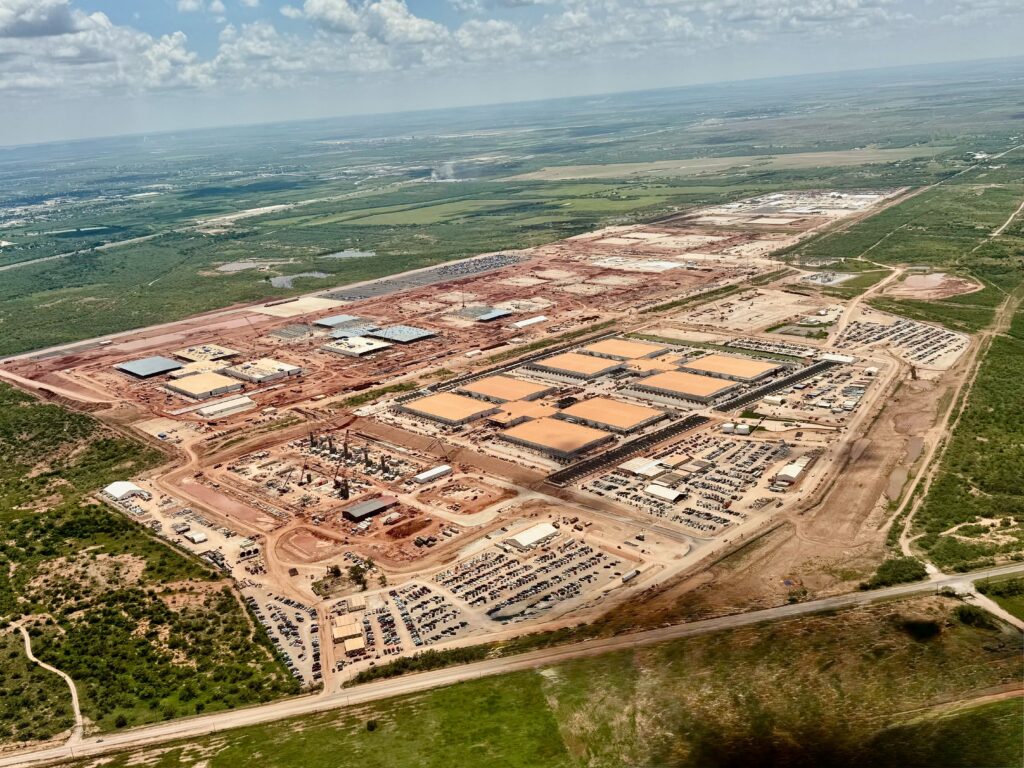
A photo of the

A photo of the “Stargate I” site in Abilene, Texas. AI data center sites like this are eating up the RAM supply. Credit: OpenAI

At the moment, the structural imbalance between AI demand and consumer supply shows no signs of easing. OpenAI’s Stargate project has reportedly signed agreements for up to 900,000 wafers of DRAM per month, which could account for nearly 40 percent of global production.

The shortage has already forced companies to adapt. As Ars’ Andrew Cunningham reported, laptop maker Framework stopped selling standalone RAM kits in late November to prevent scalping and said it will likely be forced to raise prices soon.

For Micron, the calculus is clear: Enterprise customers pay more and buy in bulk. But for the DIY PC community, the decision will leave PC builders with one fewer option when reaching for the RAM sticks. In his statement, Sadana reflected on the brand’s 29-year run.

“Thanks to a passionate community of consumers, the Crucial brand has become synonymous with technical leadership, quality and reliability of leading-edge memory and storage products,” Sadana said. “We would like to thank our millions of customers, hundreds of partners and all of the Micron team members who have supported the Crucial journey for the last 29 years.”

After nearly 30 years, Crucial will stop selling RAM to consumers Read More »