SEMA

electric-vehicles-cause-tension-in-the-automotive-aftermarket

Electric vehicles cause tension in the automotive aftermarket

After federal clean vehicle tax credits ended in September, the electric vehicle industry reached a crossroads. Well, technically, it has been there since Trump took office. This is a weird period in automotive history; A chunk of the industry is full-steam ahead with EV development, another is cutting back, and the consumer is left wondering what the electrification landscape will look like next year, let alone in three, during the next administration.

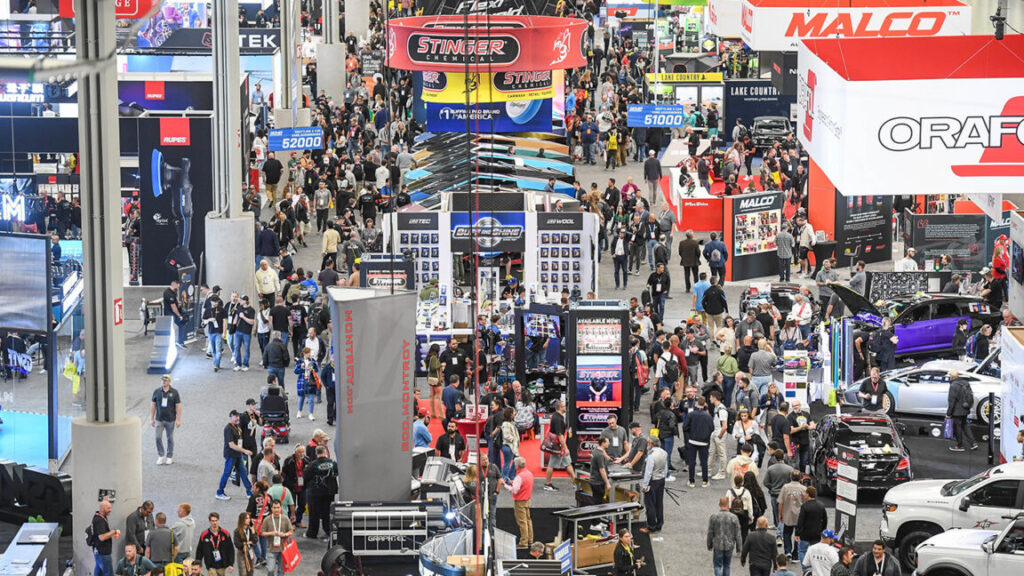
But what about the automotive aftermarket? Typically, this corner benefits from whatever progress is made on the OEM front—have Trump’s policies expanded or contracted its EV technological development? I recently spent some time chatting with personnel of the Specialty Equipment Market Association (SEMA) at its yearly tradeshow in Las Vegas to find out. I also hit the bricks (or, rather, bright carpeting) of the massive show itself, seeking out some new, unique developments in the space that behoove EV tech’s inherent benefits.

Above one of the show’s several sprawling halls, I met with Mike Spagnola, SEMA’s CEO, and Karen Bailey-Chapman, senior vice president, public and government affairs, to learn what the organization’s official stance is. First and foremost: It doesn’t want to be told what to do.

Trump-like talking points

“Thirty-three percent of our industry would’ve been wiped out had EV mandates continued,” Bailey-Chapman said, referring to future federal fuel efficiency regulations that would have required automakers to sell many more EVs to avoid punishing fines. Those efficiency targets were just ripped up by the Trump administration.

“The reality is that we embrace EVs, we embrace all technologies. If it moves on wheels, we’re good… but what we are against is that we have to choose this, and that’s it,” she said.

She claimed that over the past couple of years, SEMA has become more political than ever before, advocating heavily for what it finds to be the best way forward for its members. Part of that includes limiting the power of the California Air Resources Board (CARB), which was given the power to regulate California’s air quality after decades of smog affected the Los Angeles basin.

Electric vehicles cause tension in the automotive aftermarket Read More »
kia-says-its-new-ev-camper-concept-is-the-“ideal-escape-pod”

Kia says its new EV camper concept is the “ideal escape pod”

Whenever we write about electric vans, the comments reveal a growing but pent-up demand for a camper version. Well, it seems that those vibes are being felt at Kia. It has created a pair of concepts for the  Specialty Equipment Marketing Association (SEMA) automotive trade show, which got underway in Las Vegas today.

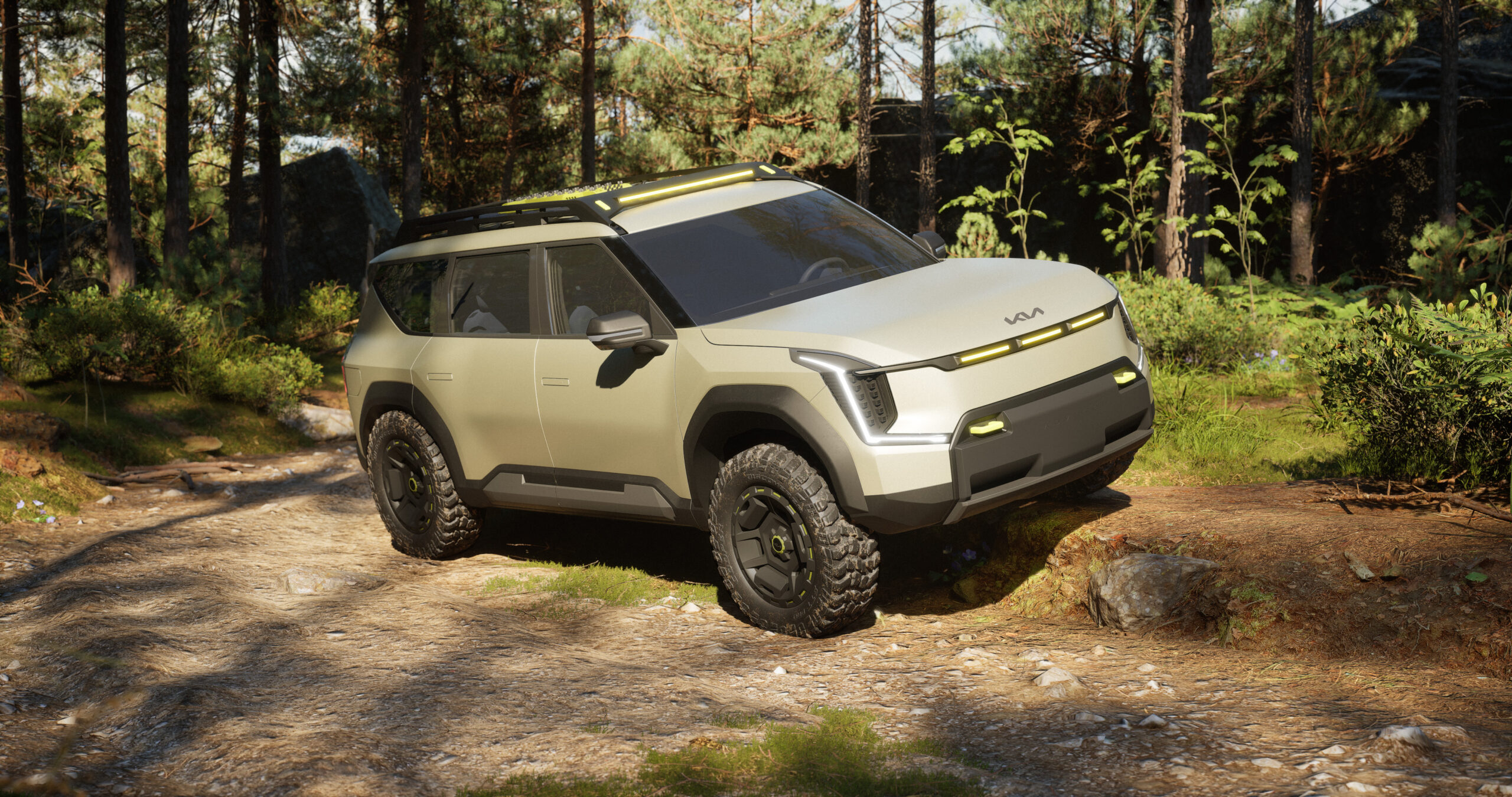
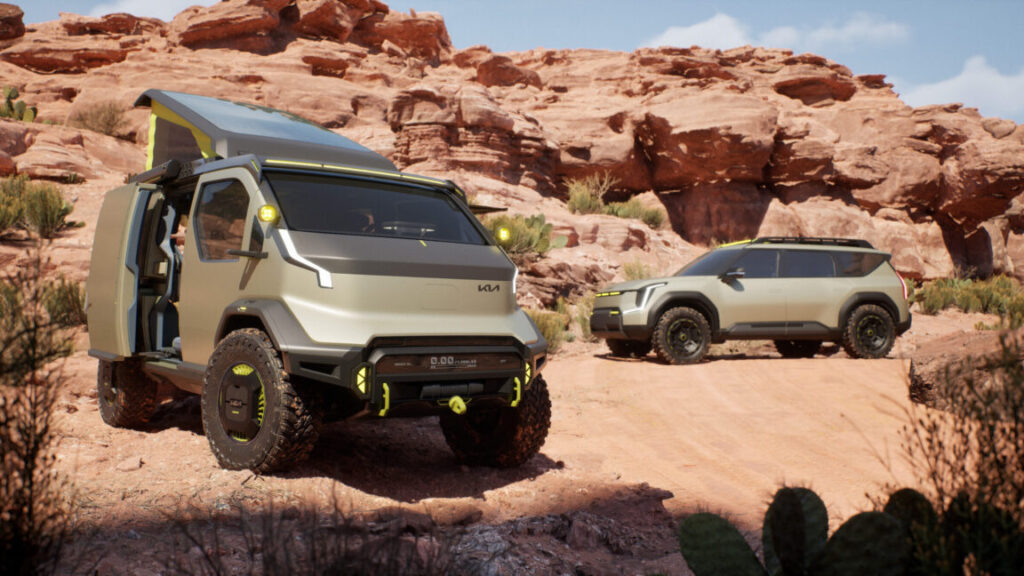
One of the two concepts will look more familiar—the EV9 ADVNTR is based on the popular electric three-row SUV. But the other is the PV5 WKNDR, a rugged off-road camper based on a forthcoming Kia electric van platform.

The EV9 ADVNTR makes good use of the existing EV9’s angular design, with new sections filled in with protective cladding. There’s a suspension lift and all-terrain tires, plus a roof rack, to distinguish it from lesser EV9s, but otherwise it’s relatively stock.

A green electric Kia EV9 concept seen in a forest

The EV9 ADVNTR could be a rival for Rivian, although I’m not sure if there’s any production intent. Credit: Kia

The PV5 WKNDR is the more interesting of the two. Like the SUV, it’s lifted and wears off-road tires and sports the same matte-green-with-yellow-highlights color scheme. Designed to be “the ideal escape pod for extended weekends in nature,” it now features a pop-up camper roof complete with solar panels.

There’s another pop-out section from the side for storing gear while you’re parked and set up (called the gear head), and a reconfigurable interior depending on your mood. A kitchen with an induction stove pops out of the side of the WKNDR, and you can use the gear head as a pantry, Kia says.

The production PV5 is set to go on sale in Korea next year. Kia

Since we’ve only seen renders so far, it’s hard to know how much of the tech on the PV5 WKNDR is real. The press kit says that the solar panels can charge the PV5’s batteries, but so, too, can “unique hydro turbine wheels.” It does not elaborate on what these are, but it sounds like maybe you can stick a wheel in a running stream and it’ll spin the motor, thereby generating electricity? If I were at SEMA, I would be sure to ask.

Kia says its new EV camper concept is the “ideal escape pod” Read More »