Abortion

she’ll-mess-with-texas:-nurse-keeps-mailing-abortion-pills,-despite-paxton-lawsuit

She’ll mess with Texas: Nurse keeps mailing abortion pills, despite Paxton lawsuit


Texas sues Delaware nurse practitioner shipping out hundreds of abortion pills each month.

A Texas fight with a nurse practitioner may eventually push the Supreme Court to settle an intensifying battle between states with strict abortion-ban laws and those with shield laws to protect abortion providers supporting out-of-state patients.

In a lawsuit filed Tuesday, Texas Attorney General Ken Paxton accused Debra Lynch, a Delaware-based nurse practitioner, of breaking Texas laws by shipping abortion pills that Lynch once estimated last January facilitated “up to 162 abortions per week” in the state.

“No one, regardless of where they live, will be freely allowed to aid in the murder of unborn children in Texas,” Paxton’s press release said.

In August, Paxton sent a cease-and-desist letter to shut down Lynch’s website, Her Safe Harbor, which she runs with her husband, Jay, a former communications director for Delaware’s health and social services department, alongside other volunteer licensed prescribers.

Fretting that Her Safe Harbor continues to advertise that Texas patients can get access to abortion pills “within days,” Paxton characterized Her Safe Harbor as an “extremist group” supposedly endangering women and unborn children in the state. To support that claim, Paxton cited two unrelated lawsuits where men allegedly ordered pills from other providers to poison pregnant partners and force miscarriages.

But Lynch told The New York Times that her lawyers advised her to ignore the demand letter, because Delaware’s shield law is one of the strongest in the country. Just before Paxton sent the letter, Delaware’s law was updated to clarify that it specifically “provides protection from civil and criminal actions that arise in another state that are based on the provision of health care services that are legal in Delaware,” the Times noted. And “even before that,” she said her lawyers “advised her that Delaware’s shield law protects her work.”

Paxton seems to expect the court will agree that shield laws cannot overrule state abortion ban laws or laws prohibiting out-of-state health practitioners from operating on Texans without a state license. His lawsuit demands a temporary and permanent injunction shutting down Her Safe Harbor, as well as the highest possible fines.

In a loss, Lynch could owe millions, as each mail order would be considered a violation of the state’s Human Life Protection Act, Paxton alleged, triggering a minimum $100,000 fine per violation. She could also face substantial jail time, the Austin American-Statesman reported, since Texas abortion “providers risk up to 99 years in prison.”

However, Lynch told the Times on Wednesday that the lawsuit will not stop her from shipping pills into Texas. She’s been anticipating this fight since at least the beginning of last year and remains committed to helping pregnant people in states with strict abortion laws get support from a qualified health provider. She fears that otherwise, they’ll feel driven to take riskier steps that could endanger their lives.

“I don’t fear Ken Paxton,” Lynch told the Statesman last January. “I don’t fear getting arrested or anything like that.”

Nurse plans to defend shield laws

This is the third lawsuit Paxton has filed against an out-of-state abortion pill provider, his press release noted. Legal experts who support abortion ban laws, as well as those supporting abortion shield laws, told the NYT they expect the Supreme Court to eventually weigh the arguments on both sides. If that happened, it could impact law enforcement in about a third of states with “near-total” abortion bans, as well as more than 20 states that enacted abortion shield laws.

To Lynch, abortion ban laws have already proven disastrous, doing more harm than good.

The Statesman cited data from the Society of Family Planning (SFP), showing that after the Supreme Court overturned Roe v. Wade in 2022, medication abortion by telehealth became much more popular in the US. In 2022, this type of service accounted for approximately 1 in 25 abortions; by 2024, the numbers had shot to 1 in 5.

“Nearly half of those prescriptions went to patients in states with abortion bans or restrictions on telehealth abortion,” the Statesman reported, and SFP’s data showed that Texas residents, particularly, were turning more to telehealth. In the first half of 2024, 2,800 Texans per month received abortion medication by mail, which was “more than any other abortion-restricted state,” the data showed.

SFP also found that, overall, abortions had increased following tighter restrictions, totaling more than 1 million in 2023, which SFP noted was “the highest number in more than a decade.”

Lynch told the Statesman that abortion-ban laws “hadn’t stopped her from mailing the medications. They hadn’t stopped patients from receiving them. They just created hundreds of miles between patients and providers,” leaving women “feeling isolated and afraid to access a procedure that’s legal in half the country, and which had been legal everywhere in the US for half a century.”

“They’re truly alone,” Lynch said. “That frightens the hell out of me.”

Lynch’s case, or one of the other Texas lawsuits, could put shield laws to the test and one day clarify for all US residents if medication abortion by telehealth is legal in states with more restrictive laws.

A win could back up shield laws and block Texas from prosecuting providers like Lynch, as well as from enforcing proposed laws like Texas’ House Bill 991. If passed, that law would let Texas residents sue Internet service providers for failing to block abortion pill providers’ websites.

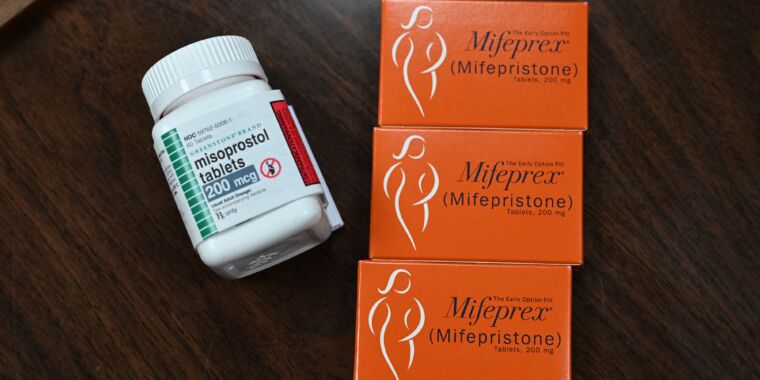
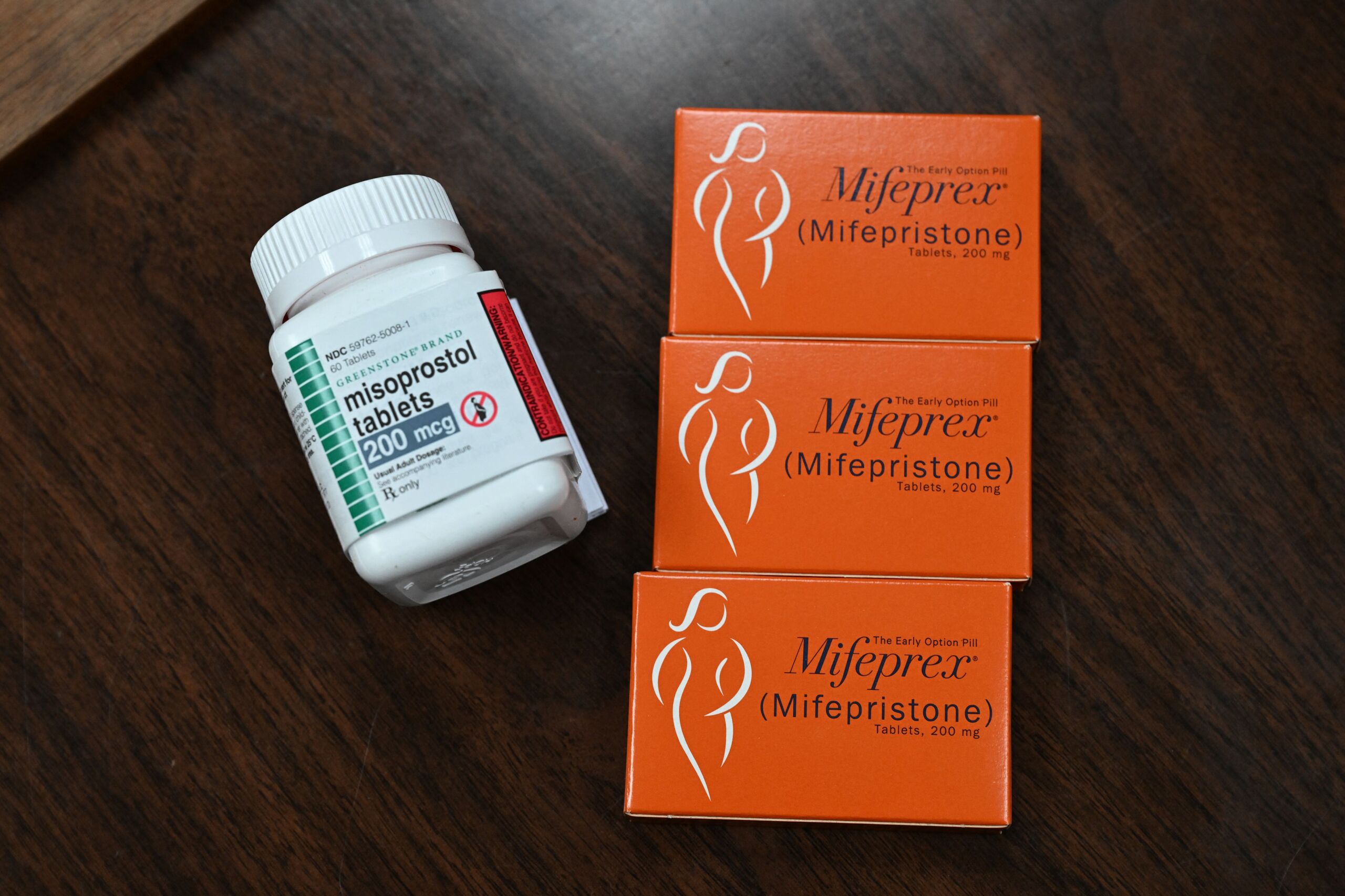
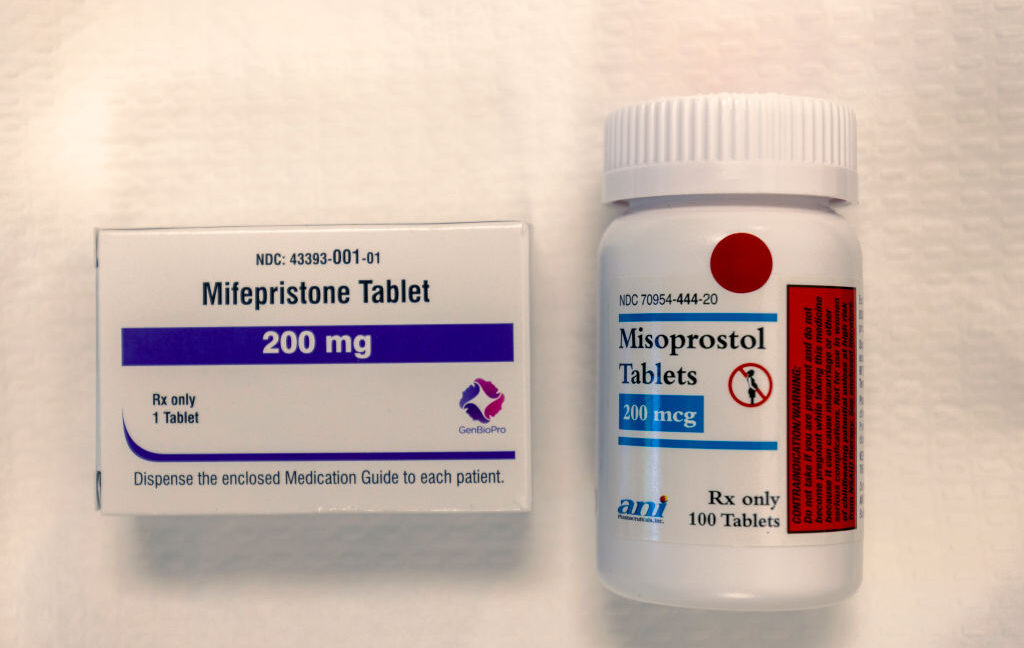
On the Her Safe Harbor website, Lynch and her partners say that patient safety is their priority and that they go beyond what typical providers offer to ensure that people seeking abortions are well cared for. The website details which abortion pills patients will receive (Mifepristone and Misoprostol), while, unlike other abortion providers, also sends pain and nausea medication at no cost. Both the NYT and the Statesman’s reporters confirmed that Her Safe Harbor is also available for patients to check in with any questions or concerns throughout the process.

Paxton seems fixated on Her Safe Harbor’s claims that orders can be shipped to all states, regardless of state laws, which he alleged makes women not seeking abortions vulnerable to attacks by male partners.

However, Her Safe Harbor takes steps to speak directly with patients in states with the most restrictive abortion laws. An Ars test showed that patients seeking consultations from such states are encouraged to call health care providers directly, rather than submit a form that their state could try to subpoena, a step that could prevent the kinds of attacks that Paxton fears. Of course, anyone can still choose to initiate the process using the consultation form, with Her Safe Harbor providing reassurances that the group “has never and will never disclose any private health data to any authority. We will not comply if we are ever subpoenaed.”

“This lawsuit is not about patient safety”

In email comments, Jay Lynch, who helps run Her Safe Harbor with his wife, told Ars that Paxton’s lawsuit is not trying to “protect life” but seeking to “silence medicine.”

“Every day, we provide evidence-based medical care to women who are scared, vulnerable, and often out of options,” Jay said. “We assess medical history. We evaluate risk. We follow clinical guidelines. We act to prevent complications, hospitalizations, infertility, and death. That is what medicine is supposed to do: save lives and reduce harm.”

Jay accused Paxton of “trying to expand state control across borders” and “intimidate providers everywhere.”

“This lawsuit is not about patient safety,” Jay said. “It is about who gets to decide what care is allowed: trained medical professionals—or politicians with no clinical expertise.”

To Jay, a win for Paxton would put patients in a risky place, forcing doctors and nurses to choose between “doing what is medically right, or doing what is politically ‘safe.’”

“That is a dangerous place for any healthcare system to be,” Jay said, noting that “when politicians override clinicians, patients pay the price” through delayed treatment, worsening injuries, preventable emergencies, lost fertility, or their lives.

Working with her husband and other providers, Lynch told the NYT that Her Safe Harbor is currently shipping out hundreds of packages a month. She vowed that as long as threats to abortion access continued to risk women’s lives, the shipments would never stop.

“Women are losing their lives and children are winding up orphans, and babies are being born with non-life-sustaining medical conditions” due to abortion bans and restrictive laws, Lynch told the NYT. “As long as that is happening, there’s absolutely nothing or nobody that will deter us from our mission to bring health care to women.”

Photo of Ashley Belanger

Ashley is a senior policy reporter for Ars Technica, dedicated to tracking social impacts of emerging policies and new technologies. She is a Chicago-based journalist with 20 years of experience.

She’ll mess with Texas: Nurse keeps mailing abortion pills, despite Paxton lawsuit Read More »
in-abortion-ban-states,-sterilization-spiked-after-dobbs-and-kept-climbing

In abortion ban states, sterilization spiked after Dobbs and kept climbing

Can’t blame ’em —

Sterilizations spike with abortion bans and declining access to care and contraception.

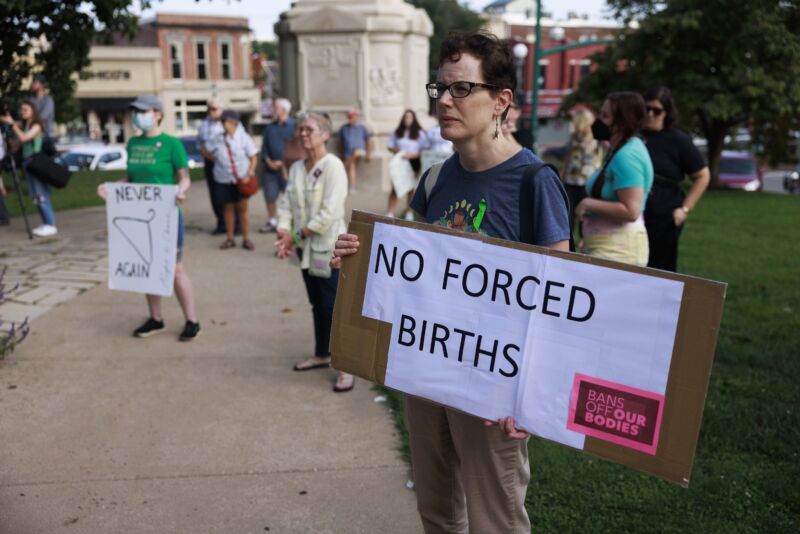
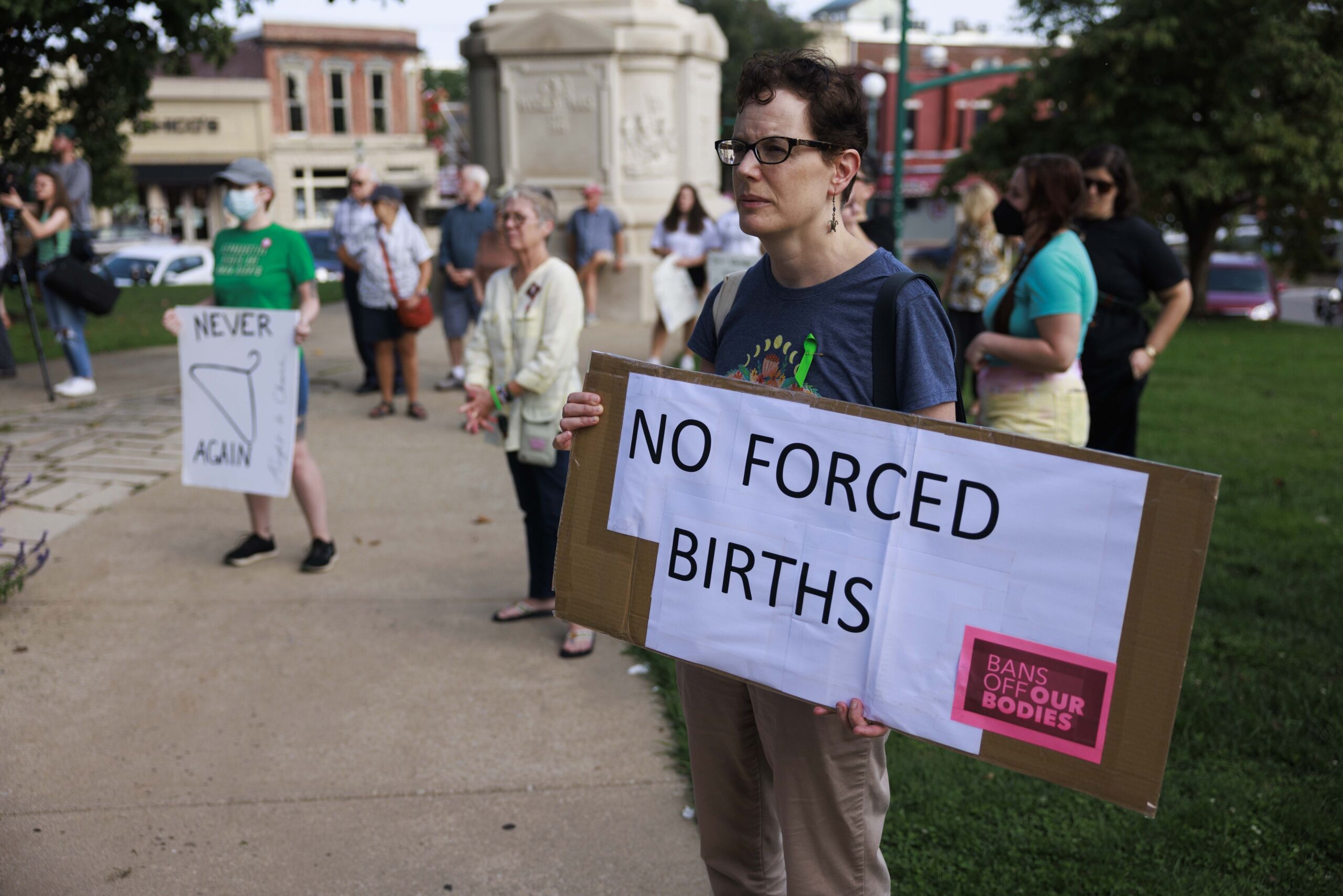
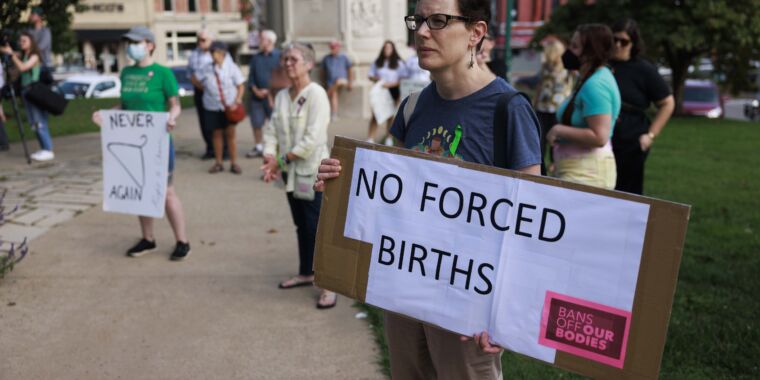
A woman holds a placard saying

Enlarge / A woman holds a placard saying “No Forced Births” as abortion rights activists gather at the Monroe County Courthouse for a protest vigil a few hours before Indianas near total abortion ban goes into effect on September 15, 2022.

The more abortion access is jeopardized, the more women turn to sterilization, according to a new report in JAMA that drew on health insurance claims of nearly 4.8 million women in the US.

In states that enacted total or near-total abortion bans following the US Supreme Court’s Dobbs decision in June 2022, the rate of sterilizations among reproductive-age women that July spiked 19 percent. A similar initial spike was seen across the nation, with states that either limited or protected access to abortions seeing a 17 percent increase.

But, after that, states with bans saw a divergent trend. The states that limited or protected abortion access saw sterilization procedures largely level off after July 2022. In contrast, states with bans continued to see increases. From July 2022 to December 2022, use of sterilization procedures increased by 3 percent each month.

The study adds to previous data finding that overturning Roe v. Wade and limiting legal access to abortion spurred reproductive-age people to seek permanent contraception. A study published in JAMA Health Forum in April, for instance, found an abrupt increase in tubal ligation and vasectomies in people aged 18 to 30 shortly after the Dobbs decision. The current study furthers the finding by assessing trends of sterilization procedures in the context of state abortion laws and policies.

The surge in sterilization is just one of the many ways reproductive healthcare in the US has been rocked or upended by the Supreme Court’s 2022 decision. In June, a study in JAMA Network Open found that states with the most restrictive abortion policies saw declines in prescriptions filled for birth control pills and emergency contraception. The finding suggests that the abortion bans and limitations have disrupted and created barriers to contraception access in restrictive states.

On Tuesday, meanwhile, the March of Dimes released a report painting a bleak picture for Americans who become pregnant. The analysis found that over half of US counties do not have a hospital that provides obstetric care. In the last two years, 1 in 25 obstetric units shut down. Further, 35 percent of counties in the US are considered maternity deserts, meaning that 1,104 counties in the US do not have a birthing facility or even a single obstetric clinician. Living in a maternity desert is associated with receiving less prenatal care and higher rates of preterm birth. Those 1,104 counties are home to 2.3 million women of reproductive age who gave birth to over 150,000 babies in 2022.

The US continues to have the highest rate of maternal deaths among any high-income country, with Black women seeing the highest death rates, according to the latest report from the Commonwealth Fund.

In abortion ban states, sterilization spiked after Dobbs and kept climbing Read More »

scotus-rejects-challenge-to-abortion-pill-for-lack-of-standing

SCOTUS rejects challenge to abortion pill for lack of standing

“Near miss” —

The anti-abortion defendants are not injured by the FDA’s actions on mifepristone.

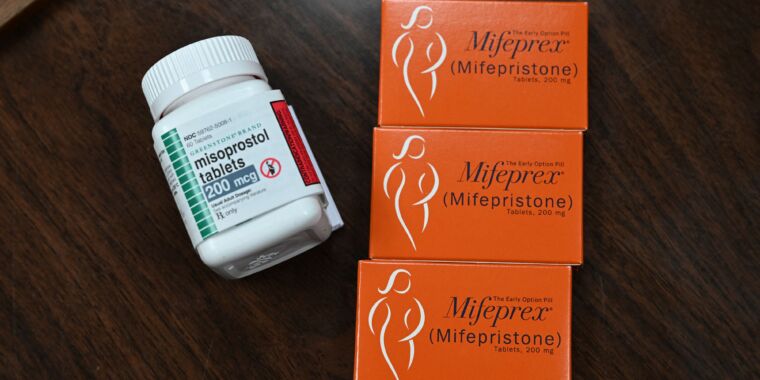
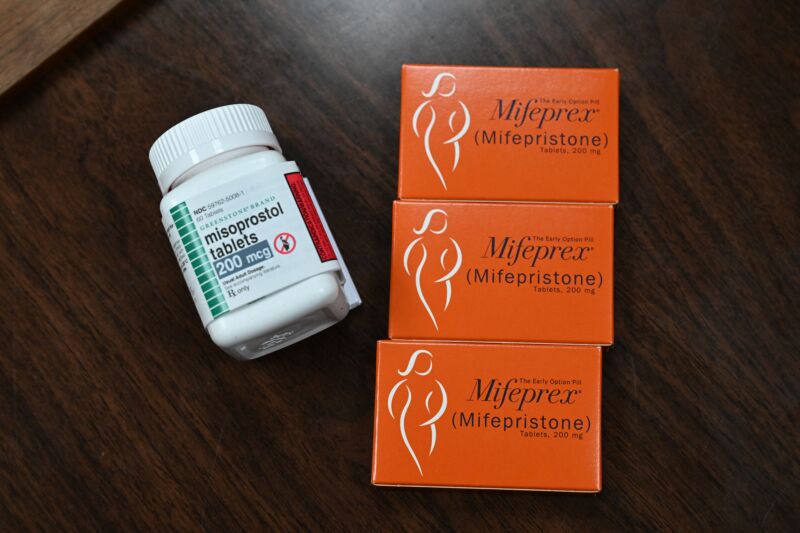
Mifepristone (Mifeprex) and misoprostol, the two drugs used in a medication abortion, are seen at the Women's Reproductive Clinic, which provides legal medication abortion services, in Santa Teresa, New Mexico, on June 17, 2022.

Enlarge / Mifepristone (Mifeprex) and misoprostol, the two drugs used in a medication abortion, are seen at the Women’s Reproductive Clinic, which provides legal medication abortion services, in Santa Teresa, New Mexico, on June 17, 2022.

The US Supreme Court on Thursday struck down a case that threatened to remove or at least restrict access to mifepristone, a pill approved by the Food and Drug Administration for medication abortions and used in miscarriage care. The drug has been used for decades, racking up a remarkably good safety record in that time. It is currently used in the majority of abortions in the US.

The high court found that the anti-abortion medical groups that legally challenged the FDA’s decision to approve the drug in 2000 and then ease usage restrictions in 2016 and 2021 simply lacked standing to challenge any of those decisions. That is, the groups failed to demonstrate that they were harmed by the FDA’s decision and therefore had no grounds to legally challenge the government agency’s actions. The ruling tracks closely with comments and questions the justices raised during oral arguments in March.

“Plaintiffs are pro-life, oppose elective abortion, and have sincere legal, moral, ideological, and policy objections to mifepristone being prescribed and used by others,” the Supreme Court noted in its opinion, which included the emphasis on “by others.” The court summarized that the groups offered “complicated causation theories to connect FDA’s actions to the plaintiffs’ alleged injuries in fact,” and the court found that “none of these theories suffices” to prove harm.

Weak arguments

The anti-abortion medical groups, led by the Alliance for Hippocratic Medicine, argued that the FDA’s relaxation of mifepristone regulations could cause “downstream conscience injuries” to doctors who are forced to treat patients who may suffer (rare) complications from the drug. But the court noted that there are already strong federal conscience laws in place that protect doctors who refuse to participate in abortion care. Further, the doctors failed to provide any examples of being forced to provide care against their conscience.

The plaintiffs further claimed “downstream economic injuries” by way of having to divert resources from other patients and services. But the court flatly knocked down this argument, too, noting that the argument is “too speculative, lacks support in the record, and is otherwise too attenuated to establish standing.” Further, the organizations claimed that the FDA’s actions “caused” them to conduct studies and “forced” them to engage in advocacy and outreach efforts. “But an organization that has not suffered a concrete injury caused by a defendant’s action cannot spend its way into standing simply by expending money to gather information and advocate against the defendant’s action,” the Supreme Court ruled.

In a response to the ruling, reproductive health rights group National Institute for Reproductive Health blasted the lower courts’ actions that brought the case to the Supreme Court and described it as a warning. “This case should never have made it to the Supreme Court in the first place,” Haydee Morales, interim president of NIRH, said in a statement. “Anti-abortion operatives brought this case with one goal in mind—to ban medication abortion and they failed. This case was a near miss for the science and medicine community and it won’t be the last attack.”

SCOTUS rejects challenge to abortion pill for lack of standing Read More »

scotus-mifepristone-case:-justices-focus-on-anti-abortion-groups’-legal-standing

SCOTUS mifepristone case: Justices focus on anti-abortion groups’ legal standing

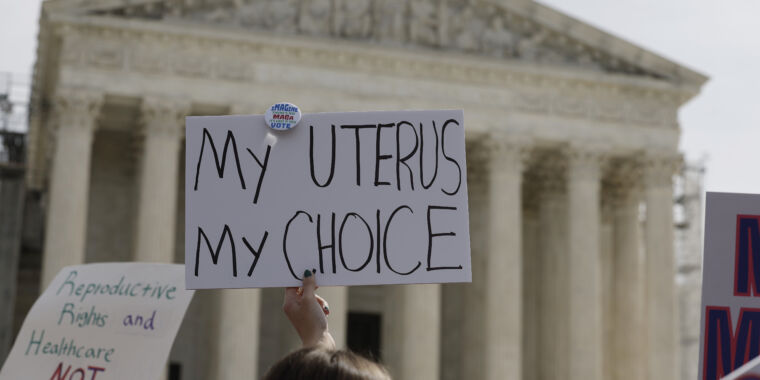
Demonstrators participate in an abortion-rights rally outside the Supreme Court as the justices of the court hear oral arguments in the case of the <em>US Food and Drug Administration v. Alliance for Hippocratic Medicine</em> on March 26, 2024 in Washington, DC.” src=”https://cdn.arstechnica.net/wp-content/uploads/2024/03/GettyImages-2115237711-800×533.jpeg”></img><figcaption>
<p><a data-height=Enlarge / Demonstrators participate in an abortion-rights rally outside the Supreme Court as the justices of the court hear oral arguments in the case of the US Food and Drug Administration v. Alliance for Hippocratic Medicine on March 26, 2024 in Washington, DC.

The US Supreme Court on Tuesday heard arguments in a case seeking to limit access to the abortion and miscarriage drug mifepristone, with a majority of justices expressing skepticism that the anti-abortion groups that brought the case have the legal standing to do so.

The case threatens to dramatically alter access to a drug that has been safely used for decades and, according to the Guttmacher Institute, was used in 63 percent of abortions documented in the health care system in 2023. But, it also has sweeping implications for the Food and Drug Administration’s authority over drugs, marking the first time that courts have second-guessed the agency’s expert scientific analysis and moved to restrict access to an FDA-approved drug.

As such, the case has rattled health experts, reproductive health care advocates, the FDA, and the pharmaceutical industry alike. But, based on the line of questioning in today’s oral arguments, they have reason to breathe a sigh of relief.

Standing

The case was initially filed in 2022 by a group of anti-abortion organizations led by the Alliance for Hippocratic Medicine. They collectively claimed that the FDA’s approval of mifepristone in 2000 was unlawful, as were FDA actions in 2016 and 2021 that eased access to the drug, allowing for it to be prescribed via telemedicine and dispensed through the mail. The anti-abortion groups justified bringing the lawsuit by claiming that the doctors in their ranks are harmed by the FDA’s actions because they are forced to treat girls and women seeking emergency medical care after taking mifepristone and experiencing complications.

The FDA and numerous medical organizations have emphatically noted that mifepristone is extremely safe and the complications the lawsuit references are exceedingly rare. Serious side effects occur in less than 1 percent of patients, and major adverse events, including infection, blood loss, or hospitalization, occur in less than 0.3 percent, according to the American College of Obstetricians and Gynecologists. Deaths are almost non-existent.

Still, a conservative federal judge in Texas sided with the anti-abortion groups last year, revoking the FDA’s 2000 approval. A conservative panel of judges for the Court of Appeals for the 5th Circuit in New Orleans then partially overturned the ruling, undoing the lower court’s ruling on the 2000 approval, allowing the FDA’s approval to stand, but still finding the FDA’s 2016 and 2021 actions unlawful. The ruling was frozen until the Supreme Court weighed in.

Today, many of the Supreme Court Justices went back to the very beginning: the claimed scenario that the plaintiff doctors have been or will imminently be harmed by the FDA’s actions. At the outset of the hearings, Solicitor General Elizabeth Prelogar argued that the plaintiffs had not been harmed, and, even if they were, they already had federal protections and recourse. Any doctor who consciously objects to caring for a patient who has had an abortion already has federal protections that prevent them from being forced to provide that care, Prelogar argued. As such, hospitals have legal obligations and have set up contingency and staffing plans to prevent violating those doctors’ federal conscious objection protections.

SCOTUS mifepristone case: Justices focus on anti-abortion groups’ legal standing Read More »

anti-abortion-group’s-studies-retracted-before-supreme-court-mifepristone-case

Anti-abortion group’s studies retracted before Supreme Court mifepristone case

retracted —

A large number of other, non-retracted studies find mifepristone to be very safe.

Mifepristone (Mifeprex) and misoprostol, the two drugs used in a medication abortion, are seen at the Women's Reproductive Clinic, which provides legal medication abortion services, in Santa Teresa, New Mexico, on June 17, 2022.

Enlarge / Mifepristone (Mifeprex) and misoprostol, the two drugs used in a medication abortion, are seen at the Women’s Reproductive Clinic, which provides legal medication abortion services, in Santa Teresa, New Mexico, on June 17, 2022.

Scientific journal publisher Sage has retracted key abortion studies cited by anti-abortion groups in a legal case aiming to revoke regulatory approval of the abortion and miscarriage medication, mifepristone—a case that has reached the US Supreme Court, with a hearing scheduled for March 26.

On Monday, Sage announced the retraction of three studies, all published in the journal Health Services Research and Managerial Epidemiology. All three were led by James Studnicki, who works for The Charlotte Lozier Institute, a research arm of Susan B. Anthony Pro-Life America. The publisher said the retractions were based on various problems related to the studies’ methods, analyses, and presentation, as well as undisclosed conflicts of interest.

Two of the studies were cited by anti-abortion groups in their lawsuit against the Food and Drug Administration (Alliance for Hippocratic Medicine v. FDA), which claimed the regulator’s approval and regulation of mifepristone was unlawful. The two studies were also cited by District Judge Matthew Kacsmaryk in Texas, who issued a preliminary injunction last April to revoke the FDA’s 2000 approval of mifepristone. A conservative panel of judges for the 5th Circuit Court of Appeals in New Orleans partially reversed that ruling months later, but the Supreme Court froze the lower court’s order until the appeals process had concluded.

Mifepristone, considered safe and effective by the FDA and medical experts, is used in over half of abortions in the US.

Criticism

Amid the legal dispute, the now-retracted studies drew immediate criticism from experts, who pointed out flaws. Of the three, the most influential and heavily criticized is the 2021 study titled “A Longitudinal Cohort Study of Emergency Room Utilization Following Mifepristone Chemical and Surgical Abortions, 1999–2015” (PDF). The study suggested that up to 35 percent of women on Medicaid who had a medication abortion between 2001 and 2015 visited an emergency department within 30 days afterward. Its main claim was that medication abortions led to a higher rate of emergency department visits than surgical abortions.

Critics noted a number of problems: The study looked at all emergency department visits, not only visits related to abortion. This could capture medical care beyond abortion-related conditions, because people on Medicaid often lack primary care and resort to going to emergency departments for routine care. When the researchers tried to narrow down the visits to just those related to abortion, they included medical codes that were not related to abortion, such as codes for ectopic pregnancy, and they didn’t capture the seriousness of the condition that prompted the visit. Medication abortions can cause bleeding, and women can go to the emergency department if they don’t know what amount of bleeding is normal. The study also counted multiple visits from the same individual patient as multiple visits, likely inflating the numbers. Last, the study did not put the data in context of emergency department use by Medicaid beneficiaries in general over the time period.

In contrast to Studnicki’s study, the American College of Obstetricians and Gynecologists notes that studies looking at tens of thousands of medication abortions have concluded that “Serious side effects occur in less than 1 percent of patients, and major adverse events—significant infection, blood loss, or hospitalization—occur in less than 0.3 percent of patients. The risk of death is almost non-existent.”

Anti-abortion group’s studies retracted before Supreme Court mifepristone case Read More »

tens-of-thousands-of-pregnancies-from-rape-occurring-in-abortion-ban-states

Tens of thousands of pregnancies from rape occurring in abortion-ban states

Outraging —

States with bans logged 10 or fewer legal abortions per month, despite rape exceptions.

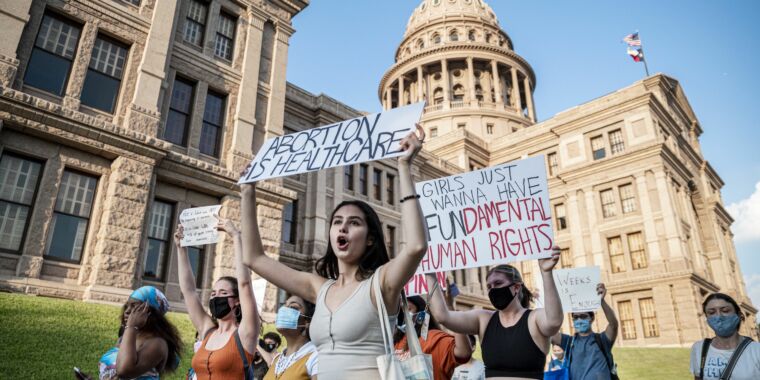
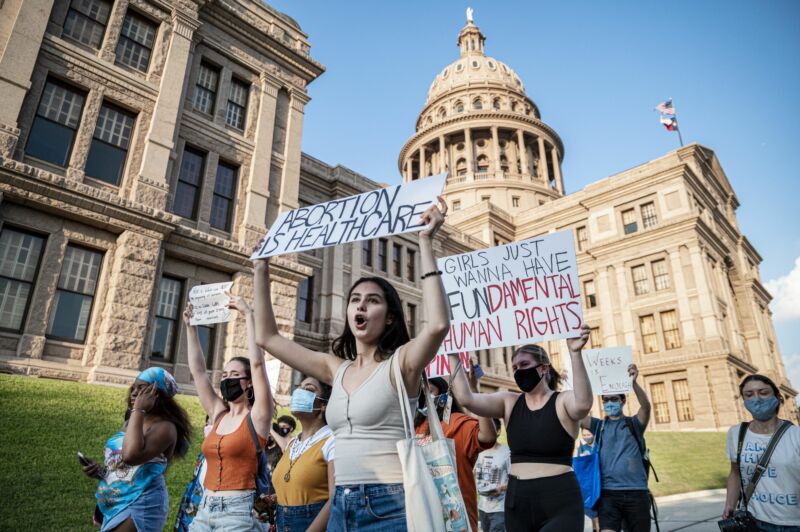
Pro-choice protesters march in Texas, carrying signs that say

Enlarge / Pro-choice protesters march outside the Texas State Capitol on Sept. 1, 2021, in Austin, Texas.

Getty Images | The Washington Post

Fourteen states have banned abortions at any gestational age since the Supreme Court overruled Roe v. Wade in 2022. Since the enactment of those abortion bans, an estimated 64,565 people became pregnant as a result of rape in those states. But, while five of the 14 states have exceptions for rape, all of the states logged only 10 or fewer legal abortions per month since their respective bans were enacted.

The finding, published this week in JAMA Internal Medicine, is a stark look at the effects of such bans on reproductive health care. The study did not assess how many of the estimated 64,565 pregnancies resulted in births, but it makes clear that tens of thousands of pregnant rape survivors, including children, were forced to turn to illegal procedures, self-managed abortions, or burdensome travel to states where abortion is legal—cost-prohibitive to many—as an alternative to carrying a rape-related pregnancy to term.

It also showed that legal exceptions for rape don’t work. The states with those exceptions apply stringent time limits on the pregnancy and require victims to report their rapes to law enforcement, which likely disqualifies most. The US Department of Justice estimates that only 21 percent of victims report their rape to police, for myriad reasons.

In an editor’s note accompanying the study, a trio of JAMA Internal Medicine editors—who are also medical researchers at the University of California, San Francisco, Harvard, and NYC Health and Hospitals—note the findings “demonstrate the scope of the problem,” as the number of rape-related pregnancies is “exponentially larger” than the number of legal abortions in those states.

“As physicians, we do not see abortion as a political, religious, or legal issue. Rather we see access to safe abortions as a necessary part of reproductive health services to protect the physical and mental well-being of patients. The best solution to this problem is a national law protecting the right of all people to choose to terminate pregnancy,” they write.

Study design

The study, led by a researcher at Planned Parenthood of Montana, is only an estimate because hard, state-level numbers are impossible to come by. The researchers pulled rape data from the DOJ’s Bureau of Justice Statistics, the FBI, and the Centers for Disease Control and Prevention’s National Intimate Partner and Sexual Violence survey, a specially designed survey to ascertain reported and unreported rapes.

With national data from various sources, the researchers estimated the proportion of rape survivors that are female individuals ages 15 to 45, and they further adjusted for the number of rapes that are vaginal. To estimate state-level rapes, they proportioned the rapes by states based on the FBI’s 2022 crime data, which includes rapes. They then multiplied each state’s rapes by the fraction of rapes likely to result in pregnancy. And finally, adjusted for the months between July 1, 2022 and January 1, 2024 that an abortion ban was in effect in each of the 14 states. Among the 14 states, the number of months in which a ban was in effect ranged from four to 18 months.

In all, the researchers estimated 519,981 completed vaginal rapes in the 14 abortion ban states which resulted in a collective total of 64,565 pregnancies during the four to 18 months that bans were in effect. Of the rape-related pregnancies, an estimated 5,586 (9 percent) were in states with rape exceptions, and 58,979 (91 percent) were in states with no exception.

Texas, the abortion-ban state with the largest population, had an estimated 26,313 (41 percent) of all rape-related pregnancies under its ban, which was enacted for 16 months during the study time frame. The state’s large number drew outrage from Democratic state lawmakers, particularly in light Gov. Greg Abbott’s vow to “eliminate rape” in Texas after a 2021 six-week abortion ban took effect (the state enacted a total ban in August 2022).

“Women and girls across our state are enduring unwanted pregnancies, suffering from life-endangering complications in desired pregnancies and fleeing the state for medical care,” the 13 Democratic state senators said in a Thursday news release, as reported by the Houston Chronicle. “We cannot allow this to be the new norm.”

Tens of thousands of pregnancies from rape occurring in abortion-ban states Read More »