CDC

sketchy-botox-shots-spark-multistate-outbreak-of-botulism-like-condition

Sketchy Botox shots spark multistate outbreak of botulism-like condition

Yikes —

So far at least six people in two states have fallen ill; four of them were hospitalized.

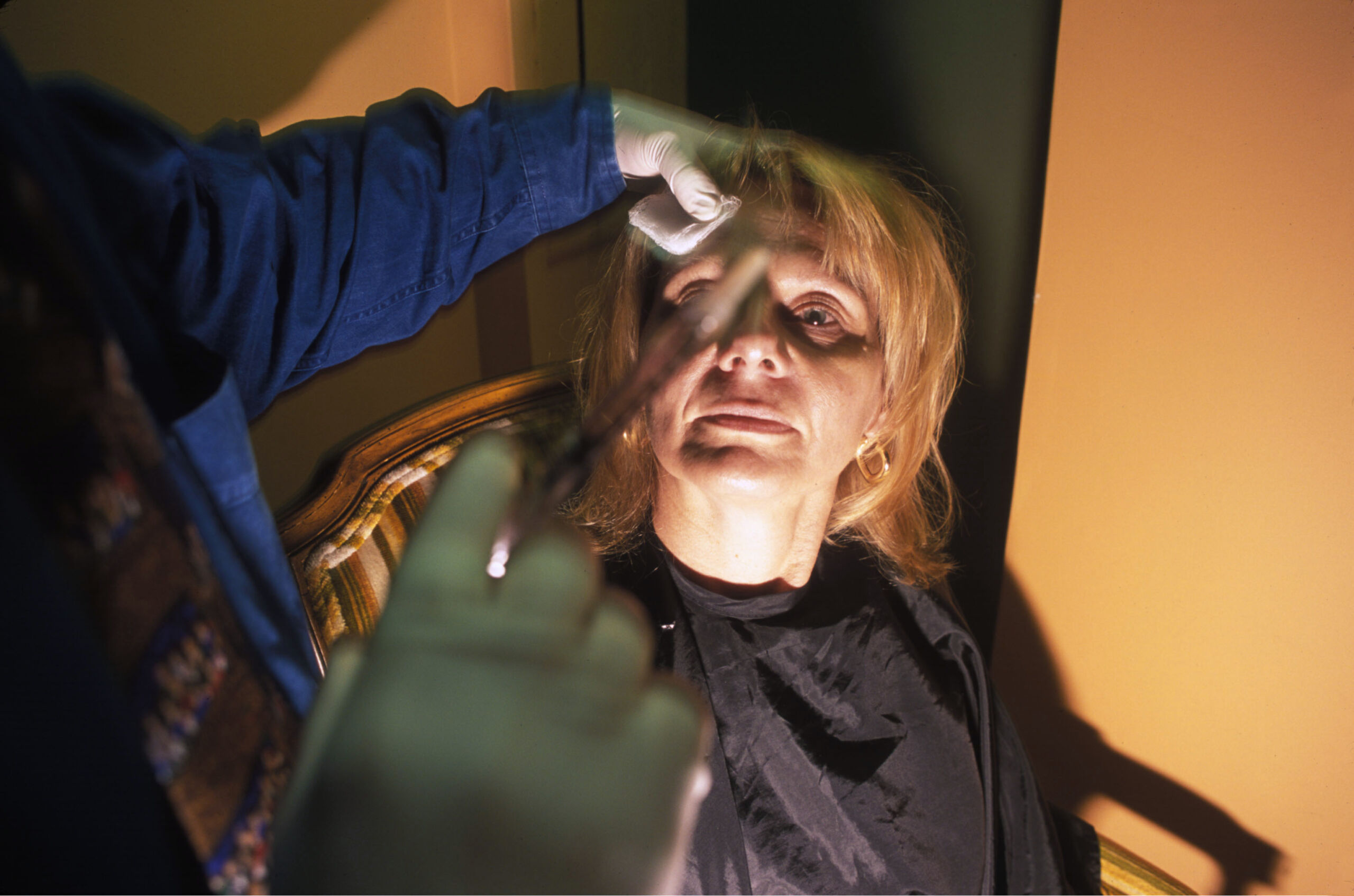
A woman in New Jersey receiving a Botox treatment at a Botox party in a New Jersey salon hosted by a radio station.

Enlarge / A woman in New Jersey receiving a Botox treatment at a Botox party in a New Jersey salon hosted by a radio station.

Sketchy cosmetic injections of what seem to be counterfeit Botox are behind a multistate outbreak of botulism-like illnesses, state health officials report.

So far, at least six people have fallen ill in two states: four in Tennessee and two in Illinois. Four of the six people required hospitalization for their condition (two in Tennessee and both cases in Illinois).

The Centers for Disease Control and Prevention is reportedly planning to nationwide alert to notify clinicians of the potentially counterfeit Botox and advise them to be on the lookout for botulism-like illnesses. The agency did not immediately respond to Ars’ request for information.

Botox is a regulated drug product that contains purified, controlled quantities of the botulinum neurotoxin, which is made by certain Clostridium bacterial species, especially Clostridium botulinum. The toxin causes muscle paralysis by blocking the release of a neurotransmitter. When people are exposed to the toxin from wound infections or by accidentally eating contaminated foods, it can lead to full paralysis, including in muscles used for breathing. But, the toxin can also be used safely for cosmetic procedures to smooth facial wrinkles—when well-regulated and approved doses administered by licensed medical professionals are used.

All of those important conditions for use did not seem to be met in the cases identified so far. Tennessee reported that its four cases were linked to injections given in “non-medical settings such as homes or cosmetic spas.” Investigators found that the injections were of “products with unclear origin” and that information collected so far suggests the products were counterfeit.

The two people sickened in Illinois, meanwhile, both received injections from a nurse in LaSalle County who was “performing work outside her authority.” State officials said the injections were of Botox or a similar, possibly counterfeit product.

The early symptoms of botulism can include double or blurred vision, drooping eyelids, slurred speech, difficulty swallowing, dry mouth, and difficulty breathing, Tennessee health officials noted. After that, people may suffer descending, symmetric muscle weakness that progresses over hours to days, requiring hospitalization and treatment with an anti-toxin.

Illinois officials reported that the cases reported similar symptoms, such as blurred or double vision, droopy face, fatigue, shortness of breath, difficulty breathing, and a hoarse voice, after getting their injections.

“Illinois residents should exercise caution when considering cosmetic treatment,” Illinois Department of Public Health Director Sameer Vohra said in a statement. “Receiving these treatments in unlicensed, unapproved settings can put you or your loved ones at serious risk for health problems. Please only seek cosmetic services under the care of licensed professionals trained to do these procedures and who use FDA approved products. If you are experiencing any health problems after a recent cosmetic treatment, please contact your healthcare provider immediately for help and assistance.”

Sketchy Botox shots spark multistate outbreak of botulism-like condition Read More »
hong-kong-monkey-encounter-lands-man-in-icu-with-rare,-deadly-virus

Hong Kong monkey encounter lands man in ICU with rare, deadly virus

rare but deadly —

The man had recently visited a country park known for its macaque monkeys.

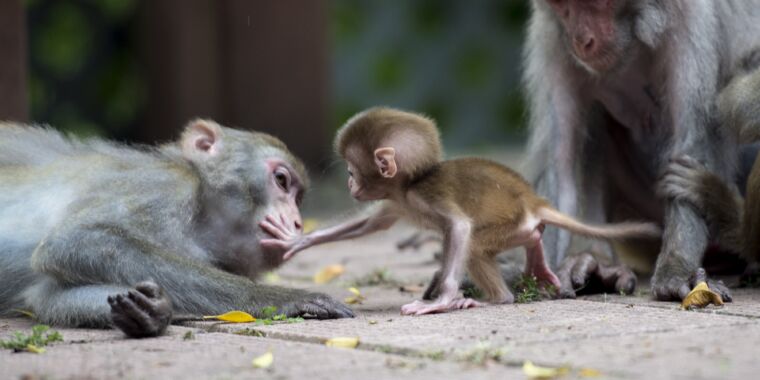
This photo taken in August 2014 shows macaque monkeys in a country park in Hong Kong.

Enlarge / This photo taken in August 2014 shows macaque monkeys in a country park in Hong Kong.

A 37-year-old man is fighting for his life in an intensive care unit in Hong Kong after being wounded by monkeys during a recent park visit and contracting a rare and deadly virus spread by primates.

The man, who was previously in good health, was wounded by wild macaque monkeys during a visit to Kam Shan Country Park in late February, according to local health officials. The park is well known for its conservation of wild macaques and features an area that locals call “Monkey Hill” and describe as a macaque kingdom.

On March 21, he was admitted to the hospital with a fever and “decreased conscious level,” health officials reported. As of Wednesday, April 3, he was in the ICU listed in critical condition. Officials reported the man’s case Wednesday after testing of his cerebrospinal fluid revealed the presence of B virus.

B virus, also known as herpes B virus or herpesvirus simiae, is a common infection in macaques, usually causing asymptomatic or mild disease. Infections in humans are extremely rare, but when they occur, they usually come from macaque encounters and are often severe and deadly. The infection can start out a lot like the flu, but the virus can move to the brain and spinal cord, causing brain damage, nerve damage, and death. The US Centers for Disease Control and Prevention estimates that about 70 percent of untreated infections in humans are fatal.

Despite the presence of macaques around Hong Kong, the man’s case is the first known B virus infection documented there. The virus was discovered in 1932, and since then only 50 human infections have been documented as of 2019, the CDC reports. Of those 50 people infected, 21 died. The agency notes that in one case, from 1997, a researcher was infected and died after bodily fluid from an infected monkey splashed into her eye. Still, contracting the virus is rare, even among people exposed to macaques. The CDC reports that there are hundreds of reports of macaque bites and scratches each year in US animal facilities, and infections remain very uncommon.

However low the risk, health officials recommend keeping your distance from wild monkeys and not feeding or touching them. If you are bitten or scratched, wash the wound immediately and seek medical attention.

Hong Kong monkey encounter lands man in ICU with rare, deadly virus Read More »

bird-flu-flare:-cattle-in-5-states-now-positive-as-texas-egg-farm-shuts-down

Bird flu flare: Cattle in 5 states now positive as Texas egg farm shuts down

flare-up —

The risk to the general public remains low, federal officials say.

Chicken eggs are disposed of at a quarantined farm with bird flu in Israel's northern village of Margaliot on January 3, 2022.

Enlarge / Chicken eggs are disposed of at a quarantined farm with bird flu in Israel’s northern village of Margaliot on January 3, 2022.

The flare-up of highly pathogenic bird flu continues to widen in US livestock after federal officials confirmed last week that the virus has spread to US cows for the first time. The virus has now been detected in dairy cows in at least five states, a single person in Texas exposed to infected cows, and an egg farm in Texas, all spurring yet more intense monitoring and biosecurity vigilance as the situation continues to evolve.

As of Tuesday, seven dairy herds in Texas, two in Kansas, and one each in Idaho, Michigan, and New Mexico had tested positive for the virus. The affected dairy herd in Michigan had recently received cows from one of the infected herds in Texas. It remains unclear if there is cow-to-cow transmission of the flu virus.

The virus—a highly pathogenic H5N1 avian influenza or HPAI—has been devastating wild birds worldwide for the past several years. Throughout the devastating outbreak, the flu virus has spilled over to various species, including big cats in zoos, river otters, bears, dolphins, seals, squirrels, and foxes. While cows were an unexpected addition to the list, federal officials noted last week that affected dairy farms had found dead wild birds on their farms, suggesting that wild birds introduced the virus to the cows, not an intermediate host.

On Monday, the Centers for Disease Control and Protection reported that a person in Texas who had contact with infected dairy cows had tested positive for the HPAI. The person’s only symptom was eye redness. The CDC said the person was treated with an antiviral for flu and was recovering. It is the second case of HPAI found in a person in the US. The first case was in a person in Colorado who was directly exposed to poultry infected with the virus. In that case, the person’s only symptom was fatigue over a few days. The person recovered. The CDC considers the risk of HPAI to the general public to be low.

Low risk

Meanwhile, the virus continues to spread to less-surprising animals: chickens. On Tuesday, Cal-Maine Foods, Inc., the country’s largest producer of fresh eggs, reported that HPAI was detected in one of its facilities in Texas. The facility is located in Parmer County, which sits at the border of Texas and New Mexico. It’s unclear if the egg facility is close to any of the affected dairy herds. Cal-Maine, following the US Department of Agriculture biosecurity protocols, immediately shut down the facility. Approximately 1.6 million hens and 337,000 pullets—young hens—were culled. Cal-Maine said the hens represented about 3.6 percent of the company’s total flock.

Since the outbreak began in wild birds, the virus has led to the deaths of over 82 million commercial and backyard birds in the US, with 48 states affected and over 1,000 outbreaks reported. The infections have spurred increases in egg and poultry prices.

It’s unclear if the virus will have the same effect on milk or beef, but so far, it appears that it will not. In the infected herds, the virus appears to only be affecting a small percentage of animals, particularly older animals, and they generally recover. As the USDA puts it there’s “little to no associated mortality reported.” Milk from sick cows is always diverted from the milk supply, but even if milk contaminated with HPAI were to make it into the supply, the virus would be destroyed in the pasteurization process.

Still, the continued, widespread outbreak and spillovers of HPAI in various species highlight the ever-present risk that influenza viruses could mix together, combining genetic fragments of different strains (genetic reassortment) to create a new strain that could spark outbreaks or even a pandemic in humans. In the current outbreak among dairy cattle, federal researchers were quick to check the genetic sequence of the HPAI, finding that, so far, the strain lacks mutations in key genetic regions that would signal the virus has become more infectious to humans. For now, the USDA and the CDC report that the risk to the public is low.

Bird flu flare: Cattle in 5 states now positive as Texas egg farm shuts down Read More »

china-has-a-big-problem-with-super-gonorrhea,-study-finds

China has a big problem with super gonorrhea, study finds

Alarming —

Drug-resistant gonorrhea is a growing problem—one that doesn’t heed borders.

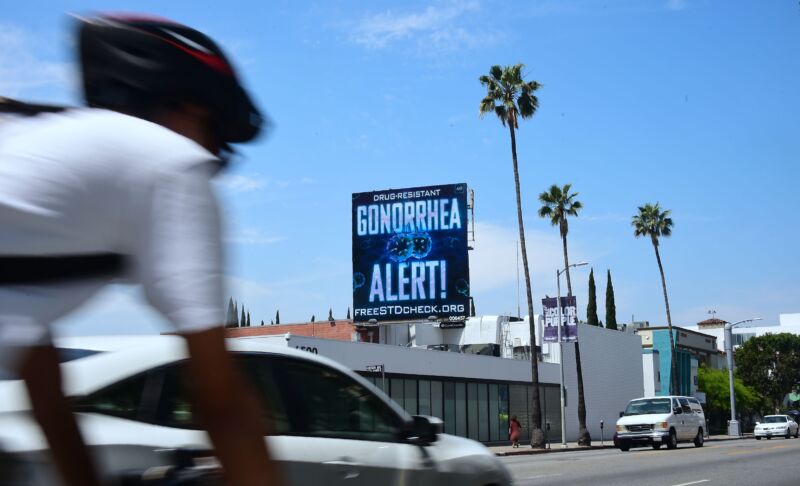
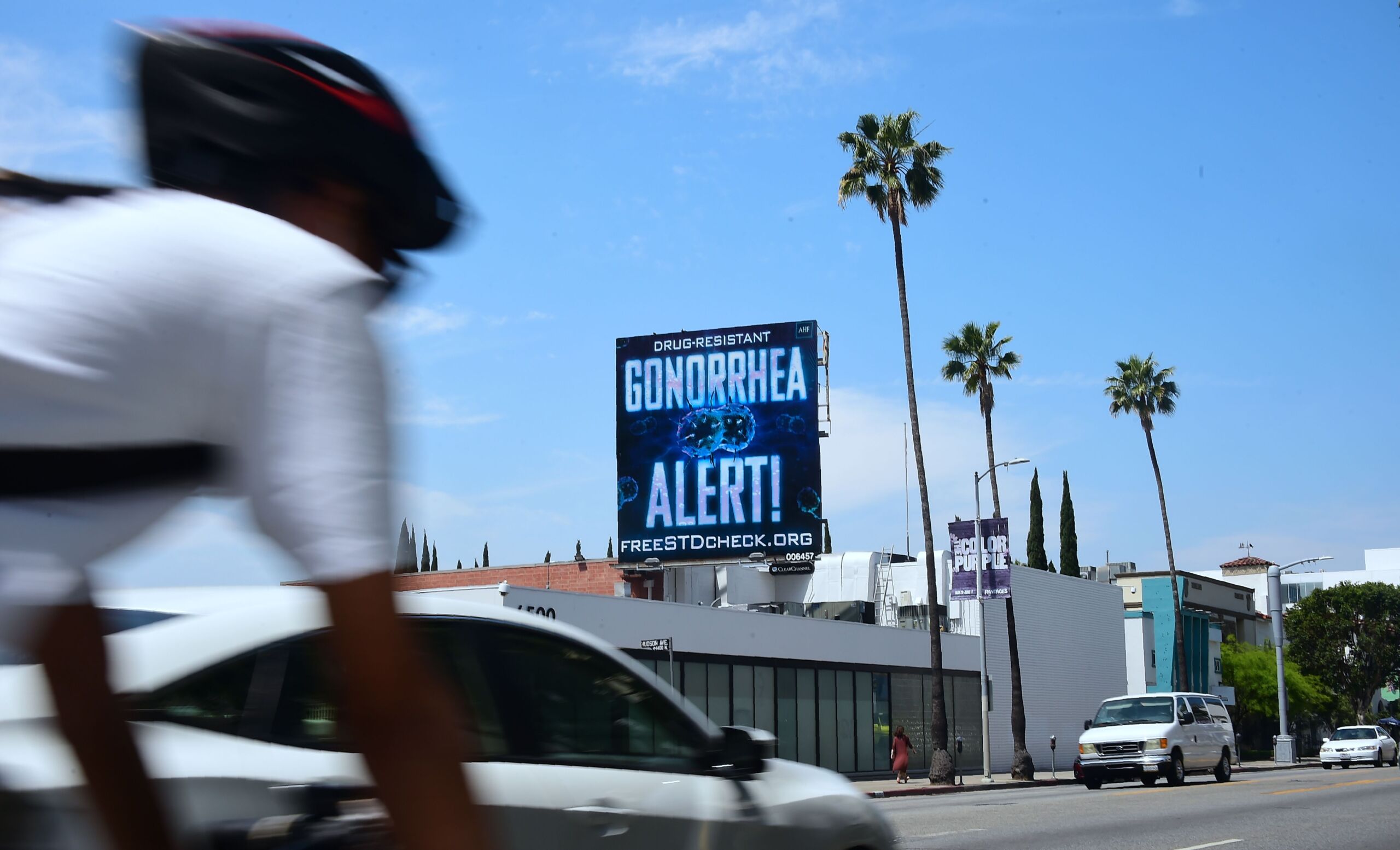
A billboard from the AIDS Healthcare Foundation is seen on Sunset Boulevard in Hollywood, California, on May 29, 2018, warning of a drug-resistant gonorrhea.

Enlarge / A billboard from the AIDS Healthcare Foundation is seen on Sunset Boulevard in Hollywood, California, on May 29, 2018, warning of a drug-resistant gonorrhea.

Health officials have long warned that gonorrhea is becoming more and more resistant to all the antibiotic drugs we have to fight it. Last year, the US reached a grim landmark: For the first time, two unrelated people in Massachusetts were found to have gonorrhea infections with complete or reduced susceptibility to every drug in our arsenal, including the frontline drug ceftriaxone. Luckily, they were still able to be cured with high-dose injections of ceftriaxone. But, as the US Centers for Disease Control and Prevention bluntly notes: “Little now stands between us and untreatable gonorrhea.”

If public health alarm bells could somehow hit a higher pitch, a study published Thursday from researchers in China would certainly accomplish it. The study surveyed gonorrhea bacterial isolates—Neisseria gonorrhoeae—from around the country and found that the prevalence of ceftriaxone-resistant isolates nearly tripled between 2017 and 2021. Ceftriaxone-resistant strains made up roughly 8 percent of the nearly 3,000 bacterial isolates collected from gonorrhea infections in 2022. That’s up from just under 3 percent in 2017. The study appears in the CDC’s Morbidity and Mortality Weekly Report.

While those single-digit percentages may seem low, compared to other countries they’re extremely high. In the US, for instance, the prevalence of ceftriaxone-resistant strains never went above 0.2 percent between 2017 and 2021, according to the CDC. In Canada, ceftriaxone-resistance was stable at 0.6 percent between 2017 and 2021. The United Kingdom had a prevalence of 0.21 percent in 2022.

Ceftriaxone is currently the first-line treatment for gonorrhea because Neisseria gonorrhoeae has spent the past several decades building up resistance to pretty much everything else. As the CDC notes, in the 1980s, the drugs of choice for gonorrhea infections were penicillin and tetracycline. But the bacteria developed resistance. By the 1990s, the CDC was forced to switch to a class of antibiotics called fluoroquinolones, including ciprofloxacin (Cipro). But fluoroquinolone-resistance developed, too, and resistance to Cipro is now widespread. In the early 2000s, the CDC began having to tweak the recommendations as resistance spread to new places and populations.

Resistance rising

By 2007, the agency switched to cephalosporins, including cefixime. In 2010, the CDC updated the treatment again, recommending that doctors combine cephalosporins with one of two other types of antibiotics—azithromycin or doxycycline—to try to thwart the development of resistance. But, it also was no use. Two years later, in 2012, the CDC updated recommendations when cefixime resistance developed. In 2020, azithromycin was also abandoned. The cephalosporin ceftriaxone is the last drug standing in the US to treat gonorrhea infections.

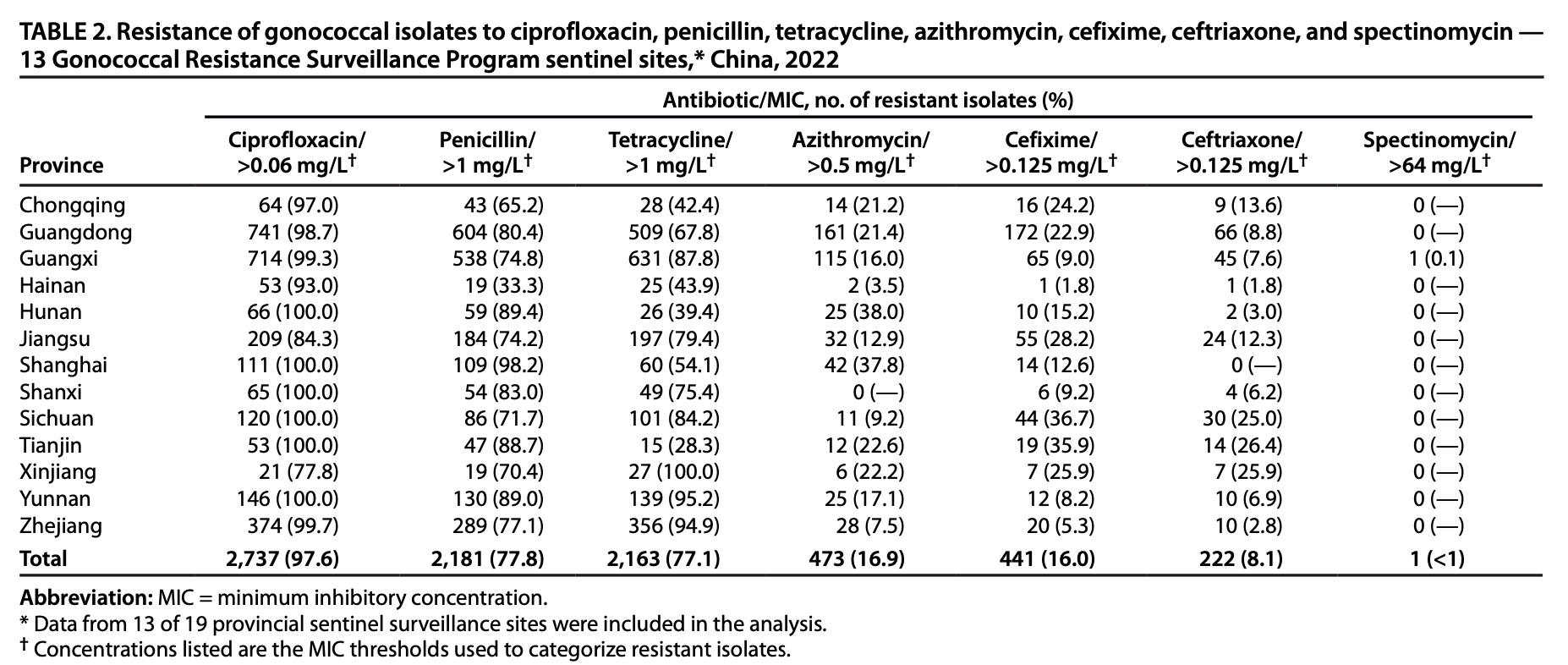
Resistance of gonococcal isolates to ciprofloxacin, penicillin, tetracycline, azithromycin, cefixime, ceftriaxone, and spectinomycin—13 Gonococcal Resistance Surveillance Program sentinel sites, China, 2022.

Enlarge / Resistance of gonococcal isolates to ciprofloxacin, penicillin, tetracycline, azithromycin, cefixime, ceftriaxone, and spectinomycin—13 Gonococcal Resistance Surveillance Program sentinel sites, China, 2022.

In China, the swift spread of ceftriaxone-resistance isolates is alarming. The data stems from 2,804 isolates, representing 2.9 percent of all cases reported in China during 2022. Those figures come from 13 of the country’s 19 provinces. While the overall prevalence of ceftriaxone-resistance isolates was 8.1 percent among the 2,804 isolates, five of those 13 provinces had prevalence rates above 10 percent. Three provinces had prevalence rates above 25 percent. In all, 18 isolates were resistant to all the antibiotics tested except for a bygone antibiotic called spectinomycin, which is discontinued in the US and elsewhere.

The study has limitations. For one, the reported number of gonorrhea cases are very likely an undercount of actual cases. Beyond gaps in reporting, many people with gonorrhea have no symptoms and, as such, don’t seek treatment. Additionally, the isolates the researchers did have represented less than 3 percent of reported cases, so it’s possible the prevalence rates don’t represent the isolates of the entire country. Also, the researchers didn’t have detailed case data that might help identify specific risk factors for resistance development, such as the antibiotic treatments patients had. The authors did note that antibiotics are only given by prescription in China.

“These findings underscore the urgent need for a comprehensive approach to address antibiotic-resistant N. gonorrhoeae in China, including identifying factors contributing to this high resistance rate, especially in provinces where the percentage of gonococcal isolates resistant to ceftriaxone is >10 percent,” the authors write.

But they also note that this is not just an alarming finding for China but also a “pressing public health concern” for the entire world. “These resistant clones have spread internationally, and collaborative cross-border efforts will be essential to monitoring and mitigating its further spread,” they write.

China has a big problem with super gonorrhea, study finds Read More »
more-than-half-of-chickenpox-diagnoses-are-wrong,-study-finds

More than half of chickenpox diagnoses are wrong, study finds

coin flip —

Vaccination has dramatically reduced cases, making clinical diagnoses tricky.

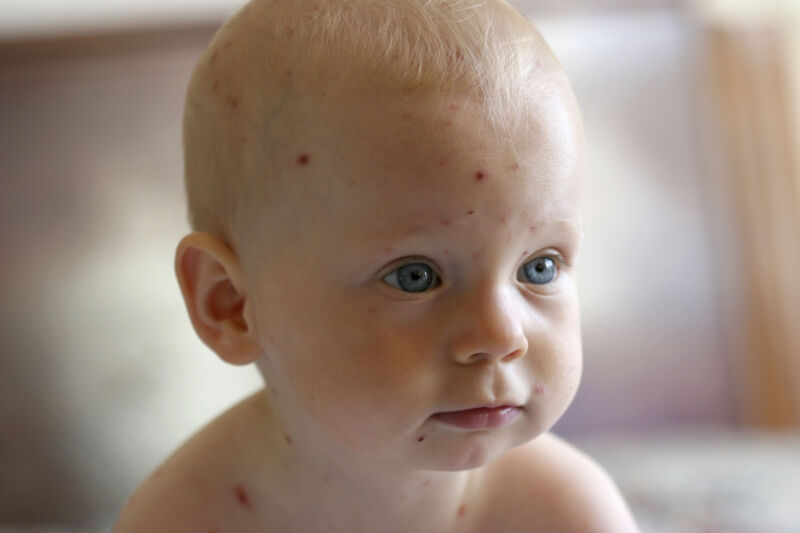
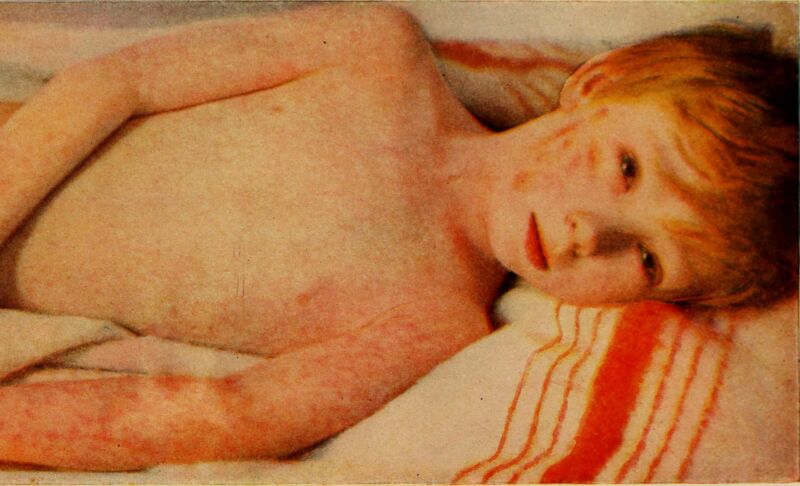
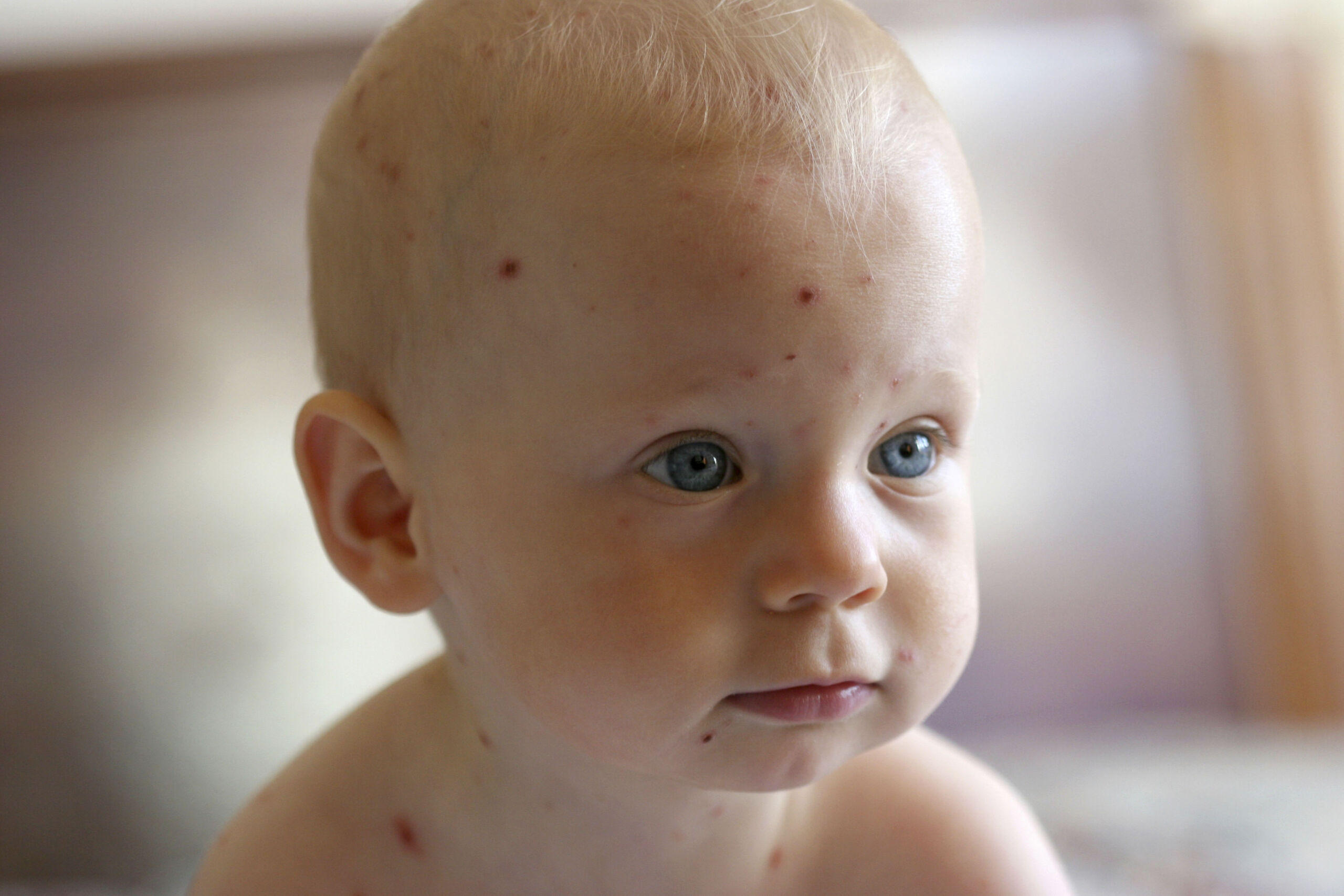
Chickenpox on a 1-year-old.

Enlarge / Chickenpox on a 1-year-old.

Thanks to the vaccination program that began in 1995, chickenpox is now relatively rare. Cases of the miserable, itchy condition have fallen more than 97 percent. But, while children have largely put the oatmeal baths and oven mitts behind them, doctors have apparently let their diagnostic skills get a little crusty.

According to a study published Thursday, public health researchers in Minnesota found that 55 percent of people diagnosed with chickenpox based on their symptoms were actually negative for the varicella-zoster virus, the virus that causes chickenpox. The study noted that the people were all diagnosed in person by health care providers in medical facilities. But, instead of chickenpox, lab testing showed that some of the patients were actually infected with an enterovirus, which can cause a rash, or the herpes simplex virus 1, which causes cold sores.

The study, published in the Centers for Disease Control and Prevention’s Morbidity and Mortality Weekly Report, supports expanding laboratory testing for suspected chickenpox cases in the state’s program and highlights that diagnoses based on symptoms are “unreliable.”

For one thing, doctors simply see far fewer chickenpox cases these days because of the protection from vaccines. While chickenpox cases in the US previously reached 4 million each year, with 10,500 to 13,500 hospitalizations and 100 to 150 deaths, there are now fewer than 150,000 cases,1,400 hospitalizations, and 30 deaths each year, the CDC reports. Vaccination is more than 90 percent effective at preventing the disease. In the rare cases where a vaccinated person contracts chickenpox, the muted rashes are challenging to identify by eye. But even in unvaccinated children, chickenpox can be tricky to pick out; it can easily be confused with measles, insect bites, enterovirus, skin infections such as scabies and impetigo, herpes viruses, and hand, foot, and mouth disease.

Since 2016, the Minnesota Department of Health has been working to expand laboratory testing, including outreach to health care providers and the public on the importance of testing to confirm suspected chickenpox cases.

Between 2016 and 2023, 208 people who were diagnosed with chickenpox in person at a medical facility submitted specimens for testing to the state health department. Only 93 of the 208 (45 percent) were positive for the virus. The vaccination status was known for 203 of the people—100 were vaccinated, 103 were not. Of the vaccinated people tested, only 22 (22 percent) turned out to have chickenpox, while 68 (66 percent) of the unvaccinated people had it, reflecting the efficacy of vaccination.

In a larger group of 420 people, which included people who were self-diagnosed, the accuracy rate was unsurprisingly lower. Of the 420 suspected chickenpox cases, only 157 (37 percent) were positive for the varicella-zoster virus. Of the remaining 263 people, 47 were positive for enterovirus, 20 were positive for herpes simplex virus 1, 0 were positive for herpes simplex virus 2 (genital herpes), two people had indeterminate test results, and 194 were negative for all four viruses tested.

The authors highlight that the findings are significant because people suspected of having chickenpox are recommended to stay home from school and work longer than people with other viral infections. More testing can ensure appropriate clinical management.

More than half of chickenpox diagnoses are wrong, study finds Read More »
health-experts-plead-for-unvaxxed-americans-to-get-measles-shot-as-cases-rise

Health experts plead for unvaxxed Americans to get measles shot as cases rise

MMR is safe and effective —

The US hit last year’s total in under 12 weeks, suggesting we’re in for a bad time.

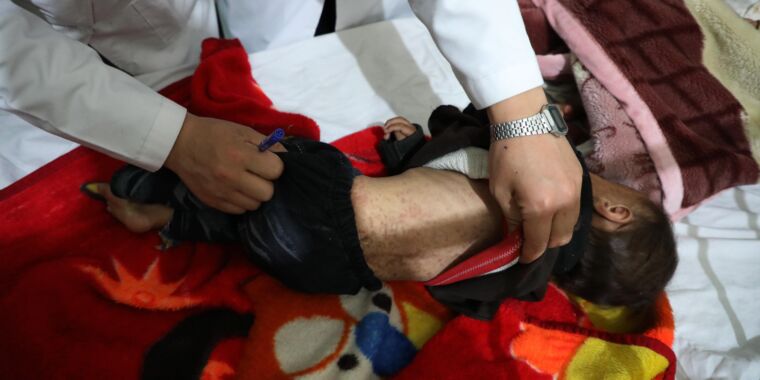
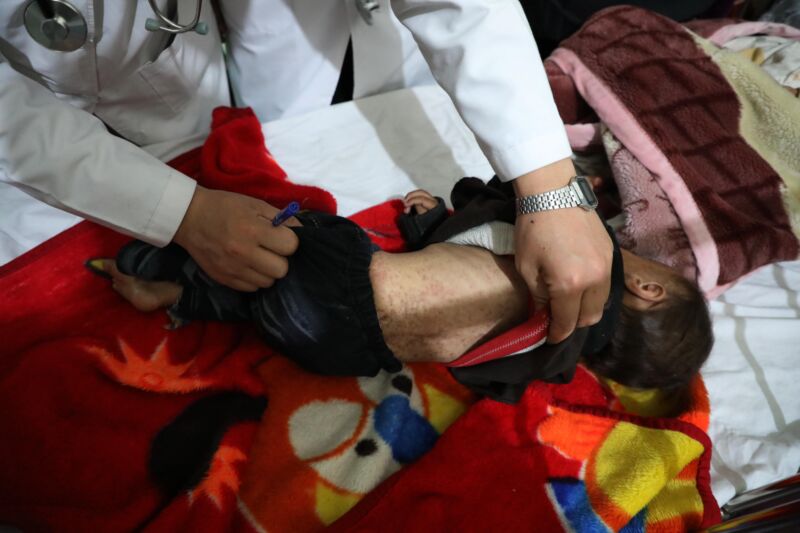
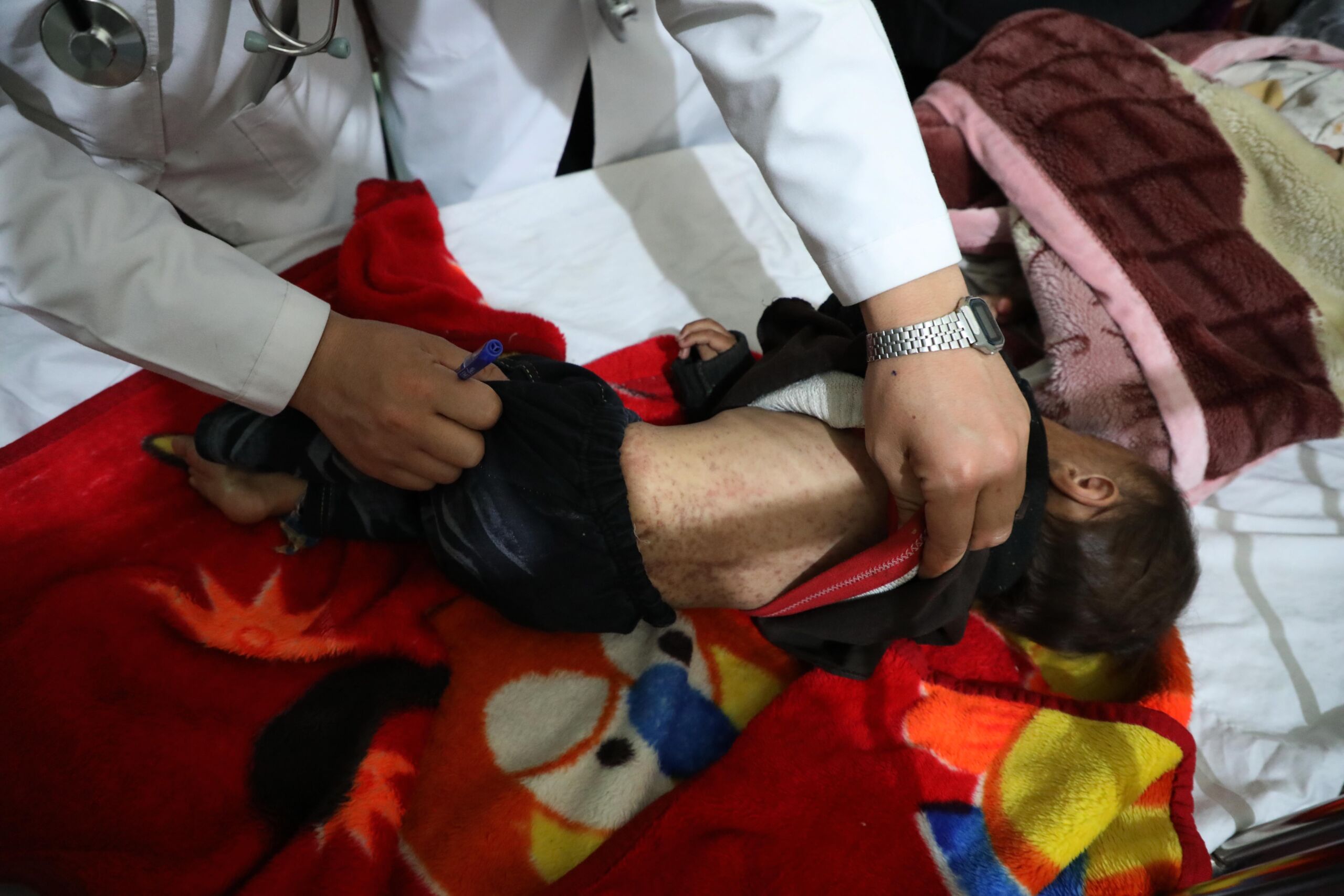
A view from a hospital as children receiving medical treatment, in capital Kabul, Afghanistan on April 18, 2022. More than 130 children have died from the measles in Afghanistan since the beginning of this year.

Enlarge / A view from a hospital as children receiving medical treatment, in capital Kabul, Afghanistan on April 18, 2022. More than 130 children have died from the measles in Afghanistan since the beginning of this year.

The Centers for Disease Control and Prevention and the American Medical Association sent out separate but similar pleas on Monday for unvaccinated Americans to get vaccinated against the extremely contagious measles virus as vaccination rates have slipped, cases are rising globally and nationally, and the spring-break travel period is beginning.

In the first 12 weeks of 2024, US measles cases have already matched and likely exceeded the case total for all of 2023. According to the CDC, there were 58 measles cases reported from 17 states as of March 14. But media tallies indicate there have been more cases since then, with at least 60 cases now in total, according to CBS News. In 2023, there were 58 cases in 20 states.

“As evident from the confirmed measles cases reported in 17 states so far this year, when individuals are not immunized as a matter of personal preference or misinformation, they put themselves and others at risk of disease—including children too young to be vaccinated, cancer patients, and other immunocompromised people,” AMA President Jesse Ehrenfeld said in a statement urging vaccination Monday.

The latest data indicates that vaccination rates among US kindergarteners have slipped to 93 percent nationally, below the 95 percent target to prevent the spread of the disease. And vaccine exemptions for non-medical reasons have reached an all-time high.

The CDC released a health advisory on Monday also urging measles vaccination. The CDC drove home the point that unvaccinated Americans are largely responsible for importing the virus, and pockets of unvaccinated children in local communities spread it once it’s here. The 58 measles infections that have been reported to the agency so far include cases from seven outbreaks in seven states. Most of the cases are in vaccine-eligible children aged 12 months and older who are unvaccinated. Of the 58 cases, 54 (93 percent) are linked to international travel, and most measles importations are by unvaccinated US residents who travel abroad and bring measles home with them, the CDC flagged.

The situation is likely to worsen as Americans begin spring travel, the CDC suggested. “Many countries, including travel destinations such as Austria, the Philippines, Romania, and the United Kingdom, are experiencing measles outbreaks,” the CDC said. “To prevent measles infection and reduce the risk of community transmission from importation, all US residents traveling internationally, regardless of destination, should be current on their [measles-mumps-rubella (MMR)] vaccinations.” The agency added in a recommendation to parents that “even if not traveling, ensure that children receive all recommended doses of MMR vaccine. Two doses of MMR vaccine provide better protection (97 percent) against measles than one dose (93 percent). Getting MMR vaccine is much safer than getting measles, mumps, or rubella.”

For Americans who are already vaccinated and communities with high vaccination coverage, the risk is low, the CDC noted. “However, pockets of low coverage leave some communities at higher risk for outbreaks.” This, in turn, threatens wider, continuous spread that could overturn the country’s status of having eliminated measles, which was declared in 2000. The US was close to losing its elimination status in 2019 when outbreaks among unvaccinated children drove 1,247 cases across 31 states. Vaccination rates have only fallen since then.

“The reduction in measles vaccination threatens to erase many years of progress as this previously eliminated vaccine-preventable disease returns,” the AMA’s Ehrenfeld warned.

As Ars has reported previously, measles is among the most contagious viruses known and can linger in airspace for up to two hours. Up to 90 percent of unvaccinated people exposed will contract it. Symptoms can include high fever, runny nose, red and watery eyes, and a cough, as well as the hallmark rash. About 1 in 5 unvaccinated people with measles are hospitalized, while 1 in 20 infected children develop pneumonia, and up to 3 in 1,000 children die of the infection. Brain swelling (encephalitis) can occur in 1 in 1,000 children, which can lead to hearing loss and intellectual disabilities. The virus can also destroy immune responses to previous infections—a phenomenon known as “immune amnesia”—which can leave children vulnerable to various other infections for years afterward.

Health experts plead for unvaxxed Americans to get measles shot as cases rise Read More »
deadly-morel-mushroom-outbreak-highlights-big-gaps-in-fungi-knowledge

Deadly morel mushroom outbreak highlights big gaps in fungi knowledge

This fungi’s not fun, guys —

Prized morels are unpredictably and puzzlingly deadly, outbreak report shows.

Mature morel mushrooms in a greenhouse at an agriculture garden in Zhenbeibu Town of Xixia District of Yinchuan, northwest China's Ningxia Hui Autonomous Region.

Enlarge / Mature morel mushrooms in a greenhouse at an agriculture garden in Zhenbeibu Town of Xixia District of Yinchuan, northwest China’s Ningxia Hui Autonomous Region.

True morel mushrooms are widely considered a prized delicacy, often pricey and surely safe to eat. But these spongey, earthy forest gems have a mysterious dark side—one that, on occasion, can turn deadly, highlighting just how little we know about morels and fungi generally.

On Thursday, Montana health officials published an outbreak analysis of poisonings linked to the honeycombed fungi in March and April of last year. The outbreak sickened 51 people who ate at the same restaurant, sending four to the emergency department. Three were hospitalized and two died. Though the health officials didn’t name the restaurant in their report, state and local health departments at the time identified it as Dave’s Sushi in Bozeman. The report is published in the Centers for Disease Control and Prevention’s Morbidity and Mortality Weekly Report.

The outbreak coincided with the sushi restaurant introducing a new item: a “special sushi roll” that contained salmon and morel mushrooms. The morels were a new menu ingredient for Dave’s. They were served two ways: On April 8, the morels were served partially cooked, with a hot, boiled sauce poured over the raw mushrooms and left to marinate for 75 minutes; and on April 17, they were served uncooked and cold-marinated.

The mystery poison worked fast. Symptoms began, on average, about an hour after eating at the restaurant. And it was brutal. “Vomiting and diarrhea were reportedly profuse,” the health officials wrote, “and hospitalized patients had clinical evidence of dehydration. The two patients who died had chronic underlying medical conditions that might have affected their ability to tolerate massive fluid loss.”

Of the 51 sickened, 46 were restaurant patrons and five were employees. Among them, 45 (88 percent) recalled eating morels. While that’s a high percentage for such an outbreak investigation, certainly enough to make the morels the prime suspect, the health officials went further. With support from the CDC, they set up a matched case-control study, having people complete a detailed questionnaire with demographic information, food items they ate at the restaurant, and symptoms.

Mysterious poison

Forty-one of the poisoned people filled out the questionnaire, as did 22 control patrons who ate at the restaurant but did not report subsequent illness. The analysis indicated that the odds of recalling eating the special sushi roll were nearly 16 times higher among the poisoned patrons than among the controls. The odds of reporting any morel consumption were nearly 11 times higher than controls.

The detailed consumption data also allowed the health officials to model a dose response, which suggested that with each additional piece of the special roll a person recalled eating, their odds of sickness increased nearly threefold compared with people who reported eating none. Those who ate four or more pieces of the roll had odds nearly 22.5 times higher. A small analysis focusing on the five employees sickened, which was not included in the published study but was noted by the Food and Drug Administration, echoed the dose-response finding, indicating that sickness was linked with larger amounts of morel consumption.

When the officials broke down the analysis by people who ate at the restaurant on April 17, when the morels were served uncooked, and those who ate at the restaurant on April 8, when the mushrooms were slightly cooked, the cooking method seemed to matter. People who ate the uncooked rather than the slightly cooked mushrooms had much higher odds of sickness.

This all strongly points to the morels being responsible. At the time, the state and local health officials engaged the FDA, as well as the CDC, to help tackle the outbreak investigation. But the FDA reported that “samples of morel mushrooms collected from the restaurant were screened for pesticides, heavy metals, toxins, and pathogens. No significant findings were identified.” In addition, the state and local health officials noted that DNA sequencing identified the morels used by the restaurant as Morchella sextelata, a species of true morel. This rules out the possibility that the mushrooms were look-alike morels, called “false morels,” which are known to contain a toxin called gyromitrin.

The health officials and the FDA tracked down the distributor of the mushrooms, finding they were cultivated and imported fresh from China. Records indicated that 12 other locations in California also received batches of the mushrooms. Six of those facilities responded to inquiries from the California health department and the FDA, and all six reported no illnesses. They also all reported cooking the morels or at least thoroughly heating them.

Deadly morel mushroom outbreak highlights big gaps in fungi knowledge Read More »

don’t-use-these-six-cinnamon-products,-fda-warns-after-concerning-lead-tests

Don’t use these six cinnamon products, FDA warns after concerning lead tests

More lead —

The FDA is putting manufacturers on notice to do more to keep contaminants out.

Don’t use these six cinnamon products, FDA warns after concerning lead tests

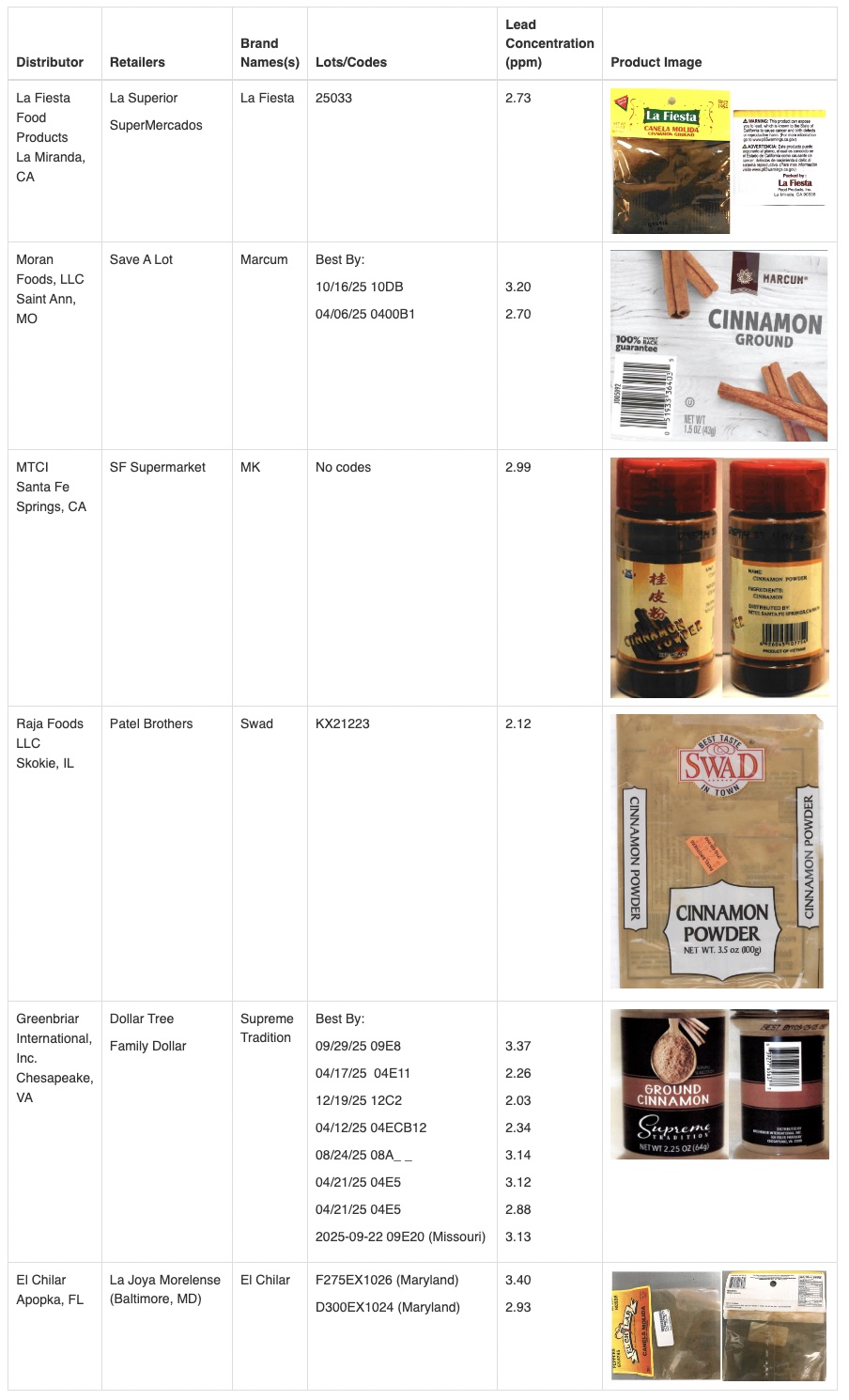
Six different ground cinnamon products sold at retailers including Save A Lot, Dollar Tree, and Family Dollar contain elevated levels of lead and should be recalled and thrown away immediately, the US Food and Drug Administration announced Wednesday.

The brands are La Fiesta, Marcum, MK, Swad, Supreme Tradition, and El Chilar, and the products are sold in plastic spice bottles or in bags at various retailers. The FDA has contacted the manufacturers to urge them to issue voluntary recalls, though it has not been able to reach one of the firms, MTCI, which distributes the MK-branded cinnamon.

Products identified by the FDA as containing elevated lead levels.

Enlarge / Products identified by the FDA as containing elevated lead levels.

The announcement comes amid a nationwide outbreak of lead poisoning in young children linked to cinnamon applesauce pouches contaminated with lead and chromium. In that case, it’s believed that a spice grinder in Ecuador intentionally added extreme levels of lead chromate to cinnamon imported from Sri Lanka, likely to improve its weight and/or appearance. Food manufacturer Austrofoods then added the heavily contaminated cinnamon, without any testing, to cinnamon applesauce pouches marketed to toddlers and young children across the US. In the latest update, the Centers for Disease Control and Prevention has identified 468 cases of lead poisoning that have been linked to the cinnamon applesauce pouches. The cases span 44 states and are mostly in very young children.

The alarming contamination spurred the FDA to conduct more sampling of cinnamon products, focusing an initial survey on products from discount retail stores, the agency said. The FDA makes note that the elevated lead levels found in the six products announced this week are significantly lower than what was seen in the cinnamon added to the applesauce pouches. The six products contained lead at levels ranging from 2.03 to 3.4 parts per million (ppm), while samples of the cinnamon added to the applesauce had levels ranging from 2,270 ppm to 5,110 ppm in the cinnamon.

The FDA has previously reported that 2.5 ppm is the limit being considered for bark spices, which includes cinnamon, by the international standard-setting body, Codex Alimentarius Commission.

So the six newly identified products are right around or just over that potential threshold and do not pose the same level of risk as the applesauce pouches. But the FDA warned that the elevated levels in the ground cinnamon could cause elevated blood lead levels after prolonged use, which the agency defined as months to years. This, in turn, could contribute to harmful health effects, particularly in children who absorb lead more readily than adults and are still developing. Lead is a potent neurotoxic metal that can damage the brain and nervous system, which for young children can lead to learning, behavior, and developmental problems.

“Today’s actions serve as a signal to industry that more needs to be done to prevent elevated levels of contaminants from entering our food supply,” Jim Jones, the FDA’s Deputy Commissioner for Human Foods, said in a statement. “Food growers, manufacturers, importers, and retailers share a responsibility for ensuring the safety of the foods that reach store shelves. The levels of lead we found in some ground cinnamon products are too high and we must do better to protect those most vulnerable to the negative health outcomes of exposure to elevated levels of lead.”

Don’t use these six cinnamon products, FDA warns after concerning lead tests Read More »
cdc-ditches-5-day-covid-isolation,-argues-covid-is-becoming-flu-like

CDC ditches 5-day COVID isolation, argues COVID is becoming flu-like

New phase —

The agency released a unified “practical” guidance for respiratory viruses.

A view of the Centers for Disease Control and Prevention headquarters in Atlanta.

Enlarge / A view of the Centers for Disease Control and Prevention headquarters in Atlanta.

COVID-19 is becoming more like the flu and, as such, no longer requires its own virus-specific health rules, the Centers for Disease Control and Prevention said Friday alongside the release of a unified “respiratory virus guide.”

In a lengthy background document, the agency laid out its rationale for consolidating COVID-19 guidance into general guidance for respiratory viruses—including influenza, RSV, adenoviruses, rhinoviruses, enteroviruses, and others, though specifically not measles. The agency also noted the guidance does not apply to health care settings and outbreak scenarios.

“COVID-19 remains an important public health threat, but it is no longer the emergency that it once was, and its health impacts increasingly resemble those of other respiratory viral illnesses, including influenza and RSV,” the agency wrote.

The most notable change in the new guidance is the previously reported decision to no longer recommend a minimum five-day isolation period for those infected with the pandemic coronavirus, SARS-CoV-2. Instead, the new isolation guidance is based on symptoms, which matches long-standing isolation guidance for other respiratory viruses, including influenza.

“The updated Respiratory Virus Guidance recommends people with respiratory virus symptoms that are not better explained by another cause stay home and away from others until at least 24 hours after both resolution of fever AND overall symptom are getting better,” the document states. “This recommendation addresses the period of greatest infectiousness and highest viral load for most people, which is typically in the first few days of illness and when symptoms, including fever, are worst.”

“Residual risk”

The CDC acknowledged that the eased isolation guidance will create “residual risk of SARS-CoV-2 transmission,” and that most people are no longer infectious only after 8 to 10 days. As such, the agency urged people to follow additional interventions—including masking, testing, distancing, hygiene, and improving air quality—for five additional days after their isolation period.

“Today’s announcement reflects the progress we have made in protecting against severe illness from COVID-19,” CDC Director Dr. Mandy Cohen said in a statement. “However, we still must use the commonsense solutions we know work to protect ourselves and others from serious illness from respiratory viruses—this includes vaccination, treatment, and staying home when we get sick.”

Overall, the agency argued that a shorter isolation period would be inconsequential. Other countries and states that have similarly abandoned fixed isolation times did not see jumps in COVID-19 emergency department visits or hospitalizations, the CDC pointed out. And most people who have COVID-19 don’t know they have it anyway, making COVID-19-specific guidance moot, the agency argued. In a recent CDC survey, less than half of people said they would test for SARS-CoV-2 if they had a cough or cold symptoms, and less than 10 percent said they would go to a pharmacy or health care provider to get tested. Meanwhile, “The overall sensitivity of COVID-19 antigen tests is relatively low and even lower in individuals with only mild symptoms,” the agency said.

The CDC also raised practical concerns for isolation, including a lack of paid sick leave for many, social isolation, and “societal costs.”

The points are likely to land poorly with critics.

“The CDC is again prioritizing short-term business interests over our health by caving to employer pressure on COVID guidelines. This is a pattern we’ve seen throughout the pandemic,” Lara Jirmanus, Clinical Instructor of Medicine at Harvard Medical School, said in a press release last month after the news first broke of the CDC’s planned isolation update. Jirmanus is a member of the People’s CDC, a group that advocates for more aggressive COVID-19 policies, which put out the press release.

Another member of the group, Sam Friedman, a professor of population health at NYU Grossman School of Medicine, also blasted the CDC’s stance last month. The guidance will “make workplaces and public spaces even more unsafe for everyone, particularly for people who are high-risk for COVID complications,” he said.

COVID and flu

But, the CDC argues that the threat of COVID-19 is fading. Hospitalizations, deaths, prevalence of long COVID, and COVID-19 complications in children (MIS-C) are all down. COVID-19 vaccines are safe and effective at preventing severe disease, death, and to some extent, long COVID—we just need more people to get them. Over 95 percent of adults hospitalized with COVID-19 in the 2023–2024 respiratory season had no record of receiving the seasonal booster dose, the agency noted. Only 22 percent of adults got the latest shot, including only 42 percent of people ages 65 and older. In contrast, 48 percent of adults got the latest flu shot, including 73 percent of people ages 65 and older.

But even with the crummy vaccination rates for COVID-19, a mix of past infection and shots have led to a substantial protection in the overall population. The CDC even went as far as arguing that COVID-19 deaths have fallen to a level that is similar to what’s seen with flu.

“Reported deaths involving COVID-19 are several-fold greater than those reported to involve influenza and RSV. However, influenza and likely RSV are often underreported as causes of death,” the CDC said. In the 2022–2023 respiratory virus season, there were nearly 90,000 reported COVID-19 deaths. For flu, there were 9,559 reported deaths, but the CDC estimates the true number to be between 18,000 and 97,000. In the current season, there have been 32,949 reported COVID-19 deaths to date and 5,854 reported flu deaths, but the agency estimates the real flu deaths are between 17,000 and 50,000.

“Total COVID-19 deaths, accounting for underreporting, are likely to be higher than, but of the same order of magnitude as, total influenza deaths,” the agency concluded.

In all, the CDC was ready to fold SARS-CoV-2 into the gang of common seasonal respiratory viruses, with most cases mild and undiagnosed. “Viruses cause most acute respiratory illnesses, but it is rarely possible to determine the type of virus without testing, and oftentimes testing does not change clinical management,” the agency wrote.

CDC ditches 5-day COVID isolation, argues COVID is becoming flu-like Read More »
cdc-recommends-spring-covid-booster-for-people-65-and-up

CDC recommends spring COVID booster for people 65 and up

More protection —

The shot should be taken at least four months since the last COVID vaccination.

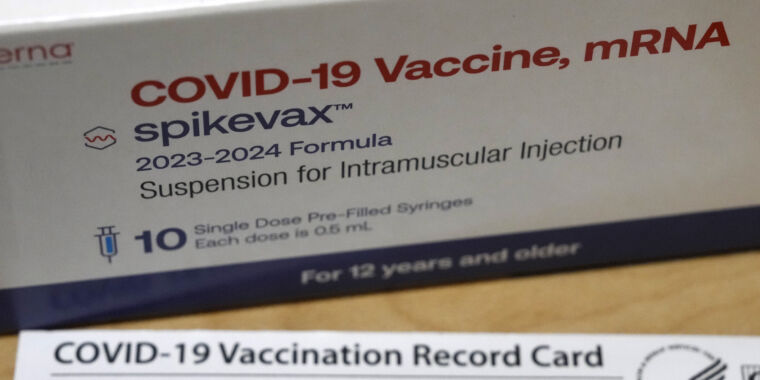
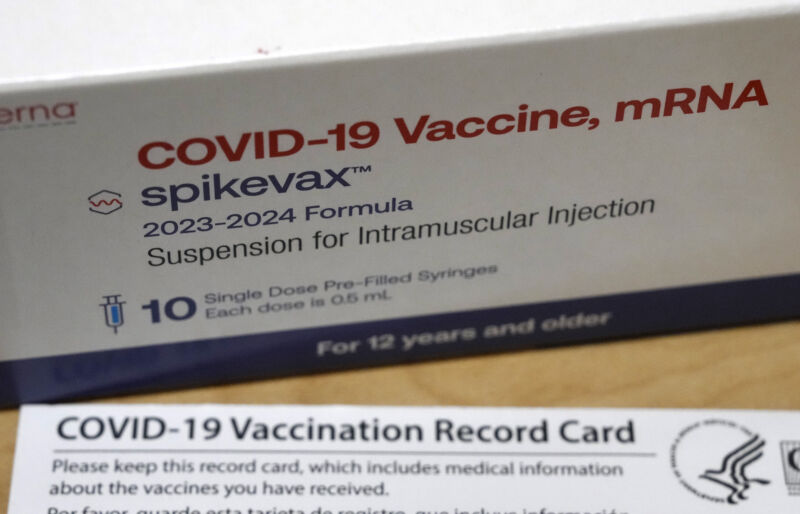
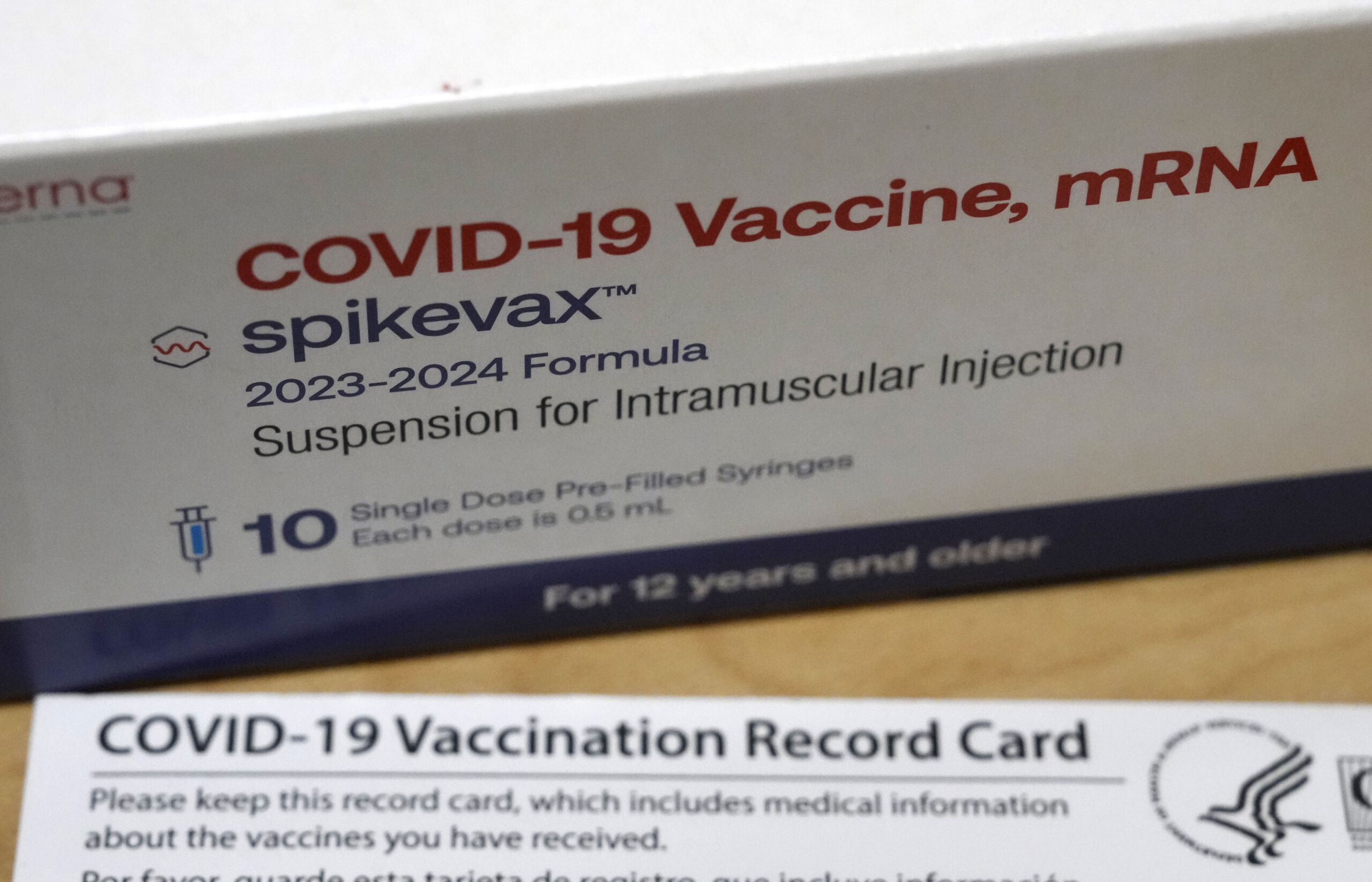
The Moderna Spikevax COVID-19 vaccine is shown at a CVS in 2023.

Enlarge / The Moderna Spikevax COVID-19 vaccine is shown at a CVS in 2023.

People ages 65 and up should get another dose of a COVID-19 vaccine this spring, given the age group’s higher risk of severe disease and death from the pandemic virus, the Centers for Disease Control and Prevention announced Wednesday.

Earlier today, an advisory committee for the CDC voted overwhelmingly in favor of recommending the spring booster dose. And late this afternoon, CDC Director Mandy Cohen signed off on the recommendation, allowing boosting to begin.

“Today’s recommendation allows older adults to receive an additional dose of this season’s COVID-19 vaccine to provide added protection,” Cohen said in a statement. “Most COVID-19 deaths and hospitalizations last year were among people 65 years and older. An additional vaccine dose can provide added protection that may have decreased over time for those at highest risk.”

The spring booster will be an additional shot of the 2023–2024 COVID-19 vaccines made by Pfizer-BioNTech, Moderna, and Novavax. The booster dose should be taken after at least four months have passed since a previous COVID-19 vaccination. However, as FDA representative David Kaslow noted in today’s advisory committee meeting, the FDA will likely approve a 2024–2025 version of COVID-19 vaccines for this coming fall. Given that, it’s best for people to get their spring booster dose by the end of June, so they can be ready for another booster before the winter when COVID-19 has generally peaked.

A report published earlier this month by the CDC found that the 2023–2024 COVID-19 vaccine was about 54 percent effective at preventing symptomatic COVID-19 when compared against people who had not received the latest vaccine. However, the CDC estimates that only about 22 percent of adults in the US have gotten a COVID-19 booster this season, and just over 40 percent of people ages 65 and up have gotten the shot.

People over age 65 made up 67 percent of COVID-19 hospitalizations between October 2023 and January 2024, according to CDC data presented at today’s advisory committee meeting. In early January, COVID-19 hospitalizations hit a seasonal high of about 35,000 weekly new admissions per week and nearly 2,500 weekly deaths.

The advisers debated how to word their recommendation for a spring booster and whether getting a booster should require consulting with a health care provider. But, ultimately, the committee decided on a more permissive recommendation, allowing anyone in the age group who wants a booster to be able to freely get one, including at convenient locations, such as local pharmacies.

“Data continues to show the importance of vaccination to protect those most at risk for severe outcomes of COVID-19,” the CDC said in its announcement of the recommendation. “An additional dose of the updated COVID-19 vaccine may restore protection that has waned since a fall vaccine dose, providing increased protection to adults ages 65 years and older.”

The CDC noted that its previous recommendations allow people who are immunocompromised to get additional doses of the COVID-19 vaccines.

CDC recommends spring COVID booster for people 65 and up Read More »
measles-erupts-in-florida-school-where-11%-of-kids-are-unvaccinated

Measles erupts in Florida school where 11% of kids are unvaccinated

outbreak potential —

Over 100 children at the school are susceptible to virus.

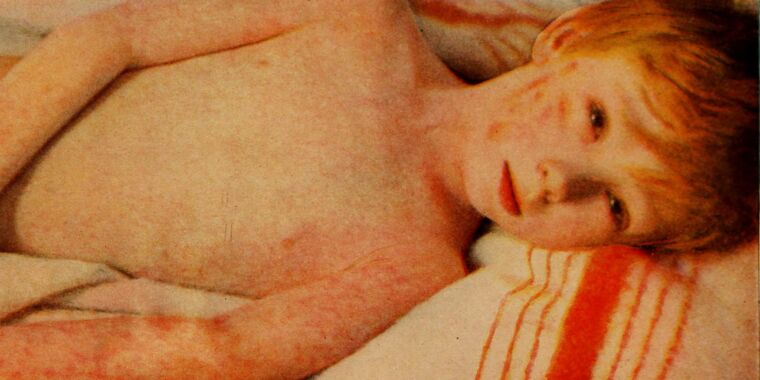
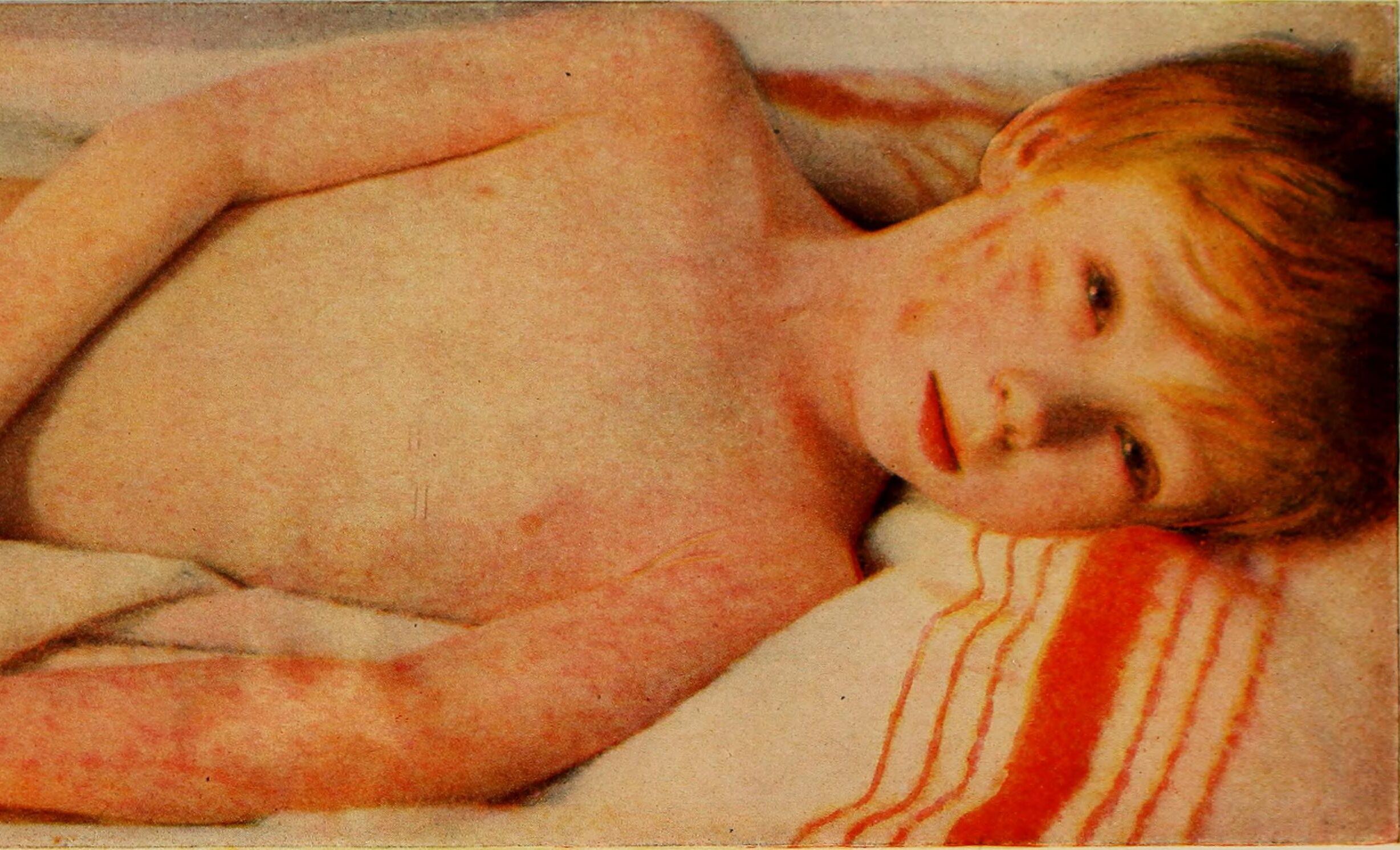
A child with measles.

Enlarge / A child with measles.

Florida health officials on Sunday announced an investigation into a cluster of measles cases at an elementary school in the Fort Lauderdale area with a low vaccination rate, a scenario health experts fear will become more and more common amid slipping vaccination rates nationwide.

On Friday, Broward County Public School reported a confirmed case of measles in a student at Manatee Bay Elementary School in the city of Weston. A local CBS affiliate reported that the case was in a third-grade student who had not recently traveled. On Saturday, the school system announced that three additional cases at the same school had been reported, bringing the current reported total to four cases.

On Sunday, the Florida Department of Health in Broward County (DOH-Broward) released a health advisory about the cases and announced it was opening an investigation to track contacts at risk of infection.

At Manatee Bay Elementary School, the number of children at risk could be over 100 students. According to a Broward County vaccine study reported by the local CBS outlet, only 89.31 percent of students at Manatee Bay Elementary School were fully immunized in the 2023/2024 school year, which is significantly lower than the target vaccination coverage of 95 percent. The school currently has 1,067 students enrolled, suggesting that up to 114 students are vulnerable to the infection based on their vaccination status.

Measles is one of the most contagious viruses known. It spreads via respiratory and airborne transmission. The virus can linger in air space for up to two hours after an infected person has been in an area. People who are not vaccinated or have compromised immune systems are susceptible, and up to 90 percent of susceptible people exposed to the virus will become infected. Measles symptoms typically begin around eight to 14 days after exposure, but the disease can incubate for up to 21 days. The symptoms begin as a high fever, runny nose, red and watery eyes, and a cough before the telltale rash develops. Infected people can be contagious from four days before the rash develops through four days after the rash appears, according to the Centers for Disease Control and Prevention. About 1 in 5 unvaccinated people with measles is hospitalized, the CDC adds, while 1 in 20 infected children develop pneumonia and up to 3 in 1,000 children die of the infection.

Those who are not immunocompromised and are fully vaccinated against measles (who have received two doses of the Measles, Mumps, and Rubella (MMR) vaccine) are generally not considered at risk. The two doses are about 97 percent effective at preventing measles and protection is considered to be life-long.

The DOH-Broward said it is now “identifying susceptible contacts that may be candidates for post-exposure prophylaxis through MMR or immunoglobulin.”

While the risk of measles is generally low in the US—the country declared it eliminated in 2000—the threat of large outbreaks is growing as vaccination rates slip. Many cases in the US are linked to travel from countries where the virus still circulates. But, if a travel-related case lands in a pocket with low vaccination coverage, the virus can take off. Such was the case in 2019, when the country tallied 1,274 measles cases and nearly lost its elimination status.

Health officials typically consider vaccination coverage of 95 percent or greater to protect from ongoing transmission. In the years since the COVID-19 pandemic began, vaccination rates among US kindergartners have slipped to 93 percent, and vaccination exemptions reached an all-time high in the latest data from the 2022-2023 school year. There are now at least 10 states that have vaccination exemption rates above 5 percent, meaning that even if every non-exempt child is vaccinated, those states will not have enough coverage to reach the 95 percent target.

The CDC has tallied 20 measles cases in the US so far this year. But that is the tally as of February 15; it does not include any of the Florida cases reported since Friday. In 2023, there were 58 measles cases reported to the CDC.

This story was updated to include additional information about measles infection outcomes.

Measles erupts in Florida school where 11% of kids are unvaccinated Read More »

cdc-to-update-its-covid-isolation-guidance,-ditching-5-day-rule:-report

CDC to update its COVID isolation guidance, ditching 5-day rule: Report

update —

The agency is reportedly moving from the fixed time to a symptom-based isolation period.

CDC to update its COVID isolation guidance, ditching 5-day rule: Report

The Centers for Disease Control and Prevention is preparing to update its COVID-19 isolation guidance, moving from a minimum five-day isolation period to one that is solely determined by symptoms, according to a report from The Washington Post.

Currently, CDC isolation guidance states that people who test positive for COVID-19 should stay home for at least five days, at which point people can end their isolation as long as their symptoms are improving and they have been fever-free for 24 hours.

According to three unnamed officials who spoke with the Post, the CDC will update its guidance to remove the five-day minimum, recommending more simply that people can end their isolation any time after being fever-free for 24 hours without the aid of medication, as long as any other remaining symptoms are mild and improving. The change, which is expected to be released in April, would be the first to loosen the guidance since the end of 2021.

In an email to Ars, a CDC spokesperson did not confirm or deny the report, saying only that, “There are no updates to COVID guidelines to announce at this time. We will continue to make decisions based on the best evidence and science to keep communities healthy and safe.”

The Post notes that the proposed update to the guidance matches updated guidance from California and Oregon, as well as other countries.

The officials who spoke with the outlet noted that the loosened guidelines reflect that most people in the US have developed some level of immunity to the pandemic coronavirus from prior infections and vaccinations.

A report earlier this month found that the 2023–2024 COVID-19 vaccine was about 54 percent effective at preventing symptomatic COVID-19 when compared against people who had not received the latest vaccine. However, the CDC estimates that only about 22 percent of adults have received the updated shot.

Currently, the CDC recommends that people wear a mask for 10 days after testing positive unless they have two negative tests 48 hours apart. The Post reported that it’s unclear if the CDC will update its mask recommendation.

CDC to update its COVID isolation guidance, ditching 5-day rule: Report Read More »