CES 2026

hp’s-eliteboard-g1a-is-a-ryzen-powered-windows-11-pc-in-a-membrane-keyboard

HP’s EliteBoard G1a is a Ryzen-powered Windows 11 PC in a membrane keyboard

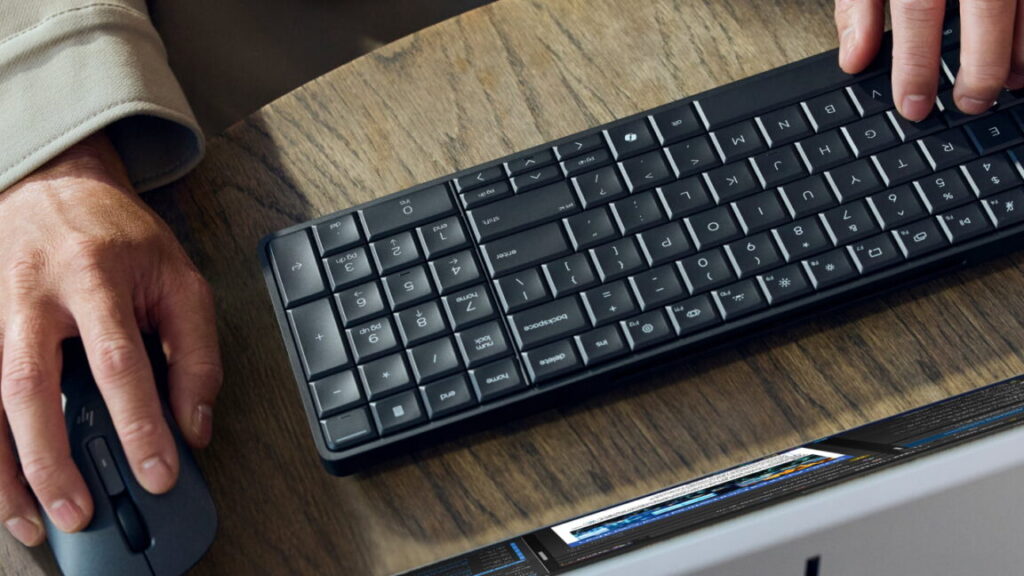
As a Windows system built inside of a functioning membrane keyboard, the HP EliteBoard G1a announced today is a more accessible alternative to other keyboard-PCs.

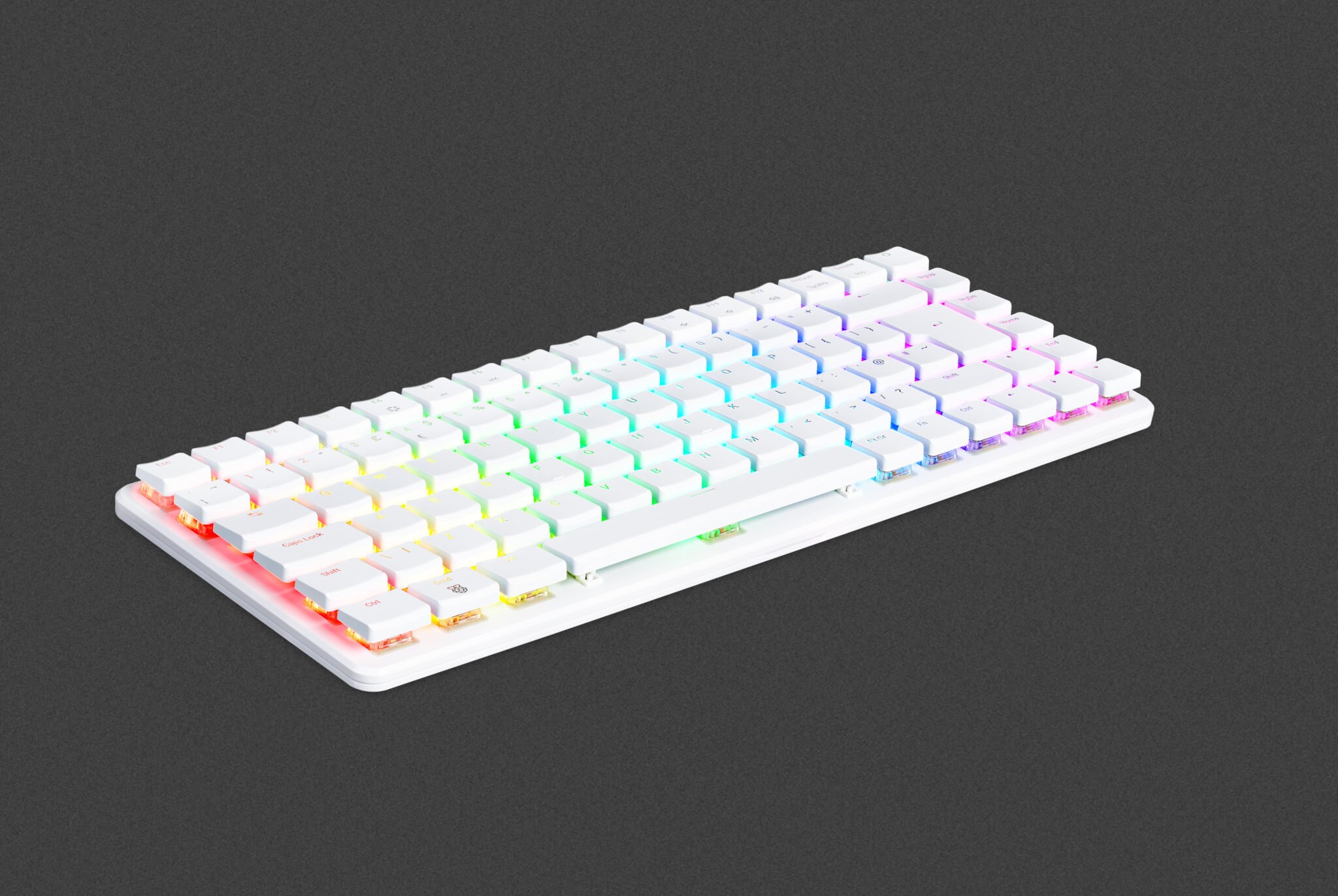
The Commodore 64 made the keyboard-PC famous in the 1980s, but the keyboard-PC space has been dominated by the Raspberry Pi. In 2019, the single-board computer (SBC) maker released the Raspberry Pi 400, which is essentially a Raspberry Pi 4 SBC inside a case that also functions as a keyboard for the system. USB, HDMI, and Ethernet ports, plus a GPIO header and native Raspberry Pi OS Linux distribution add up to a low-end desktop computer experience that only costs $100. Then the Raspberry Pi 500 with a Pi 5 powered by a quad-core, 64-bit Arm Cortex-A76 inside, and the Pi 500+, which has NVMe SSD, instead of microSD, storage, and is built inside of a low-profile mechanical keyboard (it’s also twice as expensive at $200).

The Pi 500+ keyboard-PC using RGB.

Credit: Raspberry Pi

The Pi 500+ keyboard-PC using RGB. Credit: Raspberry Pi

But Raspberry Pis largely appeal to tinkerers, DIYers, and Linux fans, making Pi-as-a-desktop a niche product with a substantial learning curve for newcomers.

Alternatively, HP’s EliteBoard will bring Windows and a more powerful x86 architecture to the keyboard-PC form factor. HP says the EliteBoard will support Windows 11 Pro for Business and an AMD Ryzen AI 300-series processor with up to 50 TOPs NPU. The device will be sold with a 32 W internal battery and is part of Microsoft’s Copilot+ PC program. 

HP’s EliteBoard G1a is a Ryzen-powered Windows 11 PC in a membrane keyboard Read More »

with-geforce-super-gpus-missing-in-action,-nvidia-focuses-on-software-upgrades

With GeForce Super GPUs missing in action, Nvidia focuses on software upgrades

For the first time in years, Nvidia declined to introduce new GeForce graphics card models at CES. CEO Jensen Huang’s characteristically sprawling and under-rehearsed 90-minute keynote focused almost entirely on the company’s dominant AI business, relegating the company’s gaming-related announcements to a separate video posted later in the evening.

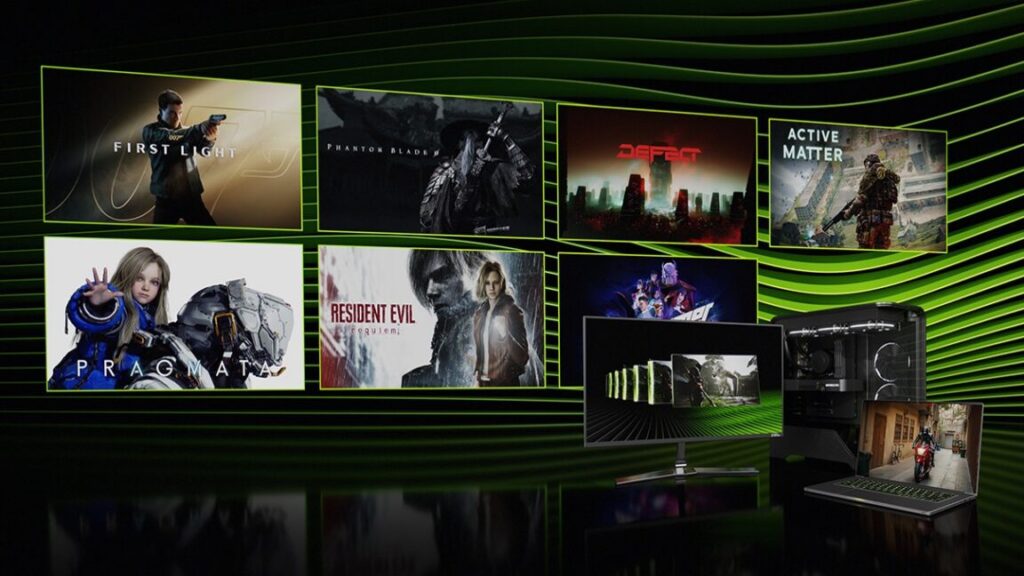
Instead, the company focused on software improvements for its existing hardware. The biggest announcement in this vein is DLSS 4.5, which adds a handful of new features to Nvidia’s basket of upscaling and frame generation technologies.

DLSS upscaling is being improved by a new “second-generation transformer model” that Nvidia says has been “trained on an expanded data set” to improve its predictions when generating new pixels. According to Nvidia’s Bryan Catanzaro, this is particularly beneficial for image quality in the Performance and Ultra Performance modes, where the upscaler has to do more guessing because it’s working from a lower-resolution source image.

DLSS Multi-Frame Generation is also improving, increasing the number of AI-generated frames per rendered frame from three to five. This new 6x mode for DLSS MFG is being paired with something called Dynamic Multi-Frame Generation, where the number of AI-generated frames can dynamically change, increasing generated frames during “demanding scenes,” and decreasing the number of generated frames during simpler scenes “so it only computes what’s needed.”

The standard caveats for Multi-Frame Generation still apply: It still needs an RTX 50-series GPU (the 40-series can still only generate one frame for every rendered frame, and older cards can’t generate extra frames at all), and the game still needs to be running at a reasonably high base frame rate to minimize lag and weird rendering artifacts. It remains a useful tool for making fast-running games run faster, but it won’t help make an unplayable frame rate into a playable one.

With GeForce Super GPUs missing in action, Nvidia focuses on software upgrades Read More »

dell’s-xps-revival-is-a-welcome-reprieve-from-the-“ai-pc”-fad

Dell’s XPS revival is a welcome reprieve from the “AI PC” fad

After making the obviously poor decision to kill its XPS laptops and desktops in January 2025, Dell started selling 16- and 14-inch XPS laptops again today.

“It was obvious we needed to change,” Jeff Clarke, vice chairman and COO at Dell Technologies, said at a press event in New York City previewing Dell’s CES 2026 announcements.

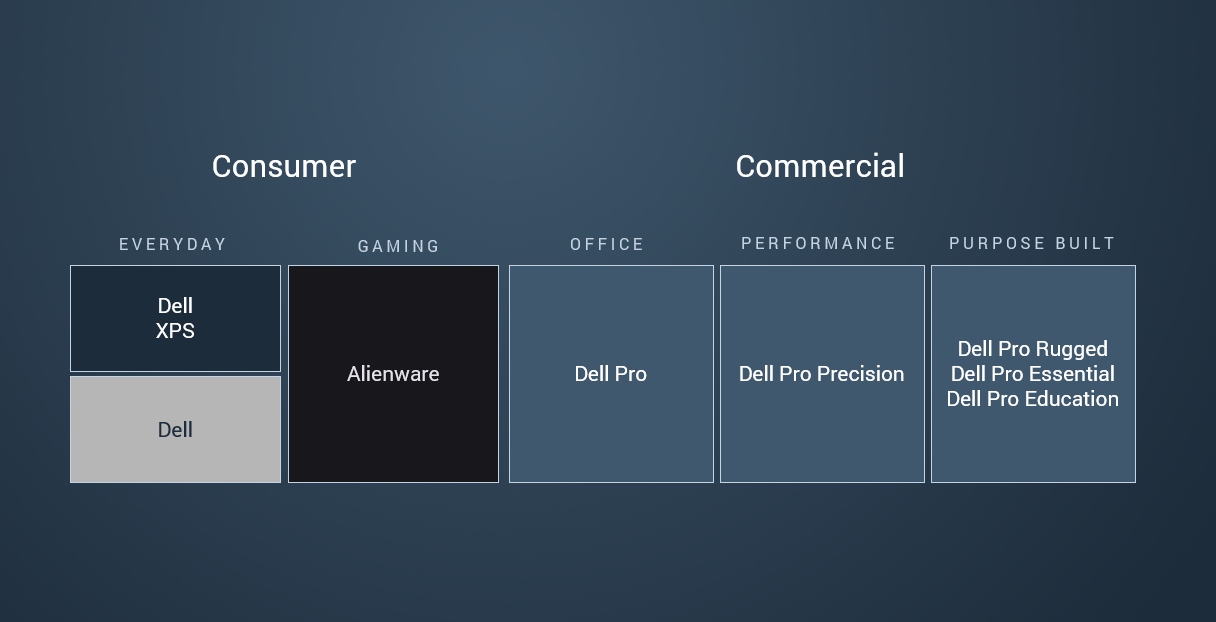
A year ago, Dell abandoned XPS branding, as well as its Latitude, Inspiron, and Precision PC lineups. The company replaced the reputable brands with Dell Premium, Dell Pro, and Dell Pro Max. Each series included a base model, as well as “Plus” and “Premium.” Dell isn’t resurrecting its Latitude, Inspiron, or Precision series, and it will still sell “Dell Pro” models.

Dell's consumer and commercial PC lines.

This is how Dell breaks down its computer lineup now.

Credit: Dell

This is how Dell breaks down its computer lineup now. Credit: Dell

XPS returns

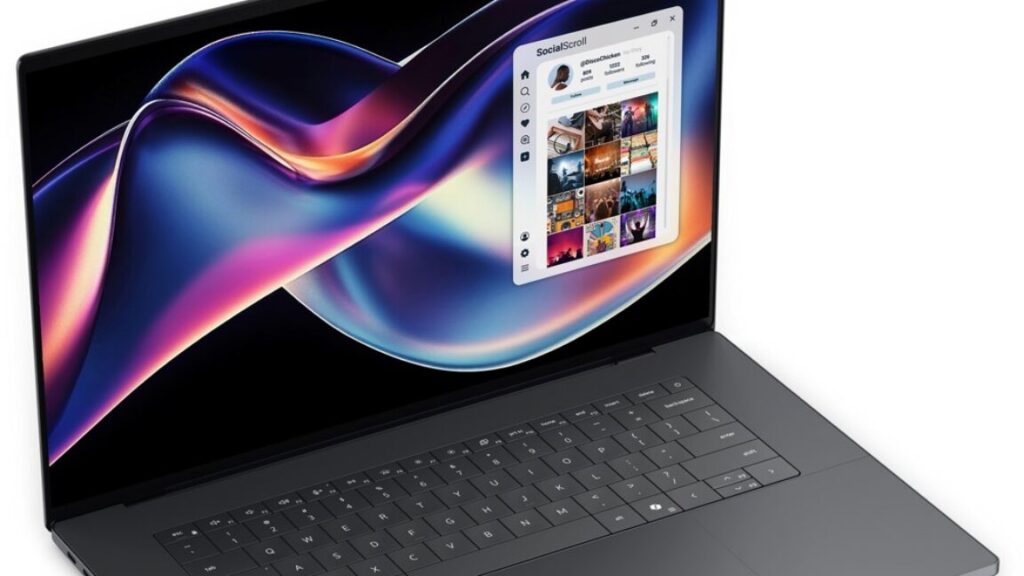
The revival of XPS means the return of one of the easiest recommendations for consumer ultralight laptops. Before last year’s shunning, XPS laptops had a reputation for thin, lightweight designs with modern features and decent performance for the price. This year, Dell is even doing away with some of the design tweaks that it introduced to the XPS lineup in 2022, which, unfortunately, were shoppers’ sole option last year.

Inheriting traits from the XPS 13 Plus introduced in 2022, the XPS-equivalent laptops that Dell released in 2025 had a capacitive-touch row without physical buttons, a borderless touchpad with haptic feedback, and a flat, lattice-free keyboard. The design was meant to enable more thermal headroom but made using the computers feel uncomfortable and unfamiliar.

The XPS 14 and XPS 16 laptops launching today have physical function rows. They still have a haptic touchpad, but now the touchpad has comforting left and right borders. And although the XPS 14 and XPS 16 have the same lattice-free keyboard of the XPS 13 Plus, Dell will release a cheaper XPS 13 later this year with a more traditional chiclet keyboard, since those types of keyboards are cheaper to make.

Dell’s XPS revival is a welcome reprieve from the “AI PC” fad Read More »

spot-the-difference:-sony’s-electric-car-gets-a-crossover-version

Spot the difference: Sony’s electric car gets a crossover version

It’s all about AI

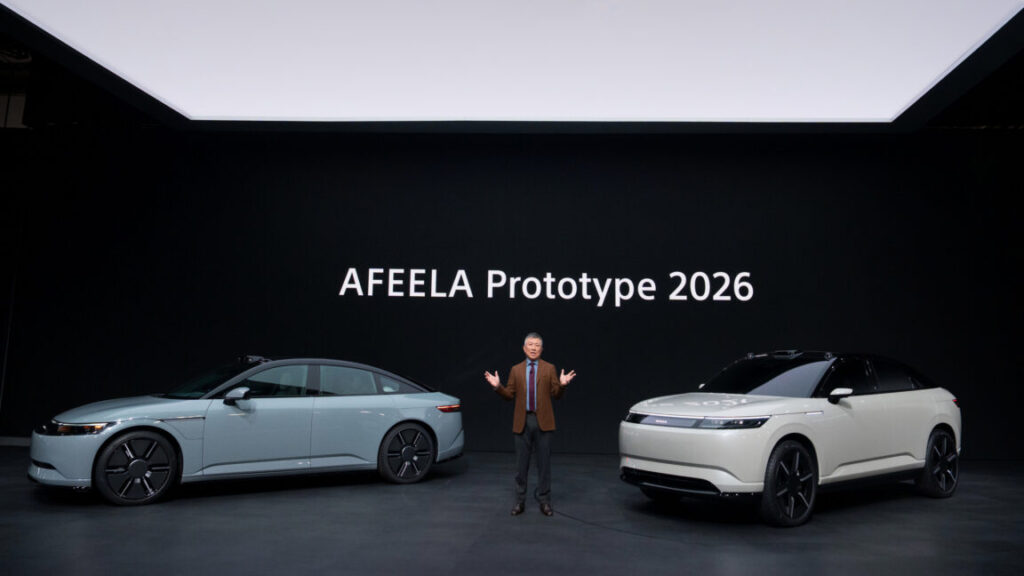
The big news, at least in terms of detail, wasn’t the crossover, which Sony Honda Mobility says will go on sale in the US in 2028. Rather, like seemingly every other corporation out there, it’s all about AI. A “vision-language model” will “elevate” the Afeela’s partially automated driver assist—which requires the human to pay attention while the car steers, accelerates, and brakes—into something more fully autonomous, capable of point-to-point driving without any other human input, at least under some conditions.

“Specifically, we are constantly reviewing sensor devices and layouts, further improving computing power, and making our End-to-End Driving AI stronger,” said Izumi Kawanishi, president and COO of Sony Honda Mobility. “As a result, the cabin will evolve into a drive-less environment, reducing the task of manual driving, and providing more freedom to relax and enjoy entertainment content. In the future, the drive-less environment will transform the cabin into a true ‘Creative Entertainment Space,’” Kawanishi said.

Not having to drive will free you up to interact with the onboard personal AI, which uses Microsoft’s OpenAI tech. The AI agent “enhances mobility interactions through personalized natural dialogue. This elevates the relationship between people and mobility into something more personal and long-lasting,” Kawanishi said, adding that Sony Honda Mobility wants to use AI “sensitively while carefully considering personal information and privacy.”

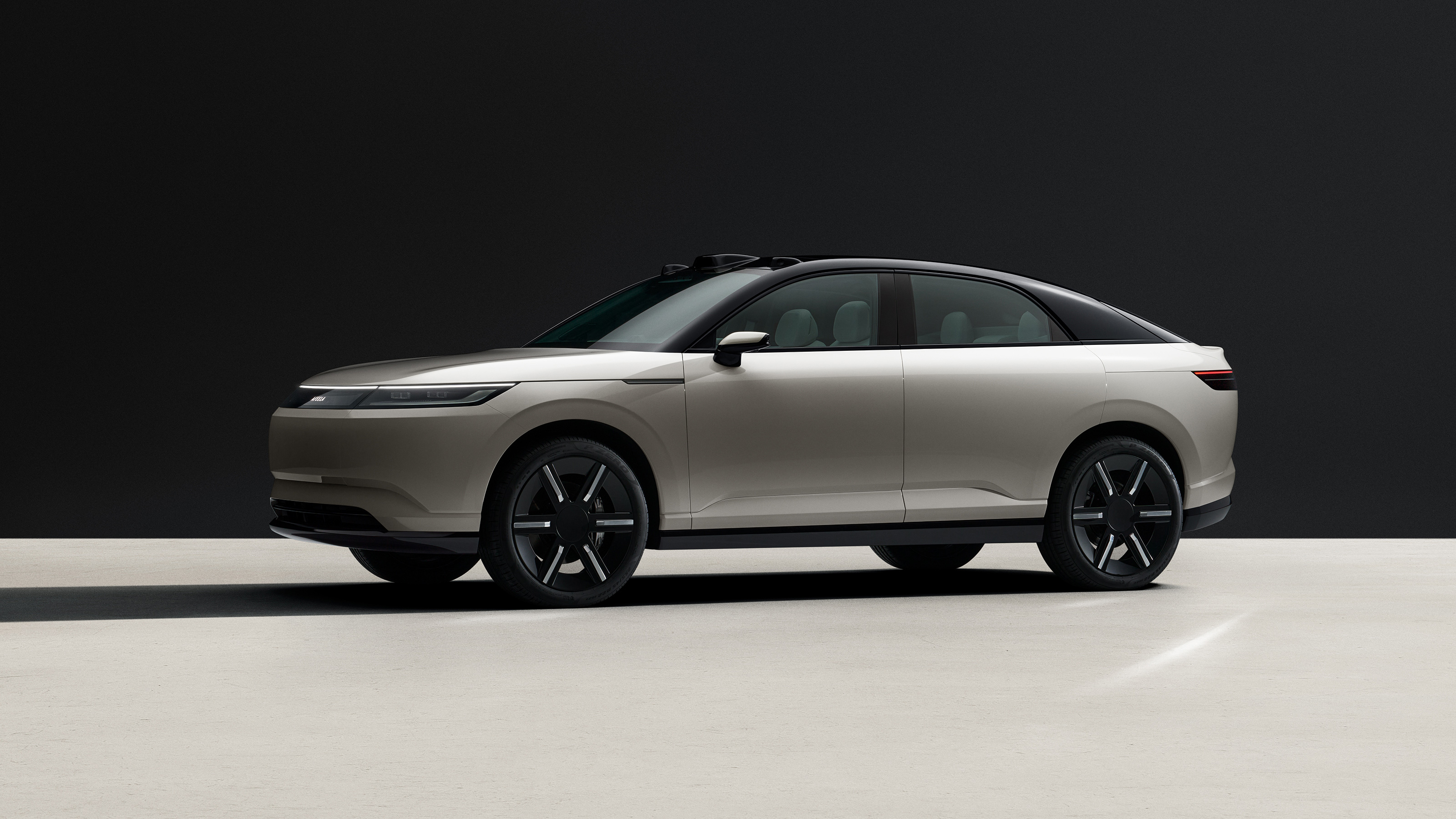
A Sony Honda Mobility SUV

We did not see any interior details of the new Afeela. Credit: Sony Honda Mobility

Powering all of this on the car? Qualcomm’s Snapdragon Digital Chassis platform; the chipmaker has been a strategic partner of Sony Honda Mobility throughout the Afeela’s development.

Well, it’s also about content

Sony says its PlayStation Remote Play experience will be embedded in the Afeela 1. “With a DualSense controller and a good network connection, AFEELA becomes another way you can pick up and play the games you already enjoy. Just like every other Remote Play experience, this isn’t a separate console in the car—you’re playing the games you already own through streaming,” said Erik Lempel, senior vice president of business and product at Sony Interactive Entertainment.

Spot the difference: Sony’s electric car gets a crossover version Read More »

sandisk-says-goodbye-to-wd-blue-and-black-ssds,-hello-to-new-“optimus”-drives

SanDisk says goodbye to WD Blue and Black SSDs, hello to new “Optimus” drives

In late 2023, storage company Western Digital announced plans to split itself into two companies. One, which would still be called Western Digital, would focus on spinning hard drives, which are no longer used much in consumer systems but remain important to NAS devices and data centers. The other, called SanDisk, would handle solid-state storage, including the drives that Western Digital sold to consumers under its Blue, Black, Green, and Red brands.

That split effectively undid what Western Digital did a decade ago when it bought SanDisk for $19 billion. And we’re just now starting to see the way the split will affect the company’s existing consumer drives.

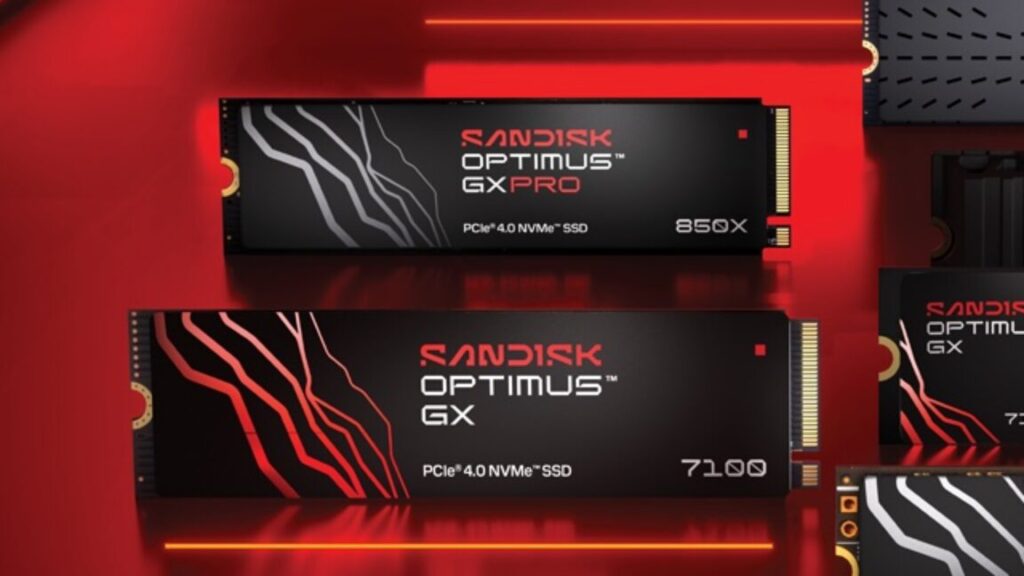
Today, SanDisk announced that mainstream WD Blue and WD Black SSDs would be discontinued and replaced by SanDisk Optimus-branded disks with the same model numbers.

WD Blue drives will now be “SanDisk Optimus” drives, starting with the Optimus 5100, a rebadged version of the WD Blue SN5100. Mid-tier WD Black drives will be branded as “SanDisk Optimus GX,” and the Optimus GX 7100 will replace the WD Black SN7100. And high-end WD Black drives will become “SanDisk Optimus GX Pro” SSDs, with the Optimus GX Pro 850X and 8100 replacing the WD Black SN850X and 8100 drives.

Given that these are all fast NVMe SSDs, I suspect the average user would have trouble detecting much of a difference between the low-end WD Blue/Optimus drives and the high-end WD Black/Optimus GX Pro SSDs. But the functional differences between the drives remain the same as before: the Blue/Optimus 5100 uses somewhat slower and less durable quad-level cell (QLC) flash memory, while the Black/Optimus GX 7100 uses triple-level cell (TLC) memory. The Black/Optimus GX Pro 8100 maximizes performance by stepping up to a PCIe 5.0 interface instead of PCIe 4.0 and including a dedicated DRAM cache (the 5100 and 7100 each claim a small chunk of your system RAM for this, called the Host Memory Buffer, or HMB). The 850X is a slightly older drive that keeps the dedicated DRAM but is also limited to PCIe 4.0 speeds.

SanDisk says goodbye to WD Blue and Black SSDs, hello to new “Optimus” drives Read More »