NASA defers decision on Mars Sample Return to the Trump administration
“We want to have the quickest, cheapest way to get these 30 samples back.”
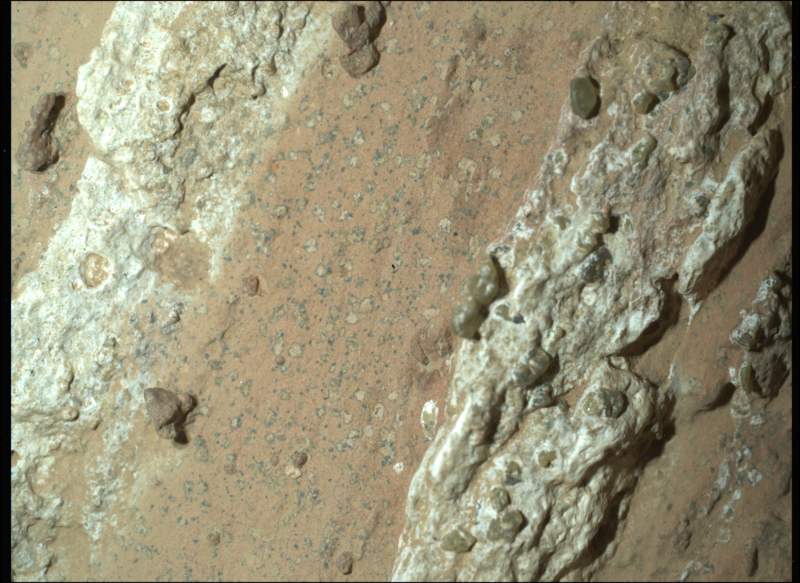
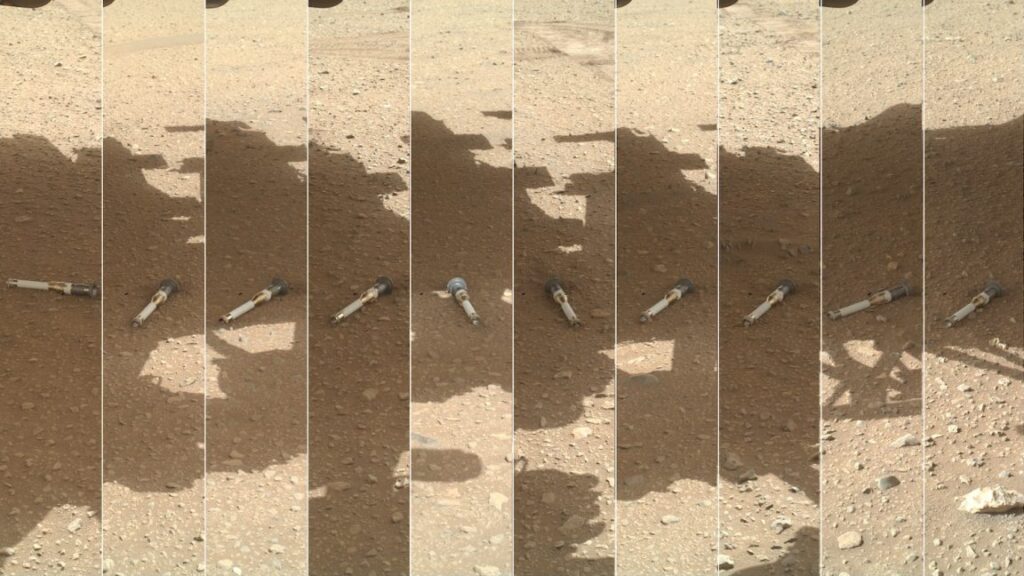
This photo montage shows sample tubes shortly after they were deposited onto the surface by NASA’s Perseverance Mars rover in late 2022 and early 2023. Credit: NASA/JPL-Caltech/MSSS
For nearly four years, NASA’s Perseverance rover has journeyed across an unexplored patch of land on Mars—once home to an ancient river delta—and collected a slew of rock samples sealed inside cigar-sized titanium tubes.
These tubes might contain tantalizing clues about past life on Mars, but NASA’s ever-changing plans to bring them back to Earth are still unclear.
On Tuesday, NASA officials presented two options for retrieving and returning the samples gathered by the Perseverance rover. One alternative involves a conventional architecture reminiscent of past NASA Mars missions, relying on the “sky crane” landing system demonstrated on the agency’s two most recent Mars rovers. The other option would be to outsource the lander to the space industry.
NASA Administrator Bill Nelson left a final decision on a new mission architecture to the next NASA administrator working under the incoming Trump administration. President-elect Donald Trump nominated entrepreneur and commercial astronaut Jared Isaacman as the agency’s 15th administrator last month.
“This is going to be a function of the new administration in order to fund this,” said Nelson, a former Democratic senator from Florida who will step down from the top job at NASA on January 20.
The question now is: will they? And if the Trump administration moves forward with Mars Sample Return (MSR), what will it look like? Could it involve a human mission to Mars instead of a series of robotic spacecraft?
The Trump White House is expected to emphasize “results and speed” with NASA’s space programs, with the goal of accelerating a crew landing on the Moon and sending people to explore Mars.
NASA officials had an earlier plan to bring the Mars samples back to Earth, but the program slammed into a budgetary roadblock last year when an independent review team concluded the existing architecture would cost up to $11 billion—double the previous cost projection—and wouldn’t get the Mars specimens back to Earth until 2040.
This budget and schedule were non-starters for NASA. The agency tasked government labs, research institutions, and commercial companies to come up with better ideas to bring home the roughly 30 sealed sample tubes carried aboard the Perseverance rover. NASA deposited 10 sealed tubes on the surface of Mars a couple of years ago as insurance in case Perseverance dies before the arrival of a retrieval mission.
“We want to have the quickest, cheapest way to get these 30 samples back,” Nelson said.
How much for these rocks?
NASA officials said they believe a stripped-down concept proposed by the Jet Propulsion Laboratory in Southern California, which previously was in charge of the over-budget Mars Sample Return mission architecture, would cost between $6.6 billion and $7.7 billion, according to Nelson. JPL’s previous approach would have put a heavier lander onto the Martian surface, with small helicopter drones that could pick up sample tubes if there were problems with the Perseverance rover.
NASA previously deleted a “fetch rover” from the MSR architecture and instead will rely on Perseverance to hand off sample tubes to the retrieval lander.
An alternative approach would use a (presumably less expensive) commercial heavy lander, but this concept would still utilize several elements NASA would likely develop in a more traditional government-led manner: a nuclear power source, a robotic arm, a sample container, and a rocket to launch the samples off the surface of Mars and back into space. The cost range for this approach extends from $5.1 billion to $7.1 billion.
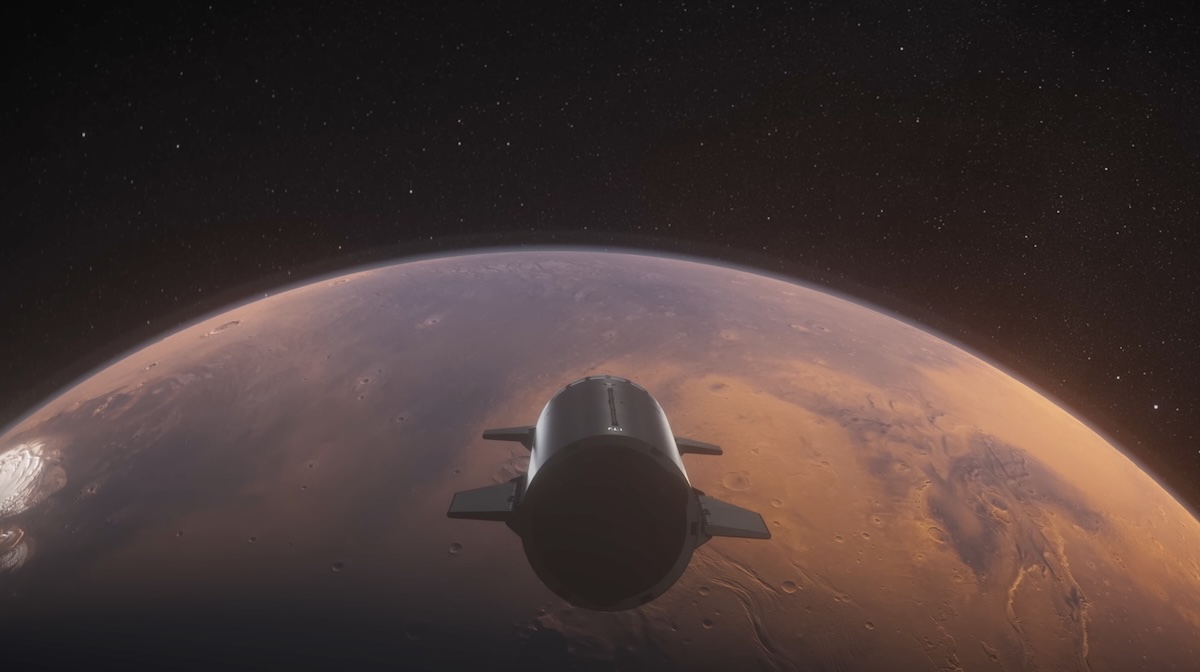
Artist’s illustration of SpaceX’s Starship approaching Mars. Credit: SpaceX
JPL will have a “key role” in both paths for MSR, said Nicky Fox, head of NASA’s science mission directorate. “To put it really bluntly, JPL is our Mars center in NASA science.”
If the Trump administration moves forward with either of the proposed MSR plans, this would be welcome news for JPL. The center, which is run by the California Institute of Technology under contract to NASA, laid off 955 employees and contractors last year, citing budget uncertainty, primarily due to the cloudy future of Mars Sample Return.
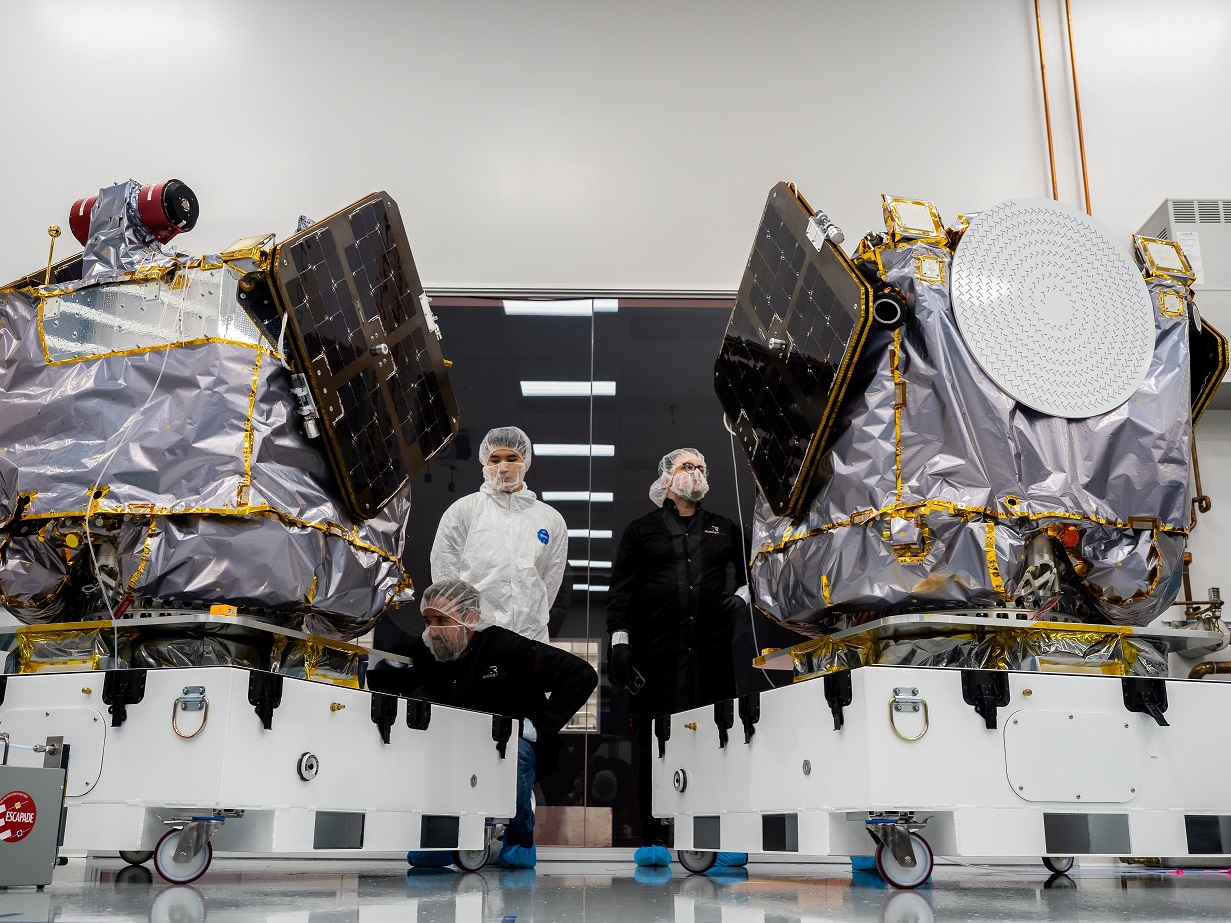
Without MSR, engineers at the Jet Propulsion Laboratory don’t have a flagship-class mission to build after the launch of NASA’s Europa Clipper spacecraft last year. The lab recently struggled with rising costs and delays with the previous iteration of MSR and NASA’s Psyche asteroid mission, and it’s not unwise to anticipate more cost overruns on a project as complex as a round-trip flight to Mars.
Ars submitted multiple requests to interview Laurie Leshin, JPL’s director, in recent months to discuss the lab’s future, but her staff declined.
Both MSR mission concepts outlined Tuesday would require multiple launches and an Earth return orbiter provided by the European Space Agency. These options would bring the Mars samples back to Earth as soon as 2035, but perhaps as late as 2039, Nelson said. The return orbiter and sample retrieval lander could launch as soon as 2030 and 2031, respectively.
“The main difference is in the landing mechanism,” Fox said.
To keep those launch schedules, Congress must immediately approve $300 million for Mars Sample Return in this year’s budget, Nelson said.
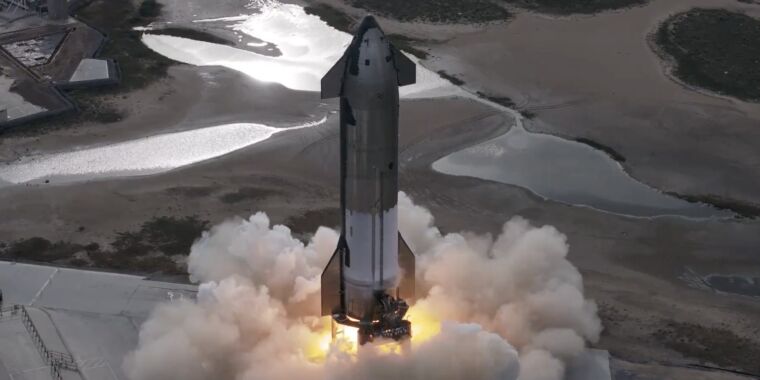
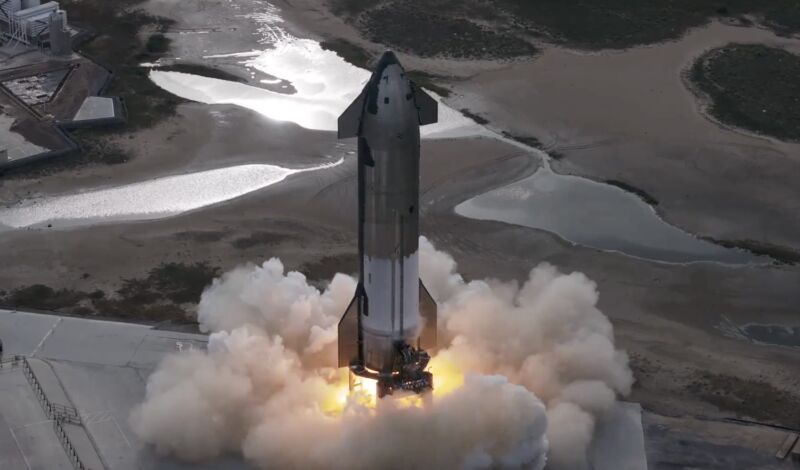
NASA officials didn’t identify any examples of a commercial heavy lander that could reach Mars, but the most obvious vehicle is SpaceX’s Starship. NASA already has a contract with SpaceX to develop a Starship vehicle that can land on the Moon, and SpaceX founder Elon Musk is aggressively pushing for a Mars mission with Starship as soon as possible.
NASA solicited eight studies from industry earlier this year. SpaceX, Blue Origin, Rocket Lab, and Lockheed Martin—each with their own lander concepts—were among the companies that won NASA study contracts. SpaceX and Blue Origin are well-capitalized with Musk and Amazon’s Jeff Bezos as owners, while Lockheed Martin is the only company to have built a lander that successfully reached Mars.
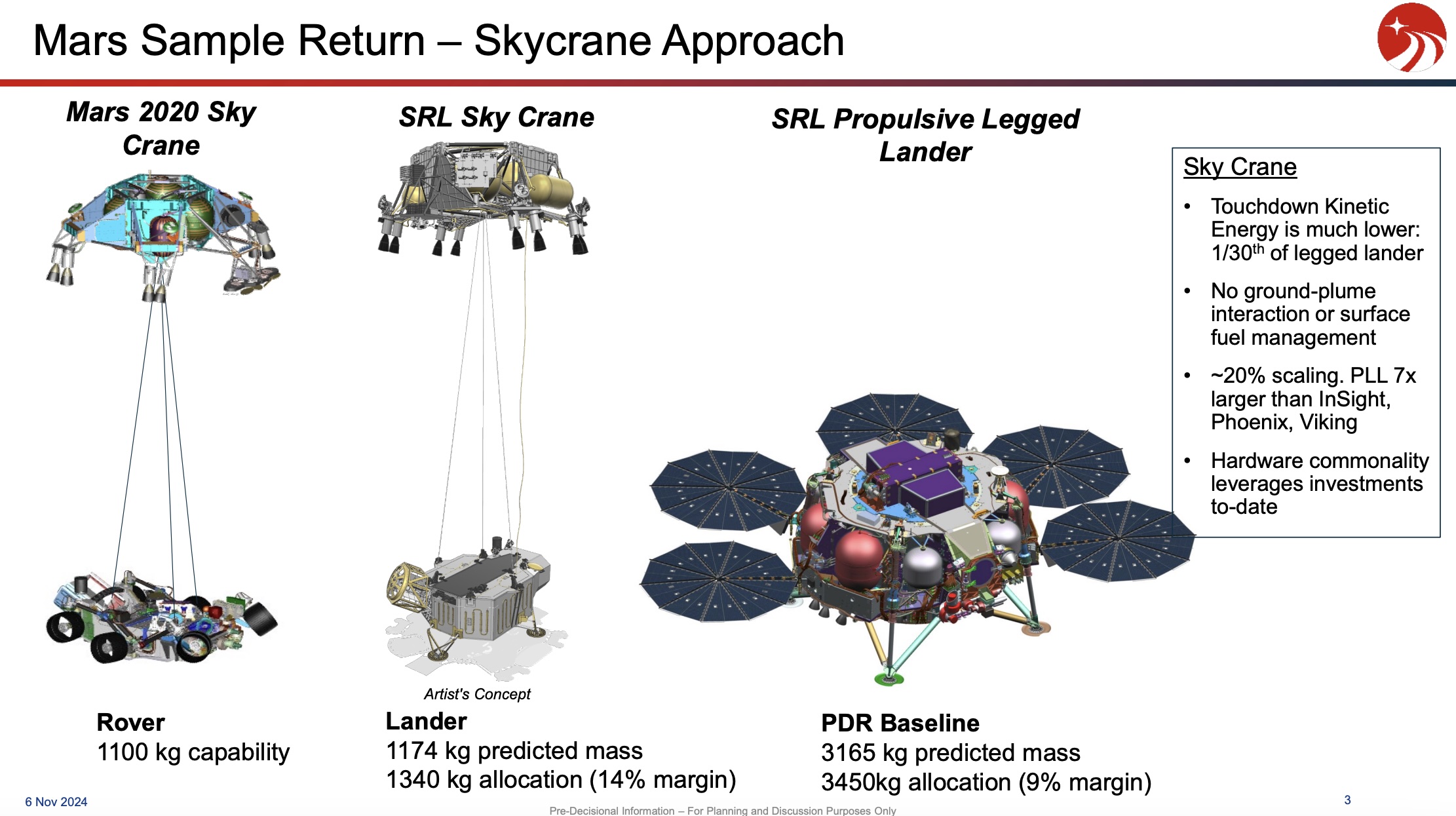
This slide from a November presentation to the Mars Exploration Program Analysis Group shows JPL’s proposed “sky crane” architecture for a Mars sample retrieval lander. The landing system would be modified to handle a load about 20 percent heavier than the sky crane used for the Curiosity and Perseverance rover landings. Credit: NASA/JPL
The science community has long identified a Mars Sample Return mission as the top priority for NASA’s planetary science program. In the National Academies’ most recent decadal survey released in 2022, a panel of researchers recommended NASA continue with the MSR program but stated the program’s cost should not undermine other planetary science missions.
Teeing up for cancellation?
That’s exactly what is happening. Budget pressures from the Mars Sample Return mission, coupled with funding cuts stemming from a bipartisan federal budget deal in 2023, have prompted NASA’s planetary science division to institute a moratorium on starting new missions.
“The decision about Mars Sample Return is not just one that affects Mars exploration,” said Curt Niebur, NASA’s lead scientist for planetary flight programs, in a question-and-answer session with solar system researchers Tuesday. “It’s going to affect planetary science and the planetary science division for the foreseeable future. So I think the entire science community should be very tuned in to this.”
Rocket Lab, which has been more open about its MSR architecture than other companies, has posted details of its sample return concept on its website. Fox declined to offer details on other commercial concepts for MSR, citing proprietary concerns.
“We can wait another year, or we can get started now,” Rocket Lab posted on X. “Our Mars Sample Return architecture will put Martian samples in the hands of scientists faster and more affordably. Less than $4 billion, with samples returned as early as 2031.”
Through its own internal development and acquisitions of other aerospace industry suppliers, Rocket Lab said it has provided components for all of NASA’s recent Mars missions. “We can deliver MSR mission success too,” the company said.
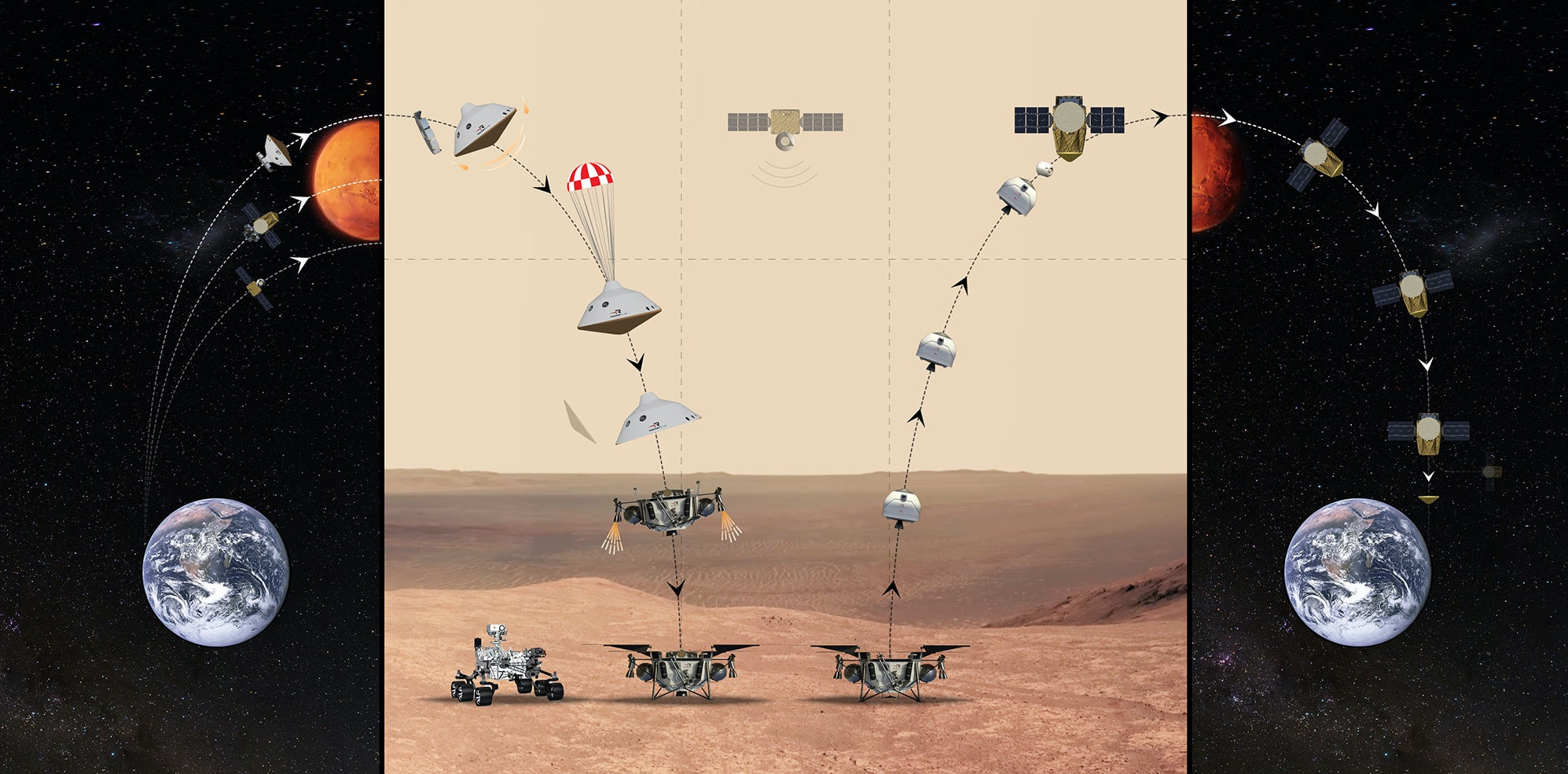
Rocket Lab’s concept for a Mars Sample Return mission. Credit: Rocket Lab
Although NASA’s deferral of a decision on MSR to the next administration might convey a lack of urgency, officials said the agency and potential commercial partners need time to assess what roles the industry might play in the MSR mission.
“They need to flesh out all of the possibilities of what’s required in the engineering for the commercial option,” Nelson said.
On the program’s current trajectory, Fox said NASA would be able to choose a new MSR architecture in mid-2026.
Waiting, rather than deciding on an MSR plan now, will also allow time for the next NASA administrator and the Trump White House to determine whether either option aligns with the administration’s goals for space exploration. In an interview with Ars last week, Nelson said he did not want to “put the new administration in a box” with any significant MSR decisions in the waning days of the Biden administration.
One source with experience in crafting and implementing US space policy told Ars that Nelson’s deferral on a decision will “tee up MSR for canceling.” Faced with a decision to spend billions of dollars on a robotic sample return or billions of dollars to go toward a human mission to Mars, the Trump administration will likely choose the latter, the source said.
If that happens, NASA science funding could be freed up for other pursuits in planetary science. The second priority identified in the most recent planetary decadal survey is an orbiter and atmospheric probe to explore Uranus and its icy moons. NASA has held off on the development of a Uranus mission to focus on the Mars Sample Return first.
Science and geopolitics
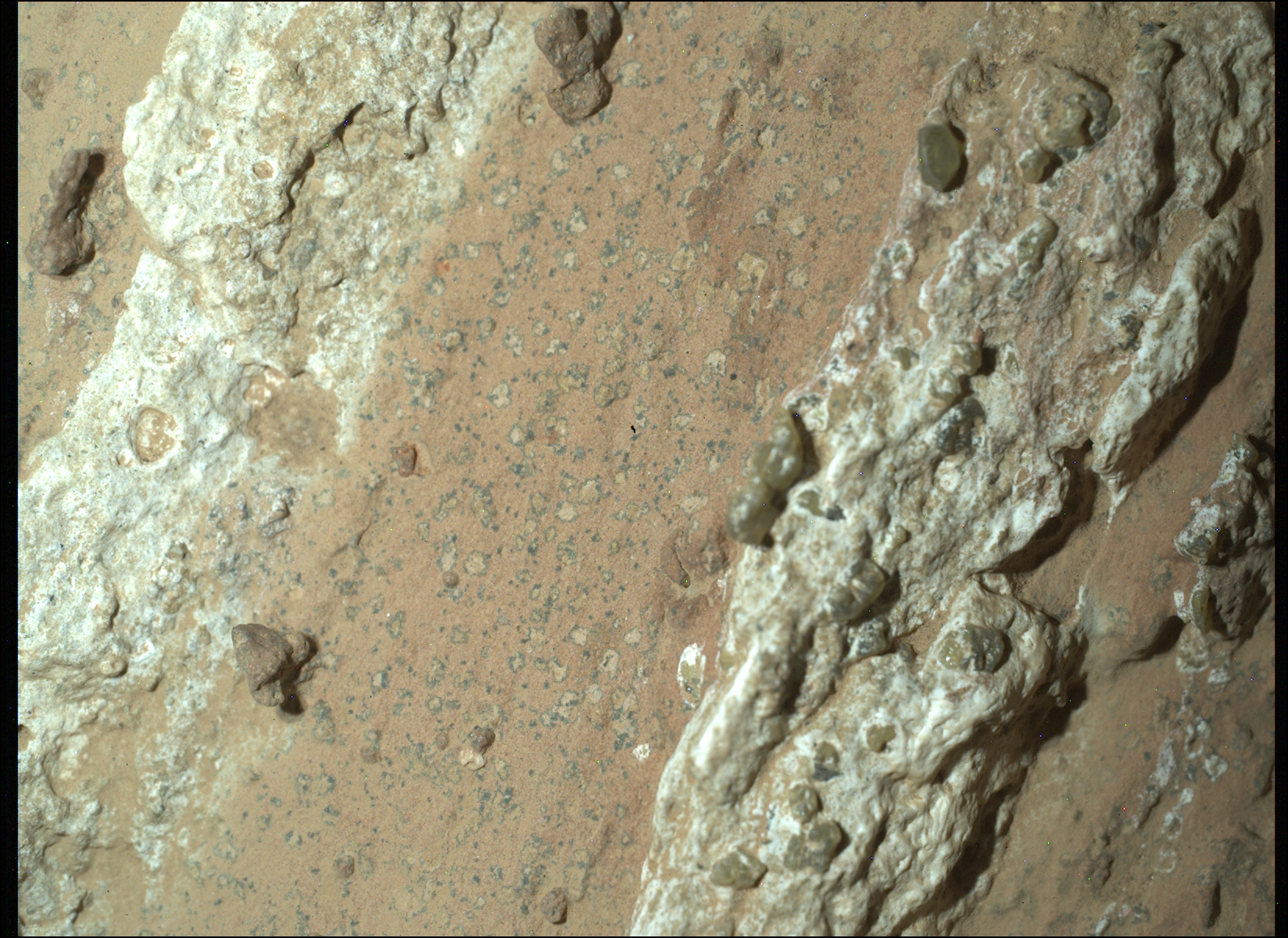
Whether it’s with robots or humans, there’s a strong case for bringing pristine Mars samples back to Earth. The titanium tubes carried by the Perseverance rover contain rock cores, loose soil, and air samples from the Martian atmosphere.
“Bringing them back will revolutionize our understanding of the planet Mars and indeed, our place in the solar system,” Fox said. “We explore Mars as part of our ongoing efforts to safely send humans to explore farther and farther into the solar system, while also … getting to the bottom of whether Mars once supported ancient life and shedding light on the early solar system.”
Researchers can perform more detailed examinations of Mars specimens in sophisticated laboratories on Earth than possible with the miniature instruments delivered to the red planet on a spacecraft. Analyzing samples in a terrestrial lab might reveal biosignatures, or the traces of ancient life, that elude detection with instruments on Mars.
“The samples that we have taken by Perseverance actually predate—they are older than any of the samples or rocks that we could take here on Earth,” Fox said. “So it allows us to kind of investigate what the early solar system was like before life began here on Earth, which is amazing.”
Fox said returning Mars samples before a human expedition would help NASA prioritize where astronauts should land on the red planet.
In a statement, the Planetary Society said it is “concerned that NASA is again delaying a decision on the program, committing only to additional concept studies.”
“It has been more than two years since NASA paused work on MSR,” the Planetary Society said. “It is time to commit to a path forward to ensure the return of the samples already being collected by the Perseverance rover.
“We urge the incoming Trump administration to expedite a decision on a path forward for this ambitious project, and for Congress to provide the funding necessary to ensure the return of these priceless samples from the Martian surface.”
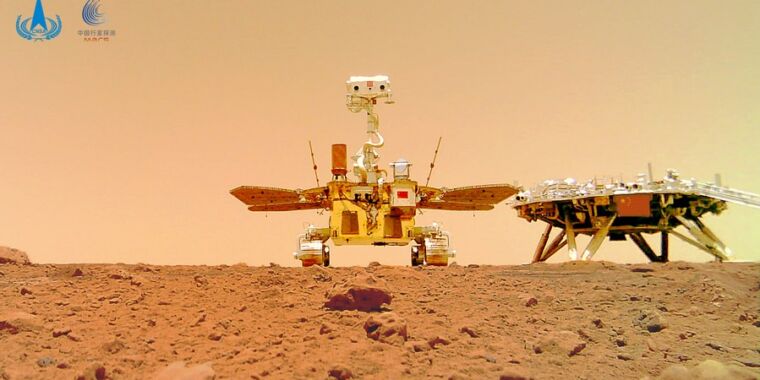
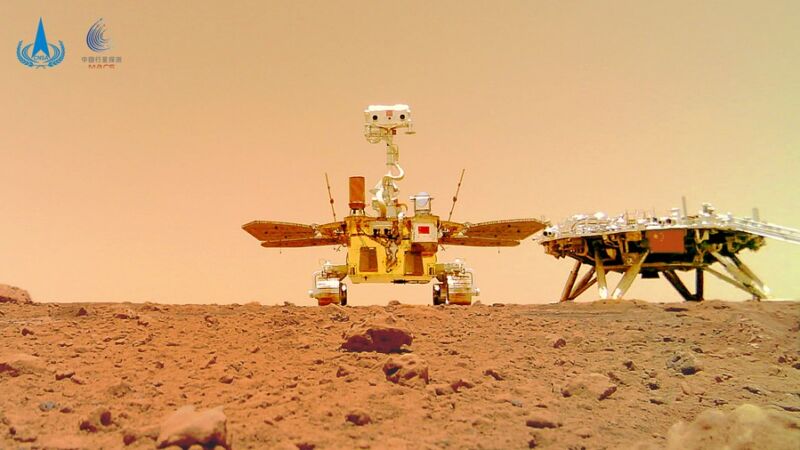
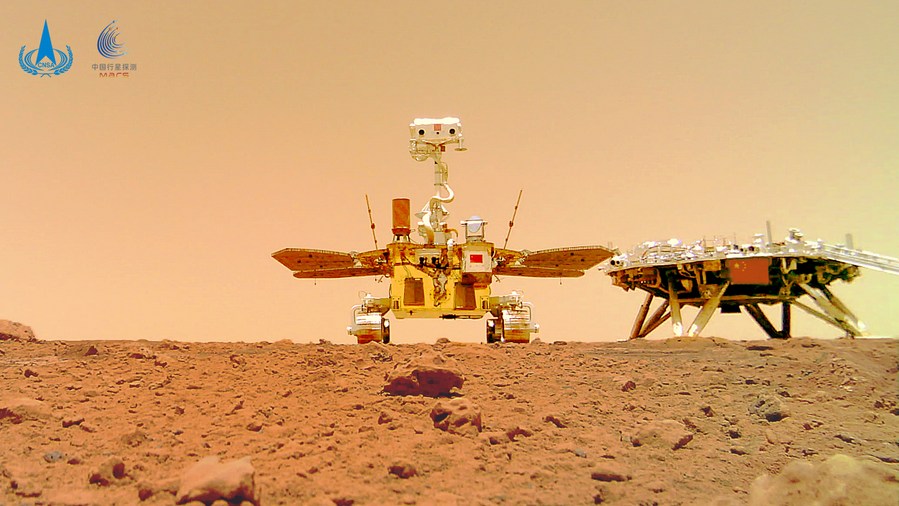
China says it is developing its own mission to bring Mars rocks back to Earth. Named Tianwen-3, the mission could launch as soon as 2028 and return samples to Earth by 2031. While NASA’s plan would bring back carefully curated samples from an expansive environment that may have once harbored life, China’s mission will scoop up rocks and soil near its landing site.
“They’re just going to have a mission to grab and go—go to a landing site of their choosing, grab a sample and go,” Nelson said. “That does not give you a comprehensive look for the scientific community. So you cannot compare the two missions. Now, will people say that there’s a race? Of course, people will say that, but it’s two totally different missions.”
Still, Nelson said he wants NASA to be first. He said he has not had detailed conversations with Trump’s NASA transition team.
“I think it was a responsible thing to do, not to hand the new administration just one alternative if they want to have a Mars Sample Return,” Nelson said. “I can’t imagine that they don’t. I don’t think we want the only sample return coming back on a Chinese spacecraft.”

Stephen Clark is a space reporter at Ars Technica, covering private space companies and the world’s space agencies. Stephen writes about the nexus of technology, science, policy, and business on and off the planet.
NASA defers decision on Mars Sample Return to the Trump administration Read More »