microdosing

a-cup-of-coffee-for-depression-treatment-has-better-results-than-microdosing

A cup of coffee for depression treatment has better results than microdosing


The effect of microdosing have been overstated, at least when it comes to depression.

About a decade ago, many media outlets—including WIRED—zeroed in on a weird trend at the intersection of mental health, drug science, and Silicon Valley biohacking: microdosing, or the practice of taking a small amount of a psychedelic drug seeking not full-blown hallucinatory revels but gentler, more stable effects. Typically using psilocybin mushrooms or LSD, the archetypal microdoser sought less melting walls and open-eye kaleidoscopic visuals than boosts in mood and energy, like a gentle spring breeze blowing through the mind.

Anecdotal reports pitched microdosing as a kind of psychedelic Swiss Army knife, providing everything from increased focus to a spiked libido and (perhaps most promisingly) lowered reported levels of depression. It was a miracle for many. Others remained wary. Could 5 percent of a dose of acid really do all that? A new, wide-ranging study by an Australian biopharma company suggests that microdosing’s benefits may indeed be drastically overstated—at least when it comes to addressing symptoms of clinical depression.

A Phase 2B trial of 89 adult patients conducted by Melbourne-based MindBio Therapeutics, investigating the effects of microdosing LSD in the treatment of major depressive disorder, found that the psychedelic was actually outperformed by a placebo. Across an eight-week period, symptoms were gauged using the Montgomery-Åsberg Depression Rating Scale (MADRS), a widely recognized tool for the clinical evaluation of depression.

The study has not yet been published. But MindBio’s CEO Justin Hanka recently released the top-line results on his LinkedIn, eager to show that his company was “in front of the curve in microdosing research.” He called it “the most vigorous placebo controlled trial ever performed in microdosing.” It found that patients dosed with a small amount of LSD (ranging from 4 to 20μg, or micrograms, well below the threshold of a mind-blowing hallucinogenic dose) showed observable upticks in feelings of well-being, but worse MADRS scores, compared to patients given a placebo in the form of a caffeine pill. (Because patients in psychedelic trials typically expect some kind of mind-altering effect, studies are often blinded using so-called “active placebos,” like caffeine or methylphenidate, which have their own observable psychoactive properties.)

This means, essentially, that a medium-strength cup of coffee may prove more beneficial in treating major depressive disorder than a tiny dose of acid. Good news for habitual caffeine users, perhaps, but less so for researchers (and biopharma startups) counting on the efficacy of psychedelic microdosing.

“It’s probably a nail in the coffin of using microdosing to treat clinical depression,” Hanka says. “It probably improves the way depressed people feel—just not enough to be clinically significant or statistically meaningful.”

However despairing, these results conform with the suspicions of some more skeptical researchers, who have long believed that the benefits of microdosing are less the result of a teeny-tiny psychedelic catalyst, and more attributable to the so-called “placebo effect.”

In 2020, Jay A. Olson, then a PhD candidate in the Department of Psychiatry at McGill University in Montreal, Canada, conducted an experiment. He gave 33 participants a placebo, telling them it was actually a dose of a psilocybin-like drug. They were led to believe there was no placebo group. Other researchers who were in on the bit acted out the effects of the drug, in a room treated with trippy lighting and other visual stimulants, in an attempt to curate the “optimized expectation” of a psychedelic experience.

The resulting paper, titled “Tripping on Nothing,” found that a majority of participants had reported feeling the effects of the drug—despite there being no real drug whatsoever. “The main conclusion we had is that the placebo effect can be stronger than expected in psychedelic studies,” Olson, now a postdoctoral fellow at the University of Toronto, tells WIRED. “Placebo effects were stronger than what you would get from microdosing.”

More than a stick in the eye to the microdosing faithful, Olson maintains that the study’s key findings had more to do with the actual role, and power, of the placebo effect. “The public has a lot of misconceptions about the placebo effect,” he says. “There’s this assumption that placebo effects are extremely weak, or that they’re not real.”

Olson goes on to say that placebo effects in psychedelic trials can be further juiced by the hype around the drugs themselves. Patients may enter a trial expecting a certain experience, and their mind is able to conjure a version of that experience, in turn. In Olson’s study, it wasn’t a matter of microdosing effects not being real, but that those effects may be caused by environment, or patient expectation. As he puts it: “It can be true at the same time that microdosing can have positive effects on people, and that those effects are perhaps almost entirely placebo.”

This itself raises a sticky question about MindBio’s study. How could a placebo group, who thinks they’re taking LSD, perform better than an active control group, members of which both think they’re taking LSD and are actually taking it? The answer comes from the design of the study itself.

Using what’s called a “double-dummy” design, MindBio’s researchers informed patients that they’d either be receiving LSD, a caffeine pill, or a dose of methylphenidate, better known as Ritalin or Concerta. (No patients were actually administered the methylphenidate.) This means that patient expectation was lowered, as they could ascribe any perceived effects to either the LSD or either of the active placebos. Patients taking LSD microdoses may well have believed they were merely on a stimulant. All patients followed an adaptation of the “Fadiman protocol,” a popular microdosing programme that sees patients taking a small dose of the given drug once every three days.

Jim Fadiman, the veteran psychedelic researcher after whom the protocol is named, rejects MindBio’s conclusions, and trial design, out of hand. Because, Fadiman believes, patients were given the active caffeine placebo, their reported benefits may well be attributable not to a pure placebo effect, but to the actual psychoactive properties of that drug.

“Double-dummy is a remarkably apt term,” Fadiman, 86, sneers. “What I know is that if you take enough caffeine, you will not be depressed!”

Fadiman points to MindBio’s earlier, Phase 2A study, recently published in the journal Neuropharmacology, which drew markedly different conclusions. It was a non-blinded, so-called “open label” study, meaning patients knew definitely that they were being microdosed with LSD. This study found that MADRS scores decreased by 59.5 percent, with effects lasting as long as six months. It also found improvements in stress, rumination, anxiety, and patient quality of life. Fadiman says that this reportage is more consistent with his own research on microdosing. “Their prior study did wonderfully with LSD,” Fadiman says. “I have collected literally hundreds of real world reports over the years that validate those findings.”

MindBio’s Hanka stands by the science. “We are bewildered at the significant difference between the open label Phase 2A trial results and the Phase 2B trial results,” he says. “But that is the nature of good science—a properly controlled trial will get a proper result. Our Phase 2B trial was of the highest standard, a triple-blind, double-dummy, active placebo controlled trial. I haven’t seen another psychedelic trial that has gone to these lengths to control and blind a trial.”

Despite these findings, some microdosing true believers don’t seem especially shaken. In 2017, writer Ayelet Waldman (best known as the author of the Mommy-Track Mysteries series of novels that follow the adventures of stay-at-home-mom-cum-sleuth Juliet Applebaum) published A Really Good Day, a diaristic account of her own self-experiments using microdosing to treat an intractable mood disorder. She tells WIRED she’s not especially bothered by the implication that her positive shifts in mood may have merely been placebo. “In my book I took very seriously the possibility that what I was experiencing was the mother of all placebo effects,” Waldman says. “I wrote about this a number of times in various chapters and decided in the end it didn’t matter. What mattered was that I felt better.”

Perhaps that’s true enough. If the effects are measurable, and repeatable, then it should hardly matter if they’re attributable to a sub-perceptual dose of lysergic acid, or to the (perhaps equally profound) mysteries of the placebo. Still, one cannot help but wonder why anyone looking to use LSD to aid severe clinical depression would bother assuming the legal risk of procuring and consuming a drug still classified under Schedule I by the US Drug Enforcement Administration.

Certainly, for his part, Justin Hanka seems content to pivot MindBio’s research into a new field. His next project is “Booze A.I.”: a smartphone app that uses artificial intelligence to scan the human voice for relevant biomarkers that determine blood alcohol concentration. He’s leaving microdosing in the rearview. “I put millions of dollars into this myself,” he says. “Had I known six years ago what I know about psychedelics, I probably wouldn’t have ventured into the microdosing field.”

This story originally appeared on wired.com.
Photo of WIRED

Wired.com is your essential daily guide to what’s next, delivering the most original and complete take you’ll find anywhere on innovation’s impact on technology, science, business and culture.

A cup of coffee for depression treatment has better results than microdosing Read More »
what-we-know-about-microdosing-candy-illnesses-as-death-investigation-underway

What we know about microdosing candy illnesses as death investigation underway

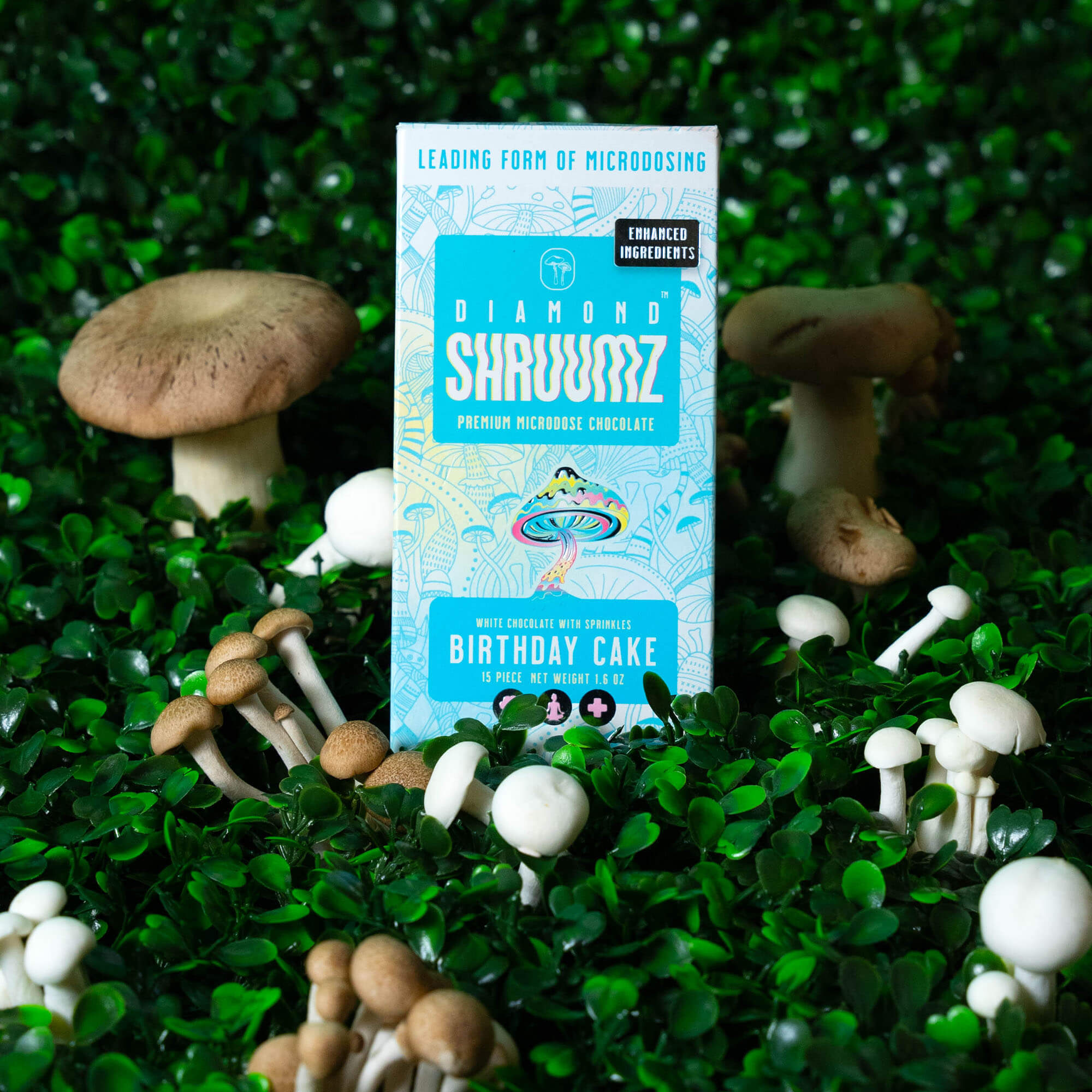
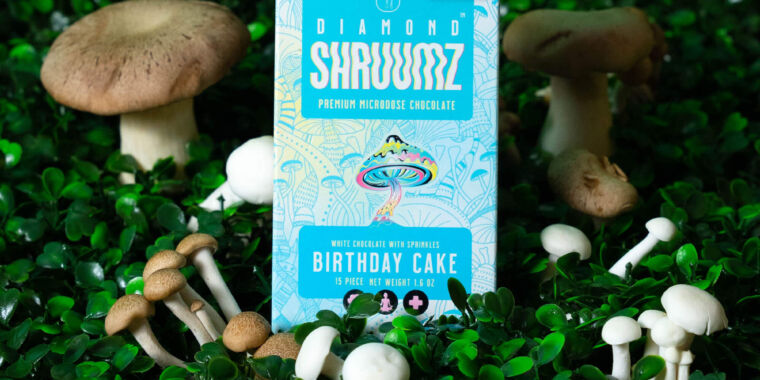
The Birthday Cake flavored bar.

Enlarge / The Birthday Cake flavored bar.

One person may have died from eating Diamond Shruumz microdosing candies, which were recalled last week amid a rash of severe illnesses involving seizures, intubation, and intensive care stays.

According to an update this week from the Food and Drug Administration, the cluster of cases continues to increase across the country. To date, 48 people across 24 states have fallen ill after eating the candies, which include chocolate bars, gummies, and candy cones that were sold online and in retail locations, such as smoke and vape shops. Of the 48 people sickened, 46 were ill enough to seek medical care, and 27 were admitted to a hospital.

For now, the death noted in the FDA’s latest update is only “potentially associated” with the candies and is still under investigation. No other information is yet available.

But in an interview with Ars, medical toxicologist Michael Moss was not surprised that the candies may have turned deadly. Moss, who is the medical director of the Utah Poison Control Center, cared for one of the first people reported to be sickened in the cluster.

An early case

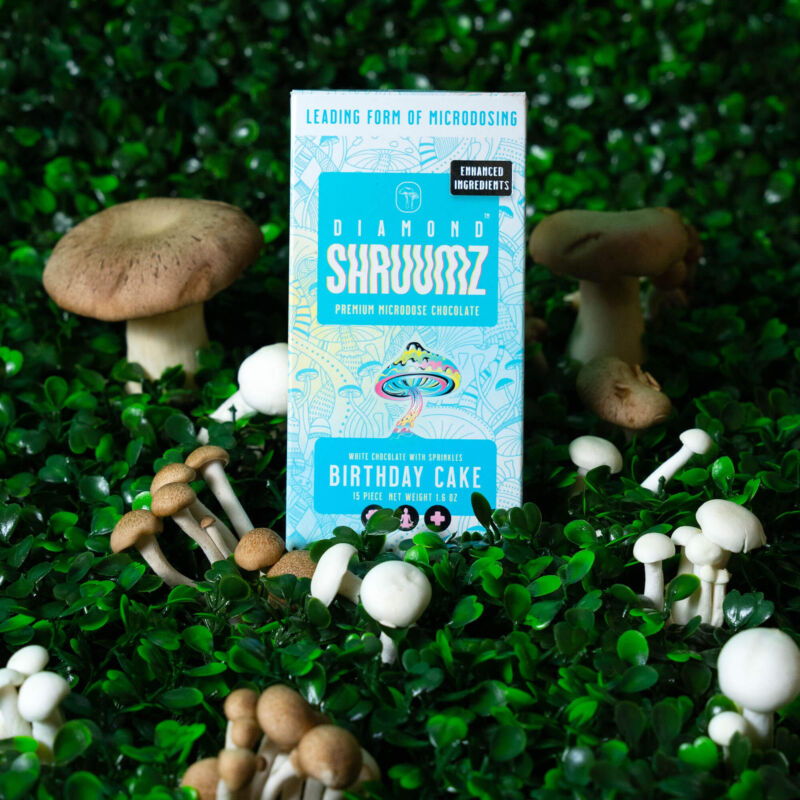
The person was sickened in Nevada and transferred to a hospital in Utah, where Moss was a member of his care team. After the person came out of intensive care, Moss sat down with him and tried to piece together what happened. According to Moss, the person had bought a Birthday Cake-flavored chocolate bar at a local store. The bars are sold as “microdosing” candies, suggesting they contain psychedelic compounds, but the exact components and dosages aren’t listed.

Though the person told Moss he had some experience with psychedelics before, it was only with actual mushrooms. This was the first time he had eaten such a bar. And the bar’s packaging had only vague instructions of how much to eat at one time to achieve certain effects. For instance, eating nine or more squares of the bar was described with an image of an eye with lots of rainbow colors.

“What does that dose mean? And how many milligrams of what is that? Nobody knows,” Moss said. “So, he decided, ‘It’s a chocolate bar.’ So why wouldn’t you just eat the chocolate bar? Pretty reasonable thing to do.”

But, within minutes of eating the bar, the person felt nauseated and very dizzy and tired. He went to lie down and doesn’t remember much after that. Fortunately, a family member came home soon after and found him. The family member saw that he had vomited and was possibly aspirating or choking. By the time paramedics arrived, he was having a seizure. He had another in the emergency room. Doctors gave him anti-seizure medications and a breathing tube and put him on ventilation before transferring him to the hospital in Utah.

What we know about microdosing candy illnesses as death investigation underway Read More »

microdosing-candy-linked-illnesses-double;-possible-recall-in-“discussions”

Microdosing candy-linked illnesses double; possible recall in “discussions”

No recall —

Of the 26 cases identified so far, 25 sought medical care and 16 were hospitalized.

Microdosing candy-linked illnesses double; possible recall in “discussions”

Cases of illnesses linked to microdosing candies have more than doubled, with reports of seizures and the need for intubation, mechanical ventilation, and intensive care stays. But, there remains no recall of the products—microdosing chocolates, gummies, and candy cones by Diamond Shruumz—linked to the severe and life-threatening illnesses. In the latest update from the Food and Drug Administration late Tuesday, the agency said that it “has been in contact with the firm about a possible voluntary recall, but these discussions are still ongoing.”

In the update, the FDA reported 26 cases across 16 states, up from 12 cases in eight states last week. Of the 26 reported cases, 25 sought medical care and 16 were hospitalized. No deaths have been reported.

Last week, the Centers for Disease Control and Prevention released a health alert about the candies. The agency noted that as of June 11, the people sickened after eating Diamond Shruumz candies presented to health care providers with a host of severe symptoms. Those include: central nervous system depression with sedation, seizures, muscle rigidity, clonus (abnormal reflex responses), tremor, abnormal heart rate (bradycardia or tachycardia), abnormal blood pressure (hypotension or hypertension), gastrointestinal effects (nausea, vomiting, or abdominal pain), skin flushing, diaphoresis (excessive sweating), and metabolic acidosis with increased anion gap (an acid-based disorder linked to poisonings).

At the time of the CDC alert, 10 patients had been hospitalized, and “several required intubation, mechanical ventilation, and admission to an intensive care unit,” the agency reported.

It remains unclear what ingredient in the candies could be causing the poisonings. The FDA reports that it has worked with state partners to collect multiple samples of Diamond Shruumz products so they can be analyzed for potential toxic components. That analysis is still ongoing, the agency said.

Diamond Shruumz has not responded to multiple requests for comment from Ars.

Untold toxic ingredients

Diamond Shruumz does not list the ingredients of its products on its website. They are sold as “microdosing” candies, a term that typically suggests a small amount of a psychedelic compound is present. The company describes its chocolates, gummies, and cones as “trippy,” “psychedelic,” and “hallucinogenic,” and also claims they contain a “primo proprietary blend of nootropic and functional mushrooms.” But, it’s unclear what, if any, psychoactive compound is present in the candies.

The CDC notes that products like these “might contain undisclosed ingredients, including illicit substances, other adulterants, or potentially harmful contaminants that are not approved for use in food.”

Diamond Shruumz posted documents on its website from third-party laboratories claiming to indicate that the candies do not contain the most notable mushroom-derived psychedelic compound, psilocybin. The reports also indicate that some of the products do not contain cannabinoids or compounds from the hallucinogenic Amanita muscaria mushroom. Additionally, the company said in a blog post that its products contain a blend of Lion’s mane, Reishi, and Chaga mushrooms, but these are all non-hallucinogenic mushrooms used in herbal and traditional medicines and supplements.

In recent decades, hundreds of new synthetic psychoactive substances have hit the market in such products, including many new phenethylamines and tryptamines, which are chemically related to LSD and psilocybin. Some experts and members of the psychedelic community have speculated that Diamond Shruumz products could potentially contain one of the more popular tryptamines, 4-AcO-DMT, often pronounced  “4-akko-DMT,” and also known as 4- acetoxy-N,N-dimethyltryptamine, O-acetylpsilocin, or psilacetin. According to a qualitative 2020 study, users describe 4-AcO-DMT as producing effects similar to psilocybin, but without some of the unpleasant side effects noted with natural mushrooms, such as nausea. Animal experiments have confirmed that 4-AcO-DMT appears to produce psilocybin-like effects.

Still, it’s unclear if such ingredients could explain the symptoms seen in the current outbreak. Though clinical data on 4-AcO-DMT is scant, it has not been linked to such severe symptoms. On the other hand, some novel synthetic compounds, such as Dox and NBOMe, often misrepresented as LSD, are considered dangerous. For instance, NBOMe compounds (N-methoxybenzyl, also called N-bombs or 251), first discovered in 2003, have been linked to overdoses and deaths. In the scientific literature, they’ve been linked to “unpleasant hallucinations, panic, agitation, hypertension, seizures, acute psychosis, and/or excited delirium that can result in cardiac arrest,” according to the 2020 study.

Microdosing candy-linked illnesses double; possible recall in “discussions” Read More »

people-are-seizing,-being-intubated-after-eating-microdose-chocolates

People are seizing, being intubated after eating microdose chocolates

Yikes —

“Extreme caution” urged as at least 8 people in 4 states sickened, 6 hospitalized.

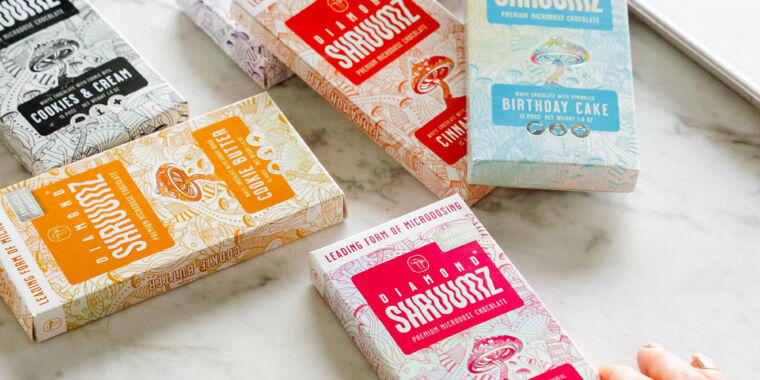
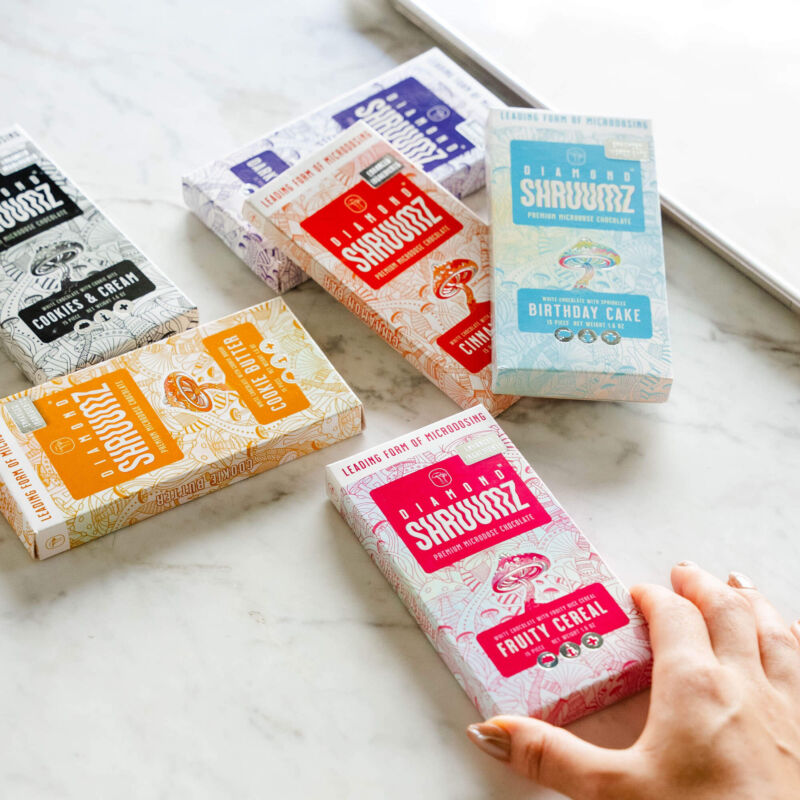
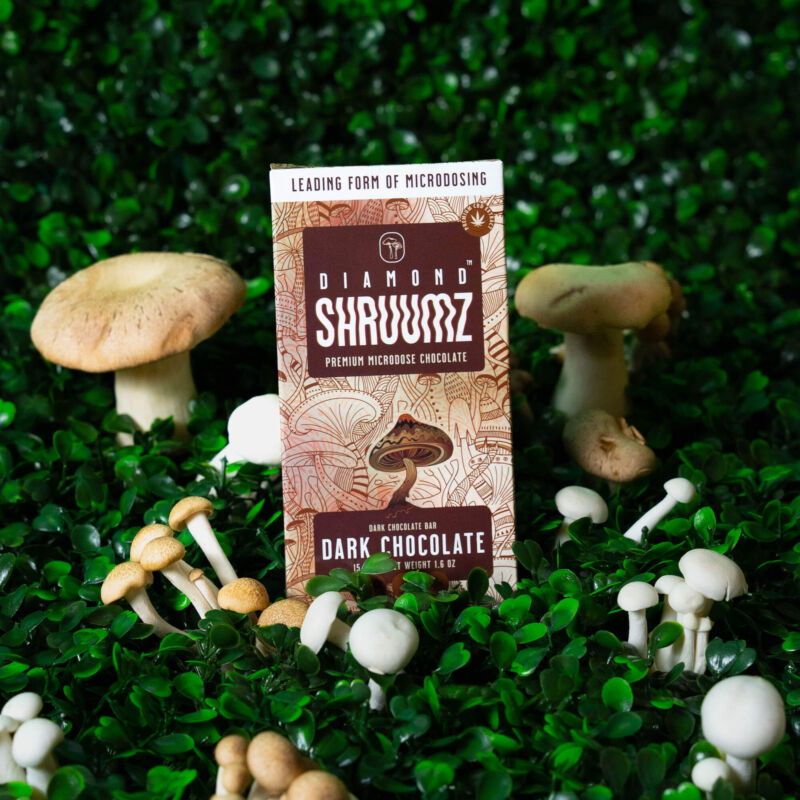
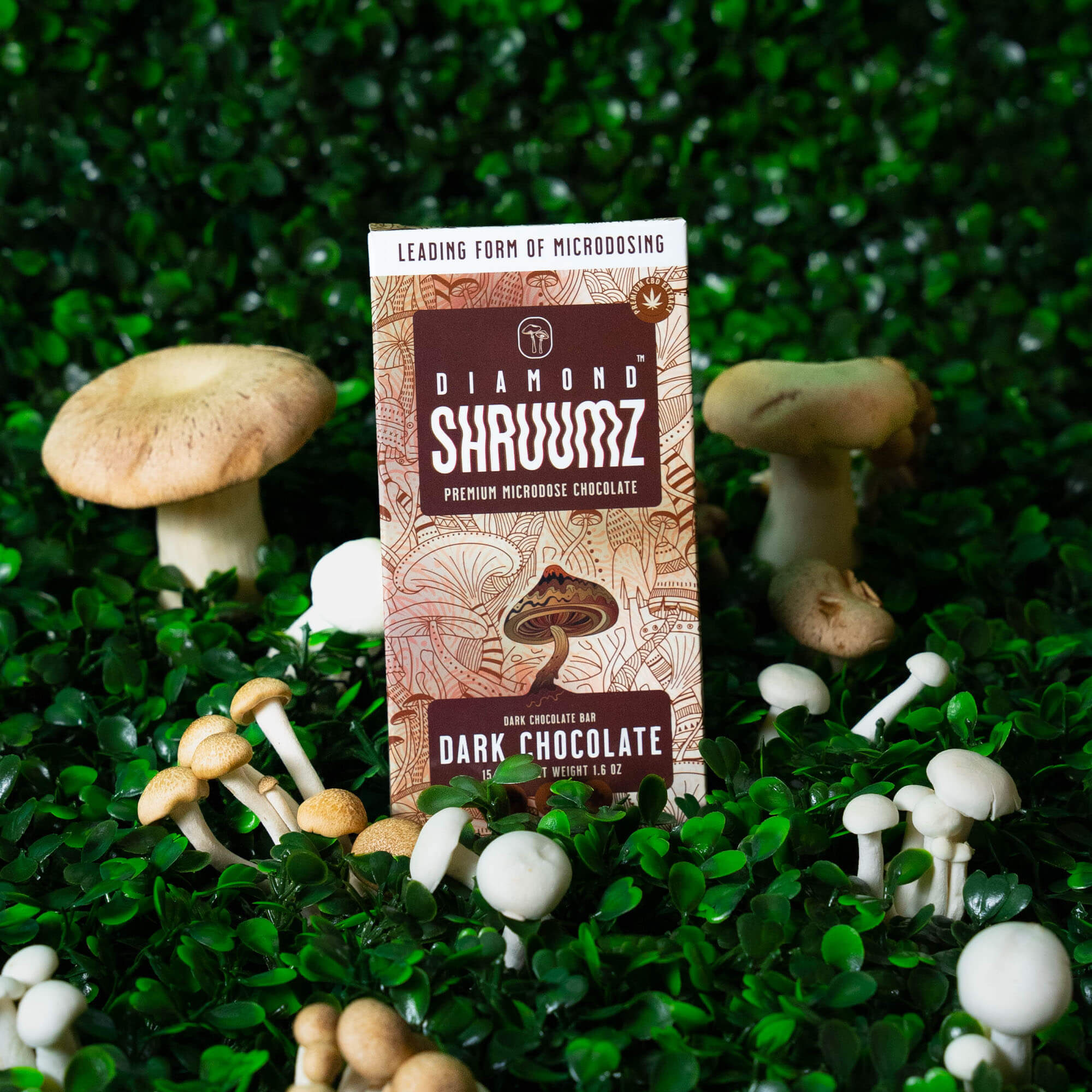
A Diamond Shruumz chocolate bar, which come in a variety of flavors.

Enlarge / A Diamond Shruumz chocolate bar, which come in a variety of flavors.

Various federal and state health officials are sounding the alarm on Diamond Shruumz-brand Microdosing Chocolate Bars. The candy, said to be infused with mushrooms, has been linked to severe illnesses, including seizures, loss of consciousness, confusion, sleepiness, agitation, abnormal heart rates, hyper/hypotension, nausea, and vomiting, according to an outbreak alert released by the Food and Drug Administration on Friday.

So far, eight people across four states have been sickened—four in Arizona, two in Indiana, one in Nevada, and one in Pennsylvania, the FDA reported. Of the eight, six have been hospitalized.

“We are urging the public to use extreme caution due to the very serious effects of these products,” Maureen Roland, director of the Banner Poison and Drug Information Center in Phoenix, said in a press release earlier this week.

Steve Dudley, director of the Arizona Poison and Drug Information Center, added that there’s “clearly something toxic occurring” with the chocolates. “We’ve seen the same phenomenon of people eating the chocolate bar then seizing, losing consciousness, and having to be intubated.” Dudley noted that the state is aware of additional cases beyond the eight reported Friday by the FDA. Those cases were reported from Nebraska and Utah.

It’s not entirely clear what is in the chocolates or what could be causing the illnesses. The FDA said it was working with the Centers for Disease Control and Prevention as well as America’s Poison Centers to “determine the cause of these illnesses and is considering the appropriate next steps.”

On its website, Diamond Shruumz says that its chocolate bars contain a “primo proprietary blend of nootropic and functional mushrooms.” The website also contains reports of laboratory analyses on their products, some of which indicate the absence of select known fungal toxins and compounds such as the hallucinogen psilocybin and cannabinoids.

Diamond Shruumz did not immediately respond to Ars’ request for comment.

The chocolate bars are still available for sale online but the FDA said that consumers should not eat, sell, or serve them. Any bars already purchased should be discarded. Likewise, retailers should not sell or distribute them. The FDA noted that, in addition to being available online, the bars are also sold in various retail locations nationwide, including smoke/vape shops and retailers that sell hemp-derived products.

People are seizing, being intubated after eating microdose chocolates Read More »