offshore wind

us-blocks-all-offshore-wind-construction,-says-reason-is-classified

US blocks all offshore wind construction, says reason is classified

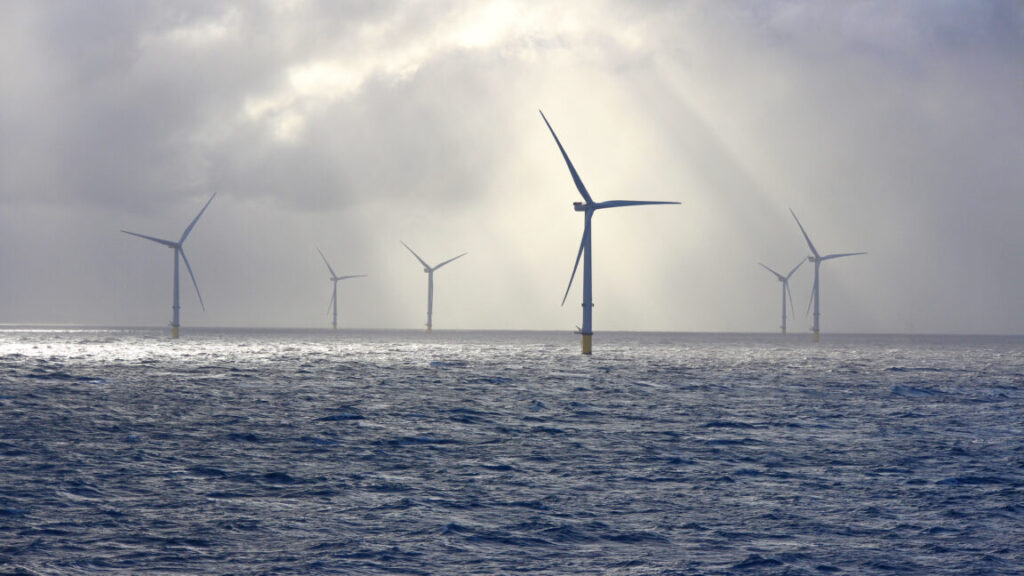
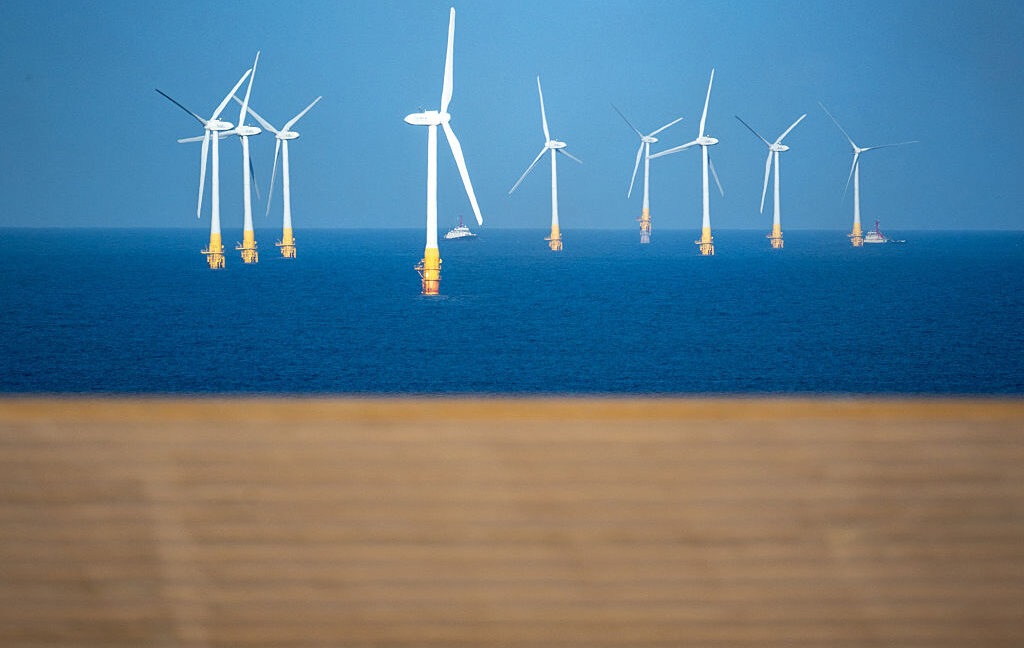
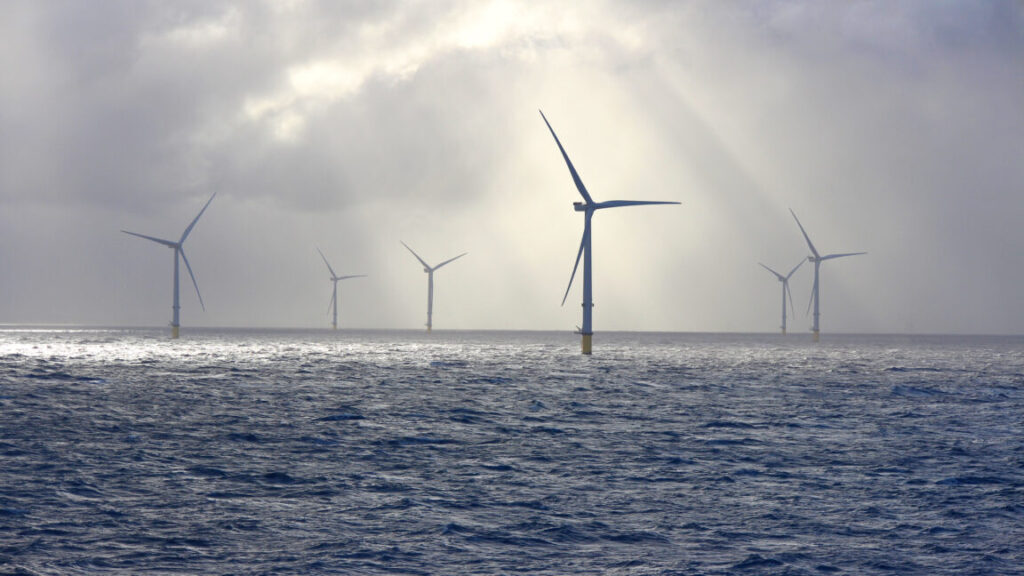
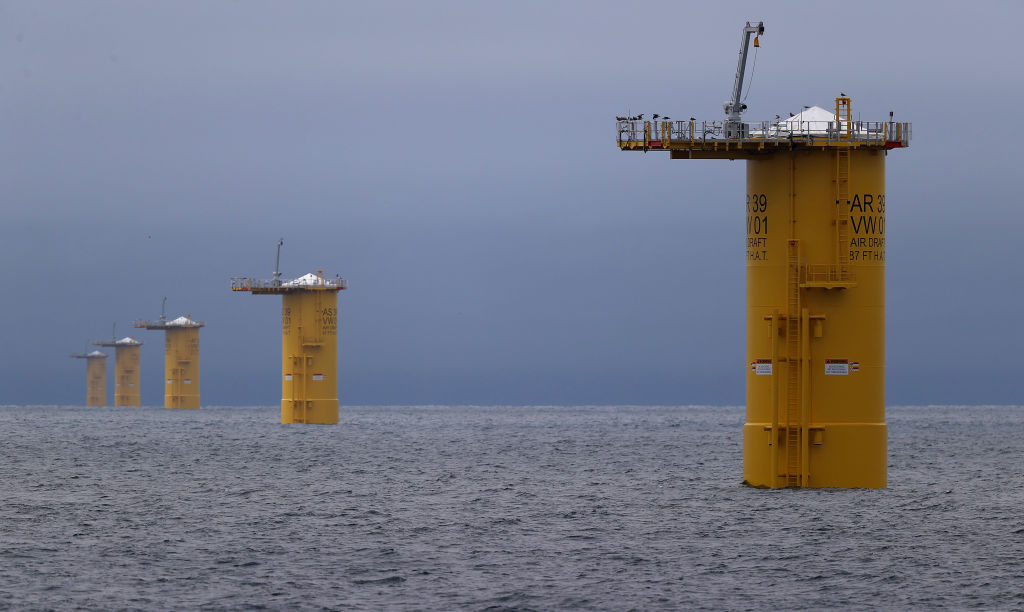
On Monday, the US Department of the Interior announced that it was pausing the leases on all five offshore wind sites currently under construction in the US. The move comes despite the fact that these projects already have installed significant hardware in the water and on land; one of them is nearly complete. In what appears to be an attempt to avoid legal scrutiny, the Interior is blaming the decisions on a classified report from the Department of Defense.

The second Trump administration announced its animosity toward offshore wind power literally on day one, issuing an executive order on inauguration day that called for a temporary halt to issuing permits for new projects pending a re-evaluation. Earlier this month, however, a judge vacated that executive order, noting that the government has shown no indication that it was even attempting to start the re-evaluation it said was needed.

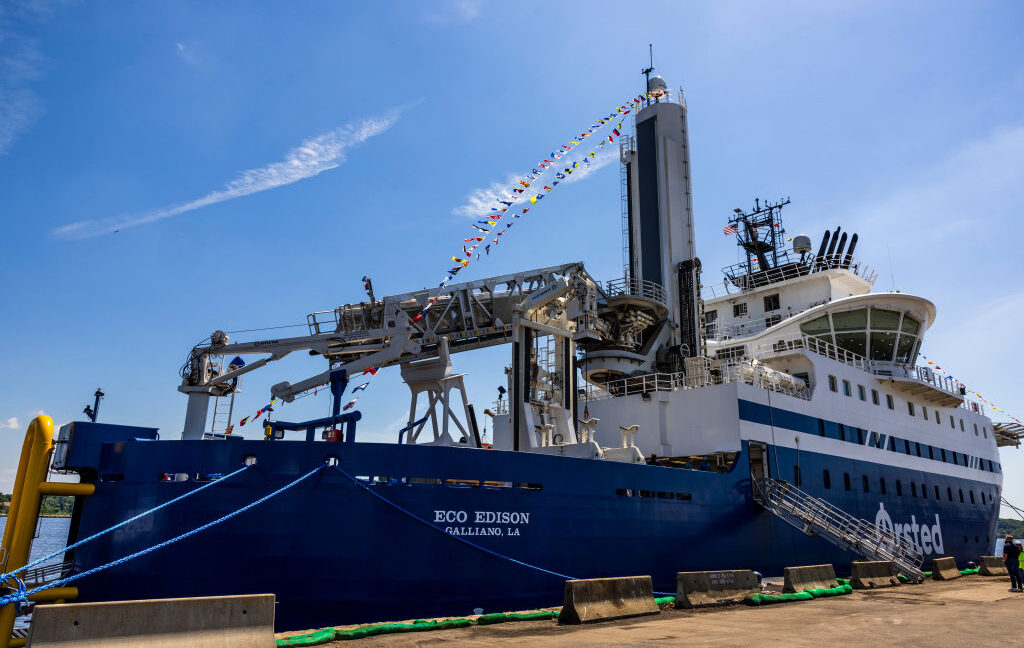
But a number of projects have gone through the entire permitting process, and construction has started. Before today, the administration had attempted to stop these in an erratic, halting manner. Empire Wind, an 800 MW farm being built off New York, was stopped by the Department of the Interior, which alleged that it had been rushed through permitting. That hold was lifted following lobbying and negotiations by New York and the project developer Orsted, and the Department of the Interior never revealed why it changed its mind. When the Interior Department blocked a second Orsted project, Revolution Wind offshore of southern New England, the company took the government to court and won a ruling that let it continue construction.

US blocks all offshore wind construction, says reason is classified Read More »

court:-“because-trump-said-to”-may-not-be-a-legally-valid-defense

Court: “Because Trump said to” may not be a legally valid defense

In one of those cases, a judge lifted the hold on construction, ruling that a lack of a sound justification for the hold made it “the height of arbitrary and capricious,” a legal standard that determines whether federal decision-making is acceptable under the Administrative Procedures Act. If this were a fictional story, that would be considered foreshadowing.

With no indication of how long the comprehensive assessment would take, 17 states sued to lift the hold on permitting. They were joined by the Alliance for Clean Energy New York, which represents companies that build wind projects or feed their supply chain. Both the plaintiffs and the agencies that were sued asked for summary judgment in the case.

The first issue Judge Saris addressed is standing: Are the states suffering appreciable harm from the suspension of wind projects? She noted that they would receive tax revenue from the projects, that their citizens should see reduced energy costs following their completion, and that the projects were intended to contribute to their climate goals, thus limiting harm to their citizens. At one point, Saris even referred to the government’s attempts to claim the parties lacked standing as “tilting at windmills.”

The government also argued that the suspension wasn’t a final decision—that would come after the review—and thus didn’t fall under the Administrative Procedures Act. But Saris ruled that the decision to suspend all activity pending the rule was the end of a decision-making process and was not being reconsidered by the government, so it qualified.

Because Trump told us to

With those basics out of the way, Saris turned to the meat of the case, which included a consideration of whether the agencies had been involved with any decision-making at all. “The Agency Defendants contend that because they ‘merely followed’ the Wind Memo ‘as the [Wind Memo] itself commands,’ the Wind Order did not constitute a ‘decision’ and therefore no reasoned explanation was required,” her ruling says. She concludes that precedent at the circuit court level blocks this defense, as it would mean that agencies would be exempt from the Administrative Procedures Act whenever the president told them to do anything.

Court: “Because Trump said to” may not be a legally valid defense Read More »

judge-lets-construction-on-an-offshore-wind-farm-resume

Judge lets construction on an offshore wind farm resume

That did not, however, stop the administration from trying again, this time targeting a development called Revolution Wind, located a bit further north along the Atlantic coast. This time, however, the developer quickly sued, leading to Monday’s ruling. According to Reuters, after a two-hour court hearing at the District Court of DC, Judge Royce Lamberth termed the administration’s actions “the height of arbitrary and capricious” and issued a preliminary injunction against the hold on Revolution Wind’s construction. As a result, Orsted can restart work immediately.

The decision provides a strong indication of how Lamberth is likely to rule if the government pursues a full trial on the case. And while the Trump administration could appeal, it’s unlikely to see this injunction lifted unless it takes the case all the way to the Supreme Court. Given that Revolution Wind was already 80 percent complete, the case may become moot before it gets that far.

Judge lets construction on an offshore wind farm resume Read More »

trump-admin-lifts-hold-on-offshore-wind-farm,-doesn’t-explain-why

Trump admin lifts hold on offshore wind farm, doesn’t explain why

On Monday, however, the company announced that the hold had been lifted and construction would resume. But as with the hold itself, the reasons for its end remain mysterious. The Bureau of Ocean Energy Management page for the project was only updated with a new letter on Tuesday. That letter indicates a review of its approval is ongoing, but construction can resume during the review.

The Department of the Interior has not addressed the change and has not responded to a request for comment. A post by Interior Secretary Burgum doesn’t mention Empire Wind but does suggest the governor of New York will approve a pipeline: “I am encouraged by Governor Hochul’s comments about her willingness to move forward on critical pipeline capacity.”

That suggests there was a deal that allowed Empire Wind to resume construction in return for a pipeline for fossil fuels. The New York Times suggests that this is a reference to the proposed Constitution Pipeline, which was planned to move natural gas from Pennsylvania to eastern New York but was cancelled in 2020 due to state opposition.

But Governor Kathy Hochul has not made any comments about a willingness to move forward on any pipelines. Instead, Hochul’s statement on Empire Wind is very vague, saying that she “reaffirmed that New York will work with the Administration and private entities on new energy projects that meet the legal requirements under New York law.”

So while it’s good news that construction on Empire Wind has restarted, the whole process has been problematic, driven by apparently arbitrary decisions that the government has refused to justify.

Trump admin lifts hold on offshore wind farm, doesn’t explain why Read More »