
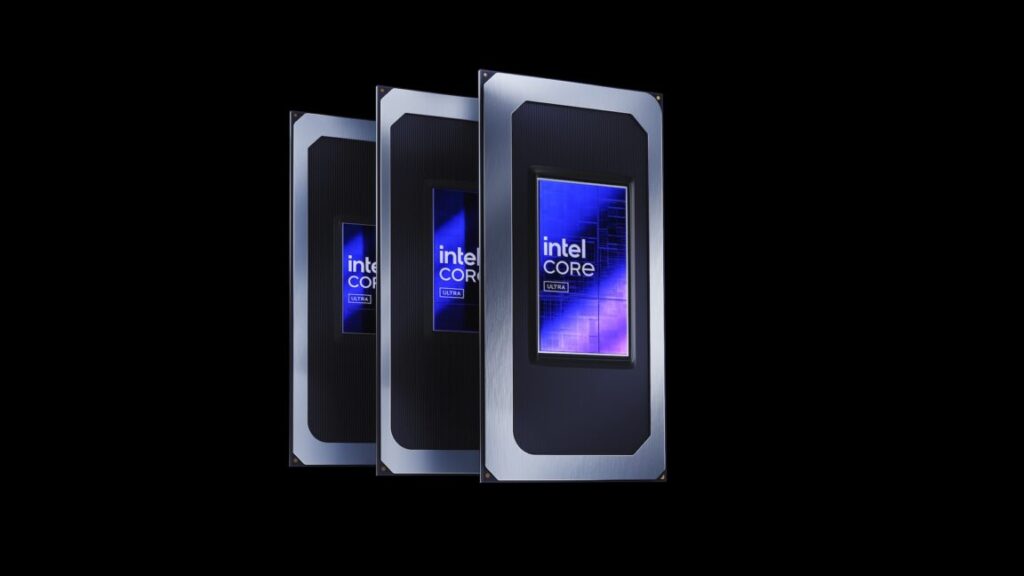
panther lake

demand-for-intel’s-processors-is-apparently-there,-but-the-supply-is-not

Demand for Intel’s processors is apparently there, but the supply is not

Yields are currently improving by 7 or 8 percent every month, according to Intel. But that could be building on pretty low initial yields—reporting from last summer suggested that just 10 percent of the chips coming off of the 18A production lines were meeting Intel’s requirements at the time. Intel predicts that its supply will have ramped up enough within the next few months to help alleviate shortages.

“I do believe that the first quarter is the trough,” said Zinsner. “We will improve supply in the second quarter.”

Intel is selling everything it can make

When Intel can start making enough chips to meet its demand, it ought to help brighten the company’s earnings reports.

“We delivered [our Q4 2025] results despite supply constraints, which meaningfully limited our ability to capture all of the strengths in our underwriting markets,” said Tan. “We are working aggressively to address this and better support our customers’ needs going forward.”

Intel has been signaling for a while now that it was selling essentially all of the chips it could get its hands on. Intel investor relations VP John Pitzer said last month that Intel would be selling more of both its Lunar Lake and Arrow Lake Core Ultra Series 2 chips for consumers, as well as its Granite Rapids chips for data centers, if it could get more of them.

As Intel seeks to improve its position in the short term, the company also says that it’s still making progress on its future manufacturing nodes, including different versions of the 18A process and the upcoming 14A process. Intel is working to engage “potential external customers” who would use the 14A process to make their own chips. If these third parties decide to use Intel’s manufacturing facilities, Intel expects to know about it “starting in the second half of this year and extending into the first half of 2027,” and then it expects to build out manufacturing capacity based on the number of external customers it finds.

On the chip design side, Intel also expects to have its first next-generation Nova Lake chips ready “at the end of 2026.” We don’t know much about Nova Lake yet, but it should be Intel’s next architecture to cover both desktop and laptop processors, while Panther Lake chips are intended mainly for laptops. At least part of the chip will also be manufactured using the 18A process.

Demand for Intel’s processors is apparently there, but the supply is not Read More »
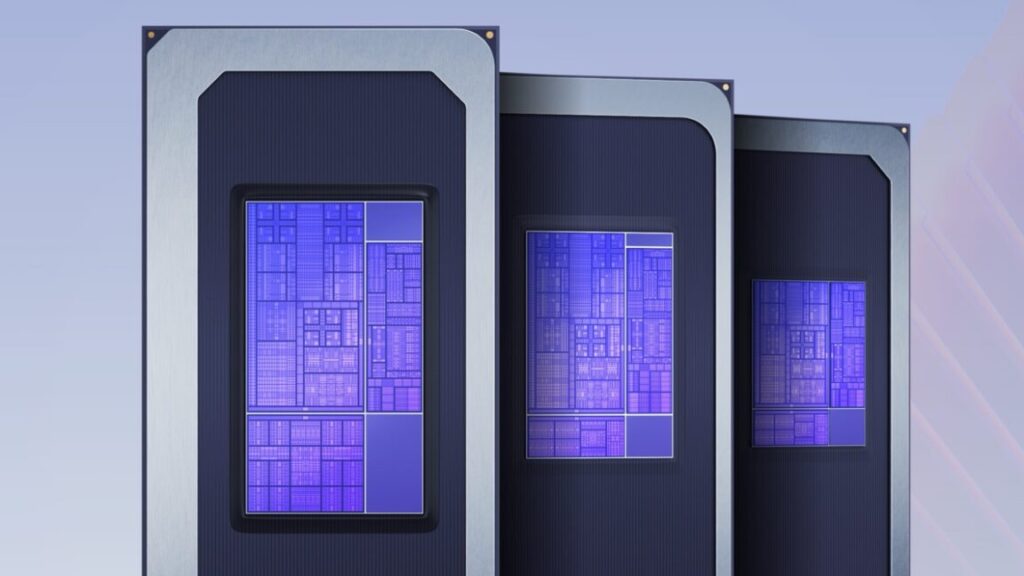
intel’s-next-generation-panther-lake-laptop-chips-could-be-a-return-to-form

Intel’s next-generation Panther Lake laptop chips could be a return to form

Intel says that systems with these chips in them should be shipping by the end of the year. In recent years, the company has launched a small handful of ultraportable-focused CPUs at the end of the year, and then followed that up with a more fully fleshed-out midrange and high-end lineup at CES in January—we’d expect Intel to stick to that basic approach here.

Panther Lake draws near

Panther Lake tries to combine different aspects of the last-generation Lunar Lake and Arrow Lake chips. Intel

Intel’s first Core Ultra chips, codenamed Meteor Lake, were introduced two years ago. There were three big changes that separated these from the 14th-generation Core CPUs and their predecessors: They were constructed of multiple silicon tiles, fused together into one with Intel’s Foveros packaging technologies; some of those tiles were manufactured by TSMC rather than Intel; and they added a neural processing unit (NPU) that could be used for on-device machine learning and generative AI applications.

The second-generation Core Ultra chips continued to do all three of those things, but Intel pursued an odd bifurcated strategy that gave different Core Ultra 200-series processors significantly different capabilities.

The most interesting models, codenamed Lunar Lake (aka Core Ultra 200V), integrated the system RAM on the CPU package, which improved performance and power consumption while making them more expensive to buy and complicated to manufacture. These chips included Intel’s most up-to-date Arc GPU architecture, codenamed Battlemage, plus an NPU that met the performance requirements for Microsoft’s Copilot+ PC initiative.

But Core Ultra 200V chips were mostly used in high-end thin-and-light laptops. Lower-cost and higher-performance laptops got the other kind of Core Ultra 200 chip, codenamed Arrow Lake, which was a mishmash of old and new. The CPU cores used the same architecture as Lunar Lake, and there were usually more of them. But the GPU architecture was older and slower, and the NPU didn’t meet the requirements for Copilot+. If Lunar Lake was all-new, Arrow Lake was mostly an updated CPU design fused to a tweaked version of the original Meteor Lake design (confused by all these lakes yet? Welcome to my world).

Intel’s next-generation Panther Lake laptop chips could be a return to form Read More »