
slop

overrun-with-ai-slop,-curl-scraps-bug-bounties-to-ensure-“intact-mental-health”

Overrun with AI slop, cURL scraps bug bounties to ensure “intact mental health”

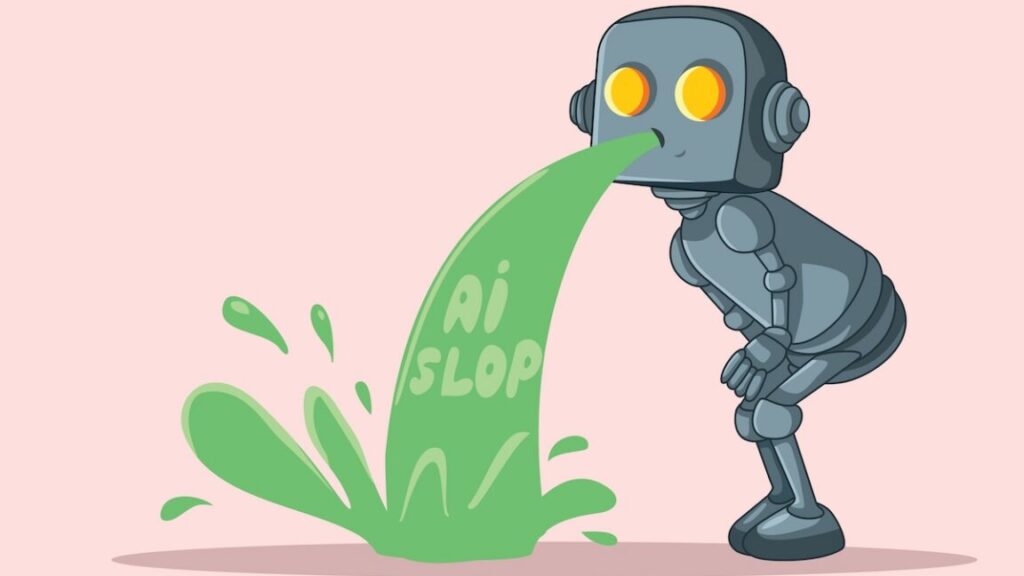
The project developer for one of the Internet’s most popular networking tools is scrapping its vulnerability reward program after being overrun by a spike in the submission of low-quality reports, much of it AI-generated slop.

“We are just a small single open source project with a small number of active maintainers,” Daniel Stenberg, the founder and lead developer of the open source app cURL, said Thursday. “It is not in our power to change how all these people and their slop machines work. We need to make moves to ensure our survival and intact mental health.”

Manufacturing bogus bugs

His comments came as cURL users complained that the move was treating the symptoms caused by AI slop without addressing the cause. The users said they were concerned the move would eliminate a key means for ensuring and maintaining the security of the tool. Stenberg largely agreed, but indicated his team had little choice.

In a separate post on Thursday, Stenberg wrote: “We will ban you and ridicule you in public if you waste our time on crap reports.” An update to cURL’s official GitHub account made the termination, which takes effect at the end of this month, official.

cURL was first released three decades ago, under the name httpget and later urlget. It has since become an indispensable tool among admins, researchers, and security professionals, among others, for a wide range of tasks, including file transfers, troubleshooting buggy web software, and automating tasks. cURL is integrated into default versions of Windows, macOS, and most distributions of Linux.

As such a widely used tool for interacting with vast amounts of data online, security is paramount. Like many other software makers, cURL project members have relied on private bug reports submitted by outside researchers. To provide an incentive and to reward high-quality submissions, the project members have paid cash bounties in return for reports of high-severity vulnerabilities.

Overrun with AI slop, cURL scraps bug bounties to ensure “intact mental health” Read More »
merriam-webster’s-word-of-the-year-delivers-a-dismissive-verdict-on-junk-ai-content

Merriam-Webster’s word of the year delivers a dismissive verdict on junk AI content

Like most tools, generative AI models can be misused. And when the misuse gets bad enough that a major dictionary notices, you know it’s become a cultural phenomenon.

On Sunday, Merriam-Webster announced that “slop” is its 2025 Word of the Year, reflecting how the term has become shorthand for the flood of low-quality AI-generated content that has spread across social media, search results, and the web at large. The dictionary defines slop as “digital content of low quality that is produced usually in quantity by means of artificial intelligence.”

“It’s such an illustrative word,” Merriam-Webster president Greg Barlow told the Associated Press. “It’s part of a transformative technology, AI, and it’s something that people have found fascinating, annoying, and a little bit ridiculous.”

To select its Word of the Year, Merriam-Webster’s editors review data on which words rose in search volume and usage, then reach consensus on which term best captures the year. Barlow told the AP that the spike in searches for “slop” reflects growing awareness among users that they are encountering fake or shoddy content online.

Dictionaries have been tracking AI’s impact on language for the past few years, with Cambridge having selected “hallucinate” as its 2023 word of the year due to the tendency of AI models to generate plausible-but-false information (long-time Ars readers will be happy to hear there’s another word term for that in the dictionary as well).

The trend extends to online culture in general, which is ripe with new coinages. This year, Oxford University Press chose “rage bait,” referring to content designed to provoke anger for engagement. Cambridge Dictionary selected “parasocial,” describing one-sided relationships between fans and celebrities or influencers.

The difference between the baby and the bathwater

As the AP points out, the word “slop” originally entered English in the 1700s to mean soft mud. By the 1800s, it had evolved to describe food waste fed to pigs, and eventually came to mean rubbish or products of little value. The new AI-related definition builds on that history of describing something unwanted and unpleasant.

Merriam-Webster’s word of the year delivers a dismissive verdict on junk AI content Read More »