SSDs

kioxia’s-memory-is-“sold-out”-for-2026,-prolonging-a-“high-end-and-expensive-phase”

Kioxia’s memory is “sold out” for 2026, prolonging a “high-end and expensive phase”

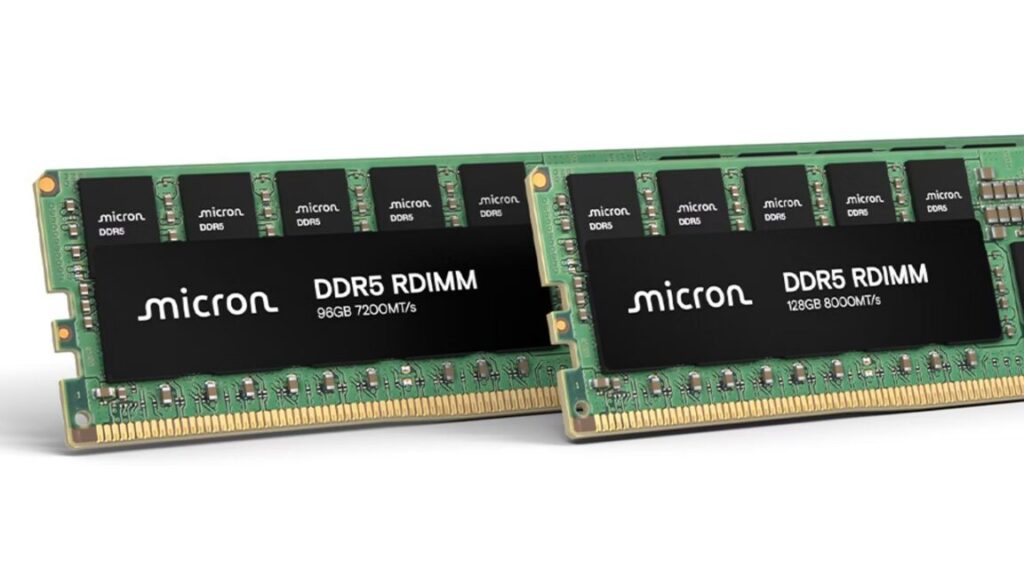
The companies that make RAM and flash memory chips are enjoying record profits because of the AI-induced memory crunch—and they’re also indicating that they don’t expect conditions to improve much if at all in 2026. And while RAM kits have been hit the fastest and hardest by shortages and price increases, we shouldn’t expect SSD pricing to improve any time soon, either.

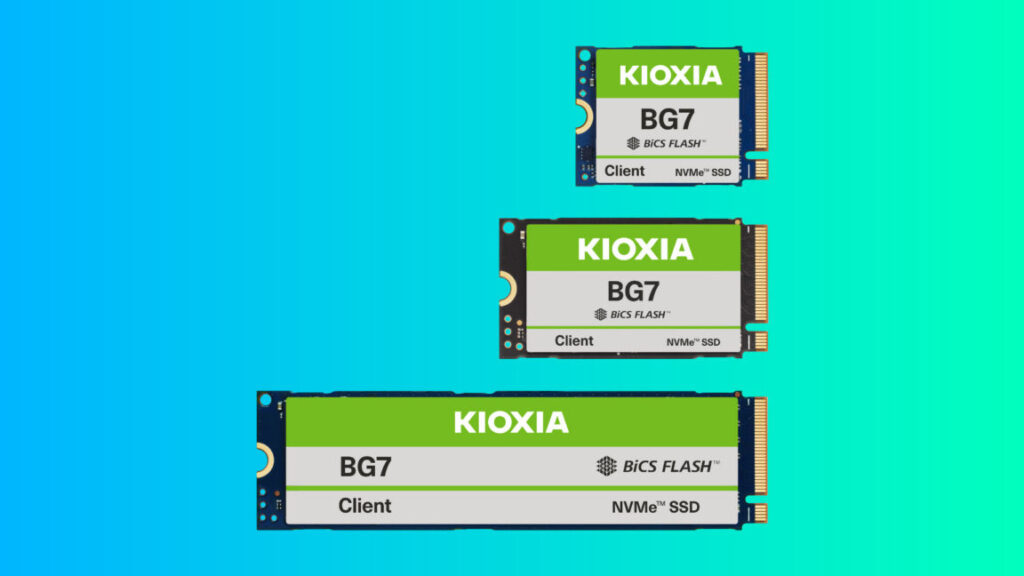
That’s the message from Shunsuke Nakato (via PC Gamer), managing director of the memory division of Kioxia, the Japanese memory company that was spun off from Toshiba at the end of the 2010s. Nakato says that Kioxia’s manufacturing capacity is sold out through the rest of 2026, driving the market for both enterprise and consumer SSDs to a “high-end and expensive phase.”

“There is a sense of crisis that companies will be eliminated the moment they stop investing in AI, so they have no choice but to continue investing,” said Nakato, as reported by the Korean-language publication Digital Daily. Absent a big change in the demand for generative AI data centers, that cycle of investments will keep prices high for the foreseeable future.

Nakato notes that Kioxia was attempting to increase its manufacturing capacity to meet the elevated demand, saying that it was taking steps to improve yields at its factory in Yokkaichi and that Kioxia expected another factory in Kitakami to begin “full-scale mass production” this year.

As we’ve seen during several chip shortages this decade, it takes time for chip shortages to abate because it takes years to build new factories and get them producing useful numbers of usable chips. Companies are also sometimes cautious about adding new capacity too quickly, lest market conditions change in the interim and leave them with piles of expensive memory that they have to discount heavily to sell.

Kioxia’s memory is “sold out” for 2026, prolonging a “high-end and expensive phase” Read More »
ram-shortage-chaos-expands-to-gpus,-high-capacity-ssds,-and-even-hard-drives

RAM shortage chaos expands to GPUs, high-capacity SSDs, and even hard drives

Big Tech’s AI-fueled memory shortage is set to be the PC industry’s defining story for 2026 and beyond. Standalone, direct-to-consumer RAM kits were some of the first products to feel the bite, with prices spiking by 300 or 400 percent by the end of 2025; prices for SSDs had also increased noticeably, albeit more modestly.

The rest of 2026 is going to be all about where, how, and to what extent those price spikes flow downstream into computers, phones, and other components that use RAM and NAND chips—areas where the existing supply of products and longer-term supply contracts negotiated by big companies have helped keep prices from surging too noticeably so far.

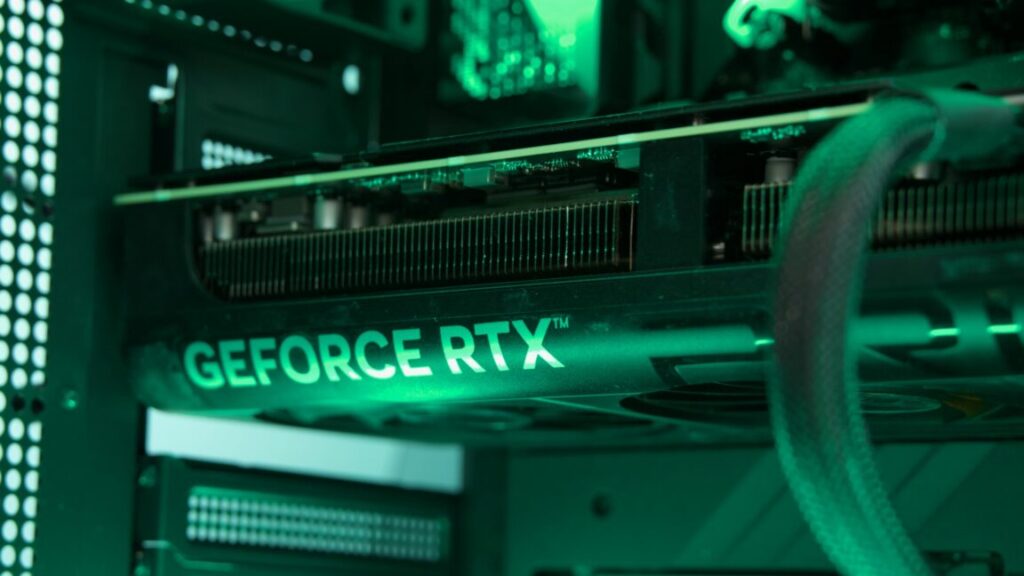
This week, we’re seeing signs that the RAM crunch is starting to affect the GPU market—Asus made some waves when it inadvertently announced that it was discontinuing its GeForce RTX 5070 Ti.

Though the company has since tried to walk this announcement back, if you’re a GPU manufacturer, there’s a strong argument for either discontinuing this model or de-prioritizing it in favor of other GPUs. The 5070 Ti uses 16GB of GDDR7, plus a partially disabled version of Nvidia’s GB203 GPU silicon. This is the same chip and the same amount of RAM used in the higher-end RTX 5080—the thinking goes, why continue to build a graphics card with an MSRP of $749 when the same basic parts could go to a card with a $999 MSRP instead?

Whether Asus or any other company is canceling production or not, you can see why GPU makers would be tempted by the argument: Street prices for the RTX 5070 Ti models start in the $1,050 to $1,100 range on Newegg right now, where RTX 5080 cards start in the $1,500 to $1,600 range. Though 5080 models may need more robust boards, heatsinks, and other components than a 5070 Ti, if you’re just trying to maximize the profit-per-GPU you can get for the same amount of RAM, it makes sense to shift allocation to the more expensive cards.

RAM shortage chaos expands to GPUs, high-capacity SSDs, and even hard drives Read More »

gpu-prices-are-coming-to-earth-just-as-ram-costs-shoot-into-the-stratosphere

GPU prices are coming to earth just as RAM costs shoot into the stratosphere

It’s not just PC builders

PC and phone manufacturers—and makers of components that use memory chips, like GPUs—mostly haven’t hiked prices yet. These companies buy components in large quantities, and they typically do so ahead of time, dulling the impact of the increases in the short-term. The kinds of price increases we see, and what costs are passed on to consumers, will vary from company to company.

Bloomberg reports that Lenovo is “stockpiling memory and other critical components” to get it through 2026 without issues and that the company “will aim to avoid passing on rising costs to its customers in the current quarter.” Apple may also be in a good position to weather the shortage; analysts at Morgan Stanley and Bernstein Research believe that Apple has already laid claim to the RAM that it needs and that its healthy profit margins will allow it to absorb the increases better than most.

Framework on the other hand, a smaller company known best for its repairable and upgradeable laptop designs, says “it is likely we will need to increase memory pricing soon” to reflect price increases from its suppliers. The company has also stopped selling standalone RAM kits in its online store in an effort to fight scalpers who are trying to capitalize on the shortages.

Tom’s Hardware reports that AMD has told its partners that it expects to raise GPU prices by about 10 percent starting next year and that Nvidia may have canceled a planned RTX 50-series Super launch entirely because of shortages and price increases (the main draw of this Super refresh, according to the rumor mill, would have a bump from 2GB GDDR7 chips to 3GB chips, boosting memory capacities across the lineup by 50 percent).

GPU prices are coming to earth just as RAM costs shoot into the stratosphere Read More »