valorant

riot-games-is-making-an-anti-cheat-change-that-could-be-rough-on-older-pcs

Riot Games is making an anti-cheat change that could be rough on older PCs

But Riot says it’s considering rolling the BIOS requirement out to all players in Valorant‘s highest competitive ranking tiers (Ascendant, Immortal, and Radiant), where there’s more to be gained from working around the anti-cheat software. And Riot anti-cheat analyst Mohamed Al-Sharifi says the same restrictions could be turned on for League of Legends, though they aren’t currently. If users are blocked from playing by Vanguard, they’ll need to download and install the latest BIOS update for their motherboard before they’ll be allowed to launch the game.

Newer PCs are getting patched; older PCs might not be
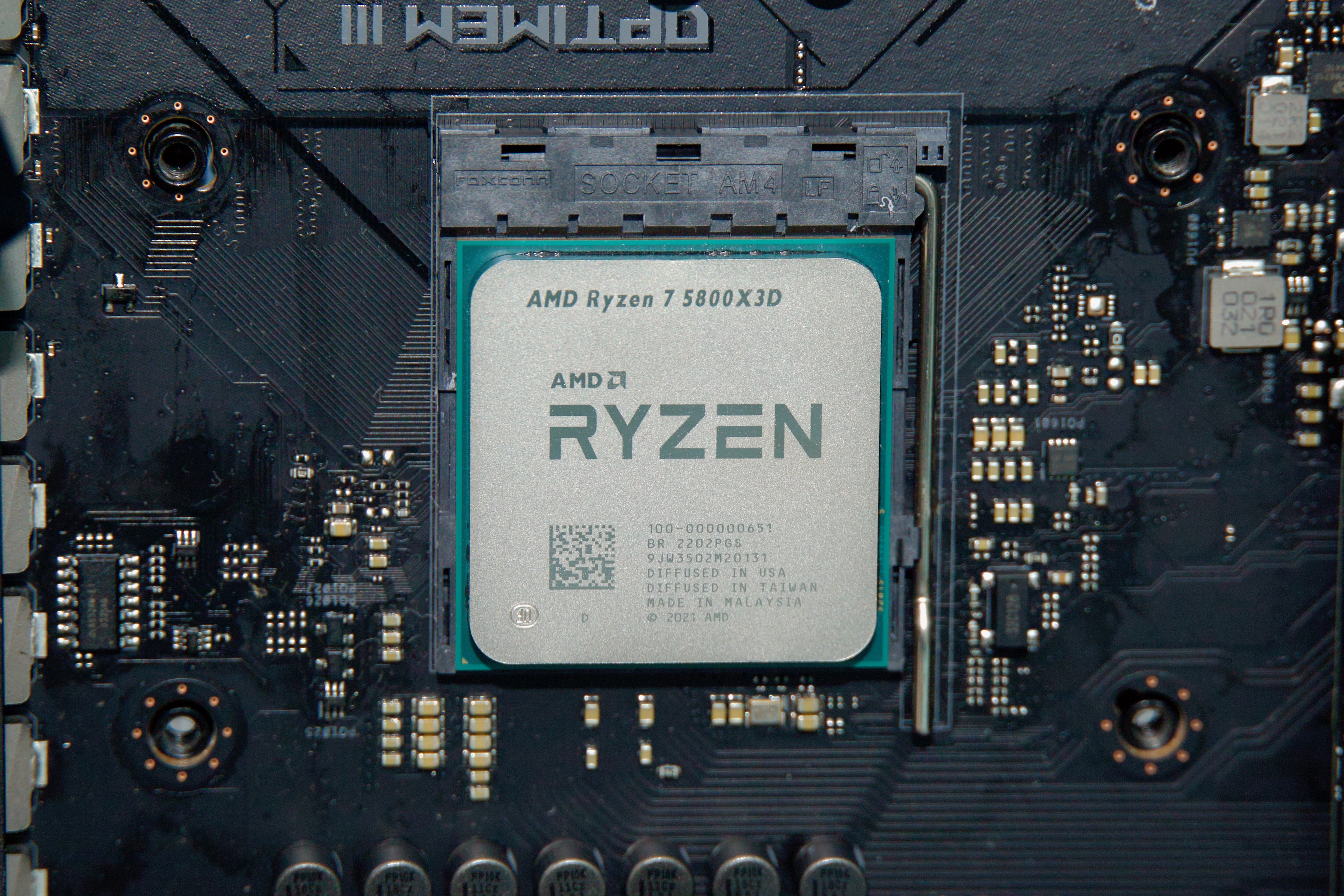
An AMD Ryzen 7 5800X3D in a motherboard with a 500-series chipset. It’s unclear whether these somewhat older systems need a patch or will get one. Credit: Andrew Cunningham

The vulnerability is known to affect four of the largest PC motherboard makers: ASRock, Asus, Gigabyte, and MSI. All four have released updates for at least some of their newer motherboards, while other boards have updates coming later. According to the vulnerability note, it’s unclear whether systems from OEMs like Dell, Lenovo, Acer, or HP are affected.

ASRock’s security bulletin about the issue says it affects Intel boards based on the 500-, 600-, 700-, and 800-series chipsets; MSI only lists the 600- and 700-series chipsets. Asus is also missing the 800-series, but says the vulnerability affects boards based on even older 400-series Intel chipsets; Gigabyte, meanwhile, covers 600-through-800-series Intel chipsets, but is also the only vendor to mention patches for AMD’s 600- and 800-series chipsets (any motherboard with an AM5 socket, in short).

Collectively, all of these chipsets cover Intel’s 10th-generation Core processors and newer, and AMD Ryzen 7000 series and newer.

What’s unclear is whether the boards and chipsets that go unmentioned by each vendor aren’t getting a patch because they don’t need a patch, if they will be patched but they just aren’t being mentioned, or if they aren’t getting a patch at all. The bulletins at least suggest that 400- and 500-series Intel chipsets and 600- and 800-series AMD chipsets could be affected, but not all vendors have promised patches for them.

Riot Games is making an anti-cheat change that could be rough on older PCs Read More »

leaks-from-valve’s-deadlock-look-like-a-pressed-sandwich-of-every-game-around

Leaks from Valve’s Deadlock look like a pressed sandwich of every game around

Deadlock isn’t the most original name, but trademarks are hard —

Is there something new underneath a whole bunch of familiar game elements?

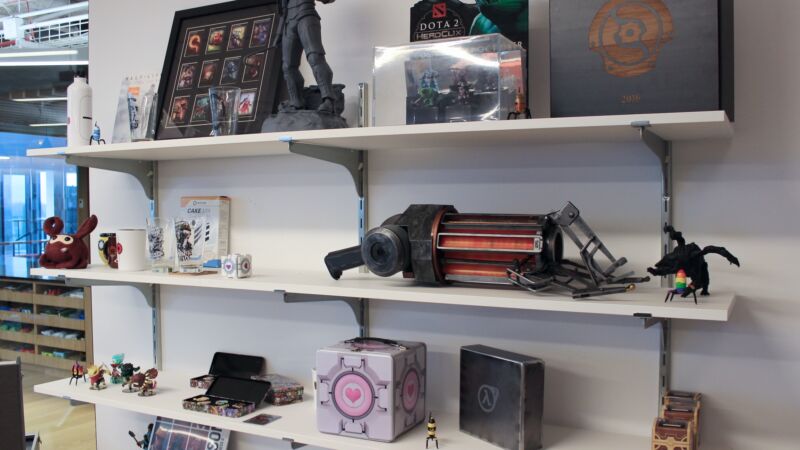
Shelves at Valve's offices, as seen in 2018, with a mixture of artifacts from Half-Life, Portal, Dota 2, and other games.

Enlarge / Valve has its own canon of games full of artifacts and concepts worth emulating, as seen in a 2018 tour of its offices.

Sam Machkovech

“Basically, fast-paced interesting ADHD gameplay. Combination of Dota 2, Team Fortress 2, Overwatch, Valorant, Smite, Orcs Must Die.”

That’s how notable Valve leaker “Gabe Follower” describes Deadlock, a Valve game that is seemingly in playtesting at the moment, for which a few screenshots have leaked out.

The game has been known as “Neon Prime” and “Citadel” at prior points. It’s a “Competitive third-person hero-based shooter,” with six-on-six battles across a map with four “lanes.” That allows for some of the “Tower defense mechanics” mentioned by Gabe Follower, along with “fast travel using floating rails, similar to Bioshock Infinite.” The maps reference a “modern steampunk European city (little bit like Half-Life),” after “bad feedback” about a sci-fi theme pushed the development team toward fantasy.

Since testers started sharing Deadlock screenshots all over the place, here’s ones I can verify, featuring one of the heroes called Grey Talon. pic.twitter.com/KdZSRxObSz

— ‎Gabe Follower (@gabefollower) May 17, 2024

Valve doesn’t release games often, and the games it does release are often in development for long periods. Deadlock purportedly started development in 2018, two years before Half-Life: Alyx existed. That the game has now seemingly reached a closed (though not closed enough) “alpha” playtesting phase, with players in the “hundreds,” could suggest release within a reasonable time. Longtime Valve watcher (and modder, and code examiner) Tyler McVicker suggests in a related video that Deadlock has hundreds of people playing in this closed test, and the release is “about to happen.”

McVicker adds to the descriptor pile-on by noting that it’s “team-based,” “hero-based,” “class-based,” and “personality-driven.” It’s an attempt, he says, to “bring together all of their communities under one umbrella.”

Tyler McVicker’s discussion of the leaked Deadlock content, featuring … BioShock Infinite footage.

Many of Valve’s games do something notable to push gaming technology and culture forward. Half-Life brought advanced scripting, physics, and atmosphere to the “Doom clones” field and forever changed it. Counter-Strike and Team Fortress 2 lead the way in team multiplayer dynamics. Dota 2 solidified and popularized MOBAs, and Half-Life: Alyx gave VR on PC its killer app. Yes, there are Artifact moments, but they’re more exception than rule.

Following any of those games seems like a tall order, but Valve’s track record speaks for itself. I think players like me, who never took to Valorant or Overwatch or the like, should reserve judgment until the game can be seen in its whole. I have to imagine that there’s more to Deadlock than a pile of very familiar elements.

Leaks from Valve’s Deadlock look like a pressed sandwich of every game around Read More »