ByteDance backpedals after Seedance 2.0 turned Hollywood icons into AI “clip art”
Misstep or marketing tactic?
Hollywood backlash puts spotlight on ByteDance’s sketchy launch of Seedance 2.0.
ByteDance says that it’s rushing to add safeguards to block Seedance 2.0 from generating iconic characters and deepfaking celebrities, after substantial Hollywood backlash after launching the latest version of its AI video tool.
The changes come after Disney and Paramount Skydance sent cease-and-desist letters to ByteDance urging the Chinese company to promptly end the allegedly vast and blatant infringement.
Studios claimed the infringement was widescale and immediate, with Seedance 2.0 users across social media sharing AI videos featuring copyrighted characters like Spider-Man, Darth Vader, and SpongeBob Square Pants. In its letter, Disney fumed that Seedance was “hijacking” its characters, accusing ByteDance of treating Disney characters like they were “free public domain clip art,” Axios reported.
“ByteDance’s virtual smash-and-grab of Disney’s IP is willful, pervasive, and totally unacceptable,” Disney’s letter said.
Defending intellectual property from franchises like Star Trek and The Godfather, Paramount Skydance pointed out that Seedance’s outputs are “often indistinguishable, both visually and audibly” from the original characters, Variety reported. Similarly frustrated, Japan’s AI minister Kimi Onoda, sought to protect popular anime and manga characters, officially launching a probe last week into ByteDance over the copyright violations, the South China Morning Post reported.
“We cannot overlook a situation in which content is being used without the copyright holder’s permission,” Onoda said at a press conference Friday.
Facing legal threats and Japan’s investigation, ByteDance issued a statement Monday, CNBC reported. In it, the company claimed that it “respects intellectual property rights” and has “heard the concerns regarding Seedance 2.0.”
“We are taking steps to strengthen current safeguards as we work to prevent the unauthorized use of intellectual property and likeness by users,” ByteDance said.
However, Disney seems unlikely to accept that ByteDance inadvertently released its tool without implementing such safeguards in advance. In its letter, Disney alleged that “Seedance has infringed on Disney’s copyrighted materials to benefit its commercial service without permission.”
After all, what better way to illustrate Seedance 2.0’s latest features than by generating some of the best-known IP in the world? At least one tech consultant has suggested that ByteDance planned to benefit from inciting Hollywood outrage. The founder of San Francisco-based consultancy Tech Buzz China, Rui Ma, told SCMP that “the controversy surrounding Seedance is likely part of ByteDance’s initial distribution strategy to showcase its underlying technical capabilities.”
Seedance 2.0 is an “attack” on creators
Studios aren’t the only ones sounding alarms.
Several industry groups expressed concerns, including the Motion Picture Association, which accused ByteDance of engaging in massive copyright infringement within “a single day,” CNBC reported.
Sean Astin, an actor and president of the actors union, SAG-AFTRA, was directly impacted by the scandal. A video that has since been removed from X showed Astin in the role of Samwise Gamgee from The Lord of the Rings, delivering a line he never said, Variety reported. Condemning Seedance’s infringement, SAG-AFTRA issued a statement emphasizing that ByteDance did not act responsibly in releasing the model without safeguards:
“SAG-AFTRA stands with the studios in condemning the blatant infringement enabled by ByteDance’s new AI video model Seedance 2.0. The infringement includes the unauthorized use of our members’ voices and likenesses. This is unacceptable and undercuts the ability of human talent to earn a livelihood. Seedance 2.0 disregards law, ethics, industry standards and basic principles of consent. Responsible AI development demands responsibility, and that is nonexistent here.”
Echoing that, a group representing Hollywood creators, the Human Artistry Campaign, declared that “the launch of Seedance 2.0” was “an attack on every creator around the world.”
“Stealing human creators’ work in an attempt to replace them with AI generated slop is destructive to our culture: stealing isn’t innovation,” the group said. “These unauthorized deepfakes and voice clones of actors violate the most basic aspects of personal autonomy and should be deeply concerning to everyone. Authorities should use every legal tool at their disposal to stop this wholesale theft.”
Ars could not immediately reach any of these groups to comment on whether ByteDance’s post-launch efforts to add safeguards addressed industry concerns.
MPA chairman and CEO Charles Rivkin has previously accused ByteDance of disregarding “well-established copyright law that protects the rights of creators and underpins millions of American jobs.”
While Disney and other studios are clearly ready to take down any tools that could hurt their revenue or reputation without an agreement in place, they aren’t opposed to all AI uses of their characters. In December, Disney struck a deal with OpenAI, giving Sora access to 200 characters for three years, while investing $1 billion in the technology.
At that time, Disney CEO Robert A. Iger, said that “the rapid advancement of artificial intelligence marks an important moment for our industry, and through this collaboration with OpenAI, we will thoughtfully and responsibly extend the reach of our storytelling through generative AI, while respecting and protecting creators and their works.”
Creators disagree Seedance 2.0 is a game changer
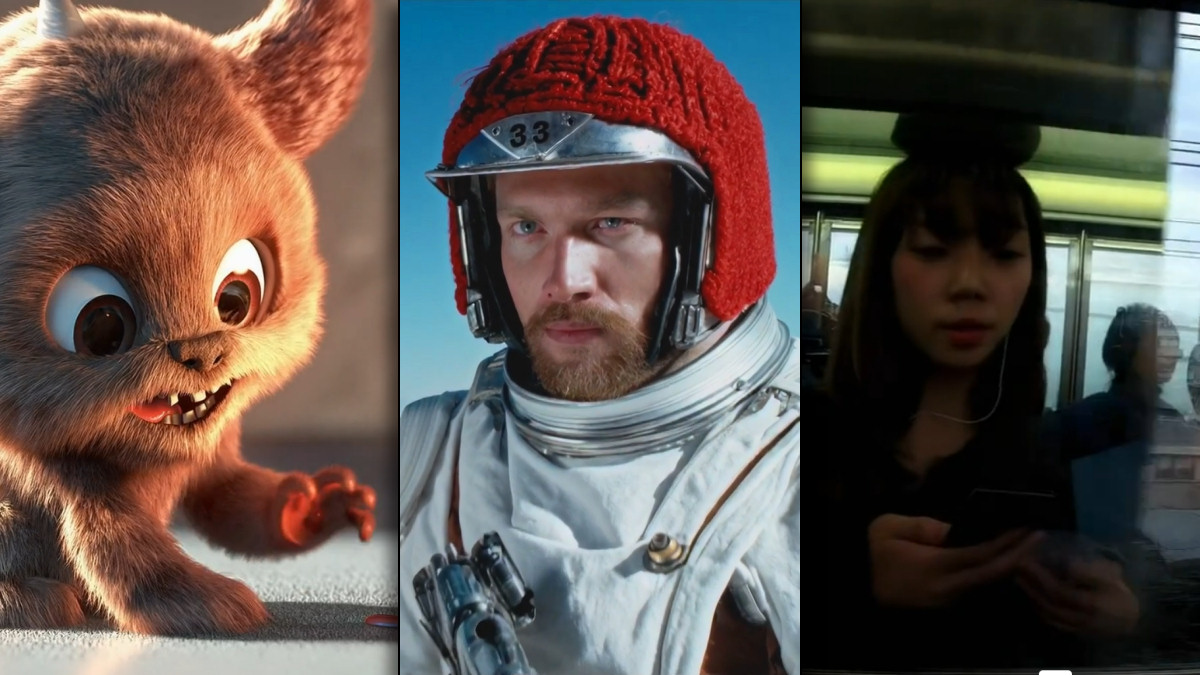
In a blog announcing Seedance 2.0, ByteDance boasted that the new model “delivers a substantial leap in generation quality,” particularly in close-up shots and action sequences.
The company acknowledged that further refinements were needed and the model is “still far from perfect” but hyped that “its generated videos possess a distinct cinematic aesthetic; the textures of objects, lighting, and composition, as well as costume, makeup, and prop designs, all show high degrees of finish.”
ByteDance likely hoped that the earliest outputs from Seedance 2.0 would produce headlines wowed by the model’s capabilities, and it got what it wanted when a single Hollywood stakeholder’s social media comment went viral.
Shortly after Seedance 2.0’s rollout, Deadpool co-writer, Rhett Reese, declared on X that “it’s likely over for us,” The Guardian reported. The screenwriter was impressed by an AI video created by Irish director Ruairi Robinson, which realistically depicted Tom Cruise fighting Brad Pitt. “[I]n next to no time, one person is going to be able to sit at a computer and create a movie indistinguishable from what Hollywood now releases,” Reese opined. “True, if that person is no good, it will suck. But if that person possesses Christopher Nolan’s talent and taste (and someone like that will rapidly come along), it will be tremendous.”
However, some AI critics rejected the notion that Seedance 2.0 is capable of replacing artists in the way that Reese warned. On Bluesky and X, they pushed back on ByteDance claims that this model doomed Hollywood, with some accusing outlets of too quickly ascribing Reese’s reaction to the whole industry.
Among them was longtime AI critic, Reid Southen, a film concept artist who works on major motion pictures and TV. Responding directly to Reese’s X thread, Southen contradicted the notion that a great filmmaker could be born from fiddling with AI prompts alone.
“Nolan is capable of doing great work because he’s put in the work,” Southen said. “AI is an automation tool, it’s literally removing key, fundamental work from the process, how does one become good at anything if they insist on using nothing but shortcuts?”
Perhaps the strongest evidence in Southen’s favor is Darren Aronofsky’s recent AI-generated historical docudrama. Speaking anonymously to Ars following backlash declaring that “AI slop is ruining American history,” one source close to production on that project confirmed that it took “weeks” to produce minutes of usable video using a variety of AI tools.
That source noted that the creative team went into the project expecting they had a lot to learn but also expecting that tools would continue to evolve, as could audience reactions to AI-assisted movies.
“It’s a huge experiment, really,” the source told Ars.
Notably, for both creators and rights-holders concerned about copyright infringement and career threats, questions remain on how Seedance 2.0 was trained. ByteDance has yet to release a technical report for Seedance 2.0 and “has never disclosed the data sets it uses to train its powerful video-generation Seedance models and image-generation Seedream models,” SCMP reported.

Ashley is a senior policy reporter for Ars Technica, dedicated to tracking social impacts of emerging policies and new technologies. She is a Chicago-based journalist with 20 years of experience.
ByteDance backpedals after Seedance 2.0 turned Hollywood icons into AI “clip art” Read More »