Hollywood

why-darren-aronofsky-thought-an-ai-generated-historical-docudrama-was-a-good-idea

Why Darren Aronofsky thought an AI-generated historical docudrama was a good idea


We hold these truths to be self-evident

Production source says it takes “weeks” to produce just minutes of usable video.
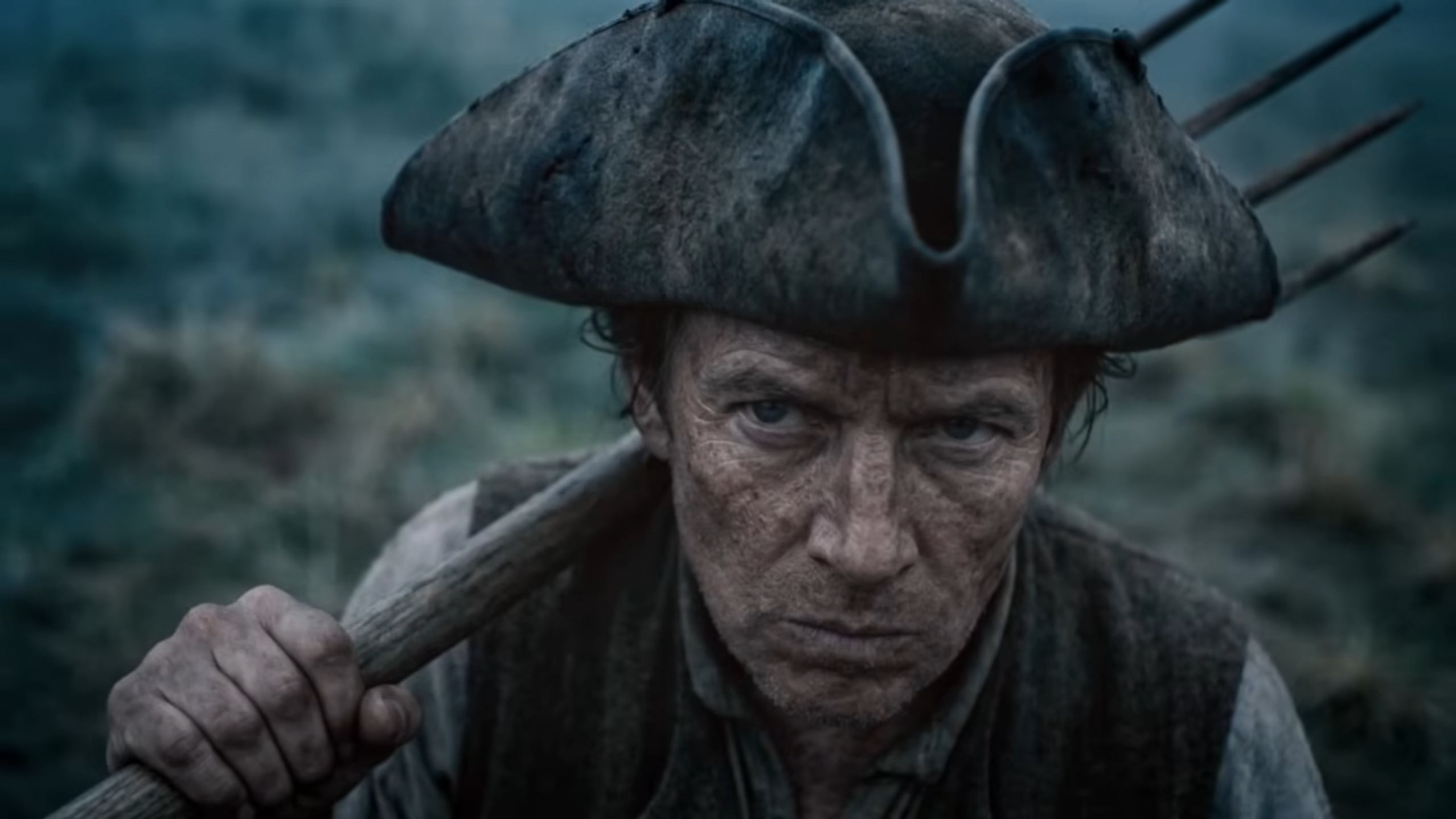
Artist’s conception of critics reacting to the first episodes of “On This Day… 1776” Credit: Primordial Soup

Artist’s conception of critics reacting to the first episodes of “On This Day… 1776” Credit: Primordial Soup

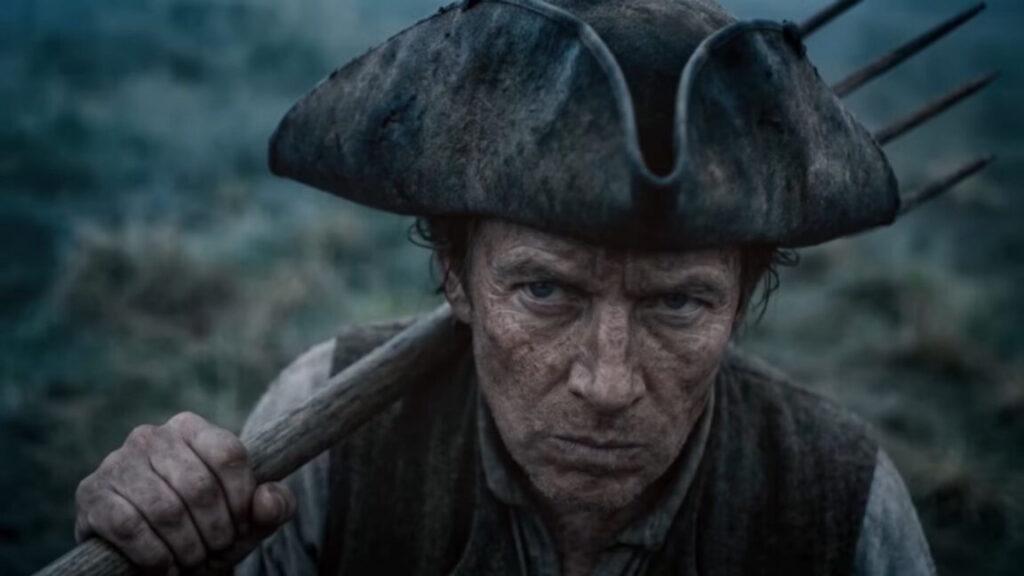
Last week, filmmaker Darren Aronofsky’s AI studio Primordial Soup and Time magazine released the first two episodes of On This Day… 1776. The year-long series of short-form videos features short vignettes describing what happened on that day of the American Revolution 250 years ago, but it does so using “a variety of AI tools” to produce photorealistic scenes containing avatars of historical figures like George Washington, Thomas Paine, and Benjamin Franklin.

In announcing the series, Time Studios President Ben Bitonti said the project provides “a glimpse at what thoughtful, creative, artist-led use of AI can look like—not replacing craft but expanding what’s possible and allowing storytellers to go places they simply couldn’t before.”

The trailer for “On This Day… 1776.”

Outside critics were decidedly less excited about the effort. The AV Club took the introductory episodes to task for “repetitive camera movements [and] waxen characters” that make for “an ugly look at American history.” CNET said that this “AI slop is ruining American history,” calling the videos a “hellish broth of machine-driven AI slop and bad human choices.” The Guardian lamented that the “once-lauded director of Black Swan and The Wrestler has drowned himself in AI slop,” calling the series “embarrassing,” “terrible,” and “ugly as sin.” I could go on.

But this kind of initial reaction apparently hasn’t deterred Primordial Soup from its still-evolving efforts. A source close to the production, who requested anonymity to speak frankly about details of the series’ creation, told Ars that the quality of new episodes would improve as the team’s AI tools are refined throughout the year and as the team learns to better use them.

“We’re going into this fully assuming that we have a lot to learn, that this process is gonna evolve, the tools we’re using are gonna evolve,” the source said. “We’re gonna make mistakes. We’re gonna learn a lot… we’re going to get better at it, [and] the technology will change. We’ll see how audiences are reacting to certain things, what works, what doesn’t work. It’s a huge experiment, really.”

Not all AI

It’s important to note that On This Day… 1776 is not fully crafted by AI. The script, for instance, was written by a team of writers overseen by Aronofsky’s longtime writing partners Ari Handel and Lucas Sussman, as noted by The Hollywood Reporter. That makes criticisms like the Guardian’s of “ChatGPT-sounding sloganeering” in the first episodes both somewhat misplaced and hilariously harsh.

Our production source says the project was always conceived as a human-written effort and that the team behind it had long been planning and researching how to tell this kind of story. “I don’t think [they] even needed that kind of help or wanted that kind of [AI-powered writing] help,” they said. “We’ve all experimented with [AI-powered] writing and the chatbots out there, and you know what kind of quality you get out of that.”
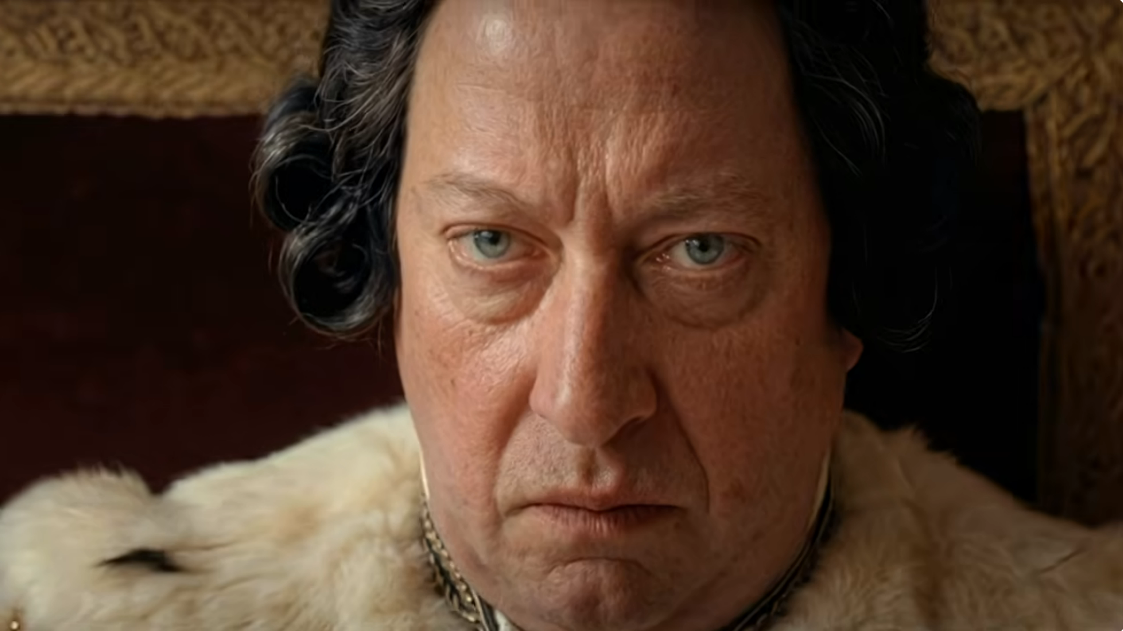
What you see here is not a real human actor, but his lines were written and voiced by humans.

What you see here is not a real human actor, but his lines were written and voiced by humans. Credit: Primordial Soup

The producers also go out of their way to note that all the dialogue in the series is recorded directly by Screen Actors Guild voice actors, not by AI facsimiles. While recently negotiated union rules might have something to do with that, our production source also said the AI-generated voices the team used for temp tracks were noticeably artificial and not ready for a professional production.

Humans are also directly responsible for the music, editing, sound mixing, visual effects, and color correction for the project, according to our source. The only place the “AI-powered tools” come into play is in the video itself, which is crafted with what the announcement calls a “combination of traditional filmmaking tools and emerging AI capabilities.”

In practice, our source says, that means humans create storyboards, find visual references for locations and characters, and set up how they want shots to look. That information, along with the script, gets fed into an AI video generator that creates individual shots one at a time, to be stitched together and cleaned up by humans in traditional post-production.

That process takes the AI-generated cinema conversation one step beyond Ancestra, a short film Primordial Soup released last summer in association with Google DeepMind (which is not involved with the new project). There, AI tools were used to augment “live-action scenes with sequences generated by Veo.”

“Weeks” of prompting and re-prompting

In theory, having an AI model generate a scene in minutes might save a lot of time compared to traditional filmmaking—scouting locations, hiring actors, setting up cameras and sets, and the like. But our production source said the highly iterative process of generating and perfecting shots for On This Day… 1776 still takes “weeks” for each minutes-long video and that “more often than not, we’re pushing deadlines.”

The first episode of On this Day… 1776 features a dramatic flag raising.

Even though the AI model is essentially animating photorealistic avatars, the source said the process is “more like live action filmmaking” because of the lack of fine-grained control over what the video model will generate. “You don’t know if you’re gonna get what you want on the first take or the 12th take or the 40th take,” the source said.

While some shots take less time to get right than others, our source said the AI model rarely produces a perfect, screen-ready shot on the first try. And while some small issues in an AI-generated shot can be papered over in post-production with visual effects or careful editing, most of the time, the team has to go back and tell the model to generate a completely new video with small changes.

“It still takes a lot of work, and it’s not necessarily because it’s wrong, per se, so much as trying to get the right control because you [might] want the light to land on the face in the right way to try to tell the story,” the source said. “We’re still, we’re still striving for the same amount of control that we always have [with live-action production] to really maximize the story and the emotion.”

Quick shots and smaller budgets

Though video models have advanced since the days of the nightmarish clip of Will Smith eating spaghetti, hallucinations and nonsensical images are “still a problem” in producing On This Day… 1776, according to our source. That’s one of the reasons the company decided to use a series of short-form videos rather than a full-length movie telling the same essential story.

“It’s one thing to stay consistent within three minutes. It’s a lot harder and it takes a lot more work to stay consistent within two hours,” the source said. “I don’t know what the upper limit is now [but] the longer you get, the more things start to fall off.”

Stills from an AI-generated video of Will Smith eating spaghetti.

We’ve come a long way from the circa-2023 videos of Will Smith eating spaghetti.

We’ve come a long way from the circa-2023 videos of Will Smith eating spaghetti. Credit: chaindrop / Reddit

Keeping individual shots short also allows for more control and fewer “reshoots” for an AI-animated production like this. “When you think about it, if you’re trying to create a 20-second clip, you have all these things that are happening, and if one of those things goes wrong in 20 seconds, you have to start over,” our source said. “And the chance of something going wrong in 20 seconds is pretty high. The chance of something going wrong in eight seconds is a lot lower.”

While our production source couldn’t give specifics on how much the team was spending to generate so much AI-modeled video, they did suggest that the process was still a good deal cheaper than filming a historical docudrama like this on location.

“I mean, we could never achieve what we’re doing here for this amount of money, which I think is pretty clear when you watch this,” they said. In future episodes, the source promised, “you’ll see where there’s things that cameras just can’t even do” as a way to “make the most of that medium.”

“Let’s see what we can do”

If you’ve been paying attention to how fast things have been moving with AI-generated video, you might think that AI models will soon be able to produce Hollywood-quality cinema with nothing but a simple prompt. But our source said that working on On This Day… 1776 highlights just how important it is for humans to still be in the loop on something like this.

“Personally, I don’t think we’re ever gonna get there [replacing human editors],” he said. “We actually desperately need an editor. We need another set of eyes who can look at the cut and say, ‘If we get out of this shot a little early, then we can create a little bit of urgency. If we linger on this thing a little longer…’ You still really need that.”
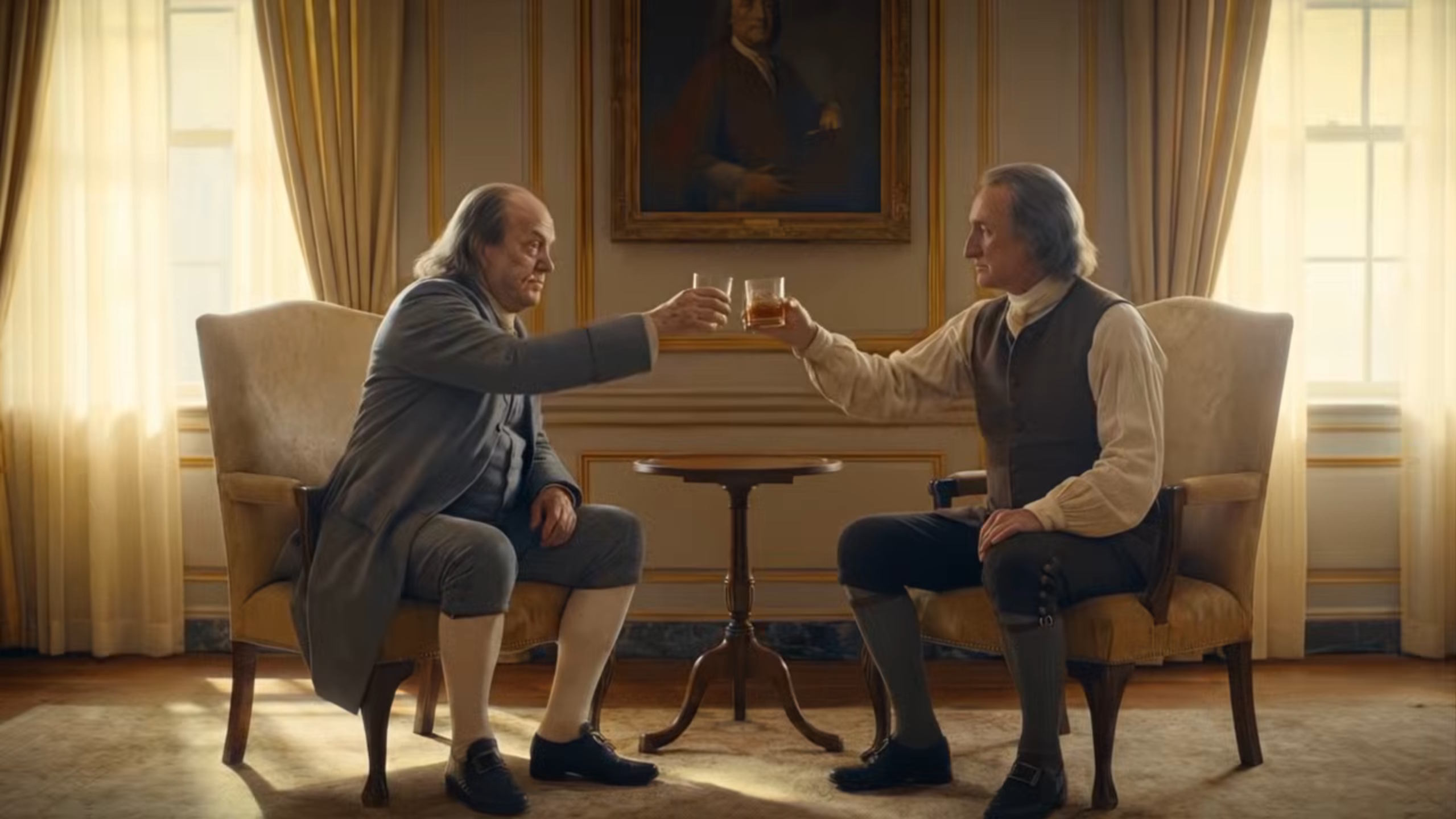
AI Ben Franklin and AI Thomas Paine toast to the war propaganda effort.

AI Ben Franklin and AI Thomas Paine toast to the war propaganda effort. Credit: Primordial Soup

That could be good news for human editors. But On This Day… 1776 also suggests a world where on-screen (or even motion-captured) human actors are fully replaced by AI-generated avatars. When I asked our source why the producers felt that AI was ready to take over that specifically human part of the film equation, though, the response surprised me.

“I don’t know that we do know that, honestly,” they said. “I think we know that the technology is there to try. And I think as storytellers we’re really interested in using… all the different tools that we can to try to get our story across and to try to make audiences feel something.”

“It’s not often that we have huge new tools like this,” the source continued. “I mean, it’s never happened in my lifetime. But when you do [get these new tools], you want to start playing with them… We have to try things in order to know if it works, if it doesn’t work.”

“So, you know, we have the tools now. Let’s see what we can do.”
Photo of Kyle Orland

Kyle Orland has been the Senior Gaming Editor at Ars Technica since 2012, writing primarily about the business, tech, and culture behind video games. He has journalism and computer science degrees from University of Maryland. He once wrote a whole book about Minesweeper.

Why Darren Aronofsky thought an AI-generated historical docudrama was a good idea Read More »
disney-invests-$1-billion-in-openai,-licenses-200-characters-for-ai-video-app-sora

Disney invests $1 billion in OpenAI, licenses 200 characters for AI video app Sora

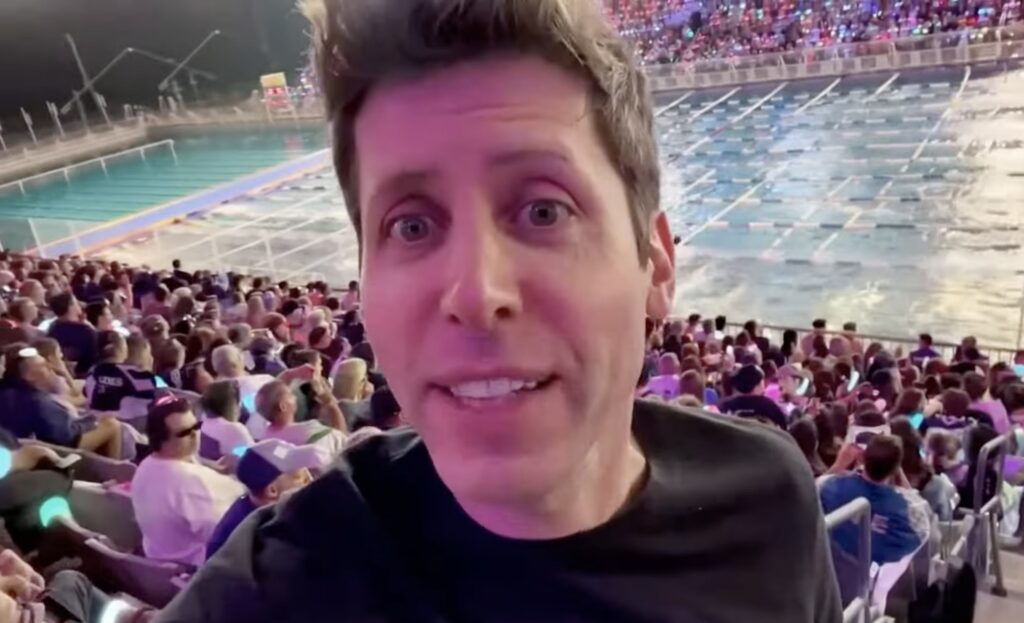
An AI-generated version of OpenAI CEO Sam Altman, seen in a still capture from a video generated by Sora 2.

An AI-generated version of OpenAI CEO Sam Altman seen in a still capture from a video generated by Sora 2. Credit: OpenAI

Under the new agreement with Disney, Sora users will be able to generate short videos using characters such as Mickey Mouse, Darth Vader, Iron Man, Simba, and characters from franchises including Frozen, Inside Out, Toy Story, and The Mandalorian, along with costumes, props, vehicles, and environments.

The ChatGPT image generator will also gain official access to the same intellectual property, although that information was trained into these AI models long ago. What’s changing is that OpenAI will allow Disney-related content generated by its AI models to officially pass through its content moderation filters and reach the user, sanctioned by Disney.

On Disney’s end of the deal, the company plans to deploy ChatGPT for its employees and use OpenAI’s technology to build new features for Disney+. A curated selection of fan-made Sora videos will stream on the Disney+ platform starting in early 2026.

The agreement does not include any talent likenesses or voices. Disney and OpenAI said they have committed to “maintaining robust controls to prevent the generation of illegal or harmful content” and to “respect the rights of individuals to appropriately control the use of their voice and likeness.”

OpenAI CEO Sam Altman called the deal a model for collaboration between AI companies and studios. “This agreement shows how AI companies and creative leaders can work together responsibly to promote innovation that benefits society, respect the importance of creativity, and help works reach vast new audiences,” Altman said.

From adversary to partner

Money opens all kinds of doors, and the new partnership represents a dramatic reversal in Disney’s approach to OpenAI from just a few months ago. At that time, Disney and other major studios refused to participate in Sora 2 following its launch on September 30.

Disney invests $1 billion in OpenAI, licenses 200 characters for AI video app Sora Read More »

“go-generate-a-bridge-and-jump-off-it”:-how-video-pros-are-navigating-ai

“Go generate a bridge and jump off it”: How video pros are navigating AI


I talked with nine creators about economic pressures and fan backlash.

Credit: Aurich Lawson | Getty Images

Credit: Aurich Lawson | Getty Images

In 2016, the legendary Japanese filmmaker Hayao Miyazaki was shown a bizarre AI-generated video of a misshapen human body crawling across a floor.

Miyazaki declared himself “utterly disgusted” by the technology demo, which he considered an “insult to life itself.”

“If you really want to make creepy stuff, you can go ahead and do it,” Miyazaki said. “I would never wish to incorporate this technology into my work at all.”

Many fans interpreted Miyazaki’s remarks as rejecting AI-generated video in general. So they didn’t like it when, in October 2024, filmmaker PJ Accetturo used AI tools to create a fake trailer for a live-action version of Miyazaki’s animated classic Princess Mononoke. The trailer earned him 22 million views on X. It also earned him hundreds of insults and death threats.

“Go generate a bridge and jump off of it,” said one of the funnier retorts. Another urged Accetturo to “throw your computer in a river and beg God’s forgiveness.”

Someone tweeted that Miyazaki “should be allowed to legally hunt and kill this man for sport.”

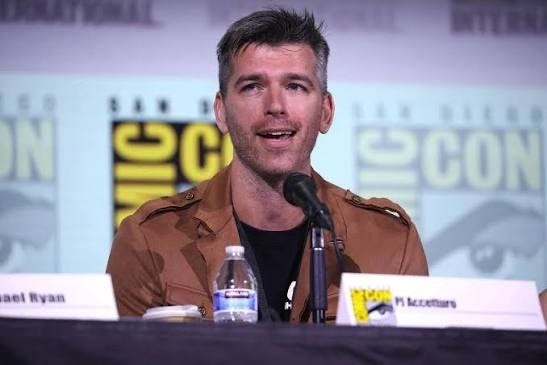
PJ Accetturo is a director and founder of Genre AI, an AI ad agency. Credit: PJ Accetturo

The development of AI image and video generation models has been controversial, to say the least. Artists have accused AI companies of stealing their work to build tools that put people out of a job. Using AI tools openly is stigmatized in many circles, as Accetturo learned the hard way.

But as these models have improved, they have sped up workflows and afforded new opportunities for artistic expression. Artists without AI expertise might soon find themselves losing work.

Over the last few weeks, I’ve spoken to nine actors, directors, and creators about how they are navigating these tricky waters. Here’s what they told me.

Actors have emerged as a powerful force against AI. In 2023, SAG-AFTRA, the Hollywood actors’ union, had its longest-ever strike, partly to establish more protections for actors against AI replicas.

Actors have lobbied to regulate AI in their industry and beyond. One actor I talked with, Erik Passoja, has testified before the California Legislature in favor of several bills, including for greater protections against pornographic deepfakes. SAG-AFTRA endorsed SB 1047, an AI safety bill regulating frontier models. The union also organized against the proposed moratorium on state AI bills.

A recent flashpoint came in September, when Deadline Hollywood reported that talent agencies were interested in signing “AI actress” Tilly Norwood.

Actors weren’t happy. Emily Blunt told Variety, “This is really, really scary. Come on agencies, don’t do that.”

Natasha Lyonne, star of Russian Doll, posted on an Instagram Story: “Any talent agency that engages in this should be boycotted by all guilds. Deeply misguided & totally disturbed.”

The backlash was partly specific to Tilly Norwood—Lyonne is no AI skeptic, having cofounded an AI studio—but it also reflects a set of concerns around AI common to many in Hollywood and beyond.

Here’s how SAG-AFTRA explained its position:

Tilly Norwood is not an actor, it’s a character generated by a computer program that was trained on the work of countless professional performers — without permission or compensation. It has no life experience to draw from, no emotion and, from what we’ve seen, audiences aren’t interested in watching computer-generated content untethered from the human experience. It doesn’t solve any “problem” — it creates the problem of using stolen performances to put actors out of work, jeopardizing performer livelihoods and devaluing human artistry.

This statement reflects three broad criticisms that come up over and over in discussions of AI art:

Content theft: Most leading AI video models have been trained on broad swathes of the Internet, including images and films made by artists. In many cases, companies have not asked artists for permission to use this content, nor compensated them. Courts are still working out whether this is fair use under copyright law. But many people I talked to consider AI companies’ training efforts to be theft of artists’ work.

Job loss:  If AI tools can make passable video quickly or drastically speed up editing tasks, that potentially takes jobs away from actors or film editors. While past technological advancements have also eliminated jobs—the adoption of digital cameras drastically reduced the number of people cutting physical film—AI could have an even broader impact.

Artistic quality:  A lot of people told me they just didn’t think AI-generated content could ever be good art. Tess Dinerstein stars in vertical dramas—episodic programs optimized for viewing on smartphones. She told me that AI is “missing that sort of human connection that you have when you go to a movie theater and you’re sobbing your eyes out because your favorite actor is talking about their dead mom.”

The concern about theft is potentially solvable by changing how models are trained. Around the time Accetturo released the “Princess Mononoke” trailer, he called for generative AI tools to be “ethically trained on licensed datasets.”

Some companies have moved in this direction. For instance, independent filmmaker Gille Klabin told me he “feels pretty good” using Adobe products because the company trains its AI models on stock images that it pays royalties for.

But the other two issues—job losses and artistic integrity—will be harder to finesse. Many creators—and fans—believe that AI-generated content misses the fundamental point of art, which is about creating an emotional connection between creators and viewers.

But while that point is compelling in theory, the details can be tricky.

Dinerstein, the vertical drama actress, told me that she’s “not fundamentally against AI”—she admits “it provides a lot of resources to filmmakers” in specialized editing tasks—but she takes a hard stance against it on social media.

“It’s hard to ever explain gray areas on social media,” she said, and she doesn’t want to “come off as hypocritical.”

Even though she doesn’t think that AI poses a risk to her job—“people want to see what I’m up to”—she does fear people (both fans and vertical drama studios) making an AI representation of her without her permission. And she has found it easiest to just say, “You know what? Don’t involve me in AI.”

Others see it as a much broader issue. Actress Susan Spano told me it was “an issue for humans, not just actors.”

“This is a world of humans and animals,” she said. “Interaction with humans is what makes it fun. I mean, do we want a world of robots?”

It’s relatively easy for actors to take a firm stance against AI because they inherently do their work in the physical world. But things are more complicated for other Hollywood creatives, such as directors, writers, and film editors. AI tools can genuinely make them more productive, and they’re at risk of losing work if they don’t stay on the cutting edge.

So the non-actors I talked to took a range of approaches to AI. Some still reject it. Others have used the tools reluctantly and tried to keep their heads down. Still others have openly embraced the technology.

Kavan Cardoza is a director and AI filmmaker. Credit: Phantom X

Take Kavan Cardoza, for example. He worked as a music video director and photographer for close to a decade before getting his break into filmmaking with AI.

After the image model Midjourney was first released in 2022, Cardoza started playing around with image generation and later video generation. Eventually, he “started making a bunch of fake movie trailers” for existing movies and franchises. In December 2024, he made a fan film in the Batman universe that “exploded on the Internet,” before Warner Bros. took it down for copyright infringement.

Cardoza acknowledges that he re-created actors in former Batman movies “without their permission.” But he insists he wasn’t “trying to be malicious or whatever. It was truly just a fan film.”

Whereas Accetturo received death threats, the response to Cardoza’s fan film was quite positive.

“Every other major studio started contacting me,” Cardoza said. He set up an AI studio, Phantom X, with several of his close friends. Phantom X started by making ads (where AI video is catching on quickest), but Cardoza wanted to focus back on films.

In June, Cardoza made a short film called Echo Hunter, a blend of Blade Runner and The Matrix. Some shots look clearly AI-generated, but Cardoza used motion-capture technology from Runway to put the faces of real actors into his AI-generated world. Overall, the piece pretty much hangs together.

Cardoza wanted to work with real actors because their artistic choices can help elevate the script he’s written: “There’s a lot more levels of creativity to it.” But he needed SAG-AFTRA’s approval to make a film that blends AI techniques with the likenesses of SAG-AFTRA actors. To get it, he had to promise not to reuse the actors’ likenesses in other films.

In Cardoza’s view, AI is “giving voices to creators that otherwise never would have had the voice.”

But Cardoza isn’t wedded to AI. When an interviewer asked him whether he’d make a non-AI film if required to, he responded, “Oh, 100 percent.” Cardoza added that if he had the budget to do it now, “I’d probably still shoot it all live action.”

He acknowledged to me that there will be losers in the transition—“there’s always going to be changes”—but he compares the rise of AI with past technological developments in filmmaking, like the rise of visual effects. This created new jobs making visual effects digitally, but reduced jobs making elaborate physical sets.

Cardoza expressed interest in reducing the amount of job loss. In another interview, Cardoza said that for his film project, “we want to make sure we include as many people as possible,” not just actors, but sound designers, script editors, and other specialized roles.

But he believes that eventually, AI will get good enough to do everyone’s job. “Like I say with tech, it’s never about if, it’s just when.”

Accetturo’s entry into AI was similar. He told me that he worked for 15 years as a filmmaker, “mostly as a commercial director and former documentary director.” During the pandemic, he “raised millions” for an animated TV series, but it got caught up in development hell.

AI gave him a new chance at success. Over the summer of 2024, he started playing around with AI video tools. He realized that he was in the sweet spot to take advantage of AI: experienced enough to make something good, but not so established that he was risking his reputation. After Google released Veo 3 in May, Accetturo released a fake medicine ad that went viral. His studio now produces ads for prominent companies like Oracle and Popeyes.

Accetturo says the backlash against him has subsided: “It truly is nothing compared to what it was.” And he says he’s committed to working on AI: “Everyone understands that it’s the future.”

Between the anti- and pro-AI extremes, there are a lot of editors and artists quietly using AI tools without disclosing it. Unsurprisingly, it’s difficult to find people who will speak about this on the record.

“A lot of people want plausible deniability right now,” according to Ryan Hayden, a Hollywood talent agent. “There is backlash about it.”

But if editors don’t use AI tools, they risk becoming obsolete. Hayden says that he knows a lot of people in the editing field trying to master AI because “there’s gonna be a massive cut” in the total number of editors. Those who know AI might survive.

As one comedy writer involved in an AI project told Wired, “We wanted to be at the table and not on the menu.”

Clandestine AI usage extends into the upper reaches of the industry. Hayden knows an editor who works with a major director who has directed $100 million films. “He’s already using AI, sometimes without people knowing.”

Some artists feel morally conflicted but don’t think they can effectively resist. Vinny Dellay, a storyboard artist who has worked on Marvel films and Super Bowl ads, released a video detailing his views on the ethics of using AI as a working artist. Dellay said that he agrees that “AI being trained off of art found on the Internet without getting permission from the artist, it may not be fair, it may not be honest.” But refusing to use AI products won’t stop their general adoption. Believing otherwise is “just being delusional.”

Instead, Dellay said that the right course is to “adapt like cockroaches after a nuclear war.” If they’re lucky, using AI in storyboarding workflows might even “let a storyboard artist pump out twice the boards in half the time without questioning all your life’s choices at 3 am.”

Gille Klabin is an independent writer, director, and visual effects artist. Credit: Gille Klabin

Gille Klabin is an indie director and filmmaker currently working on a feature called Weekend at the End of the World.

As an independent filmmaker, Klabin can’t afford to hire many people. There are many labor-intensive tasks—like making a pitch deck for his film—that he’d otherwise have to do himself. An AI tool “essentially just liberates us to get more done and have more time back in our life.”

But he’s careful to stick to his own moral lines. Any time he mentioned using an AI tool during our interview, he’d explain why he thought that was an appropriate choice. He said he was fine with AI use “as long as you’re using it ethically in the sense that you’re not copying somebody’s work and using it for your own.”

Drawing these lines can be difficult, however. Hayden, the talent agent, told me that as AI tools make low-budget films look better, it gets harder to make high-budget films, which employ the most people at the highest wage levels.

If anything, Klabin’s AI uptake is limited more by the current capabilities of AI models. Klabin is an experienced visual effects artist, and he finds AI products to generally be “not really good enough to be used in a final project.”

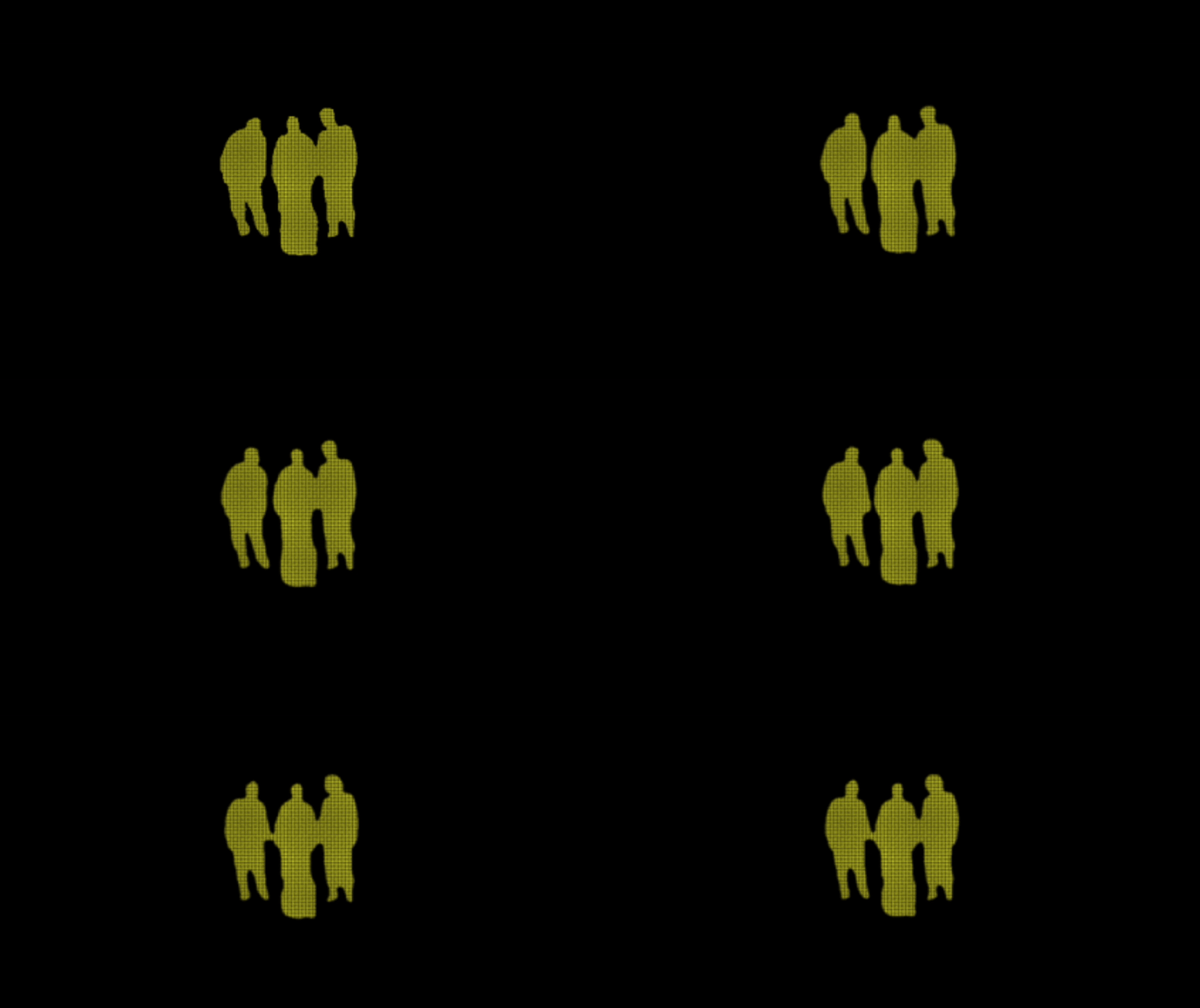
He gave me a concrete example. Rotoscoping is a process in which you trace out the subject of the shot so you can edit the background independently. It’s very labor-intensive—one has to edit every frame individually—so Klabin has tried using Runway’s AI-driven rotoscoping. While it can make for a decent first pass, the result is just too messy to use as a final project.

Klabin sent me this GIF of a series of rotoscoped frames from his upcoming movie. While the model does a decent job of identifying the people in the frame, its boundaries aren’t consistent from frame to frame. The result is noisy.

Current AI tools are full of these small glitches, so Klabin only uses them for tasks that audiences don’t see (like creating a movie pitch deck) or in contexts where he can clean up the result afterward.

Stephen Robles reviews Apple products on YouTube and other platforms. He uses AI in some parts of the editing process, such as removing silences or transcribing audio, but doesn’t see it as disruptive to his career.

Stephen Robles is a YouTuber, podcaster, and creator covering tech, particularly Apple. Credit: Stephen Robles

“I am betting on the audience wanting to trust creators, wanting to see authenticity,” he told me. AI video tools don’t really help him with that and can’t replace the reputation he’s sought to build.

Recently, he experimented with using ChatGPT to edit a video thumbnail (the image used to advertise a video). He got a couple of negative reactions about his use of AI, so he said he “might slow down a little bit” with that experimentation.

Robles didn’t seem as concerned about AI models stealing from creators like him. When I asked him about how he felt about Google training on his data, he told me that “YouTube provides me enough benefit that I don’t think too much about that.”

Professional thumbnail artist Antioch Hwang has a similarly pragmatic view toward using AI. Some channels he works with have audiences that are “very sensitive to AI images.” Even using “an AI upscaler to fix up the edges” can provoke strong negative reactions. For those channels, he’s “very wary” about using AI.

Antioch Hwang is a YouTube thumbnail artist. Credit: Antioch Creative

But for most channels he works for, he’s fine using AI, at least for technical tasks. “I think there’s now been a big shift in the public perception of these AI image generation tools,” he told me. “People are now welcoming them into their workflow.”

He’s still careful with his AI use, though, because he thinks that having human artistry helps in the YouTube ecosystem. “If everyone has all the [AI] tools, then how do you really stand out?” he said.

Recently, top creators have started using more rough-looking thumbnails for their videos. AI has made polished thumbnails too easy to create, so top creators are using what Hwang would call “poorly made thumbnails” to help videos stand out.

Hwang told me something surprising: even as AI makes it easier for creators to make thumbnails themselves, business has never been better for thumbnail artists, even at the lower end. He said that demand has soared because “AI as a whole has lowered the barriers for content creation, and now there’s more creators flooding in.”

Still, Hwang doesn’t expect the good times to last forever. “I don’t see AI completely taking over for the next three-ish years. That’s my estimated timeline.”

Everyone I talked to had different answers to when—if ever—AI would meaningfully disrupt their part of the industry.

Some, like Hwang, were pessimistic. Actor Erik Passoja told me he thought the big movie studios—like Warner Bros. or Paramount—would be gone in three to five years.

But others were more optimistic. Tess Dinerstein, the vertical drama actor, said, “I don’t think that verticals are ever going to go fully AI.” Even if it becomes technologically feasible, she argued, “that just doesn’t seem to be what the people want.”

Gille Klabin, the independent filmmaker, thought there would always be a place for high-quality human films. If someone’s work is “fundamentally derivative,” then they are at risk. But he thinks the best human-created work will still stand out. “I don’t know how AI could possibly replace the borderline divine element of consciousness,” he said.

The people who were most bullish on AI were, if anything, the least optimistic about their own career prospects. “I think at a certain point it won’t matter,” Kavan Cardoza told me. “It’ll be that anyone on the planet can just type in some sentences” to generate full, high-quality videos.

This might explain why Accetturo has become something of an AI evangelist; his newsletter tries to teach other filmmakers how to adapt to the coming AI revolution.

AI “is a tsunami that is gonna wipe out everyone” he told me. “So I’m handing out surfboards—teaching people how to surf. Do with it what you will.”

Kai Williams is a reporter for Understanding AI, a Substack newsletter founded by Ars Technica alum Timothy B. Lee. His work is supported by a Tarbell FellowshipSubscribe to Understanding AI to get more from Tim and Kai.

“Go generate a bridge and jump off it”: How video pros are navigating AI Read More »

plex,-where-people-typically-avoid-hollywood-fees,-now-offers-movie-rentals

Plex, where people typically avoid Hollywood fees, now offers movie rentals

Streaming is just cable again, Ch. 27 —

Users have one more place to turn when their usual options don’t pan out.

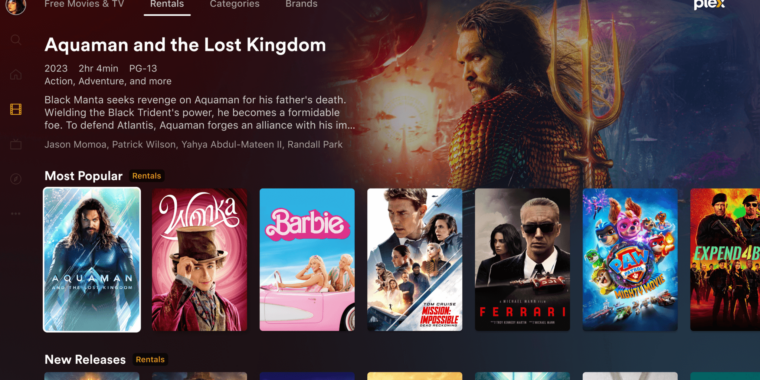
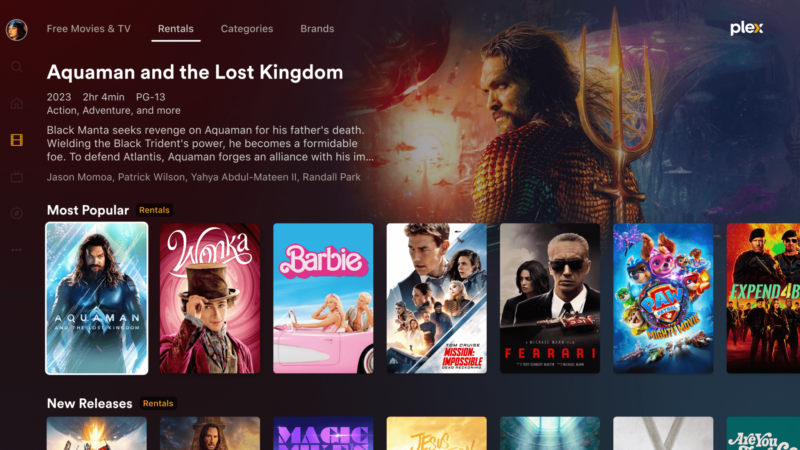
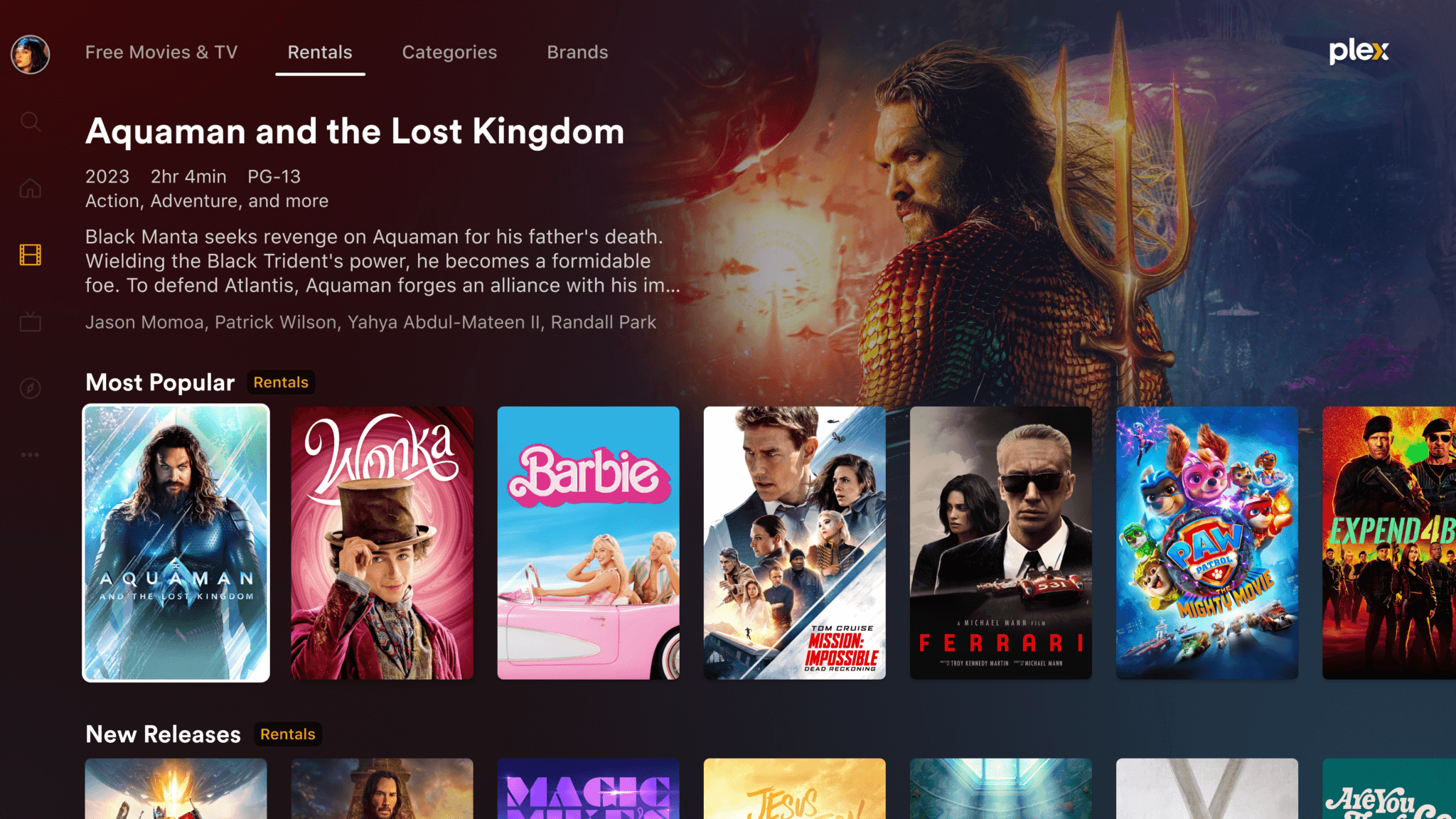
Movie rental offerings on Plex platform

Enlarge / Because sometimes your friend Tim, the one with all the legal media, is having server issues, but it’s movie night and the popcorn is already made.

Plex

Plex, the media center largely known as a hub for TV and movies that you and your friends obtained one way or another, now lets you pay for movie rentals. It’s both a convenient way to watch movies without having to hunt across multiple services, and yet another shift by Plex to be closer to the mainstream.

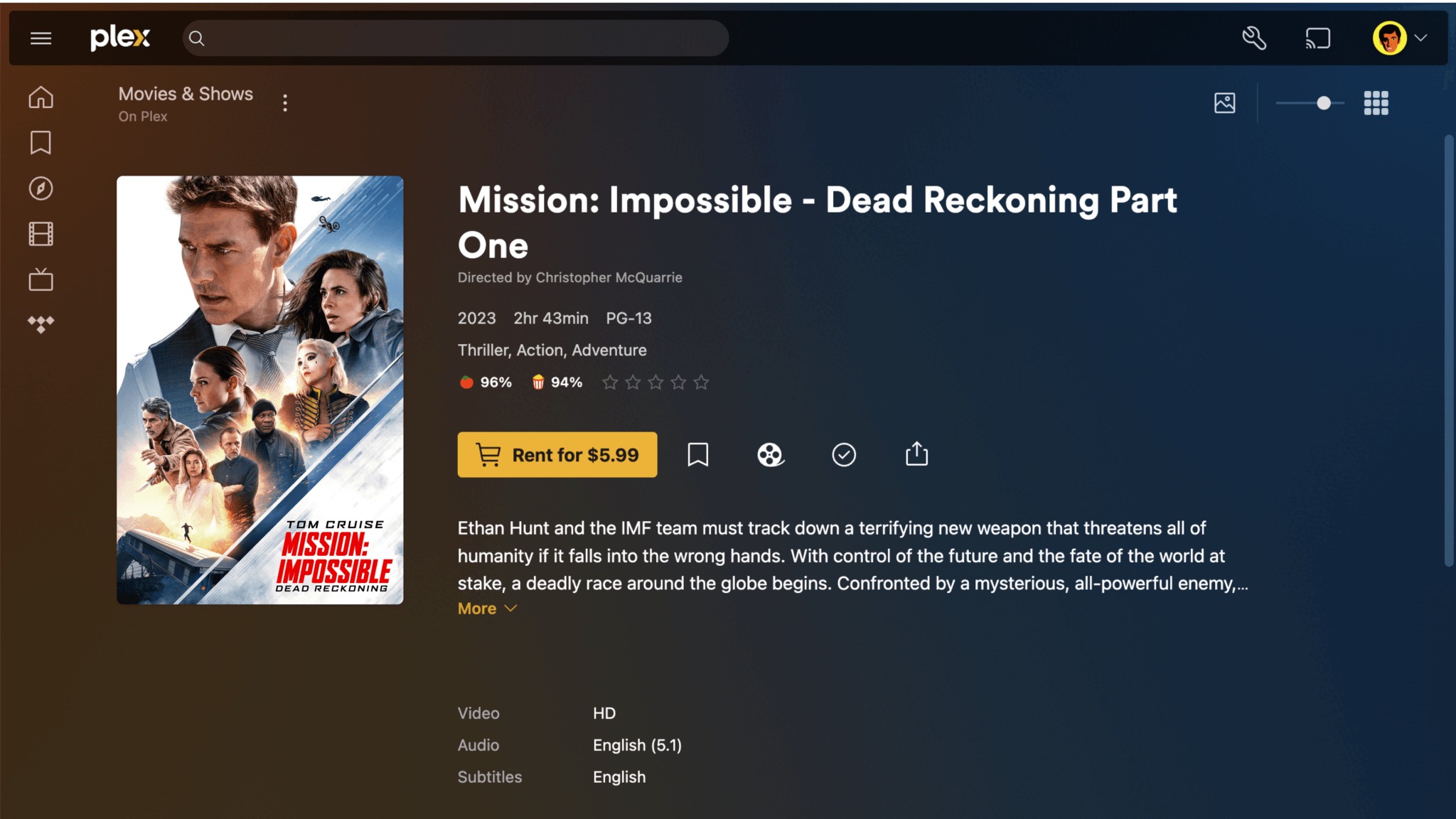
Plex’s first set of available films is more than 1,000 titles, with some notable recent-run offerings: Barbie, Aquaman and the Lost Kingdom, Mission: Impossible – Dead Reckoning, Wonka, PAW Patrol: The Mighty Movie, and so forth. As is typical of digital rentals, you have 30 days to start watching a movie and then 48 hours to finish it.

Prices at the moment range from $3.99 to $5.99. Conveniently, movies you rent on one platform can be played on any other. Even on Apple devices, or, as Plex puts it, “devices that don’t allow direct rentals on their platform.” Rentals are only available in the US, however.

Your mission, should you choose to accept it: Develop an audience of paying movie renters on a platform not exactly known for paid media.

Your mission, should you choose to accept it: Develop an audience of paying movie renters on a platform not exactly known for paid media.

Plex

Interestingly, Plex doesn’t offer movie purchases, and there is a reason why. Plex CEO Keith Valory told TechCrunch that a purchase option “creates some additional wrinkles—now you’ve got to keep this locker for people long-term and does that really make sense [for us]?” It’s true that platforms brokering purchases between users and media conglomerates can find themselves in awkward spots, like Sony almost having deleted all Discovery content bought by PlayStation users. That kind of scenario is also, of course, the kind of thing that initially made Plex appealing to people with their own content to store.

Plex had originally planned to offer media rentals as far back as 2020 but shifted priorities when the pandemic, and its seismic shift toward streaming, gave it new targets. As a company, Plex pivoted to becoming a kind of collector of streaming services so that when you wanted to watch something, you could head to Plex and head out from there. It has previously added free ad-supported streaming of TV and movies to its platform, along with support for over-the-air antenna TV.

In that view of Plex, movie rentals make total sense; you might see that Apple TV+ or Disney+ subscribers can see a certain movie for free, but rather than set up a new cancellation reminder on your calendar, you can just pay one time and watch it.

For lots of Plex users, however, movie rentals are likely to be something nice to have, if not essential. The service today serves as a refuge from app-switching, unreliable media availability, and rapidly escalating subscription prices. It can play your own legally rendered backups of media you rightfully own, or it can connect you to friends or superusers who have… a huge number of legally rendered backups of media they rightfully own.

Given a choice, however, Plex users might be glad to throw their fancy-coffee-plus-tip rental fees to Plex rather than any one streaming silo just to keep the service funded and updated.

Plex, where people typically avoid Hollywood fees, now offers movie rentals Read More »