Daly’s pro se legal representation in the case was notable for its use of several novel affirmative defenses, including arguments that Nintendo’s “alleged copyrights are invalid,” that Nintendo “does not have standing to bring suit,” and that Nintendo “procured a contract [with Daly] through fraudulent means.” For the record, the judgment in this case reasserts that Nintendo “owns valid copyrights in works protected by the TPMs, including Nintendo games and the Nintendo Switch operating system.”
In addition to $2 million in damages, Daly is specifically barred from “obtaining, possessing, accessing, or using” any DRM circumvention device or hacked console, with or without the intent to sell it. The judgment also bars Daly from publishing or “linking to” any website with instructions for hacking consoles and from “reverse engineering” any Nintendo consoles or games. Control of Daly’s ModdedHardware.com domain name will also be transferred to Nintendo.
A video shows how different storage media can affect Mario Kart World load times.
CD Projekt Red VP of Technology Charles Tremblay has alluded to this same challenge when talking about the Switch 2 port of Cyberpunk 2077. In a June interview with IGN, Tremblay said the data transfer speeds enabled by MicroSD Express were “great,” while streaming data from a Switch 2 Game Card was merely “okay.” Tremblay did go on to say that “all the performance we have on [input/output] is very good on [the Switch 2],” especially compared to the extremely slow physical hard drives that plagued Cyberpunk 2077‘s performance on older hardware.
Slow down, you move too fast
From the outside, it’s a bit odd that Nintendo allowed this loading-speed dichotomy to exist on the Switch 2 in the first place. On the original Switch, read speeds for both SD cards and Game Cards reportedly maxed out around 90 MB/s. But when designing the new Switch 2 game cards, Nintendo settled on a format that would stream data much more slowly than for downloaded games on the same console.
That decision might have been an attempt to minimize hardware costs for the Switch 2’s Game Card interface. If so, though, it doesn’t seem to have done much to reduce the costs of manufacturing Switch 2 game cards themselves. The cost of manufacturing those physical Game Cards has been frequently cited as a major reason many publishers are using cheaper Game Key Cards in the first place, though Bantin said that he “[didn’t] recall the cost of the cards ever entering the discussion [for Star Wars: Outlaws]—probably because it was moot.”
Nintendo could get around this variable loading speed issue by letting players pre-install games from a Switch 2 Game Card to internal or expansion storage, as Microsoft and Sony have either allowed or required on their disc-based consoles for decades now. But that solution might prove onerous for physical game card players who want to avoid clogging up the limited 256GB of internal storage on the Switch 2 (and/or avoid investing in pricey MicroSD Express cards).
As time goes on, many developers will likely learn how to adapt to and tolerate the Switch 2’s relatively slow Game Card interface. But as gamers and the industry at large continue to transition away from physical media, some developers might decide it’s not worth compromising on loading speeds just to satisfy a shrinking portion of the market.
Sony will join Microsoft and Nintendo in raising US prices across its entire game console lineup, the company announced today. Pricing for all current versions of the PlayStation 5 console will increase by $50 starting tomorrow.
The price of the PS5 Digital Edition will increase from $450 to $500; the standard PS5 will increase from $500 to $550; and the PS5 Pro will increase from $700 to $750. If you’ve been on the fence about buying any of these, retailers like Target and Best Buy are still using the old prices as of this writing—for other console price hikes, retailers have sometimes bumped the prices up before the date announced by the manufacturer.
“Similar to many global businesses, we continue to navigate a challenging economic environment,” wrote Sony Global Marketing VP Isabelle Tomatis. “As a result, we’ve made the difficult decision to increase the recommended retail price for PlayStation 5 consoles in the U.S. starting on August 21.”
Sony says it’s not increasing prices for games or accessories and that this round of price increases only affects consoles sold in the US.
Sony was the last of the big three console makers to raise prices this year. Microsoft raised the prices for the Xbox Series S and X consoles in March. And Nintendo has gone through two rounds of price increases—one for Switch and Switch 2 accessories in April and another for more accessories and Switch 1 consoles earlier this month.
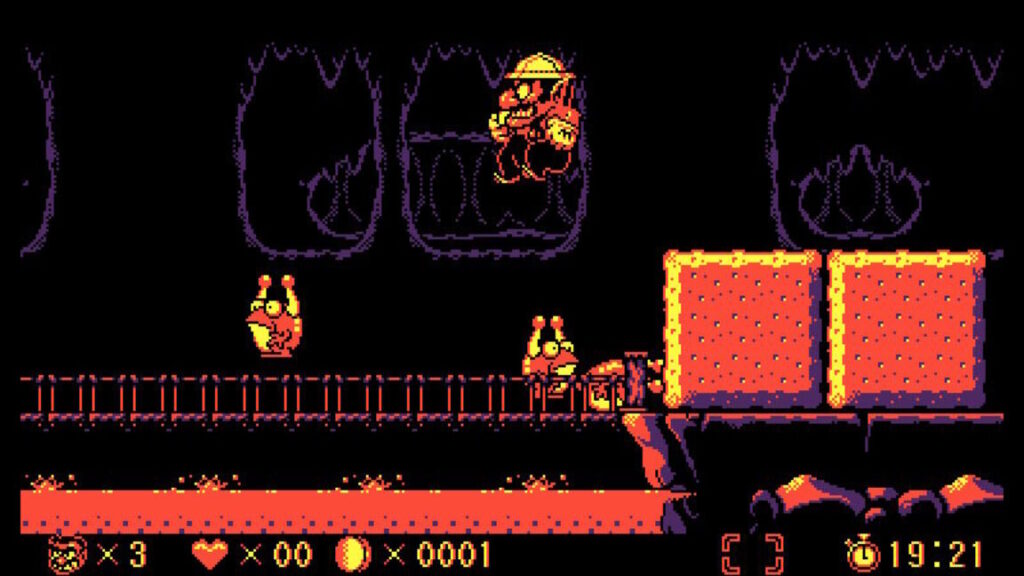
With Red Viper’s built-in color support, though, anyone with a 3DS modded for homebrew software can now easily add a bit of color to the Virtual Boy library. And running the emulator on the 3DS means you don’t even have to give up the Virtual Boy’s stereoscopic graphics to do so; Red Viper works with the filtered LCD screen on the 3DS to emulate the visual depth built into Virtual Boy games.
More than just Wario Land
Red Viper currently doesn’t have any “default” palettes to choose from, meaning it can take some manual fiddling to get multicolor games to look halfway decent (you can save your palettes on a per-game basis). Once you do, though, it’s impressive just how much color adds to games that were never designed to be seen in more than a few shades of red.
The higher contrast between the road and the racers helps make homebrew Virtual Boy Mario Kart much more playable. Kyle Orland / Red Viper
We’ve found that high contrast yellow or green can really help sprites stand out from the jet black backgrounds that dominate most Virtual Boy releases. Accent colors in the blue or purple range, meanwhile, can help set off background elements and make them easier to distinguish from the foreground gameplay. Those color enhancements can be more than just aesthetic, too; in a game like Red Viper, distinct colors make it much easier to distinguish enemies from stationary obstacles in the game’s awkward wire-framed 3D.
Whether you’re a Virtual Boy aficionado or new to the world, the newly colorized Red Viper is the perfect excuse to visit this odd cul-de-sac in Nintendo’s hardware history. Now if we could just convince Nintendo to release an official miniaturized set of Virtual Boy VR goggles à la the NES Classic.
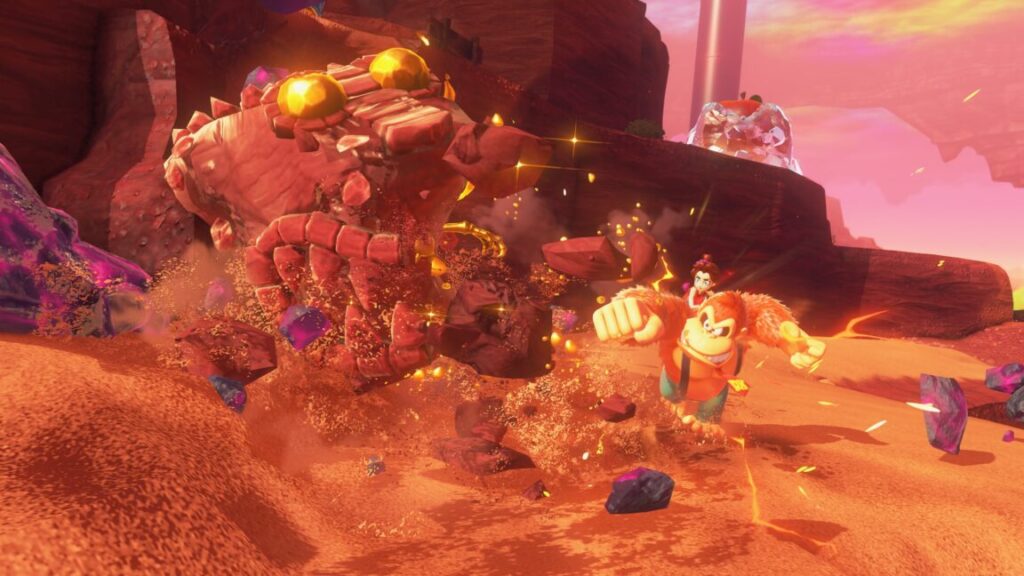
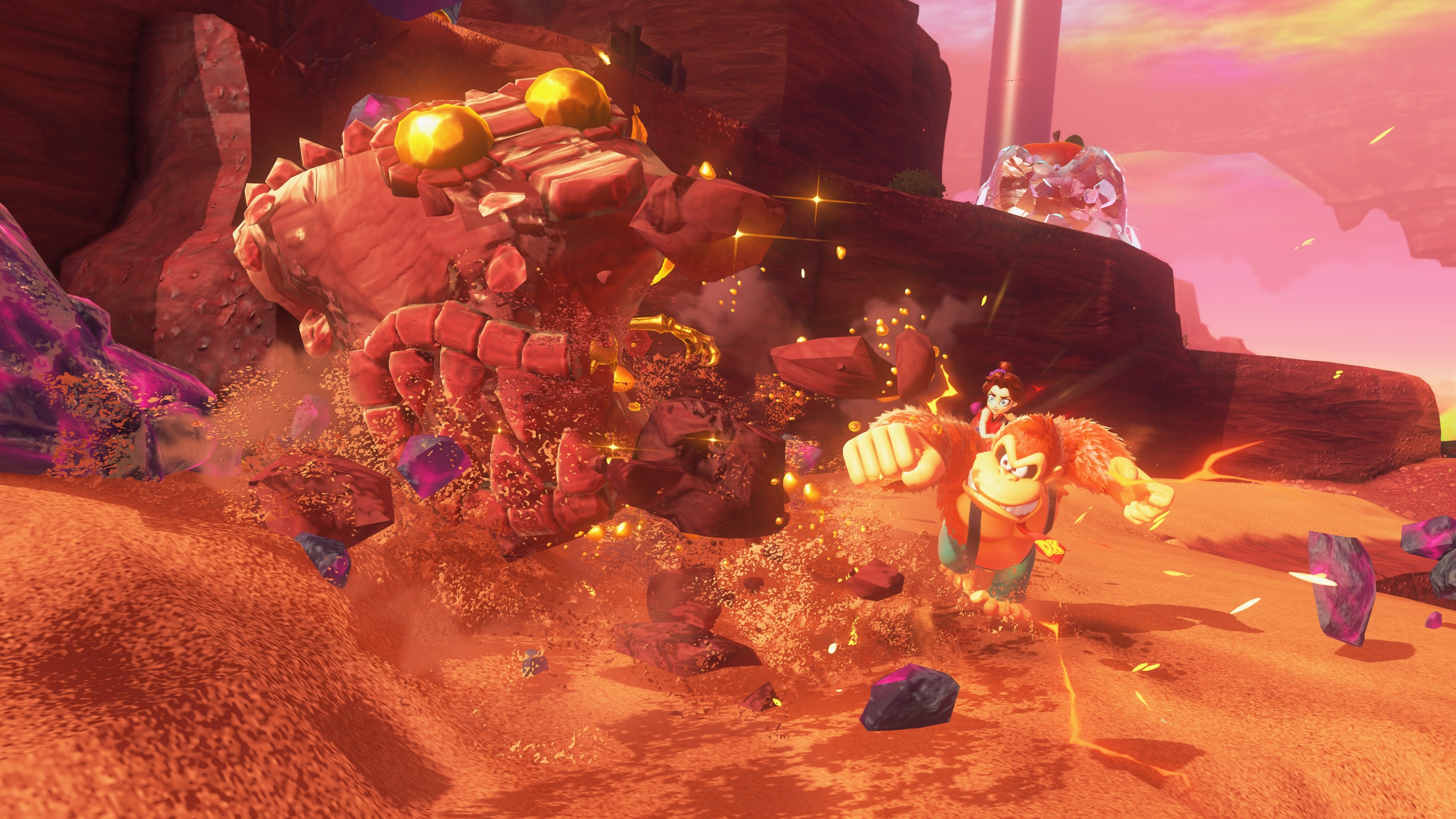
Cathartic, punch-fueled land destruction is a great showcase for Switch 2 hardware.
Screenshots you can feel. Credit: Nintendo
Screenshots you can feel. Credit: Nintendo
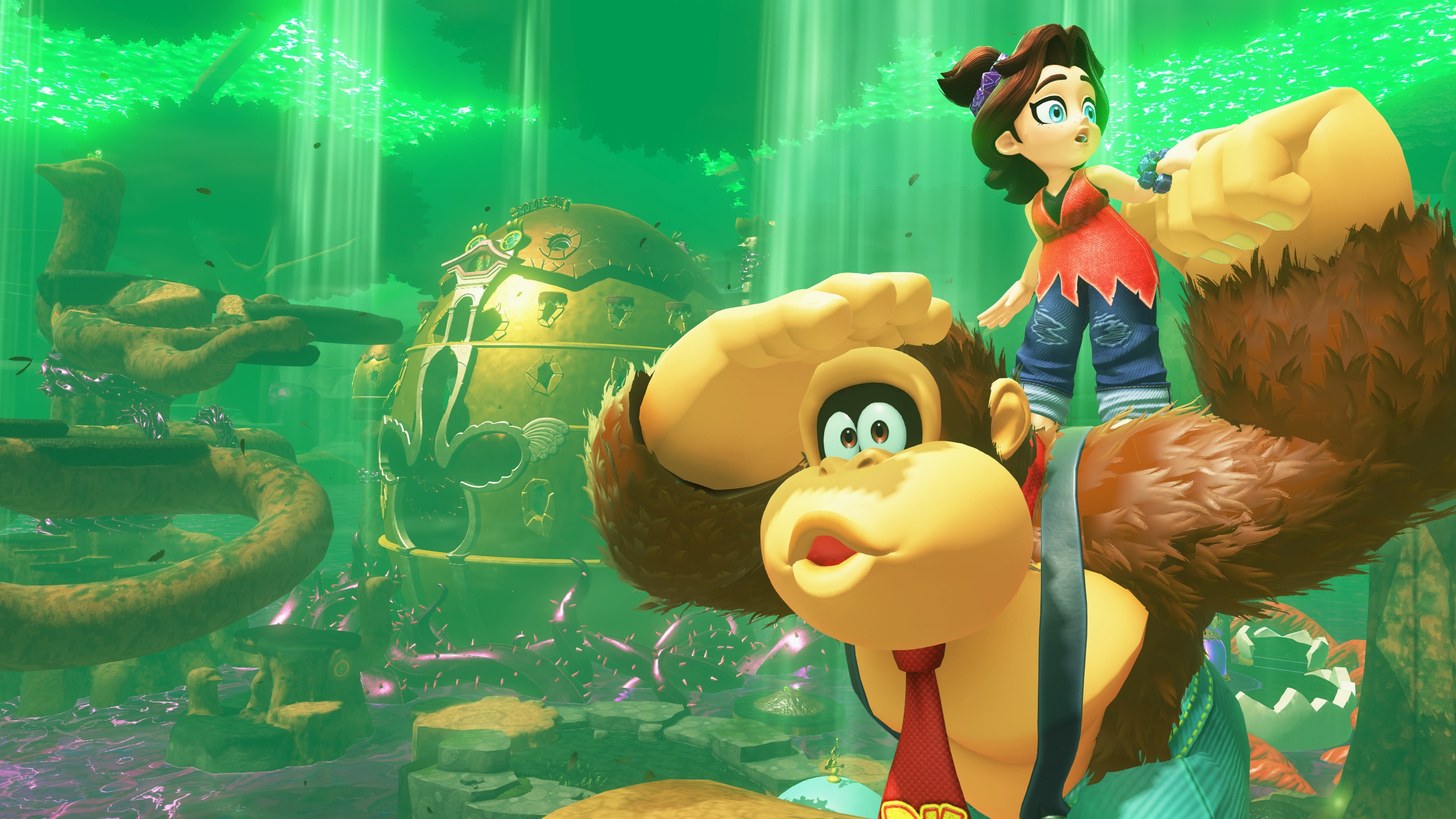
When the Switch 2 was fully unveiled in April, we weren’t alone in expecting the announcement of a true follow-up to Super Mario Odyssey—one of the original Switch’s best-selling games and our pick for the best game of 2017. Instead, we got our first look at Donkey Kong Bananza, the big ape’s first fully 3D adventure since the Rare-developed Donkey Kong 64 in 1999.
The fact that Nintendo wasn’t willing to commit its long-standing plumber mascot to its first first-party platformer on the Switch 2 could have been seen as a sign of a rushed, second-tier spinoff effort. After playing through Donkey Kong Bananza, though, I’m happy to report that nothing could be further from the truth for this deep and worthy spiritual successor to Super Mario Odyssey (from many of the same development staff). Donkey Kong Bananza captures the same sense of joyful movement and exploration as the best Mario games while adding an extremely satisfying terrain-destruction system that shows off the capabilities of the Switch 2 hardware.
Beat up the earth
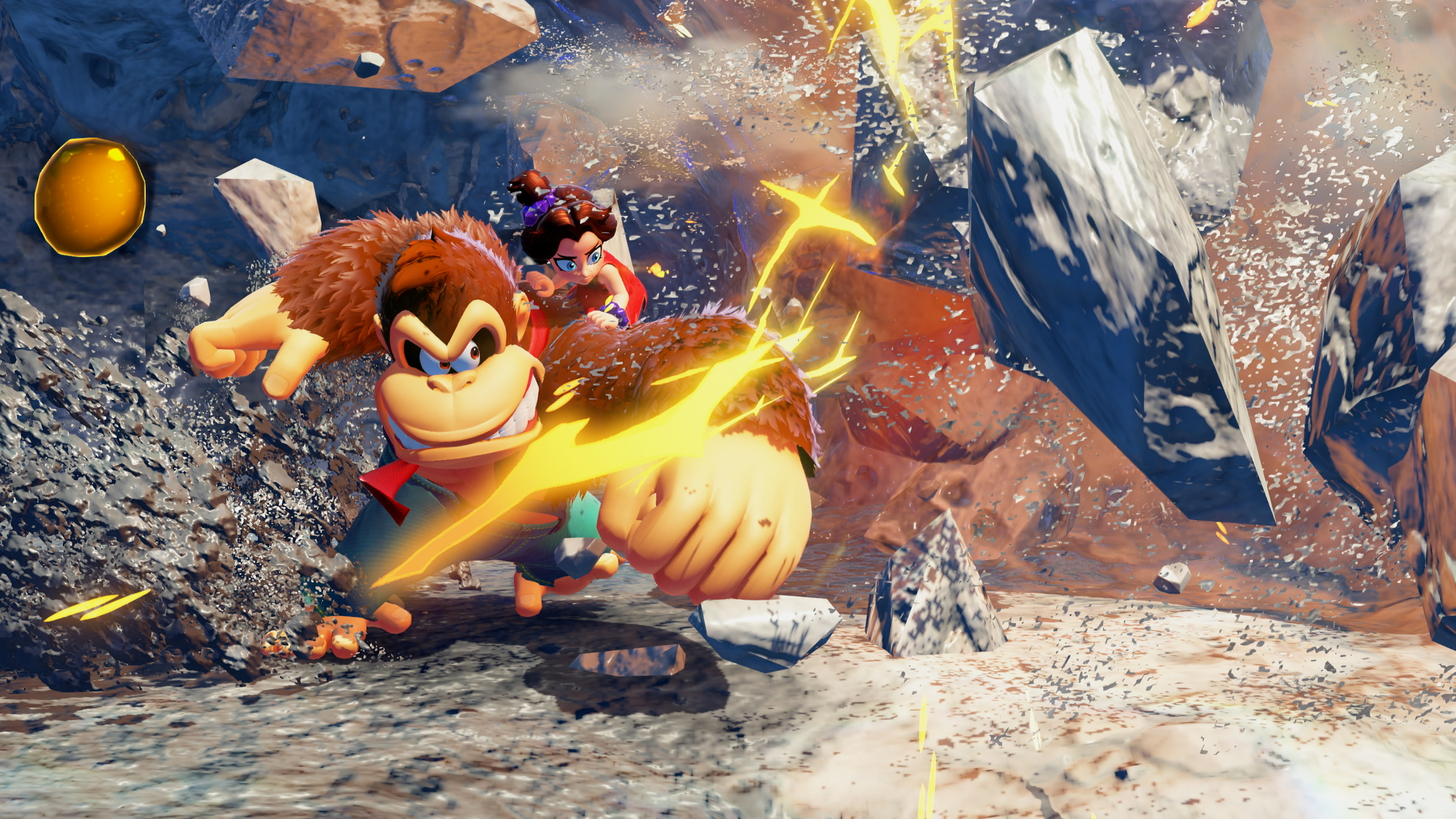
It’s that terrain-destruction system that sets Donkey Kong Bananza apart from previous 3D platformers from Nintendo and others. Three of the four face buttons on the Switch 2 controllers are devoted to letting Donkey Kong punch either horizontally, upward, or downward, often taking out large chunks of the nearby scenery as he does.
Take that, rock!
Credit: Nintendo
Take that, rock! Credit: Nintendo
Punching through the terrain in this manner forms the fast, crunchy, and powerfully kinetic core of the game. It’s hard to overstate how incredibly cathartic it can be to quickly reduce a well-ordered chunk of dirt and rock into a mountain of valuable, collectible golden rubble (then gathering up all the nearby rubble with a quick tap of a shoulder button). Imagine a 3D Mario game by way of Traveller’s Tales Lego games, and you’ll have some idea of the extremely satisfying combination on offer here.
The semi-persistent changes in scenery also do a good job of highlighting the Switch 2’s hardware, which doesn’t seem to drop a single frame, even as the rubble flies and the ground’s shape morphs under Donkey Kong’s persistent punching. That extra hardware power also lends itself to some nice graphical touches, from the mirror-like shine on a pile of golden rubble to the gentle movement of fur that rustles in the breeze.
I get around
Donkey Kong can also pick up chunks of terrain, using them as impromptu melee weapons or hurling them to destroy far-off enemies, obstacles, or key switches. The aiming-and-throwing controls for this terrain-throwing system are just clunky enough to be annoying—this is a far cry from Gears of Donkey Kong or something. Still, the interactions between different types of hurled terrain end up forming the root of many interesting situational puzzles—throwing some snow to harden sections of a harmful lava lake into a solid platform, for instance, or using a chunk of explosive rock to destroy an otherwise impervious spiky enemy.
When you’re not tearing up the scenery to your benefit, simply getting around in Donkey Kong Bananza is a joy. Donkey Kong Country fans will be happy to know the classic roll is back and can be used to help extend jumps or quickly change mid-air direction (a la Cappy from Mario Odyssey). Donkey Kong can also slide along on chunks of terrain in a zippy, madcap land-surfing mode that’s wonderfully difficult to control effectively. The ability to climb along the edge of most surfaces adds a layer to the vertical gameplay dimension that doesn’t rely on precision jumping and which is utilized well to hide some of the game’s more out-of-the-way secrets.
This Kong’s got a funny face…
Credit: Nintendo
This Kong’s got a funny face… Credit: Nintendo
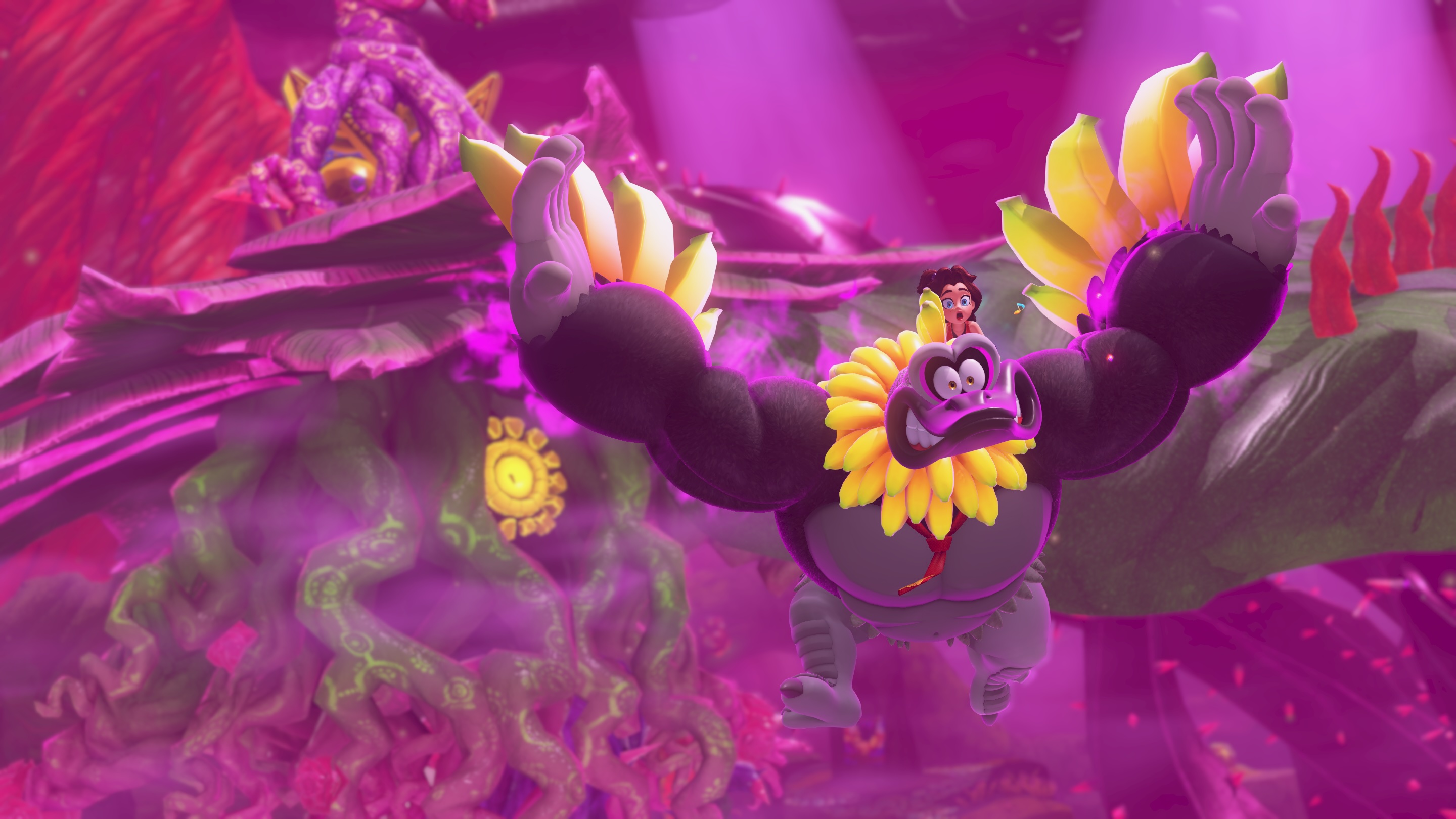
As the game progresses, you’ll also unlock a handful of animalistic “Bananza” transformations from a menagerie of gigantic animal DJs (don’t ask). These temporarily grant DK new powers—a quick-dashing zebra or a fluttering, hovering ostrich, for instance. The game builds some specific gatekeeping challenges around each transformation, of course, but the extra locomotion options become a welcome part of your toolbelt when simply exploring generic areas.
Running around and smashing up the world isn’t all joy, though. Problems arise when you dig into thick patches of dirt, crafting a narrow, Kong-sized tunnel surrounded by opaque earth. The camera system does its best to deal with these tricky scenarios, making the ground opaque and highlighting only the notable features around you. Still, it’s easy to lose track of where your digging has taken you and how to get back to the surface, especially when the best way out of a jam is to “dig up, stupid.”
Oooh, Banana!
All this terrain destruction and digging is in service of the game’s primary goal: collecting a bunch of giant bananas. These are roughly as plentiful as the Power Moons scattered across Super Mario Odyssey and roughly as varied in their availability. Some sit out in the open, waiting to be stumbled on. Others are hidden in some of the game’s most out-of-the-way underground crevices and practically require the use of collectible in-game treasure maps to find. Many are hidden in elaborate challenge rooms that test your precision platforming, terrain destruction, or combat skills.
Unlike the Power Moons in Mario Odyssey, though, hunting down bananas is largely optional to progress down the succession of elaborate, wide-open, high-ceilinged layers (read: “levels”) on a quest toward the planet’s core. Instead, bananas are primarily used to unlock upgrades in a surprisingly deep skill tree or grant DK more health, more punching power, or longer Bananza transformations. Other collectibles can be used to buy stylish and protective outfits to further increase DK’s endurance.
You’d be forgiven for not believing that these large explorable “layers” are supposed to be underground.
Credit: Nintendo
You’d be forgiven for not believing that these large explorable “layers” are supposed to be underground. Credit: Nintendo
These upgrades provide ample incentive for those who enjoy exploring and dozens of hours of challenges for completionists to delve into after the credits roll. But the game’s structure also allows skillful and/or impatient players to zip to the game’s conclusion quite quickly, rushing through the visually inventive bosses that guard the game’s major chokepoints.
Those who rush, though, may end up struggling with the game’s final gauntlet of challenges, which quickly ramp up the difficulty while re-introducing some classic DK enemies (that we aren’t allowed to say more about at the moment).
Wait, that kid is Pauline?
Thus far, we’ve avoided talking about the ridiculously convoluted plot the game builds around Donkey Kong’s quest for bananas and the evil corporate forces that want to stop his journey deep into the planet’s core. The game’s underground world is populated with all sorts of talking animals, sentient rocks, and familiar Kong faces to assist DK or ask him for help with various ridiculous errands. They’re cute, but their chatter is more or less ignorable.
The reimagined Pauline is an adorable addition to the lineup.
Credit: Nintendo
The reimagined Pauline is an adorable addition to the lineup. Credit: Nintendo
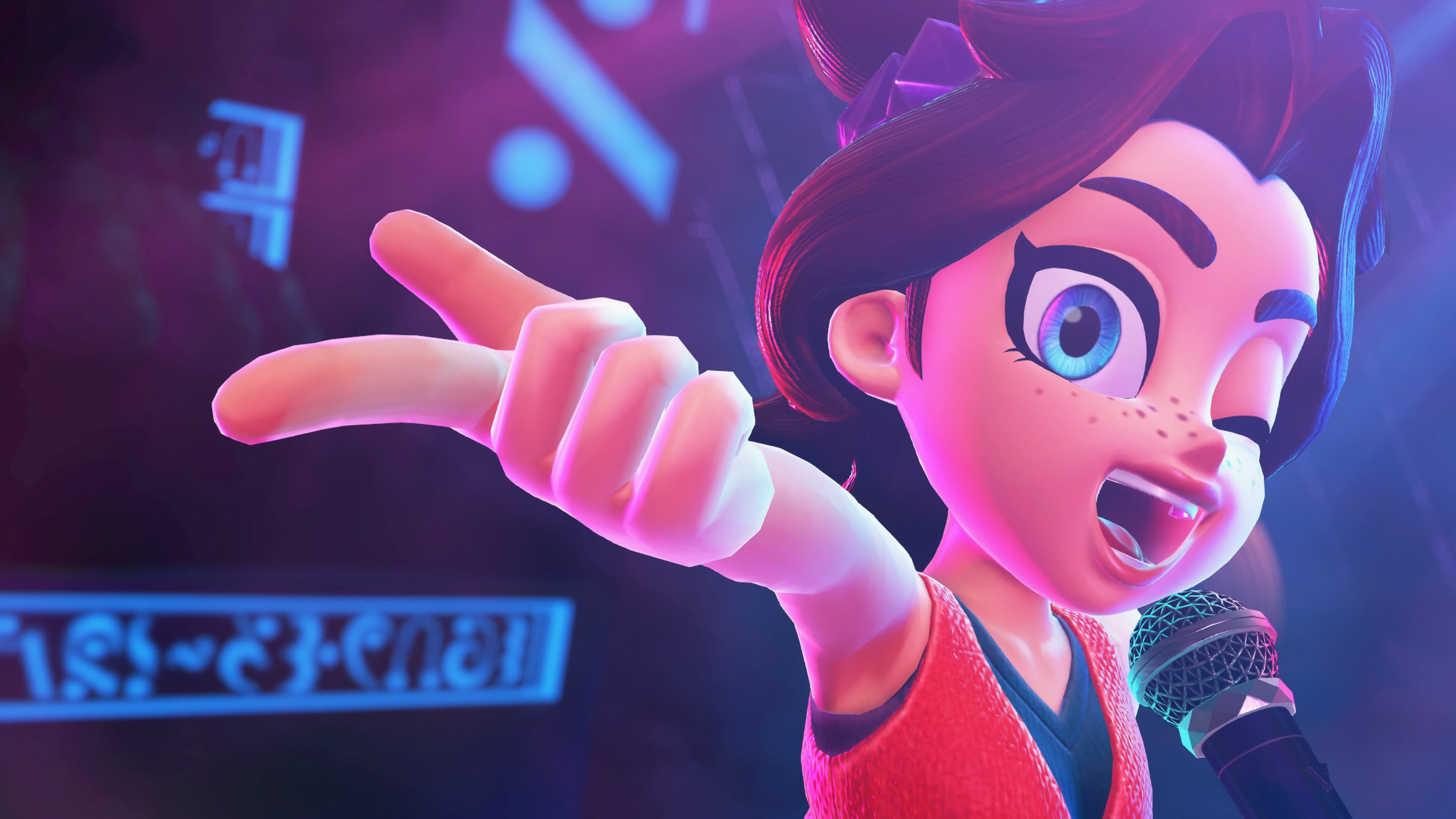
The main exception is Pauline, the damsel-in-distress from the original Donkey Kong, recast here as a precocious child working with DK to find a way back to her home on the surface. Pauline’s effort to overcome inherent stage fright and embrace the magical power of her singing voice was surprisingly touching. That’s largely thanks to a winning voice-acting performance that forms the basis for some toe-tapping gibberish playing behind DK’s Bananza transformations.
The adorable relationship between young Pauline and the silent Donkey Kong is the icing on a very satisfying cake. Even though Mario is nowhere to be seen, Donkey Kong Bananza seems destined to be thought of in the same category as the Mario games that defined earlier Nintendo hardware launches.
Kyle Orland has been the Senior Gaming Editor at Ars Technica since 2012, writing primarily about the business, tech, and culture behind video games. He has journalism and computer science degrees from University of Maryland. He once wrote a whole book about Minesweeper.
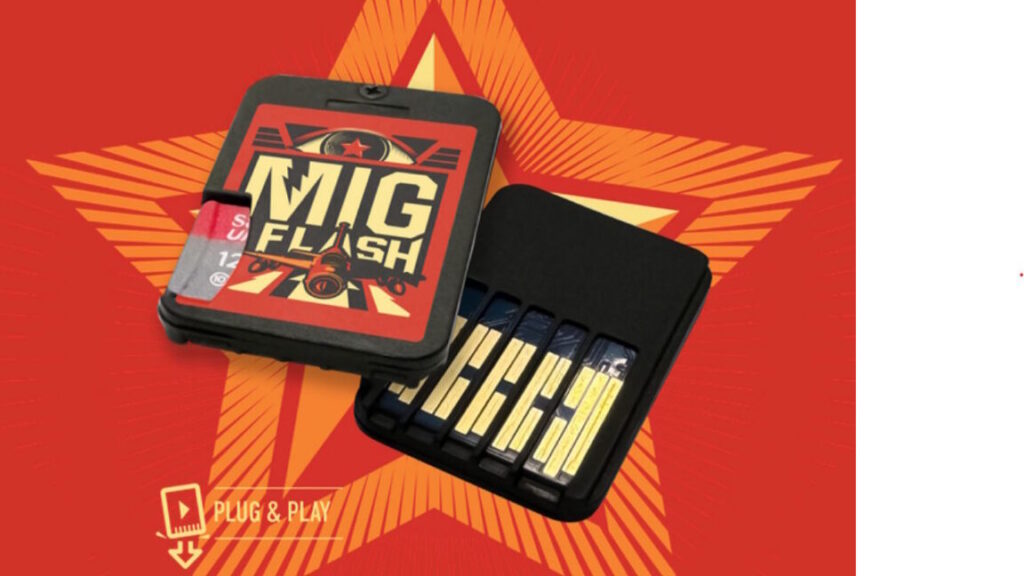
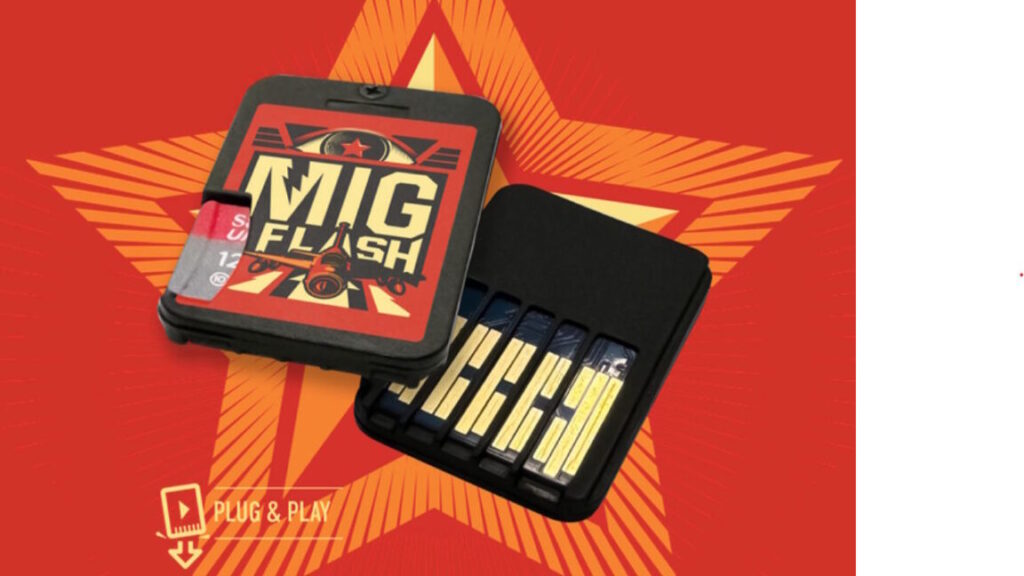
Earlier this week, the makers of the popular Mig Flash cartridge, which allows users to play Switch games loaded via an SD card without modifying the console itself, issued a firmware update enabling the cards to run original Switch games on the Switch 2. Since then, though, multiple Mig Flash users are reporting that they’ve seen their Switch 2 consoles banned from Nintendo’s online servers, even in cases where the devices were only used to run backups of legitimate games the users purchased themselves.
“My Switch 2 test has been banned after using the Mig [Flash] with perfectly legal dumps of my own cartridges, so it would seem that Nintendo can detect something,” popular hacking news account Switch Tools posted on social media Monday (along with a follow-up showing a stack of legitimate Switch games they said they had backed up using the device). “I strongly recommend that you do not use the Mig [Flash], it was already very risky to use but it is even more so on Switch 2.”
My Switch 2 test has been banned, after using the mig switch with perfectly legal dumps of my own cartridges, so it would seem that Nintendo can detect something Similar reports on reddit are starting to come in.https://t.co/nbPMlRWSaPhttps://t.co/3eq6dkbFMi I strongly… pic.twitter.com/btzjQYJzE4
The insistence that the ban came while using “perfectly legal dumps of my own cartridges” is important here. Nintendo has long used certificates with robust cryptographic signatures to identify when individual copies of Switch games are being shared for the purposes of piracy. If Nintendo notices the same cryptographic signature on security certificates being used by hundreds of different consoles and accounts, for instance, the company can be relatively sure that all those users are engaging in piracy.
But the Mig Flash can also be used for backup and play of an individual’s legal Switch game purchases on a personal console, which shouldn’t lead to any such signature conflicts. On the Mig Flash website, the developers of the device say they “only support and guarantee your gaming with your own games backups. This applies to online, too. If you want to play online with the full Mig Flash warranty, you need to use your own dumped backups… Failure to respect this rule might end up in bans from Nintendo online service, which we won’t be held responsible for.”
Link’s Awakening, Switch 1, docked. Andrew Cunningham
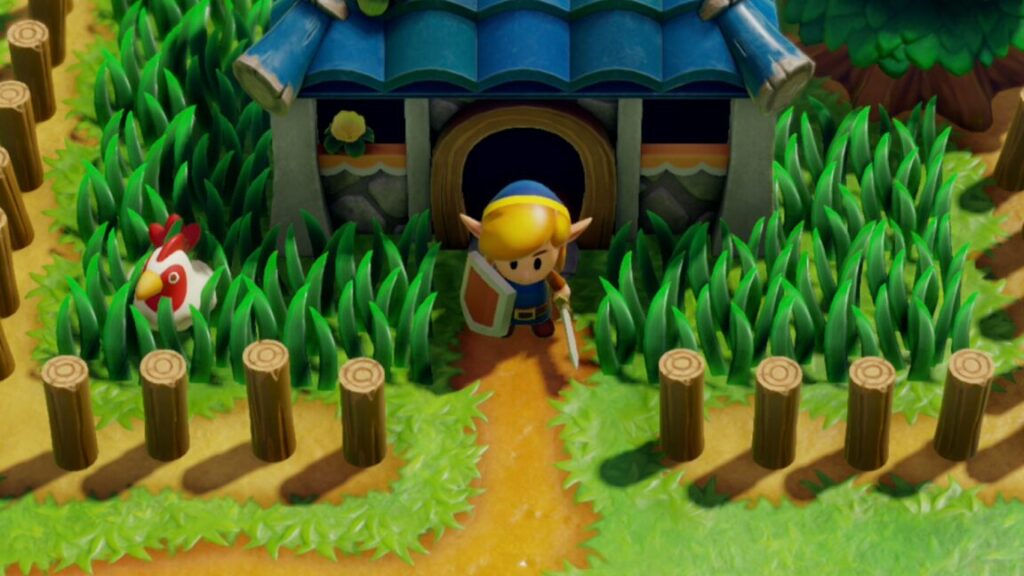
It’s pretty much the same story for Link’s Awakening. Fine detail is much more visible, and the 3D is less aliased-looking because the Switch 2 is running the game at a higher resolution. Even the fairly aggressive background blur the game uses looks toned down on the Switch 2.
Link’s Awakening on the Switch 1, docked.
Link’s Awakening on the Switch 2, docked.
The videos of these games aren’t quite as obviously impressive as the Pokémon ones, but they give you a sense of the higher resolution on the Switch 2 and the way that the Switch’s small endemic frame rate hiccups are no longer a problem.
Quiet updates
For the last two categories of games, we won’t be waxing as poetic about the graphical improvements because there aren’t many. In fact, some of these games we played looked ever-so-subtly worse on the Switch 2 in handheld mode, likely a side effect of a 720p handheld-mode image being upscaled to the Switch 2’s 1080p native resolution.
That said, we still noticed minor graphical improvements. In Kirby Star Allies, for example, the 3D elements in the picture looked mostly the same, with roughly the same resolution, same textures, and similar overall frame rates. But 2D elements of the UI did still seem to be aware that the console is outputting a 4K image and are visibly sharper as a result.
Games without updates
If you were hoping that all games would get some kind of “free” resolution or frame rate boost from the Switch 2, that mostly doesn’t happen. Games like Kirby’s Return to Dream Land Deluxe and Pokémon Legends Arceus, neither of which got any kind of Switch 2-specific update, look mostly identical on both consoles. If you get right up close and do some pixel peeping, you can occasionally see places where outputting a 4K image instead of a 1080p image will look better on a 4K TV, but it’s nothing like what we saw in the other games we tested.
Pokémon Legends Arceus, Switch 1, docked.
Pokémon Legends Arceus, Switch 2, docked.
However, it does seem that the Switch 2 may help out somewhat in terms of performance consistency. Observe the footage of a character running around town in Pokémon Legends—the resolution, draw distance, and overall frame rate all look pretty much the same. But the minor frame rate dips and hitches you see on the Switch 1 seem to have been at least partially addressed on the Switch 2. Your mileage will vary, of course. But you may encounter cases where a game targeting a stable 30 fps on the Switch 1 will hit that 30 fps with a bit more consistency on the Switch 2.
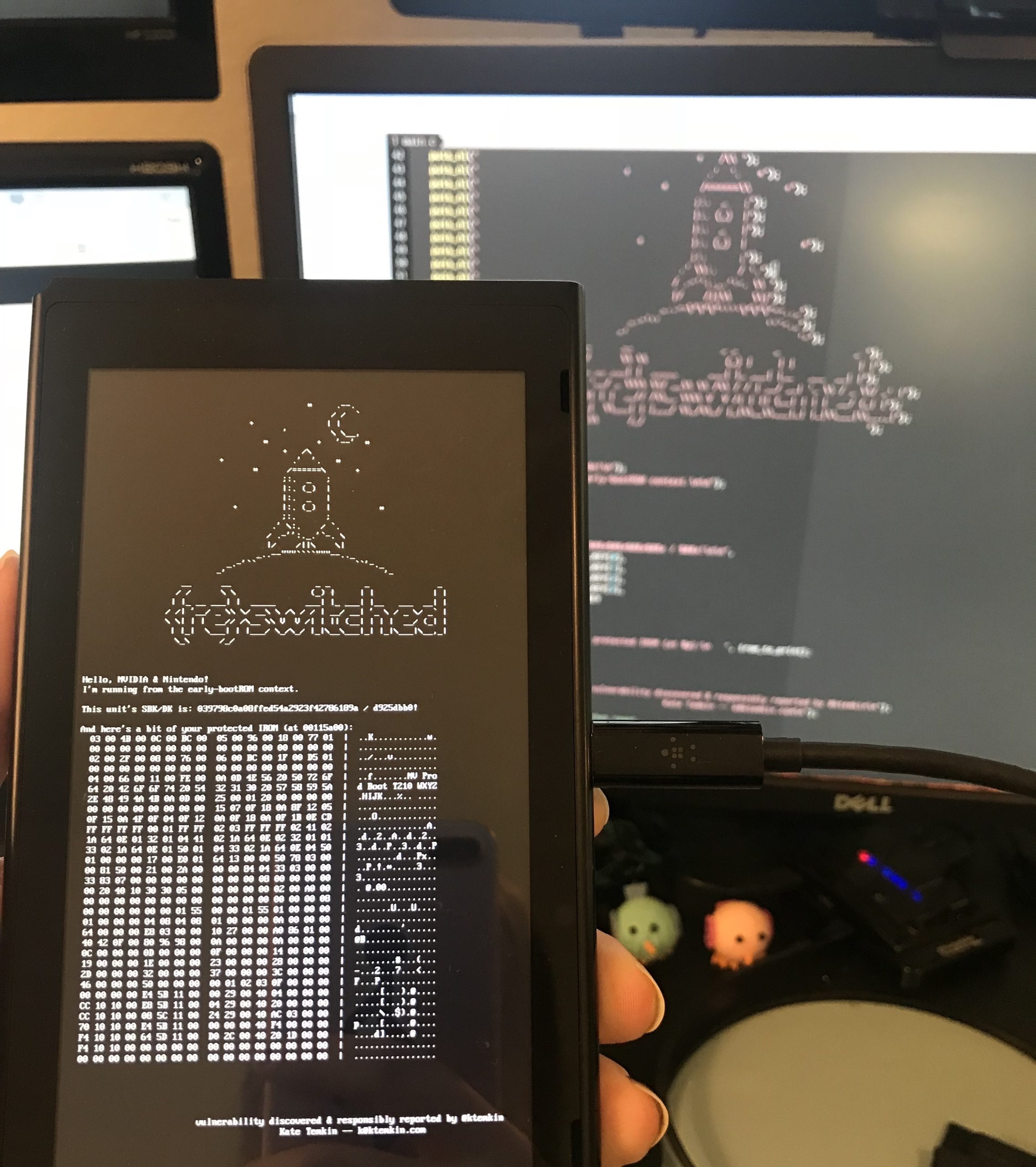
Consoles like these may get banned from Nintendo’s online services, but they tend to still work offline.
Consoles like these may get banned from Nintendo’s online services, but they tend to still work offline. Credit: Kate Temkin / ReSwitched
“Unfortunately, ‘bricking’ personal devices to limit users’ rights and control their behavior is nothing new,” Electronic Frontier Foundation attorney Victoria Noble told Ars Technica. “It would likely take selective enforcement to rise to a problematic level [in court],” attorney Richard Hoeg said.
Last year, a collection of 17 consumer groups urged the Federal Trade Commission to take a look at the way companies use the so-called practice of “software tethering” to control a device’s hardware features after purchase. Thus far, though, the federal consumer watchdog has shown little interest in enforcing complaints against companies that do so.
“Companies should not use EULAs to strip people of rights that we normally associate with ownership, like the right to tinker with or modify their own personal devices,” Noble told Ars. “[Console] owners deserve the right to make otherwise legal modifications to their own devices without fear that a company will punish them by remotely bricking their [systems].”
The court of public opinion
In the end, these kinds of draconian bricking clauses may be doing their job even if the console makers involved don’t invoke them. “In practice, I expect this kind of thing is more about scaring people away from jailbreaking and modifying their systems and that Nintendo is unlikely to go about bricking large volumes of devices, even if they technically have the right to,” Loiterman said.
“Just because they put a remedy in the EULA doesn’t mean they will certainly use it either,” attorney Mark Methenitis said. “My suspicion is this is to go after the people who eventually succeeded in jailbreaking the original Switch and try to prevent that for the Switch 2.”
The threat of public backlash could also hold the console makers back from limiting the offline functionality of any hacked consoles. After citing public scrutiny that companies like Tesla, Keurig, and John Deere faced for limiting hardware via software updates, Methenitis said that he “would imagine Nintendo would suffer similar bad publicity if they push things too far.”
That said, legal capacities can sometimes tend to invite their own use. “If the ability is there, someone will want to ‘see how it goes.'” Hoeg said.
When Nintendo took the wraps off the Switch 2 in early April, it announced that around a dozen first-party Switch games would be getting free updates that would add some Switch 2-specific benefits to older games running on the new console. We could safely assume that these updates wouldn’t be as extensive as the $10 and $20 paid upgrade packs for games like Breath of the Wild or Kirby and the Forgotten Land, but Nintendo’s page didn’t initially provide any game-specific details.
Earlier this week, Nintendo updated its support page with more game-by-game details about what players of these older games can expect on the new hardware. The baseline improvement for most games is “improved image quality” and optimizations for the Switch 2’s built-in display, but others include support for GameShare multiplayer, support for the new Joy-Cons’ mouse controls, support for HDR TVs, and other tweaks.
The most significant of the announced updates are frame rate improvements for Pokémon Scarlet and Violet, the main-series Pokémon games released in late 2022. Most latter-day Switch games suffered from frame rate dips here and there, as newer games outstripped the capabilities of a low-power tablet processor that had already been a couple of years old when the Switch launched in 2017. But the Pokémon performance problems were so pervasive and widely commented-upon that Nintendo released a rare apology promising to improve the game post-release. Subsequent patches helped somewhat but could never deliver a consistently smooth frame rate; perhaps new hardware will finally deliver what software patches couldn’t.
US preorders for the Nintendo Switch 2 console went live at Best Buy, Target, and Walmart at midnight Eastern time last night (though the rush of orders caused problems and delays across all three retailers’ websites). The console listings came with a wave of other retail listings for games and accessories, and those listings either fill small gaps in our knowledge about Switch 2 game packaging and pricing or confirm facts that were previously implied.
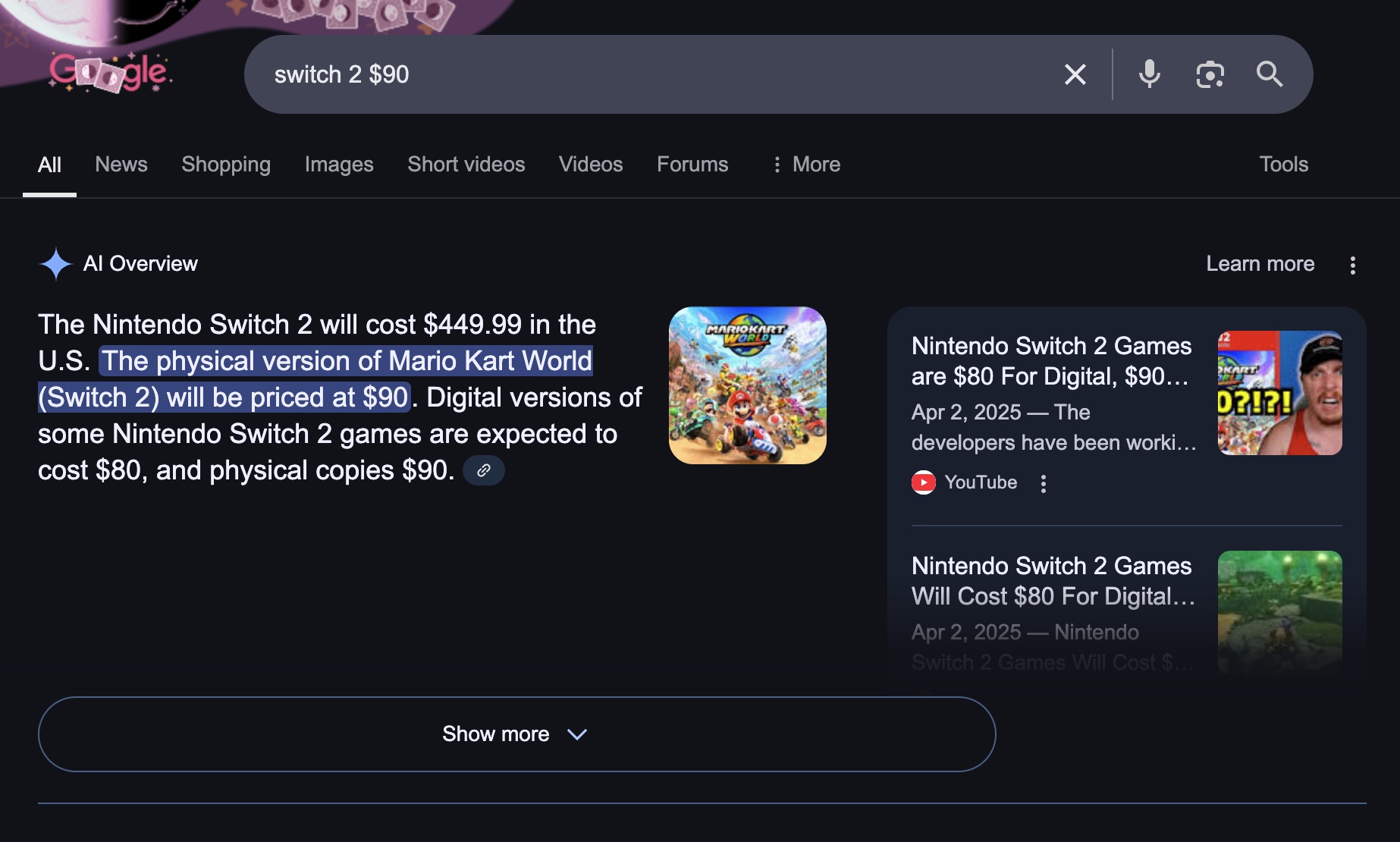
First, $80 Switch 2 games like Mario Kart World will not cost $90 as physical releases. This is worth repeating over and over again because of how pernicious the rumors about $90 physical releases have been; as recently as this morning, typing “Switch 2 $90” into Google would show you videos, Reddit threads, news posts, and even Google’s own AI summaries all confidently and incorrectly proclaiming that physical Switch 2 releases will cost $90 when they actually won’t.
Google’s AI-generated search summary about $90 Switch 2 games as of this morning. Credit: Andrew Cunningham
While physical game releases in the EU sometimes cost more than their digital counterparts, there was actually no indication that US releases of physical games would cost $90. The Mario Kart World website listed an $80 MSRP from the start, as did early retail listings that were published before preorders actually began, and this price didn’t change when Nintendo increased accessory pricing in response to import tariffs imposed by the Trump administration.
But now that actual order confirmation emails are going out, we can (even more) confidently say that Switch 2 physical releases cost the same amount as digital releases, just like original Switch games and most physical releases for other consoles. For example, the physical release for the upcoming Donkey Kong Bananza is $70, also the same as the digital version.
Third-party releases run a wider pricing gamut, from as little as $40 (Square Enix’s Bravely Default remaster) to as much as $100 (a special edition release of Daemon X Machina: Titanic Scion, also available at $70 for the standard release).
Lots of third-party games are getting Game-Key card releases
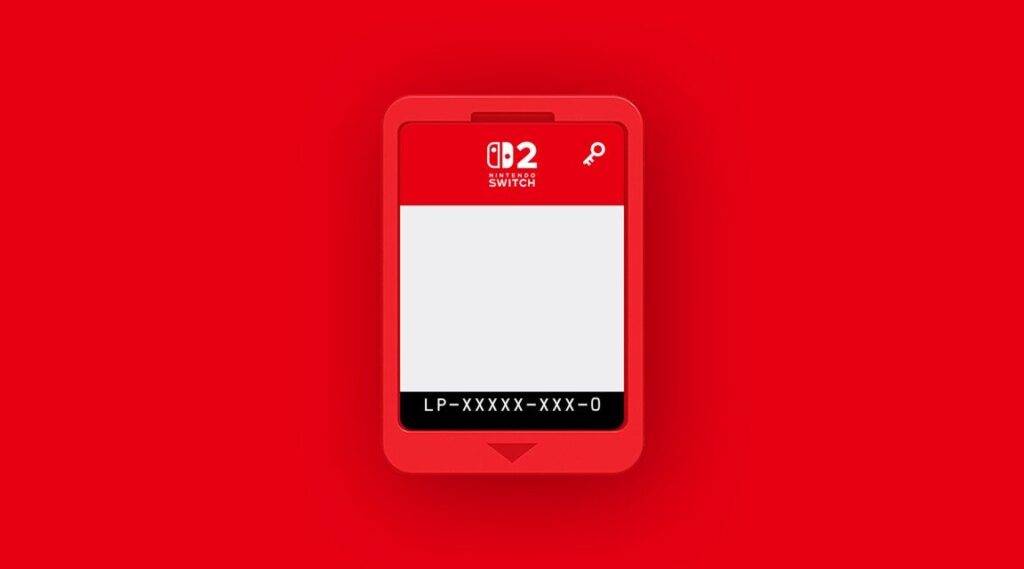
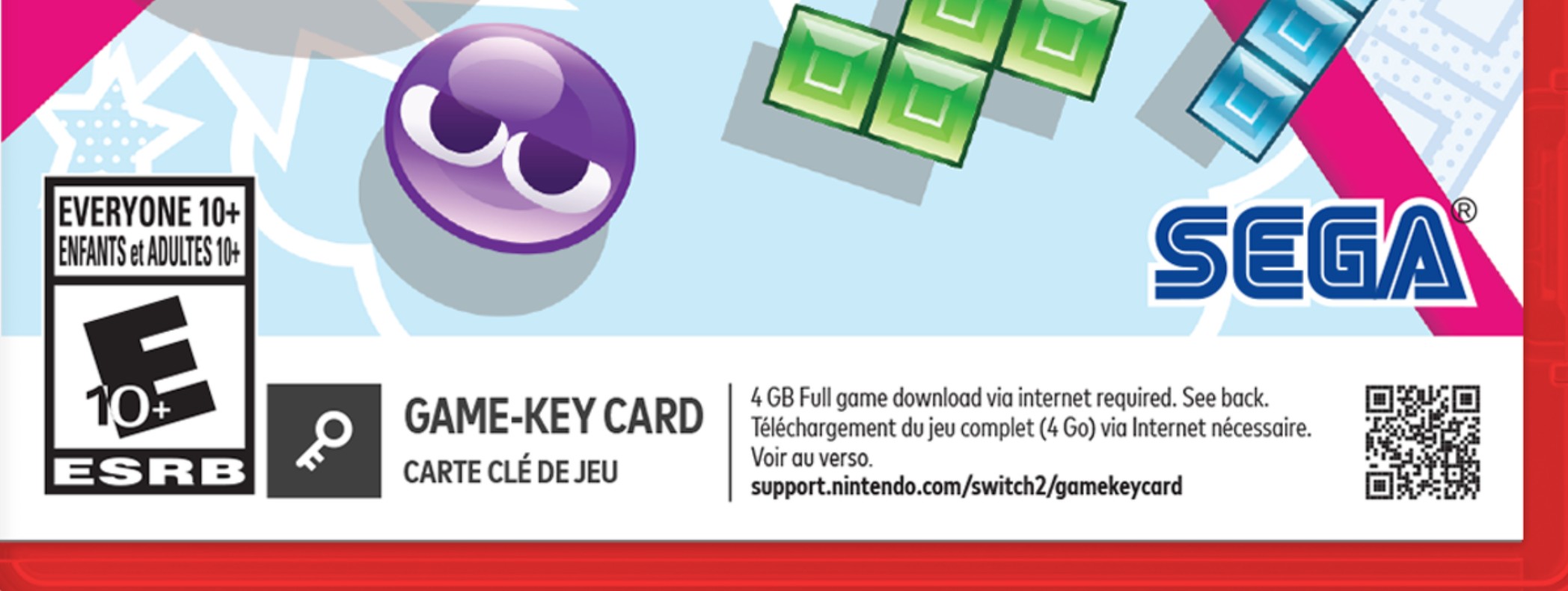
A Game-Key card disclaimer. It tells you you’ll need to download the game and approximately how large that download will be. Credit: Nintendo/Sega
When preorders opened in Japan yesterday, all physical releases of third-party games had Nintendo’s Game-Key card disclaimer printed on them. And it looks like a whole lot of physical third-party Switch 2 game releases in the US will also be Game-Key cards, based on the box art accompanying the listings.
These have been controversial among physical media holdouts because they’re not physical game releases in the traditional sense—they don’t have any actual game data stored on them. When you insert them into a Switch 2, they allow you to download the game content from Nintendo’s online store, but unlike a pure digital release, you’ll still need to have the Game-Key card inserted every time you want to play the game.
In the wake of the Switch 2 reveal, neither Nintendo nor Nvidia has gone into any detail at all about the exact chip inside the upcoming handheld—technically, we are still not sure what Arm CPU architecture or what GPU architecture it uses, how much RAM we can expect it to have, how fast that memory will be, or exactly how many graphics cores we’re looking at.
But interviews with Nintendo executives and a blog post from Nvidia did at least confirm several of the new chip’s capabilities. The “custom Nvidia processor” has a GPU “with dedicated [Ray-Tracing] Cores and Tensor Cores for stunning visuals and AI-driven enhancements,” writes Nvidia Software Engineering VP Muni Anda.
This means that, as rumored, the Switch 2 will support Nvidia’s Deep Learning Super Sampling (DLSS) upscaling technology, which helps to upscale a lower-resolution image into a higher-resolution image with less of a performance impact than native rendering and less loss of quality than traditional upscaling methods. For the Switch games that can render at 4K or at 120 FPS 1080p, DLSS will likely be responsible for making it possible.
The other major Nvidia technology supported by the new Switch is G-Sync, which prevents screen tearing when games are running at variable frame rates. Nvidia notes that G-Sync is only supported in handheld mode and not in docked mode, which could be a limitation of the Switch dock’s HDMI port.
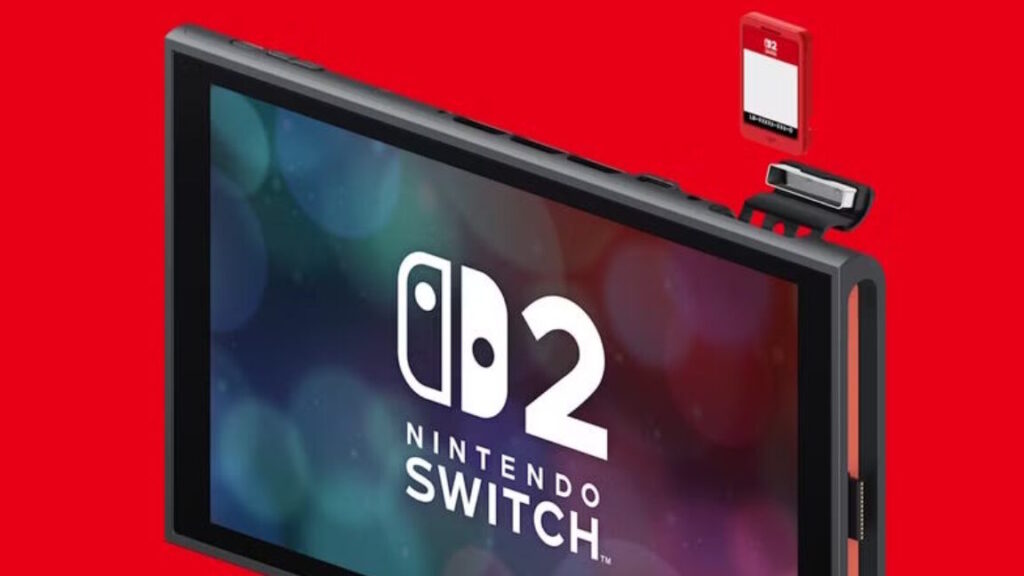
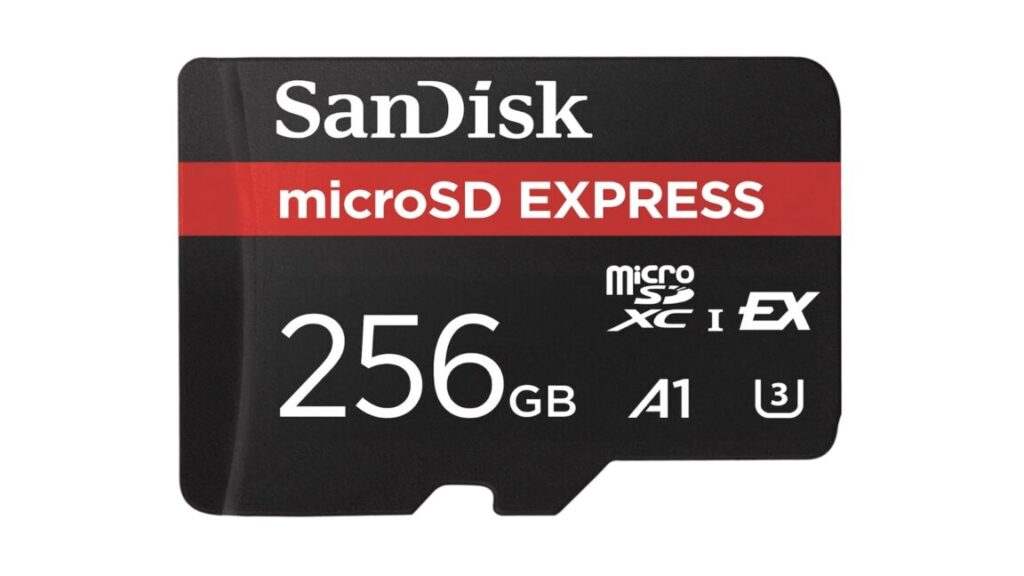
Among the changes mentioned in yesterday’s Nintendo Switch 2 presentation was a note that the new console doesn’t just support MicroSD Express cards for augmenting the device’s 256GB of internal storage, but it requires MicroSD Express. Whatever plentiful, cheap microSD card you’re using in your current Switch, including Sandisk’s Nintendo-branded ones, can’t migrate over to your Switch 2 alongside all your Switch 1 games.
MicroSD Express, explained
Why is regular-old MicroSD no longer good enough? It all comes down to speed.
Most run-of-the-mill SD and microSD cards you can buy today are using some version of the Ultra High Speed (UHS) standard. Designed to augment the default speed (12.5MB/s) and high speed (25MB/s) from the earliest versions of the SD card standard, the three UHS versions enable data transfers of up to 624MB/s.
But most commodity microSD cards, including pricier models like Samsung’s Pro Ultimate series, use UHS-I, which has a maximum data transfer speed of 104MB/s. The original Switch uses a UHS-I microSD card slot for storage expansion.
Why have newer and faster versions of the standard—UHS-II, UHS-III, and SD Express—failed to achieve critical mass? Because for most consumer applications, it turns out that 100-ish megabytes per second is plenty. The SD Association itself says that 90MB per second is good enough to record an 8K video stream at up to 120 frames per second. Recording pictures and video is the most demanding thing most SD cards are called upon to do—give or take a Raspberry Pi-based computer—and you don’t need to overspend to get extra speed you’re not going to use.