Sony

why-final-fantasy-is-now-targeting-pc-as-its-“lead-platform”

Why Final Fantasy is now targeting PC as its “lead platform”

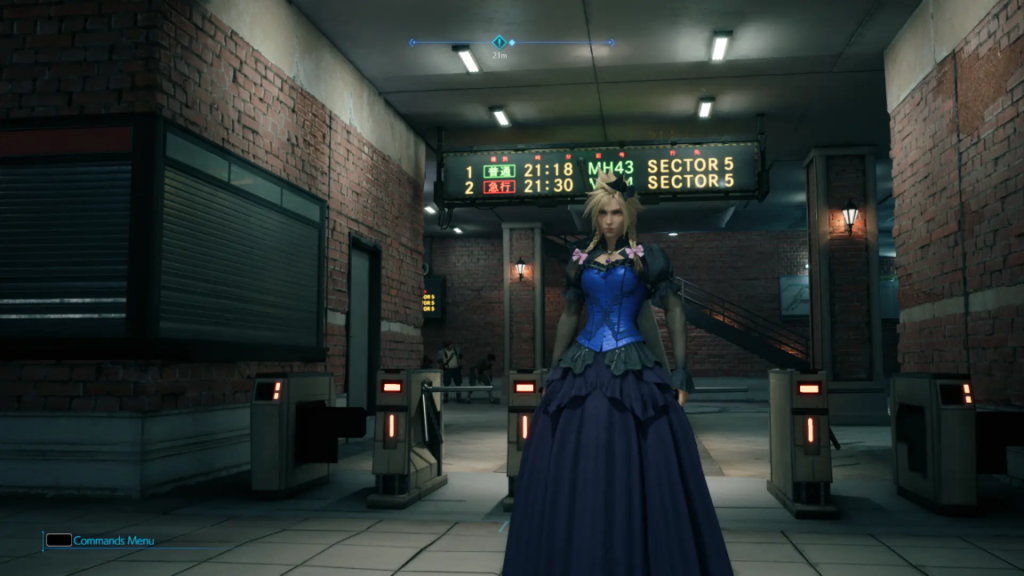
For a long time now, PC gamers have been used to the Final Fantasy series treating their platform as somewhat secondary to the game’s core console versions. There are some signs that may be starting to change, though, as director Naoki Hamaguchi has confirmed that the PC is now the “lead platform” for development of the Final Fantasy VII Remake trilogy.

In a recent interview with Automaton, Hamaguchi clarified that the team takes the relatively common practice of creating visual assets for its multiplatform games by targeting “high-end environments first,” then performing a “reduction” for less powerful platforms. These days, that means “our 3D assets are created at the highest quality level based on PC as the foundation,” he said. Players have already noticed this graphical difference in the PC version of Final Fantasy VII Rebirth, Hamaguchi said, and “our philosophy will not change for the third installment.”

While PC gaming is only “gradually expanding in Japan,” Hamaguchi said the rapid growth in international PC gamers has led the company to “develop assets with the broad PC market in mind.”

The PC versions of recent Final Fantasy VII Remake games have sold well on Steam and the Epic Games Store, he added.

It’s unclear if that means PC gamers will have to wait longer than console owners for future Final Fantasy games. The first Final Fantasy VII Remake didn’t hit PCs until 19 months after the PlayStation 4 version, and Rebirth was first available on PC 11 months after its PS5 launch. Elsewhere in the franchise, the PC versions of both Final Fantasy XVI and Final Fantasy XV didn’t hit until over a year after their console counterparts.

Why Final Fantasy is now targeting PC as its “lead platform” Read More »

why-$700-could-be-a-“death-sentence”-for-the-steam-machine

Why $700 could be a “death sentence” for the Steam Machine

Bad news for Valve in particular?

On the surface, it might seem like every company making gaming hardware would be similarly affected by increasing component costs. In practice, though, analysts suggested that Valve might be in a uniquely bad position to absorb this ongoing market disruption.

Large console makers like Sony and Microsoft “can commit to tens of millions of orders, and have strong negotiating power,” Niko Partners analyst Daniel Ahmad pointed out. The Steam Machine, on the other hand, is “a niche product that cannot benefit in the same way when it comes to procurement,” meaning Valve has to shoulder higher component cost increases.

F-Squared’s Futter echoed that Valve is “not an enormous player in the hardware space, even with the Steam Deck’s success. So they likely don’t have the same kind of priority as a Nintendo, Sony, or Microsoft when it comes to suppliers.”

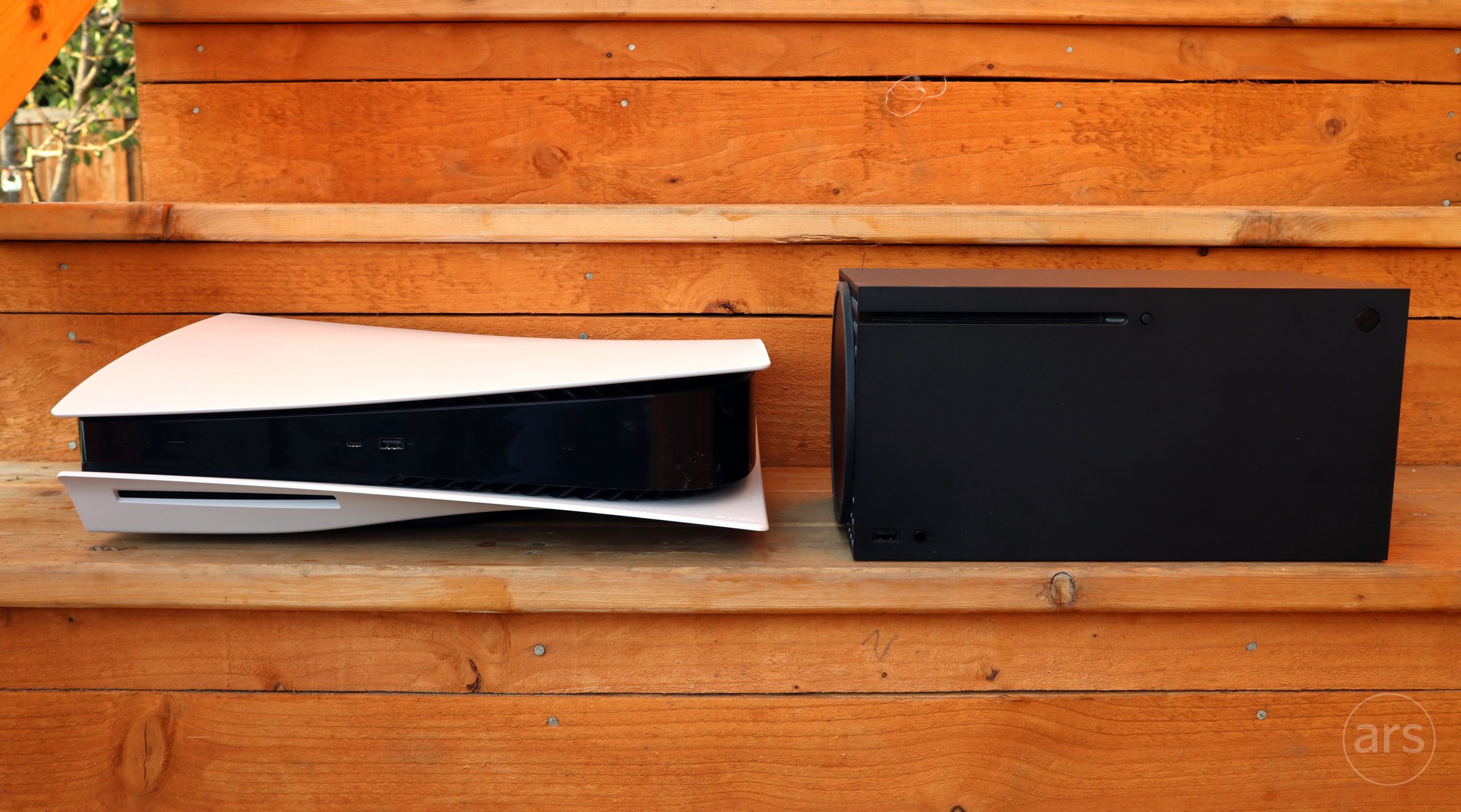
PlayStation 5 in horizontal orientation, compared to Xbox Series X in horizontal orientation

Sony and Microsoft might have an advantage when negotiating volume discounts with suppliers.

Credit: Sam Machkovech

Sony and Microsoft might have an advantage when negotiating volume discounts with suppliers. Credit: Sam Machkovech

The size of the Steam Machine price adjustment also might depend on when Valve made its supply chain commitments. “It’s not clear when or if Valve locked in supply contracts for the Steam Machine, or if supply can be diverted from the Steam Deck for the new product,” Tech Insights analyst James Sanders noted. On the other hand, “Sony and Microsoft likely will have locked in more favorable component pricing before the current spike,” Van Dreunen said.

That said, some other aspects of the Steam Machine design could give Valve some greater pricing flexibility. Sanders noted that the Steam Machine’s smaller physical size could mean smaller packaging and reduced shipping costs for Valve. And selling the system primarily through direct sales via the web and Steam itself eliminates the usual retailer markups console makers have to take into account, he added.

“I think Valve was hoping for a much lower price and that the component issue would be short-term,” Cole said. “Obviously it is looking more like a long-term issue.”

Why $700 could be a “death sentence” for the Steam Machine Read More »

nintendo-switch-is-the-second-bestselling-game-console-ever,-behind-only-the-ps2

Nintendo Switch is the second-bestselling game console ever, behind only the PS2

Although it was finally replaced last year by the new Switch 2, the orginal switch isn’t done just yet. Many recent Switch games (and a handful of major updates, like the one for Animal Crossing) have been released in both Switch and Switch 2 editions, and Nintendo continues to sell all editions of the original console as entry-level systems for those who can’t pay $450 for a Switch 2.

The 9-year-old Switch’s continued availability has helped it clear a milestone, according to the company’s third-quarter financial results (PDF). As of December 31, 2025, Nintendo says the Switch “has reached the highest sales volume of any Nintendo hardware” with a total of 155.37 million units sold, surpassing the original DS’s lifetime total of 154.02 million units. The console has sold 3.25 million units in Nintendo’s fiscal 2026 so far, including 1.36 million units over the holidays. Those consoles have sold despite price hikes that Nintendo introduced in August of 2025, citing “market conditions.”

That makes the Switch the second-bestselling game console of all time, just three years after it became the third-bestselling game console of all time. The only frontier left for the Switch to conquer is Sony’s PlayStation 2, which Sony says sold “over 160 million units” over its long life. At its current sales rate (Nintendo predicts it will sell roughly 750,000 Switches in the next quarter), it would take the Switch another couple of years to cross that line, but those numbers are likely to taper off as we get deeper into the Switch 2 era.

Nintendo Switch is the second-bestselling game console ever, behind only the PS2 Read More »

streaming-service-crunchyroll-raises-prices-weeks-after-killing-its-free-tier

Streaming service Crunchyroll raises prices weeks after killing its free tier

Crunchyroll is one of the most popular streaming platforms for anime viewers. Over the past six years, the service has raised prices for fans, and today, it announced that it’s increasing monthly subscription prices by up to 20 percent.

Sony bought Crunchyroll from AT&T in 2020. At the time, Crunchyroll had 3 million paid subscribers and an additional 197 million users with free accounts, which let people watch a limited number of titles with commercials. At the time, Crunchyroll monthly subscription tiers cost $8, $10, or $15.

After its acquisition by Sony, like many large technology companies that buy a smaller, beloved product, the company made controversial changes. The Tokyo-based company folded rival Funimation into Crunchyroll; Sony shut down Funimation, which it bought in 2017, in April 2024.

In the process, Sony erased people’s digital Funimation libraries that Funimation originally marketed as being available “forever, but there are some restrictions.” Sony also reduced the number of free titles on Crunchyroll in 2022 before eliminating the free option completely on December 31, 2025.

Crunchyroll gets more expensive

Today, Crunchyroll raised prices for its remaining tiers. The cheapest plan, Fan, went from $8 per month to $10 per month. The Mega tier, which allows for streaming from up to four devices simultaneously, went from $12 to $14. The Ultra tier, which supports simultaneous streaming across six devices and includes access to the Crunchyroll Manga app, increased from $16 to $18.

Current subscribers will see the changes after March 4. Crunchyroll is charging new customers the higher prices immediately.

Crunchyroll last increased prices in May 2024, when its Mega tier went from $10 to $12 and its Ultimate tier from $15 to $16. The Fan tier’s last price hike was in 2019.

Crunchyroll said that the higher prices would “give fans more of what they love.” Today’s announcement pointed to “recent and upcoming” changes: teen profiles and PIN protection; multiple profiles; the ability to skip intro theme songs and ending credits; and “expanded device compatibility.”

Streaming service Crunchyroll raises prices weeks after killing its free tier Read More »

sony-is-giving-tcl-control-over-its-high-end-bravia-tvs

Sony is giving TCL control over its high-end Bravia TVs

TCL is taking majority ownership of Sony’s Bravia series of TVs, the two companies announced today.

The two firms said they have signed a memorandum of understanding and aim to sign binding agreements by the end of March. Pending “relevant regulatory approvals and other conditions,” the joint venture is expected to launch in April 2027.

Under a new joint venture, Huizhou, China-headquartered TCL will own 51 percent of Tokyo, Japan-headquartered Sony’s “home entertainment business,” and Sony will own 49 percent, per an announcement today, adding:

The joint venture will operate globally, handling the full process from product development and design to manufacturing, sales, logistics, and customer service for products including televisions and home audio equipment.

The joint venture will continue to release TVs and home audio gadgets under the “Sony Bravia” branding; however, the TVs will rely on TCL display technology. The joint announcement suggested focuses on bigger TVs, higher-resolution displays, and “smart features.”

The news comes as the TV industry has struggled with decreasing margins and has become more competitive. Meanwhile, devices have become cheaper, and people are buying new TVs less frequently. Competition between Chinese companies, like TCL and Hisense, and South Korean firms, like LG and Samsung, has heated up, with Chinese companies making increasingly competitive budget and mid-range-priced TVs, and the South Korean government reportedly pushing local TV firms to work together. Numerous Japanese companies, including Toshiba and Sharp, have already exited or reduced their TV businesses.

The upcoming joint venture also comes as Sony has focused less on electronics in recent years. For example, it stopped making its Vaio PCs in 2014 and quit Blu-rays last year. Meanwhile, it has been focusing on intellectual property, like anime and movies, as Bloomberg noted. The joint venture should allow Sony to focus on its more lucrative businesses and allow TCL to gain an advantage by leveraging Sony’s more high-end Bravia devices and brand.

Sony is giving TCL control over its high-end Bravia TVs Read More »

texas-sues-biggest-tv-makers,-alleging-smart-tvs-spy-on-users-without-consent

Texas sues biggest TV makers, alleging smart TVs spy on users without consent


Automated Content Recognition brings “mass surveillance” to homes, lawsuits say.

Credit: Getty Images | Maskot

Texas Attorney General Ken Paxton sued five large TV manufacturers yesterday, alleging that their smart TVs spy on viewers without consent. Paxton sued Samsung, the longtime TV market share leader, along with LG, Sony, Hisense, and TCL.

“These companies have been unlawfully collecting personal data through Automated Content Recognition (‘ACR’) technology,” Paxton’s office alleged in a press release that contains links to all five lawsuits. “ACR in its simplest terms is an uninvited, invisible digital invader. This software can capture screenshots of a user’s television display every 500 milliseconds, monitor viewing activity in real time, and transmit that information back to the company without the user’s knowledge or consent. The companies then sell that consumer information to target ads across platforms for a profit. This technology puts users’ privacy and sensitive information, such as passwords, bank information, and other personal information at risk.”

The lawsuits allege violations of the Texas Deceptive Trade Practices Act, seeking damages of up to $10,000 for each violation and up to $250,000 for each violation affecting people 65 years or older. Texas also wants restraining orders prohibiting the collection, sharing, and selling of ACR data while the lawsuits are pending.

Texas argues that providing personalized content and targeted advertising are not legitimate purposes for collecting ACR data about consumers. The companies’ “insatiable appetite for consumer data far exceeds what is reasonably necessary,” and the “invasive data harvesting is only needed to increase advertisement revenue, which does not satisfy a consumer-necessity standard,” the lawsuits say.

Paxton is far from the first person to raise privacy concerns about smart TVs. The Center for Digital Democracy advocacy group said in a report last year that in “the world of connected TV, viewer surveillance is now built directly into the television set, making manufacturers central players in data collection, monitoring, and digital marketing.” We recently published a guide on how to break free from smart TV ads and tracking.

“Companies using ACR claim that it is all opt-in data, with permission required to use it,” the Center for Digital Democracy report said. “But the ACR system is bundled into new TVs as part of the initial set-up, and its extensive role in monitoring and sharing viewer actions is not fully explained. As a consequence, most consumers would be unaware of the threats and risks involved in signing up for the service.”

“Mass surveillance system” in US living rooms

Pointing out that Hisense and TCL are based in China, Paxton’s press release said the firms’ “Chinese ties pose serious concerns about consumer data harvesting and are exacerbated by China’s National Security Law, which gives its government the capability to get its hands on US consumer data.”

“Companies, especially those connected to the Chinese Communist Party, have no business illegally recording Americans’ devices inside their own homes,” Paxton said. “This conduct is invasive, deceptive, and unlawful. The fundamental right to privacy will be protected in Texas because owning a television does not mean surrendering your personal information to Big Tech or foreign adversaries.”

The Paxton lawsuits, filed in district courts in several Texas counties, are identical in many respects. The complaints allege that TVs made by the five companies “aren’t just entertainment devices—they’re a mass surveillance system sitting in millions of American living rooms. What consumers were told would enhance their viewing experience actually tracks, analyzes, and sells intimate details about everything they watch.”

Using ACR, each company “secretly monitors what consumers watch across streaming apps, cable, and even connected devices like gaming consoles or Blu-ray players,” and harvests the data to build profiles of consumer behavior and sell the data for profit, the complaints say.

We contacted the five companies sued by Texas today. Sony, LG, and Hisense responded and said they would not comment on a pending legal matter.

Difficult opt-out processes detailed

The complaints allege that the companies fail to obtain meaningful consent from users. The following excerpt is from the Samsung lawsuit but is repeated almost verbatim in the others:

Consumers never agreed to Samsung Watchware. When families buy a television, they don’t expect it to spy on them. They don’t expect their viewing habits packaged and auctioned to advertisers. Yet Samsung deceptively guides consumers to activate ACR and buries any explanation of what that means in dense legal jargon that few will read or understand. The so-called “consent” Samsung obtains is meaningless. Disclosures are hidden, vague, and misleading. The company collects far more data than necessary to make the TV work. Consumers are stripped of real choice and kept in the dark about what’s happening in their own homes on Samsung Smart TVs.

Samsung and other companies force consumers to go through multistep menus to exercise their privacy choices, Texas said. “Consumers must circumnavigate a long, non-intuitive path to exercise their right to opt-out,” the Samsung lawsuit said. This involves selecting menu choices for Settings, Additional Settings, General Privacy, Terms & Privacy, Viewing Information Services, and, finally, “Disable,” the lawsuit said. There are “additional toggles for Interest-Based Ads, Ad Personalization, and Privacy Choices,” the lawsuit said.

The “privacy choices are not meaningful because opt-out rights are scattered across four or more separate menus which requires approximately 15+ clicks,” the lawsuit continued. “To fully opt-out of ACR and related ad tracking on Samsung Smart TVs, consumers must disable at least two settings: (1) Viewing Information Services, and (2) Interest-Based Ads. Each of which appear in different parts of the setting UI. Conversely, Samsung provides consumers with a one-click enrollment option to opt-in during the initial start-up process.”

When consumers first start up a Samsung smart TV, they “must click through a multipage onboarding flow before landing on a consent screen, titled Smart Hub Terms & Conditions,” the lawsuit said. “Upon finally reaching the consent screen, consumers are presented with four notices: Terms & Conditions: Dispute Resolution Agreement, Smart Hub U.S. Policy Notice, Viewing Information Services, and Interest-Based Advertisements Service U.S. Privacy Notice, with only one button prominently displayed: I Agree to all.”

Deceptive trade practices alleged

It would be unreasonable to expect consumers to understand that Samsung TVs come equipped with surveillance capabilities, the lawsuit said. “Most consumers do not know, nor have any reason to suspect, that Samsung Smart TVs are capturing in real-time the audio and visuals displayed on the screen and using the information to profile them for advertisers,” it said.

Paxton alleges that TV companies violated the state’s Deceptive Trade Practices Act with misrepresentations regarding the collection of personal information and failure to disclose the use of ACR technology. The lawsuit against Hisense additionally alleges a failure to disclose that it may provide the Chinese government with consumers’ personal data.

Hisense “fails to disclose to Texas Consumers that under Chinese law, Hisense is required to transfer its collections of Texas consumers’ personal data to the People’s Republic of China when requested by the PRC,” the lawsuit said.

The TCL lawsuit doesn’t include that specific charge. But both the Hisense and TCL complaints say the Chinese Communist Party may use ACR data from the companies’ smart TVs “to influence or compromise public figures in Texas, including judges, elected officials, and law enforcement, and for corporate espionage by surveilling those employed in critical infrastructure, as part of the CCP’s long-term plan to destabilize and undermine American democracy.”

The TVs “are effectively Chinese-sponsored surveillance devices, recording the viewing habits of Texans at every turn without their knowledge or consent,” the lawsuits said.

Photo of Jon Brodkin

Jon is a Senior IT Reporter for Ars Technica. He covers the telecom industry, Federal Communications Commission rulemakings, broadband consumer affairs, court cases, and government regulation of the tech industry.

Texas sues biggest TV makers, alleging smart TVs spy on users without consent Read More »

fans’-reverse-engineered-servers-for-sony’s-defunct-concord-might-be-in-trouble

Fans’ reverse-engineered servers for Sony’s defunct Concord might be in trouble

A group of dedicated coders has managed to partially revive online gameplay for the PC version of Concord, the team-based shooter that Sony famously shut down just two weeks after its launch last summer. Now, though, the team behind that fan server effort is closing off new access after Sony started issuing DMCA takedown requests of sample gameplay videos.

The Game Post was among the first to publicize the “Concord Delta” project, which reverse-engineered the game’s now-defunct server API to get a functional multiplayer match running over the weekend. “The project is still [a work in progress], it’s playable, but buggy,” developer Red posted in the game’s Discord channel, as reported by The Game Post. “Once our servers are fully set up, we’ll begin doing some private playtesting.”

Accessing the “Concord Delta” servers reportedly requires a legitimate PC copy of the game, which is relatively hard to come by these days. Concord only sold an estimated 25,000 copies across PC and PS5 before being shut down last year. And that number doesn’t account for the players who accepted a full refund for their $40 purchase after the official servers shut down.

Better safe than sorry

Red accompanied their Discord announcement of the first “playable” Concord match in months with two YouTube videos showing sample gameplay (“Don’t mind my horrible aim, I spend so much time reverse engineering that I no longer have the time to actually play the game,” he warned viewers). In short order, though, those videos were taken down “due to a copyright claim from MarkScan Enforcement,” a company that has a history of working with Sony on DMCA requests.

Fans’ reverse-engineered servers for Sony’s defunct Concord might be in trouble Read More »

amd-and-sony’s-ps6-chipset-aims-to-rethink-the-current-graphics-pipeline

AMD and Sony’s PS6 chipset aims to rethink the current graphics pipeline

It feels like it was just yesterday that Sony hardware architect Mark Cerny was first teasing Sony’s “PS4 successor” and its “enhanced ray-tracing capabilities” powered by new AMD chips. Now that we’re nearly five full years into the PS5 era, it’s time for Sony and AMD to start teasing the new chips that will power what Cerny calls “a future console in a few years’ time.”

In a quick nine-minute video posted Thursday, Cerny sat down with Jack Huynh, the senior VP and general manager of AMD’s Computing and Graphics Group, to talk about “Project Amethyst,” a co-engineering effort between both companies that was also teased back in July. And while that Project Amethyst hardware currently only exists in the form of a simulation, Cerny said that the “results are quite promising” for a project that’s still in the “early days.”

Mo’ ML, fewer problems?

Project Amethyst is focused on going beyond traditional rasterization techniques that don’t scale well when you try to “brute force that with raw power alone,” Huynh said in the video. Instead, the new architecture is focused on more efficient running of the kinds of machine-learning-based neural networks behind AMD’s FSR upscaling technology and Sony’s similar PSSR system.

From the same source. Two branches. One vision.

My good friend and fellow gamer @cerny and I recently reflected on our shared journey — symbolized by these two pieces of amethyst, split from the same stone.

Project Amethyst is a co-engineering effort between @PlayStation and… pic.twitter.com/De9HWV3Ub2

— Jack Huynh (@JackMHuynh) July 1, 2025

While that kind of upscaling currently helps let GPUs pump out 4K graphics in real time, Cerny said that the “nature of the GPU fights us here,” requiring calculations to be broken up into subproblems to be handled in a somewhat inefficient parallel process by the GPU’s individual compute units.

To get around this issue, Project Amethyst uses “neural arrays” that let compute units share data and process problems like a “single focused AI engine,” Cerny said. While the entire GPU won’t be connected in this manner, connecting small sets of compute units like this allows for more scalable shader engines that can “process a large chunk of the screen in one go,” Cerny said. That means Project Amethyst will let “more and more of what you see on screen… be touched or enhanced by ML,” Huynh added.

AMD and Sony’s PS6 chipset aims to rethink the current graphics pipeline Read More »

sony-makes-the-“difficult-decision”-to-raise-playstation-5-prices-in-the-us

Sony makes the “difficult decision” to raise PlayStation 5 prices in the US

Sony will join Microsoft and Nintendo in raising US prices across its entire game console lineup, the company announced today. Pricing for all current versions of the PlayStation 5 console will increase by $50 starting tomorrow.

The price of the PS5 Digital Edition will increase from $450 to $500; the standard PS5 will increase from $500 to $550; and the PS5 Pro will increase from $700 to $750. If you’ve been on the fence about buying any of these, retailers like Target and Best Buy are still using the old prices as of this writing—for other console price hikes, retailers have sometimes bumped the prices up before the date announced by the manufacturer.

“Similar to many global businesses, we continue to navigate a challenging economic environment,” wrote Sony Global Marketing VP Isabelle Tomatis. “As a result, we’ve made the difficult decision to increase the recommended retail price for PlayStation 5 consoles in the U.S. starting on August 21.”

Sony says it’s not increasing prices for games or accessories and that this round of price increases only affects consoles sold in the US.

Sony was the last of the big three console makers to raise prices this year. Microsoft raised the prices for the Xbox Series S and X consoles in March. And Nintendo has gone through two rounds of price increases—one for Switch and Switch 2 accessories in April and another for more accessories and Switch 1 consoles earlier this month.

Sony makes the “difficult decision” to raise PlayStation 5 prices in the US Read More »

engineer-creates-first-custom-motherboard-for-1990s-playstation-console

Engineer creates first custom motherboard for 1990s PlayStation console

The nsOne project joins a growing community of homebrew PlayStation 1 hardware developments. Other recent projects include Picostation, a Raspberry Pi Pico-based optical disc emulator (ODE) that allows PlayStation 1 consoles to load games from SD cards instead of physical discs. Other ODEs like MODE and PSIO have also become popular solutions for retrogaming collectors who play games on original hardware as optical drives age and fail.

From repair job to reverse-engineering project

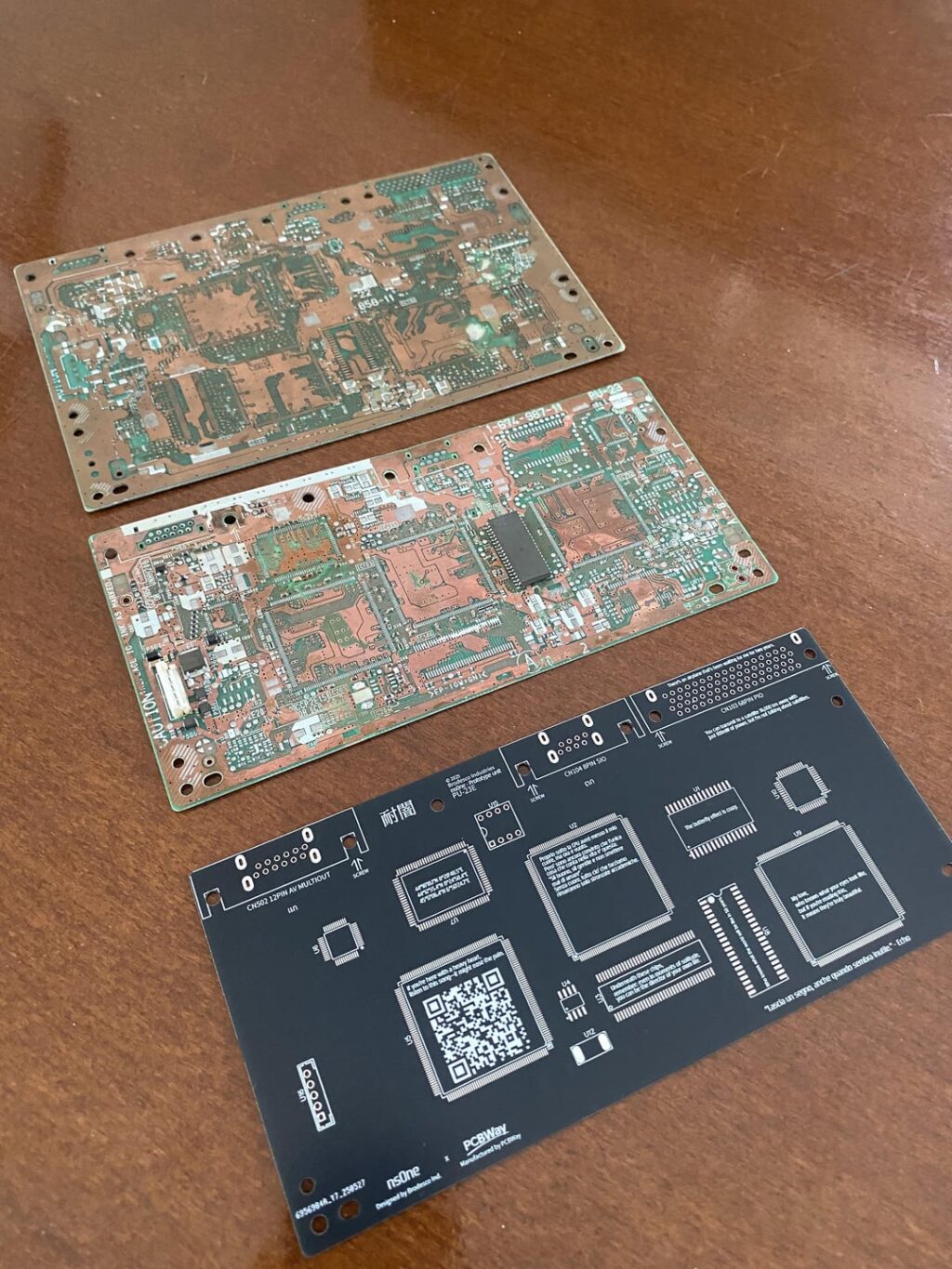
To understand the classic console’s physical architecture, Brodesco physically sanded down an original motherboard to expose its internal layers, then cross-referenced the exposed traces with component datasheets and service manuals.

“I realized that detailed documentation on the original motherboard was either incomplete or entirely unavailable,” Brodesco explained in his Kickstarter campaign. This discovery launched what would become a comprehensive documentation effort, including tracing every connection on the board and creating multi-layer graphic representations of the circuitry.

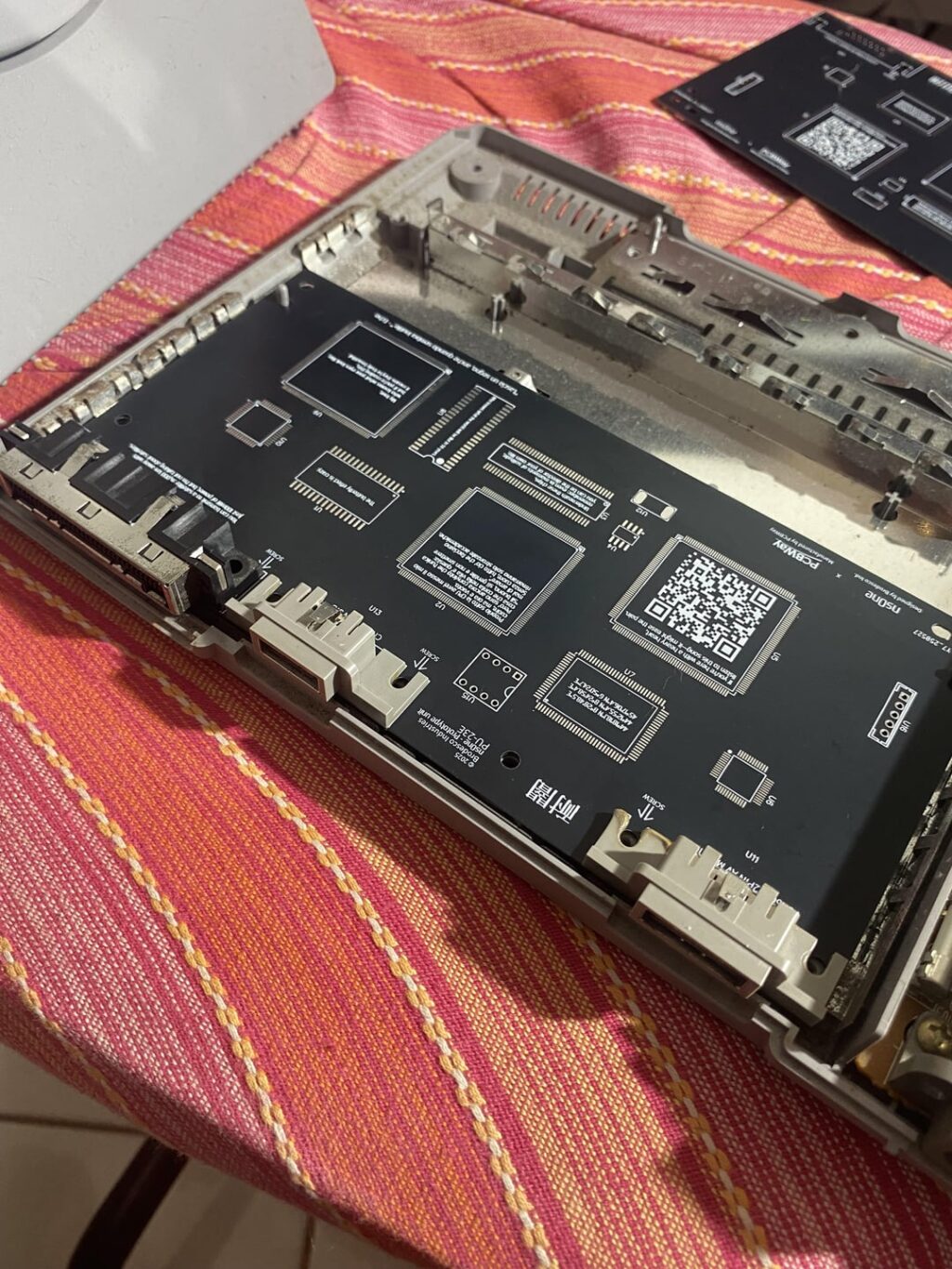
A photo of the nsOne PlayStation motherboard.

A photo of the nsOne PlayStation motherboard. Credit: Lorentio Brodesco

Using optical scanning and manual net-by-net reverse-engineering, Brodesco recreated the PlayStation 1’s schematic in modern PCB design software. This process involved creating component symbols with accurate pin mappings and identifying—or in some cases creating—the correct footprints for each proprietary component that Sony had never publicly documented.

Brodesco also identified what he calls the “minimum architecture” required to boot the console without BIOS modifications, streamlining the design process while maintaining full compatibility.

The mock-up board shown in photos validates the footprints of chips and connectors, all redrawn from scratch. According to Brodesco, a fully routed version with complete multilayer routing and final layout is already in development.

A photo of the nsOne PlayStation motherboard.

A photo of the nsOne PlayStation motherboard. Credit: Lorentio Brodesco

As Brodesco noted on Kickstarter, his project’s goal is to “create comprehensive documentation, design files, and production-ready blueprints for manufacturing fully functional motherboards.”

Beyond repairs, the documentation and design files Brodesco is creating would preserve the PlayStation 1’s hardware architecture for future generations: “It’s a tribute to the PS1, to retro hardware, and to the belief that one person really can build the impossible.”

Engineer creates first custom motherboard for 1990s PlayStation console Read More »

why-console-makers-can-legally-brick-your-game-console

Why console makers can legally brick your game console

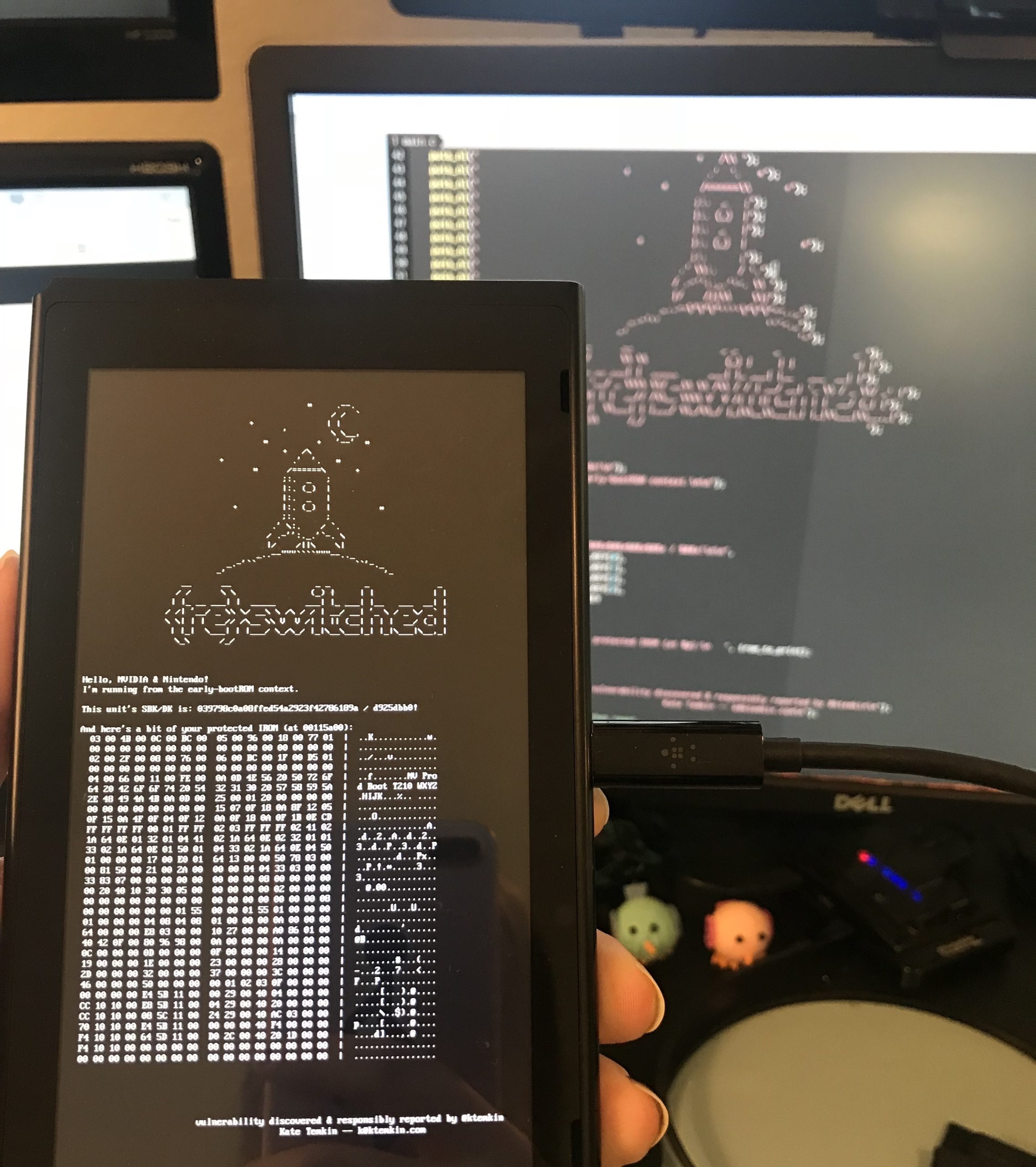
Consoles like these may get banned from Nintendo’s online services, but they tend to still work offline.

Consoles like these may get banned from Nintendo’s online services, but they tend to still work offline. Credit: Kate Temkin / ReSwitched

“Unfortunately, ‘bricking’ personal devices to limit users’ rights and control their behavior is nothing new,” Electronic Frontier Foundation attorney Victoria Noble told Ars Technica. “It would likely take selective enforcement to rise to a problematic level [in court],” attorney Richard Hoeg said.

Last year, a collection of 17 consumer groups urged the Federal Trade Commission to take a look at the way companies use the so-called practice of “software tethering” to control a device’s hardware features after purchase. Thus far, though, the federal consumer watchdog has shown little interest in enforcing complaints against companies that do so.

“Companies should not use EULAs to strip people of rights that we normally associate with ownership, like the right to tinker with or modify their own personal devices,” Noble told Ars. “[Console] owners deserve the right to make otherwise legal modifications to their own devices without fear that a company will punish them by remotely bricking their [systems].”

The court of public opinion

In the end, these kinds of draconian bricking clauses may be doing their job even if the console makers involved don’t invoke them. “In practice, I expect this kind of thing is more about scaring people away from jailbreaking and modifying their systems and that Nintendo is unlikely to go about bricking large volumes of devices, even if they technically have the right to,” Loiterman said.

“Just because they put a remedy in the EULA doesn’t mean they will certainly use it either,” attorney Mark Methenitis said. “My suspicion is this is to go after the people who eventually succeeded in jailbreaking the original Switch and try to prevent that for the Switch 2.”

The threat of public backlash could also hold the console makers back from limiting the offline functionality of any hacked consoles. After citing public scrutiny that companies like Tesla, Keurig, and John Deere faced for limiting hardware via software updates, Methenitis said that he “would imagine Nintendo would suffer similar bad publicity if they push things too far.”

That said, legal capacities can sometimes tend to invite their own use. “If the ability is there, someone will want to ‘see how it goes.'” Hoeg said.

Why console makers can legally brick your game console Read More »

the-playstation-vr2-will-get-a-drastic-price-cut,-but-that-might-not-be-enough

The PlayStation VR2 will get a drastic price cut, but that might not be enough

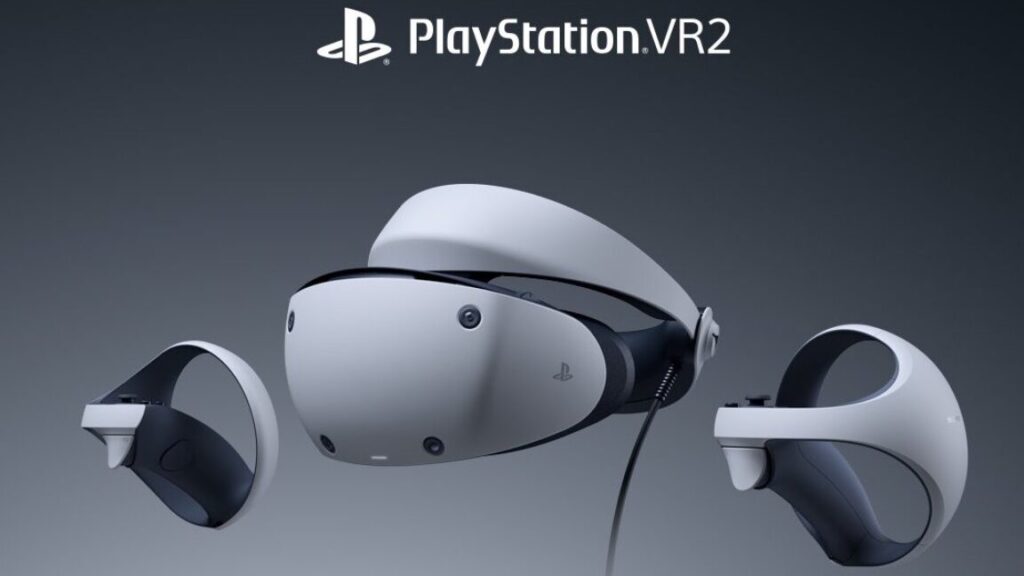
Sony’s first PlayStation VR for the PlayStation 4 hit stores at the right price at the right time and ended up being one of VR’s biggest hits. The PlayStation 5’s PlayStation VR2? Not so much, unfortunately. In either an effort to clear unsold inventory, an attempt to revitalize the platform, or both, Sony has announced it’s dropping the price of the headset significantly.

Starting in March, the main SKU of the headset will drop from $550 to $400 in the US. Europe, the UK, and Japan will also see price cuts to 550 euros, 400 pounds, and 66,980 yen, respectively, as detailed on the PlayStation Blog. Strangely, the bundle that includes the game Horizon: Call of the Mountain (originally $600) will also drop to the same exact price. That’s welcome, but it’s also a little bit difficult not to interpret that as a sign that this is an attempt to empty inventory more than anything else.

The headset launched in early 2023 but has suffered from weak software support ever since—a far cry from the first PSVR, which had one of the strongest libraries of its time. It didn’t help that unlike the regular PlayStation 5, the PSVR2 was not backward-compatible with games released for its predecessor.

About a year ago, there were reports that Sony was temporarily pausing production because it wasn’t able to move the inventory it already had. Later, the company released an adapter and some software for getting it running on PCs. That made it one of the most attractive PC VR headsets, at least on paper. However, setup was clunky, and some features that were supported on the PS5 weren’t supported on PC.

PSVR2 games are still getting announced and released, but the VR market in general has slowed down quite a bit in recent years, and most of the remaining action (such as it is) is on Meta’s Quest platform.

The PlayStation VR2 will get a drastic price cut, but that might not be enough Read More »